
Hanne Vermeer
Reading Luxor the way it was built
Based in Luxor, West Bank.
Hanne is a Dutch art historian who splits her time between the West Bank tombs and Karnak at opening hour, working out how first-time visitors can see it without the crowds. She covers the balloon flights, the quiet lanes of Old Qurna and the neighbourhoods most tour buses skip.
Latest stories

Two hours inside Medinet Habu, Luxor's painted temple
A fortress gate, the Sea Peoples reliefs and hypostyle columns that still hold their original pigment, plus where to eat at the gate and at the ferry.
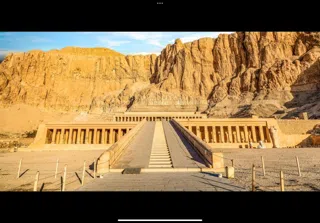
Deir el-Bahari and the Qurna road in Luxor
Hatshepsut's terraces at opening, the painted tombs on the hill above them, and where to eat, fly and sleep on Luxor's west bank.
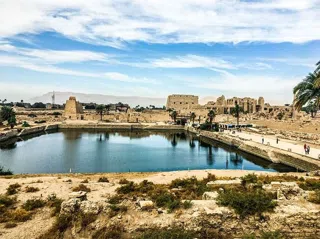
What to see and eat around Karnak in Luxor
Karnak is best at the 06:00 opening. The same quarter has the Open-Air Museum and the sphinx road south to Luxor Temple, plus the restaurants worth booking ahead.

Deir el-Medina, where Luxor's tomb-builders buried their own
The painters who decorated the royal tombs lived in this walled village, and three of the tombs they cut for themselves are open at 6 a.m.

Sugar, Spice and the Home Kitchens of Luxor
An eating trail across both banks of Luxor: the spice lanes, the sweet counters, and the family kitchens that still cook molokhia, tagines and Nubian farm food to order.

Luxor's New Makers Work in Clay, Alabaster and Thread
Where to throw a pot, watch eighth-generation carvers hollow alabaster and buy village ware at a fair price in Luxor: the Qurna workshops, and a restored market an hour south.

Following Luxor's Embalming Priests From Workshop to Tomb
Mummification took seventy days. The museums, workmen's graves and royal tombs along the river can still be visited in the order the priests worked them.

Three Tombs and a Long Lunch in Luxor's Valley of the Kings
How to pick your three tombs, when to arrive, what the extra tickets are actually worth, and where to eat when you come off the ridge.

Sailing Luxor to Aswan Over Three November Nights
Three nights on a boat south from Luxor: the temples you actually get, the price at each gate, and why November is the month to go.

Inside Edfu's Falcon Temple on a September Day Trip from Luxor
The most intact pharaonic temple in Egypt. How to walk it before the cruise boats arrive, and what a September day out of Luxor actually costs.

What Luxor's Evening Light Shows Are Actually Worth
Luxor has one real sound-and-light production and several cheaper evenings that beat it: what each costs, who it suits and when to turn up.

Why Luxor's Colossi of Memnon Deserve More Than Five Minutes
The two most photographed statues in Luxor are also the most rushed. Here is how to give them a proper morning, and where to eat on the west bank once you have.

Luxor With Children Without the Midday Meltdown
A dawn-to-dark plan for Luxor's tombs and temples with children, arranged around the four hours when nothing outdoors is worth attempting.

Three Extra Nights in Luxor When the Nile Cruise Ends
A cruise gives Luxor one hurried morning on each bank. What the extra nights buy you, where to sleep and what it all costs.
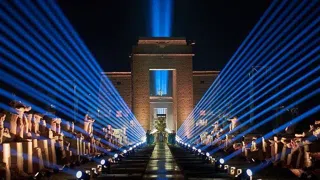
How to See Luxor Without Hiring a Guide
Ferry fares, tomb supplements and 2026 gate prices for running Luxor's East and West Banks on your own clock, plus the two places where a guide actually earns the money.

Walking Luxor's Temples in October Without Wilting
October gives Luxor back a workable morning. Here is how to spend it, where to go when the Theban rock starts giving off heat, and what everything costs.

Taking Older Parents to Luxor Without Wearing Them Out
A Luxor plan built around flat ground, early starts and air conditioning. Which temples reward the effort, which tombs to skip, and where the beds and dinner tables have no stairs.

Three Days in Luxor at a Pace You Can Keep
A realistic three-day plan for Luxor built around the two usable hours of light at each end of the day, with the middle of the afternoon written off on purpose.

Luxor Museum and the Slow Half of the East Bank
Karnak shuts while the sun is still high, but the museum reopens at five and Luxor Temple stays lit until nine. The hours in between are the ones to plan around.

Sidestepping the Touts at Luxor's Temple Gates
The pressure around Luxor's monuments is concentrated in about six car parks and one ferry landing, and you can plan around every one of them.

Esna's Cleaned Ceiling Makes an Easy Half-Day from Luxor
An hour south of Luxor, a six-year clean left one surviving temple hall with its painted ceiling intact. How to see it, what to add to the day and what to book first.

The Long Drive North from Luxor to Dendera and Abydos
Two of the best-preserved temples in Egypt sit within a morning's drive of Luxor, and skipping them is the regret most returning visitors name. Here is how to plan the day properly.

Getting Around Luxor Without Losing Half the Day
What the ferry, the tuk-tuk, a hired car and the sleeper train actually cost, so your Luxor mornings go on the tombs instead of haggling on the ramp.

Two Days in Luxor at a Pace That Won't Wreck You
A realistic two-day plan for Luxor that works around the heat, with honest ticket prices, one early start instead of three, and the stops worth dropping.

The Alabaster Workshops: Luxor's Stone-Carving Tradition from Pharaohs to Souvenir Stalls
A working guide to Luxor's West Bank alabaster workshops — where the carving is real, how to tell genuine stone from resin, and which family ateliers still teach the 3,000-year-old craft honestly.

The Nile Felucca at Golden Hour: Luxor's Quietest Afternoon Ritual
A practical, honest guide to Luxor's sunset felucca sail — which captain to book, how the Banana Island stop actually works, and why the boat with no engine is still the best hour on the river.

The Temple at Night — Exploring Karnak and Luxor Temples After Dark, When the Crowds Thin and the Floodlights Transform the Stone
When the day-trip coaches pull out and the floodlights come up, Luxor's two great temples become a different, quieter kind of monument — here's how to see them properly after dark in 2026.

Above the Valley of the Kings: Luxor's Dawn Balloon Ascent
How to pick the right sunrise balloon flight over Luxor's West Bank — from heritage operators to private baskets and the honest budget tier.

City of the Dead: Inside Luxor's West Bank, Where Thousands of the Living Built Eternity
A grounded, honest guide to Luxor's West Bank necropolis in 2026 — the royal valleys, the great mortuary temples, the workers' village, and how to plan a day among them without wilting.
Every story is signed and dated, and follows our editorial standards.