
Robin Haas
The slow way through Amsterdam's canals, courtyards and back streets
Based in Amsterdam, Netherlands.
Robin cycles a loop from the Jordaan hofjes to the ferries at NDSM most weekends, testing which museums reward a second visit and which are best skipped at peak hours. They plan city breaks around walkable neighbourhoods, timed canal light and day trips that beat the Zaanse Schans crowds.
Latest stories

Keukenhof 2027: Opening Dates, Timed Tickets and the Best Day Trip From Amsterdam
In the dark months only some days out of Amsterdam are worth the train. The windmill villages and a Van Gogh show in the woods hold up, and one of them is best skipped midweek.

Willem de Kooning at the Rijksmuseum: How to See the Winter's Big Amsterdam Show
Willem de Kooning is the Rijksmuseum's winter show, and the same ticket covers two more. Other Amsterdam exhibitions are worth a timed slot this season, and one day trip is worth the train ride.

Brick blocks and beer in Amsterdam's Spaarndammerbuurt
The brickwork is Amsterdam School, the courtyard behind the arch stays quiet, the IJ is a 10-minute walk, and the rooms on Spaarndammerstraat still belong to the people who live in them.

Antique dealers and quiet museums in Amsterdam's Spiegelkwartier
Around 70 dealers, four canal-house interiors and a free archive vault, all a short walk from the Rijksmuseum.

Walking Utrechtsestraat and Amstelveld in Amsterdam
A Monday plant market, a 1668 wooden church, one Michelin star and the city's biggest record shop, all within a few minutes' walk on the same four streets.
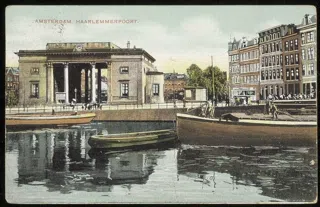
Eating and walking Amsterdam's Haarlemmerbuurt
Herring since 1903, a Cuypers church that opens two days a month and a gasworks park through the city gate. The hours and prices for each are below.

What to see and eat in Amsterdam's Westerpark and Westergas
The park is free, and around it sit the reopened Gashouder, a brewery in the old gasworks, an arcade bistro and a ship-shaped 1921 museum five minutes north.

Walking Nieuwmarkt and the Lastage in Amsterdam
The Waag, Rembrandt's house, a leaning lock-keeper's café and the Zeedijk temple, with the hours, prices and booking rules that decide what order you walk them in.
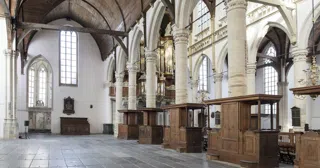
De Wallen, Amsterdam, from the Oude Kerk to Zeedijk
A day in Amsterdam's oldest streets, where a church from 1306 shows installation art and the jenever in Pijlsteeg comes poured to the brim.

How Amsterdam Locals Read the Sky and Dodge the Rain
Rain here comes in twenty-minute shifts, not whole days, so read the radar the way locals do, keep a few indoor anchors, and the wet day plans itself whatever the size of your group.

Amsterdam's Paper City, From Archive Vault to Book Market
The free treasure vault under Vijzelstraat, a library that has not closed since 1616, and the last wind-powered paper mill on earth: Amsterdam's archives, reading rooms and book stalls, with the door policies spelled out.

How Amsterdam Lights Its Canals Through Winter 2026
The light route down the eastern canals is free to walk, four boats sail it, and there are warm rooms to duck into when the wind off the water gets too much.

Inside the Royal Palace on Amsterdam's Dam Square
A working royal building that opens about 230 days a year. What €13.50 gets you inside, how long to allow, and the closures nobody warns you about.

Three Amsterdam Days Around The Strokes on 11 October
The Ziggo Dome is on the metro, so you can build an Amsterdam weekend around a Sunday-night arena show and still plan the rest of it calmly.

Driving the Afsluitdijk from Amsterdam Across 32 km of Sea
An honest run along the dike that turned a tidal sea into a lake: what is open, what is a building site, what it costs and which day of the week to go.

An October Afternoon Inside Amsterdam's Venustempel
The world's oldest sex museum costs €10 at the door, takes about 45 minutes and turns away anyone under 16. Slot it into a grey October afternoon on Damrak.

Amsterdam's Westerkerk in September Without the Tower Climb
The bells and Rembrandt's grave are free on weekday mornings, but the Westertoren stairs are shut, and the queue outside belongs to someone else's ticket.

Inside Muiderslot on an October Day Trip from Amsterdam
A moated castle from the 1280s, half an hour east of the city, seen in the stretch of the year when it still opens seven days a week and the boat to the fort island is still running.

Your First Amsterdam Weekend Without the Museum Queue
Forty-eight hours in Amsterdam spent on free ferries, in morning markets and in brown cafés instead of ticket queues, with the prices, the closing days and the door rules.

Working Out What Is On in Amsterdam This Weekend
Amsterdam has no single events listing. About fifteen venues each publish their own, and four rules decide whether you get through the door.

Amsterdam by Tram When You Don't Want a Bike
Fifteen tram lines run in Amsterdam. Make one fare decision, learn a handful of stops, and you can reach the door of most things you came to see.

A First-Timer's Unhurried October Weekend in Amsterdam
Three bookings need doing early: the museums, the boat and the small dining room. Everything else in Amsterdam gets easier once those are done.

Amsterdam Canal Cruises and How to Pick the Right Boat
Fourteen operators, one set of canals. What each boat costs, how many people it takes, and which one suits the trip you're on.

An Amsterdam Weekend Built Around Jill Scott at AFAS Live
Jill Scott plays AFAS Live on Saturday 10 October 2026, and the two days around it go much better if you book in this order: the museum slot, then the dinner, then the ticket.

What to Book Before an October Trip to Amsterdam
The Anne Frank House releases tickets six weeks ahead to the minute, and a dance festival reprices the whole city for five days. Almost every museum now sells timed slots only. This is the order a first-timer should book in.

Building an Amsterdam Night Around Erykah Badu at Carré
Erykah Badu brings her improvised IMEHO set to Koninklijk Theater Carré on 13 October 2026. Here is the seat to buy, the table across the river, and where the music carries on once the theatre empties.

Watching the Amsterdam Marathon from Park, River and Track
Where to stand, eat and drink on 18 October 2026: the two Vondelpark passes, the Amstel hours, the Wibautstraat wall and a free seat in the stadium for the finish.

How Long to Stay in Amsterdam Without Wasting a Day
A day-by-day breakdown of what one, two, three, four and five days in Amsterdam actually buy you, with the ticket rules that decide it.

Amsterdam on €80 a Day, Museums Included
Three days in Amsterdam for roughly the price of one restaurant week. The booking order does most of the work, and the free ferries and market plates do the rest.

Where to Sleep in Amsterdam on Your First Solo Trip
Sixteen tested beds across Noord, Oost, Oud-West and the old centre, with real prices, honest noise levels and which ones make arriving alone easy.

Walking Amsterdam's Canals in October Between Museum Slots
The canal ring looks best in low October light and the big museums are finally manageable, but only if you book them weeks ahead.

Amsterdam in September for Milder Days and Shorter Queues
The crowds thin, the light goes low and gold, and the terraces still work. Plan around the month's real hours, prices and booking traps.

Five Days of Amsterdam Dance Event, Room by Room
ADE 2026 runs 21 to 25 October, five days that work best if you plan them in advance. Here is which room suits which kind of group, what it costs, and how you get home.

Day Trips from Amsterdam Worth Building a Week Around
Fourteen verified trips by train and boat — with honest 2026 prices, opening dates and the closures the brochures skip — that turn an Amsterdam city break into a full week.

Brick by Brick: Amsterdam's Hidden Expressionist Facades
A walking route through the sculptural brickwork, worker housing and one glorious cinema interior that make up Amsterdam's home-grown 1920s architecture movement.

Amsterdam's Houseboat Families Who Never Left the Water
Inside the canal-side world where roughly 2,500 licensed houseboats are still real family homes, and where a visitor can tour, eat or sleep aboard one in 2026.

Amsterdam's Hidden Hofjes: The Courtyard Almshouses the Canal Tours Skip
Seven Golden Age courtyard almshouses hide behind unmarked doors across Amsterdam's Jordaan and city centre in 2026 - free to enter, still lived in, and skipped by every canal-tour script.

The Free Fleet: Amsterdam's IJ Ferries and the North Bank That Opened Overnight
Five routes cross the IJ for nothing at all, day and night — the cheapest way into Amsterdam's most interesting district, and the best free ride in the city.

The Water That Built Amsterdam: Inside the Grachtengordel
A calm, practical guide to seeing Amsterdam's canal ring the way it was meant to be seen — from the water, from a brown café terrace, and from inside the houses the canals paid for.

Amsterdam on Two Wheels: Ferries, Free Routes, and the Unwritten Rules of the Bike Lane
How to hire the right bike, decode the etiquette of the fietspad, and find the free ferries and car-free loops where cycling Amsterdam is a pleasure, not a nerve test.

Inside Amsterdam's Proeflokalen: Where Jenever Is Still Poured the Old Way
A calm, honest guide to the tiled tasting rooms, brown cafés and modern bars where Amsterdam still serves its native spirit brim-full — and how to drink it without spilling a drop.

Amsterdam's Best Brown Cafés That Locals Actually Drink In
A calm, honest walk through fourteen genuine bruine kroegen — which suit a quiet pair, which swallow a group whole, and the exact tram stop and pint price for each.
Every story is signed and dated, and follows our editorial standards.