Taj Mahal
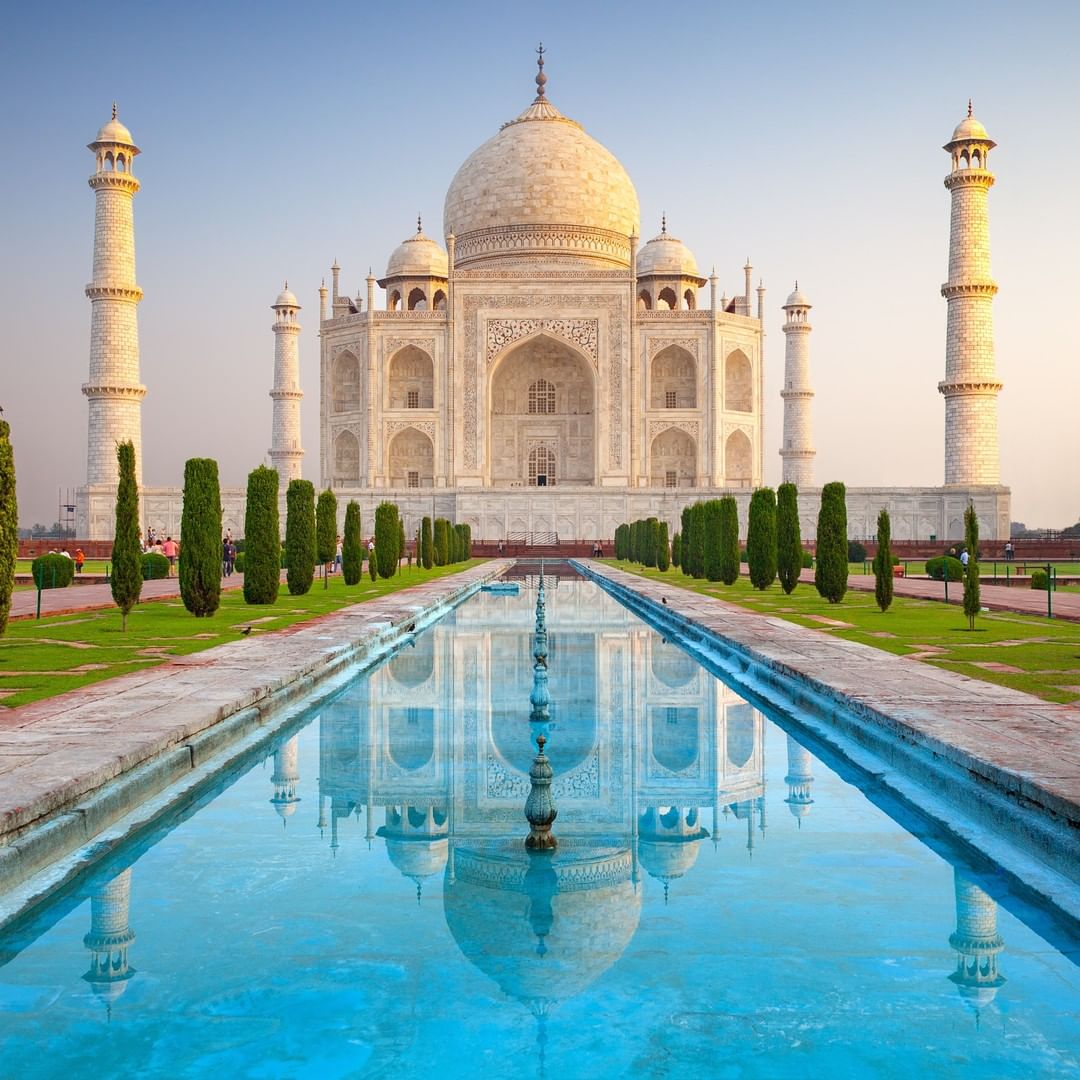
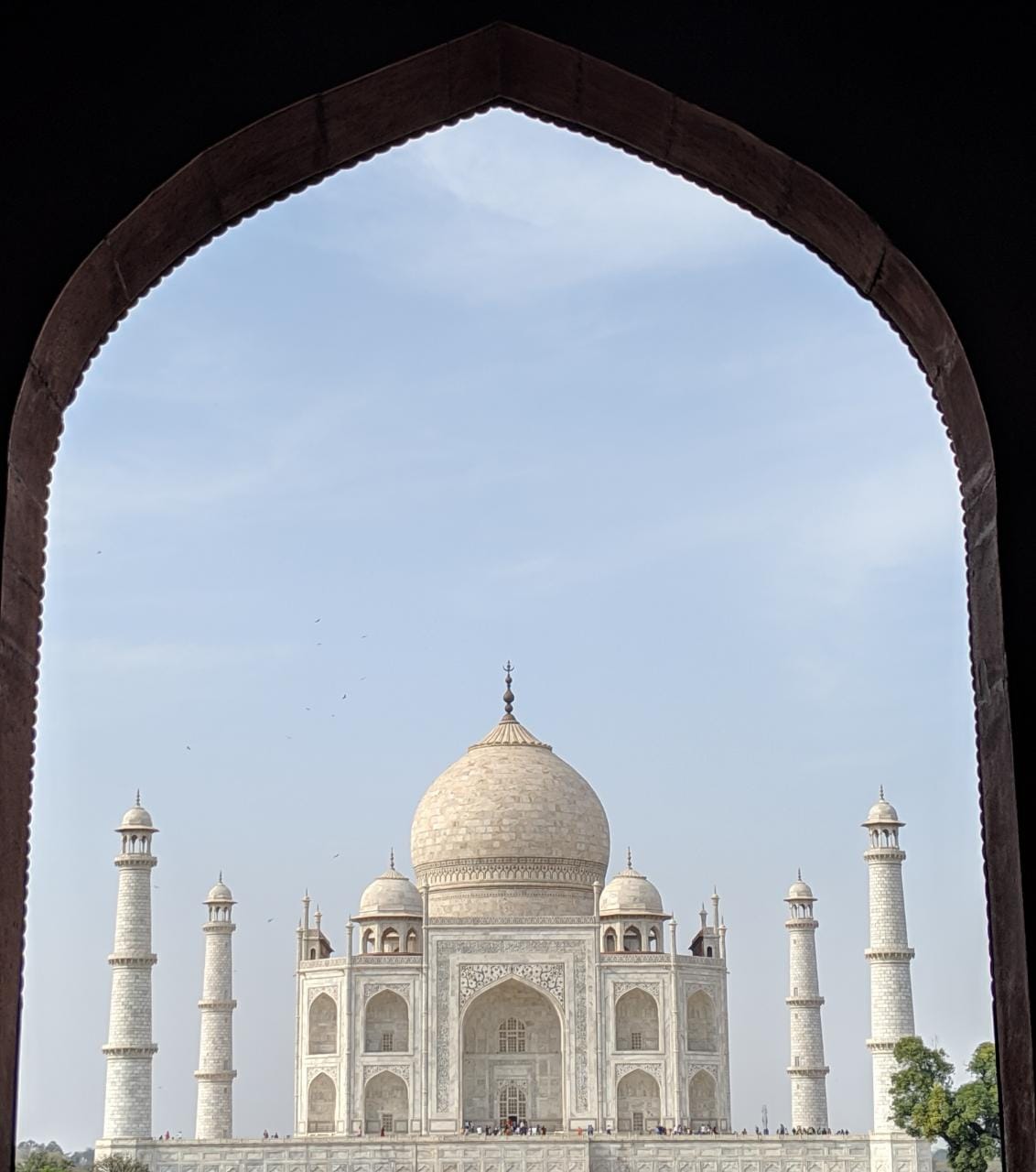
The world's premier monument to love, constructed from white Makrana marble that changes color depending on the time of day.
€€€ (foreigner ticket). Closed on Fridays. Arrive at the gates at least 45 minutes before sunrise to beat the crowds.
More in Taj Ganj
Joney's Place
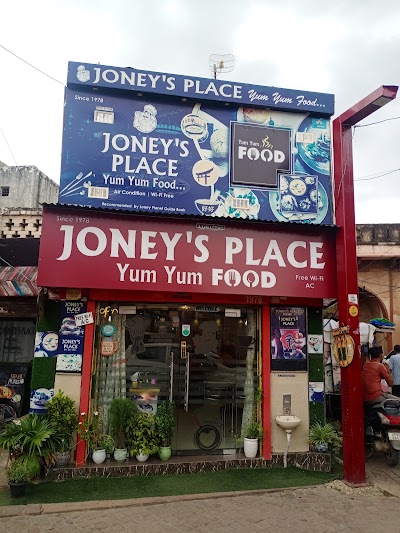
A legendary, tiny budget diner that has served travelers simple, freshly prepared comfort food since 1978.
What to order: Banana Lassi (a thick, sweet yogurt drink prepared fresh at the counter)

Shankara Vegis
A relaxed rooftop restaurant offering simple, freshly cooked vegetarian thalis with views of the Taj Mahal dome.
What to order: Special Thali (a platter of various curries, lentils, rice, flatbread, and yogurt)
Where it is
Reviews
The Taj Mahal is far more breathtaking in real life than any photograph can capture. The moment you walk through the grand entrance and see this masterpiece of white marble standing gracefully against the sky, it leaves you speechless. The symmetry, intricate craftsmanship, and peaceful atmosphere create an unforgettable experience. Beyond its architectural beauty, the Taj Mahal represents a timeless story of love, devotion, and human creativity. Every detail, from the delicate marble inlay work to the beautifully maintained gardens, reflects extraordinary artistry and dedication. Whether you are a history enthusiast, an architecture lover, or simply a traveler seeking a once-in-a-lifetime experience, the Taj Mahal is a destination that truly deserves its reputation as one of the world's greatest wonders and a UNESCO World Heritage Site. A visit here is not just sightseeing—it is an experience that stays with you forever. "A masterpiece of love carved in marble, and undoubtedly one of the most beautiful places on Earth."
Important tips before you enter: If you’re traveling with kids, try to enter from the West Gate as it is a shorter walking distance compared to the East Gate. From the parking to the Taj Mahal, there are multiple golf carts available—don’t get misled by guides. The official charge is ₹25 per adult, and children up to 5 years go free. Parking costs around ₹115 for the full day (not hourly). Also, be careful with guides—some may quote ₹500 to ₹1000, while others may charge ₹200–300, and they usually include clicking your pictures. Decide beforehand and avoid agreeing to unnecessary or overpriced services. A visit to the Taj Mahal is truly a once-in-a-lifetime experience. No matter how many pictures you’ve seen, nothing prepares you for the moment you see this magnificent monument in person. The sheer beauty of the white marble, the intricate carvings, and the perfect symmetry are absolutely breathtaking. We visited early in the day, and the soft morning light made the Taj look even more magical. The place feels calm, peaceful, and full of history. Walking around the monument and learning about the love story behind it makes you appreciate it even more. Agra itself has its usual hustle and bustle, but once you step inside the Taj complex, everything feels serene and timeless. It’s not just a monument, it’s an emotion. A must-visit for anyone—whether you’re traveling with family, friends, or even on a solo trip. Truly proud to witness one of the world’s greatest wonders in our own country. ✨
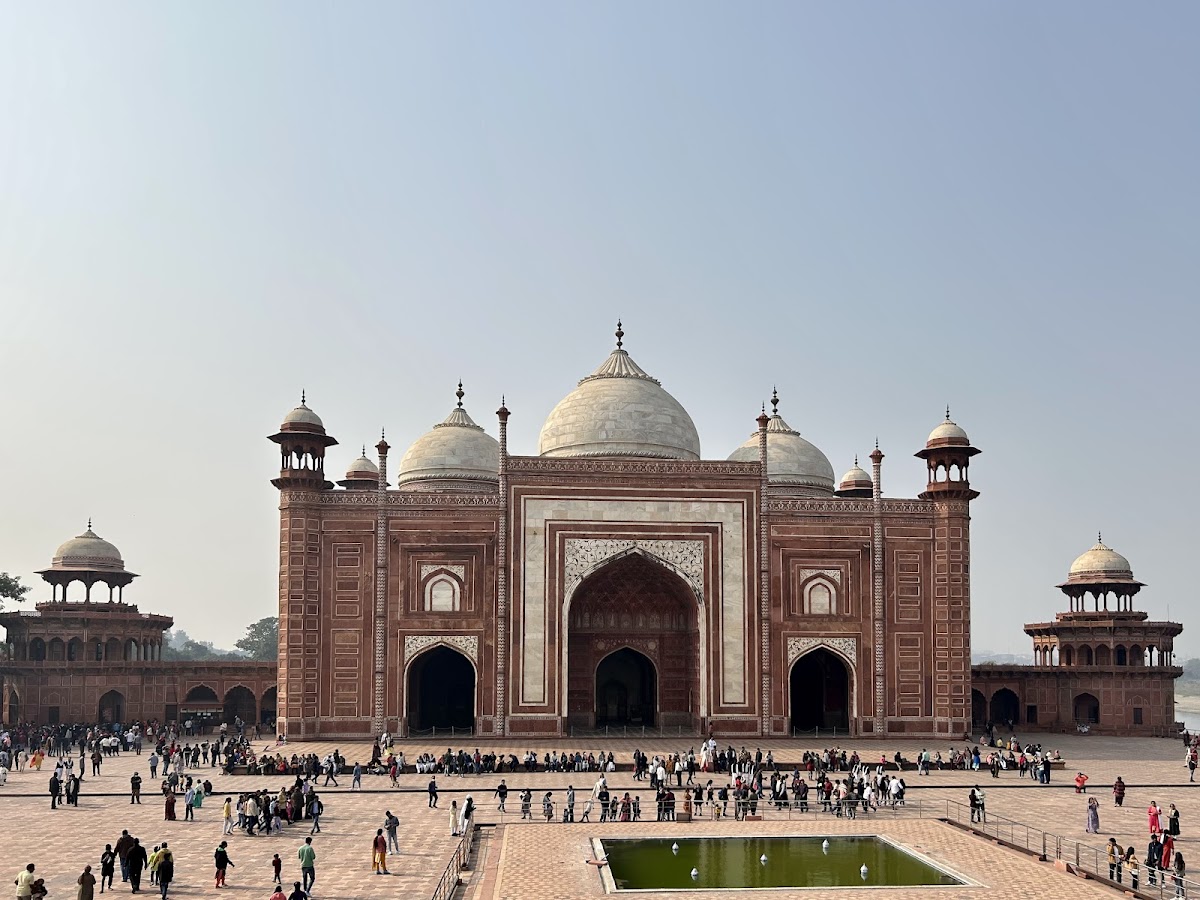
A place you will certainly be in awe because of.. the architecture... The atmosphere everything is so top notch. Early sunrise hours are best for photography. Here are some facts you might wanna look into if you're planning to go there- Taj Mahal's architecture is inspired by baby taj. It does not follow the traditional mughal architecture method of four gates and four gardens.. it has only 3 gates. Because of the architecture at the other bank of yamuna (in mehtab garden )that was supposed to be built but couldn't.. It's history is also interesting! Takes approximately 2-2.5 hours to be complete from photography to visiting the monument. Also, show covers are given inside only, free of cost if you decide to visit the tomb. Do not take it from local vendors.