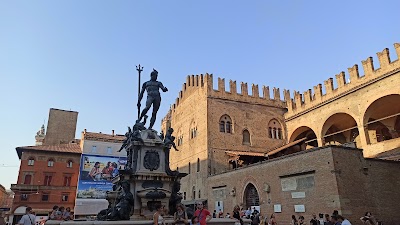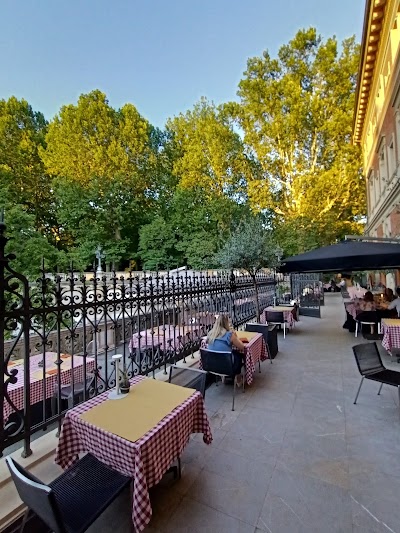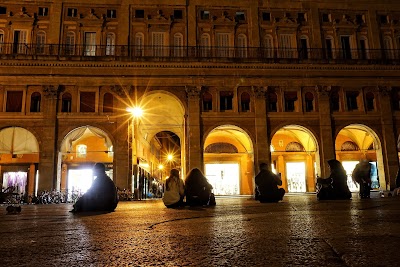
Bologna at golden hour

Bologna

A locally-written guide — where to stay, what to eat, and what not to miss.

The Bologna guide

An insider’s read on Bologna

Here, life is lived at street level, in the crowded markets of the Quadrilatero and on the steps of Piazza Maggiore.

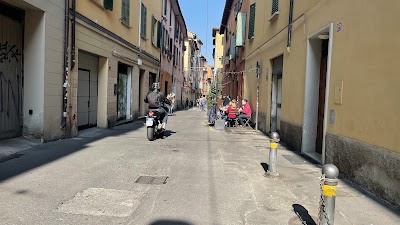
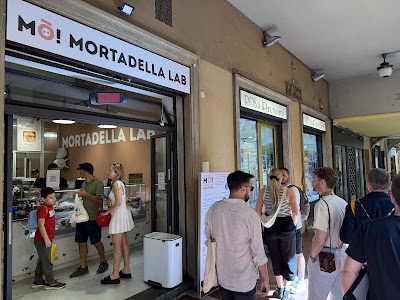
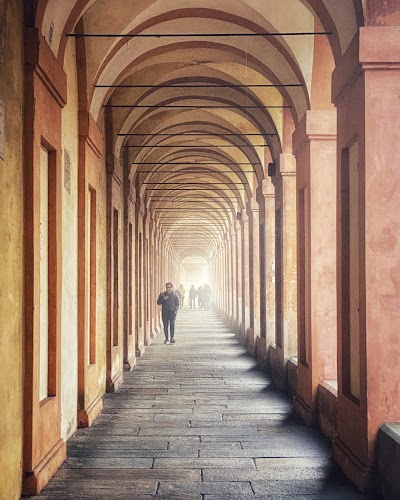
Bologna is defined by its shadows and its scents. Underneath nearly forty kilometers of medieval porticoes, the air smells of simmering beef, nutmeg, and aged Parmigiano-Reggiano. It is a city that has resisted the sanitization of global tourism, retaining a gritty, intellectual edge fueled by the presence of Europe’s oldest university. Here, life is lived at street level, in the crowded markets of the Quadrilatero and on the steps of Piazza Maggiore.

Where to base yourself

The neighborhoods

Where you sleep shapes the trip. Here’s the honest orientation, area by area.

Quadrilatero
via Google

Quadrilatero

For Food lovers who want to be in the center of the action. The trade-off is constant crowds, high noise levels, and premium accommodation prices.

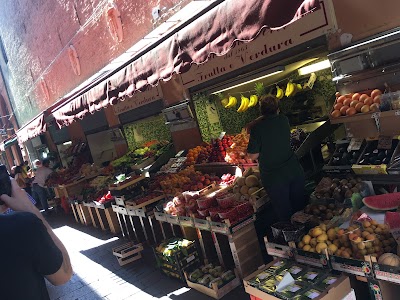
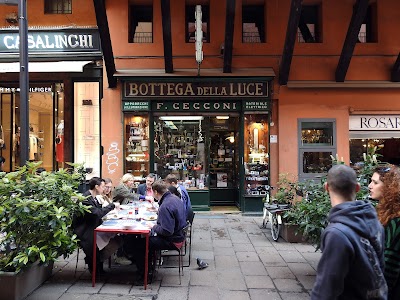
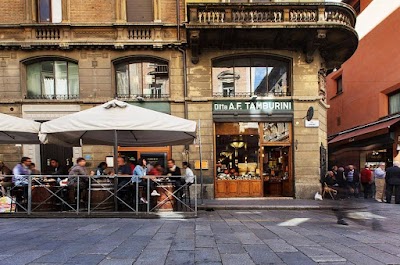
The ancient Roman heart of the city, characterized by narrow medieval alleys packed with historic food stalls, fishmongers, and delicatessens.

Where to stayUpscale boutique hotels and historic apartments tucked above the busy shopping streets.

  • Tamburini deli for cured meats
  • The daily street markets on Via Drapperie
  • Santuario di Santa Maria della Vita
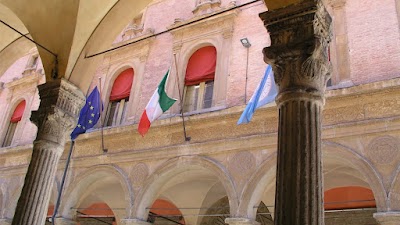
Bolognina
via Google

Bolognina

For Budget travelers and those seeking a contemporary local vibe. The trade-off is a gritty aesthetic and a fifteen-minute walk to the historic center.

Located just north of the central train station, this former working-class district is now a multi-ethnic, artistic hub with a distinct community feel.

Where to stayModern apartments, design hostels, and budget-friendly hotels near the station.

  • Mercato Albani for local produce and evening drinks
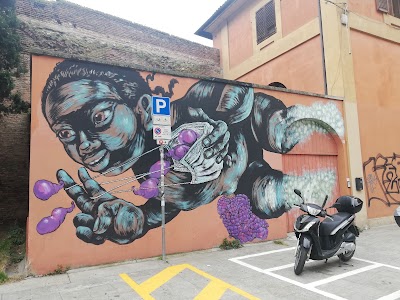
  • Striking street art murals
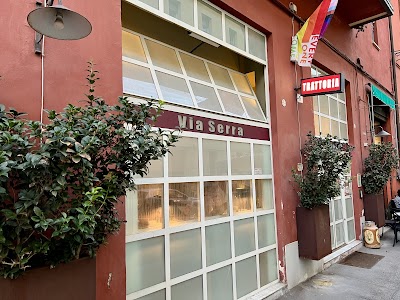
  • Trattoria di Via Serra
Via del Pratello
via Google

Via del Pratello

For Night owls and younger travelers. The trade-off is that it can be incredibly loud and rowdy until the early hours of the morning.

A bohemian, long street lined with dive bars, osterias, and political graffiti, representing the city's counter-cultural spirit.

Where to staySimple guesthouses and low-key rental apartments.

  • Drinking craft beer on the pavement
  • Traditional dining at Osteria Fantoni
  • The lively square of Piazza San Francesco
Santo Stefano
via Google

Santo Stefano

For Travelers seeking quiet, architectural beauty, and a refined atmosphere. The trade-off is higher prices and fewer late-night dining options.

The most elegant and quiet residential pocket of the center, centered around a beautiful, triangular cobblestone square.

Where to stayHigh-end boutique hotels and quiet, historic guesthouses.

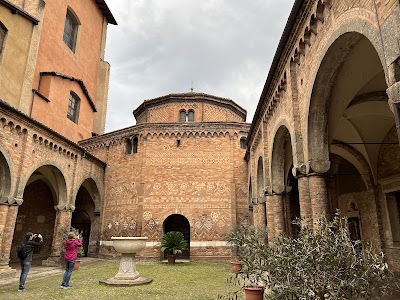
  • The Basilica of Santo Stefano (Seven Churches)
  • Caffè della Corte for a quiet drink
  • Elegant antique shopping along the porticoes
University District (Zona Universitaria)
via Google

University District (Zona Universitaria)

For Young travelers and budget hunters. The trade-off is that the streets can be dirty, chaotic, and heavily graffitied.

Centered around Via Zamboni, this area is packed with students, bookshops, and political posters, buzzing with raw intellectual energy.

Where to stayBudget guesthouses and student-friendly hostels.

  • The historic Palazzo Poggi museum
  • Cheap drinks around Piazza Verdi
  • Teatro Comunale di Bologna
Saragozza
via Google

Saragozza

For Families and slow travelers who want a peaceful, local experience. The trade-off is a longer commute to the central sights.

A leafy, affluent residential neighborhood stretching from the city walls up toward the southwestern hills.

Where to stayCharming bed and breakfasts and residential apartments.

  • The start of the Portico di San Luca
  • Villa Spada park
  • Excellent local bakeries and gelaterias

Eat & drink

Where to eat in Bologna

Real tables, by category — from seafood and grills to the budget classics locals actually queue for.

Tapas/local

In Bologna, local dining is centered around the historic osteria and trattoria, where traditional pasta shapes and cured meats dominate the menu.
Osteria dell'Orsa
Osteria dell'Orsa

University District

$$Closed

via Google

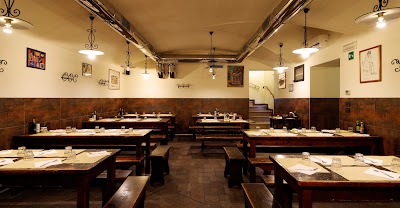
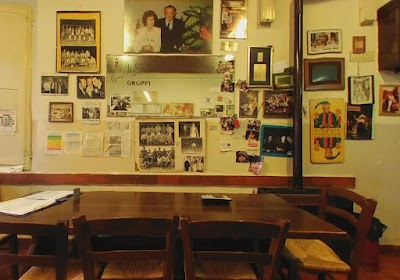
It is the quintessential student tavern where long communal tables foster conversation over steaming bowls of fresh pasta.

SignatureTagliatelle al ragù

Trattoria di Via Serra

Trattoria di Via Serra

€€

Bolognina

$$Closed

via Google

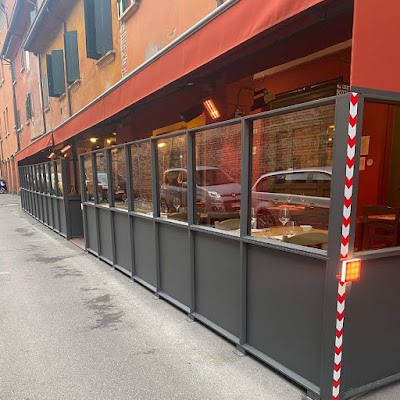
This slow-food sanctuary sources ingredients exclusively from the surrounding Apennine hills, elevating humble mountain recipes.

SignatureTortelloni filled with ricotta and mountain herbs

All'Osteria Bottega

All'Osteria Bottega

€€€

Saragozza

$$Closed

via Google

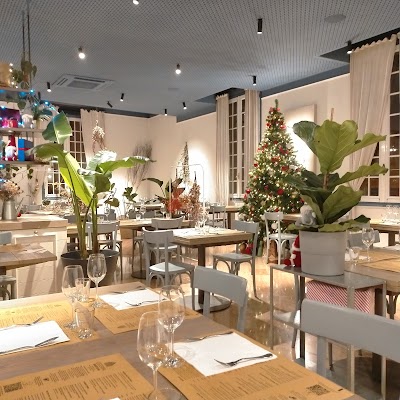
A temple of traditional gastronomy where the ingredients are sourced with obsessive care and served in a formal, classic setting.

SignatureTortellini in brodo di cappone (capon broth)

Osteria del Sole

Osteria del Sole

Quadrilatero

$Closed

via Google

Operating since 1465, this historic tavern only serves wine; you must bring your own food purchased from the nearby market stalls.

SignatureA glass of local Pignoletto wine

Trattoria Gianni

Trattoria Gianni

€€

Centro

$$Closed

via Google

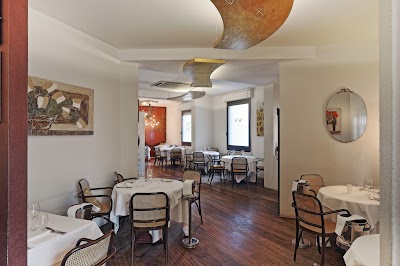
Tucked away in a quiet alley near the main square, it offers reliable, classic Bolognese comfort food with warm service.

SignatureGramigna con salsiccia (curly pasta with sausage ragù)

Trattoria da Vito

Trattoria da Vito

€€

Cirenaica

$Closed

via Google

A legendary rustic tavern once frequented by Italian singer-songwriters, maintaining an old-school, no-nonsense atmosphere.

SignatureCotoletta alla Bolognese (veal cutlet with prosciutto and melted parmigiano)

After dark

Nightlife

Where the night goes — clubs, rooftop cocktails and the rooms with the best live music.

See & do

Culture

Museums, landmarks and galleries worth structuring a day around.

Don’t-miss

Signature experiences

Walk the Portico di San Luca

Walk the Portico di San Luca

SaragozzaHalf day

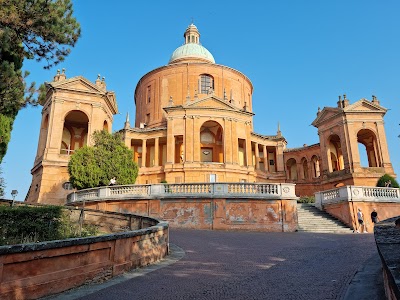
It is a local ritual to walk the 3.8 kilometers under the world's longest continuous portico up to the hilltop basilica for sweeping views of the city and hills.

via Google
Pasta-Making Class at Le Sfogline

Pasta-Making Class at Le Sfogline

Centro3 hours

Learn the precise art of rolling pasta dough (sfoglia) with a wooden rolling pin from local masters who keep the tradition alive.

via Google
Aperitivo at Osteria del Sole

Aperitivo at Osteria del Sole

Quadrilatero2 hours

Buy local mortadella and cheese in the Quadrilatero, then bring it to this 15th-century tavern to eat alongside cheap local wine.

via Google

Beyond the city

Day trips

Modena

Modena

Famous for traditional balsamic vinegar tastings, the Enzo Ferrari Museum, and a stunning Romanesque cathedral.

Getting there20 minutes by regional train from Bologna Centrale.

Parma

Parma

The home of Parmigiano Reggiano and Prosciutto di Parma, featuring an elegant historic center and beautiful opera house.

Getting there50 minutes by regional train from Bologna Centrale.

Ravenna

Ravenna

Renowned for its breathtaking, UNESCO-listed 5th and 6th-century Byzantine mosaics inside quiet churches.

Getting there1 hour and 10 minutes by regional train from Bologna Centrale.

Book ahead

Things to do in Bologna

Top-rated tours, tickets and experiences — book in seconds, skip the line.

These are affiliate links. We may earn a commission when you book — at no extra cost to you. Tours are sold and operated by our partner, who is the merchant of record.

What it costs

Budgeting

Bologna is highly affordable compared to other major Italian cultural hubs, largely due to its massive student population which keeps food and drink prices reasonable.

Travel stylePer day
Backpacker€50-70
Mid-range€120-180
Luxury€300+

Timing

When to visit

The ideal times to visit are spring and autumn, when the weather is mild enough for walking the porticoes and the university is in full session, bringing life to the streets.

SpringApril to June brings pleasant temperatures and outdoor cultural festivals. The city is lively with students, and outdoor dining is at its peak.
SummerJuly and August can be stiflingly hot and humid. Many local shops and restaurants close for several weeks in August as residents head to the coast.
AutumnSeptember to November is prime culinary season. The weather cools down, making it perfect for rich ragù and white truffles from the nearby hills.
WinterDecember to February is cold and foggy, but highly atmospheric. The city is quiet, and it is the best time to enjoy hot tortellini in brodo without the crowds.

Logistics

Getting around

Orientation map of Bologna
Map data © Google

From the airport

The Marconi Express monorail connects Bologna Guglielmo Marconi Airport to the central train station in under ten minutes, running frequently throughout the day.

Public transit

The city is served by an efficient network of orange and red TPER buses. Tickets must be purchased before boarding at tobacconists (tabacchi) or via contactless payment on board.

Passes & tickets

The Bologna Welcome Card offers entry to major museums and a guided walking tour, available in basic and plus tiers (€-€€). It is highly cost-effective if you plan to visit multiple civic museums.

On foot

Bologna is exceptionally walkable. The extensive network of porticoes provides shelter from both rain and sun, making walking the preferred method of exploration.

  • 1
    On weekends, the central T-Zone (Via Rizzoli, Via Ugo Bassi, and Via dell'Indipendenza) is completely closed to private traffic, turning into a pedestrian highway.
  • 2
    Always validate your bus ticket immediately upon boarding to avoid heavy on-the-spot fines.

Travel smart

Safety & etiquette

Bologna is generally very safe, but standard precautions apply. Be vigilant against pickpocketing in crowded areas like the Quadrilatero and around the central train station. The university area around Piazza Verdi can get rowdy and occasionally tense late at night.

Local etiquette

  • Do not order a cappuccino after 11:00 AM; it is strictly a breakfast drink.
  • When visiting churches, ensure your shoulders and knees are covered.
  • Do not touch produce with bare hands at market stalls; wait for the vendor to assist you or use the provided plastic gloves.

From the ground

Practical tips

  • 1
    Buy bus tickets at a 'Tabacchi' (tobacconist) before boarding to save money, as buying on board is more expensive.
  • 2
    Avoid visiting in August, when many of the best local restaurants and shops close for summer holidays.
  • 3
    Take advantage of the free drinking water fountains (fontanelle) scattered around the historic center.
  • 4
    If you want to climb the Asinelli Tower, you must book your time slot online well in advance.
  • 5
    Visit the Quadrilatero market early in the morning to see the stalls fully stocked before the lunch crowds arrive.
  • 6
    Use regional trains rather than high-speed ones for day trips to Modena or Ferrara to save money on tickets.

Book direct

Book a hotel in Bologna

Loading live availability and real-time prices…

Good to know

Bologna FAQs

Is English widely spoken in Bologna?

Yes, English is widely spoken in hotels, central restaurants, and shops, largely due to the international student population.

Can I visit the Two Towers?

The Garisenda tower is currently closed for structural stabilization, and access to the Asinelli tower may be restricted; check official local updates before planning a climb.

How many days do I need in Bologna?

Two to three days is the perfect amount of time to see the main sights, enjoy the food culture, and explore the historic center at a relaxed pace.

What is the local wine I should try?

Try Pignoletto, a crisp, often sparkling white wine, or Lambrusco, a dry, sparkling red that cuts through the richness of local meats.

Are reservations necessary for restaurants?

Yes, for popular traditional trattorias, reservations are highly recommended, often weeks in advance for weekend dinners.