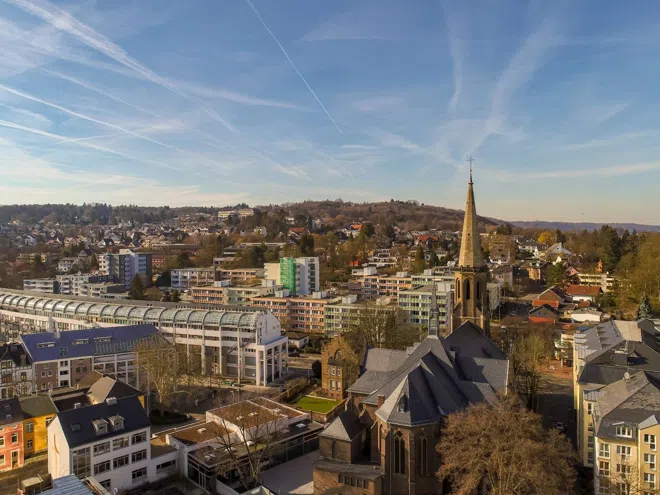
A data-driven guide — where to stay, what to eat, and what not to miss.
Share
Guests & rooms
The Bonn guide
An insider’s read on Bonn
For decades, this low-key city on the Rhine served as the improbable capital of West Germany
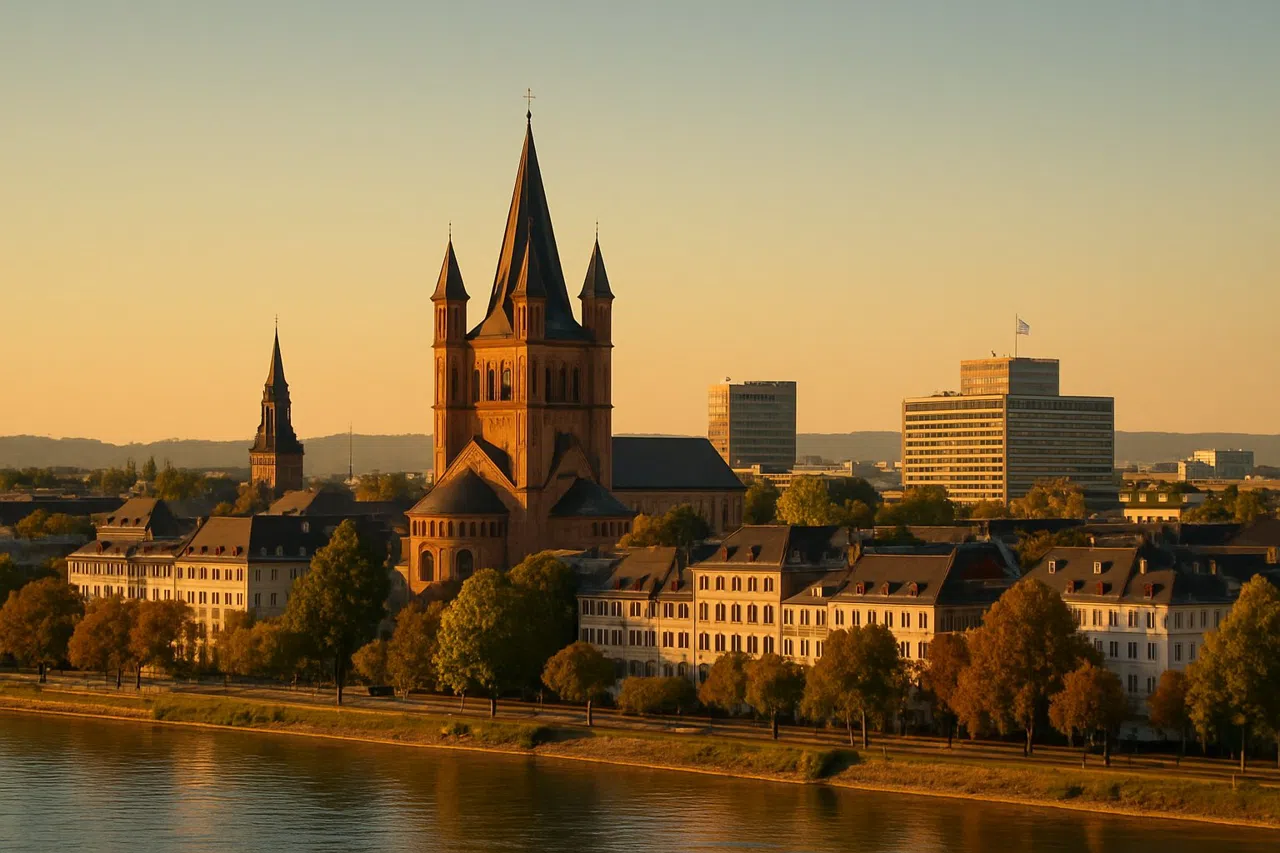
Bonn does not shout. For decades, this low-key city on the Rhine served as the improbable capital of West Germany, earning the moniker "the federal village." Today, it has transitioned into a serious-minded international hub, home to United Nations offices and sprawling corporate headquarters, all while maintaining the unhurried pace of a historic university town.
Where to base yourself
The neighborhoods
Where you sleep shapes the trip. Here’s the honest orientation, area by area.
via Google
Zentrum (Innenstadt)
For First-time visitors who want immediate access to transit, shopping, and historic sights. The trade-off is that it lacks local residential character and gets quiet after shopping hours.
The pedestrianized core filled with historic squares, retail shops, and major landmarks.
Where to sleepTraditional hotels and modern business chains near the main station.
Beethoven-Haus
Altes Rathaus (Rococo Town Hall)
Bonner Münster basilica
via Google
Altstadt
For Younger travelers and night owls. The trade-off is that it can be noisy on weekend nights and intensely crowded during the spring cherry blossom season.
A dense grid of narrow streets filled with student pubs, independent cafes, and historic townhouses.
Where to sleepBoutique guesthouses and independent hostels.
Heerstraße (Cherry Blossom Avenue)
Frauenmuseum (Women's Museum)
Local craft beer pubs
via Google
Südstadt
For Architecture enthusiasts and those seeking a quiet, local neighborhood feel. The trade-off is that dining options are more expensive and it is a longer walk to the central sights.
An upscale, leafy residential district famous for its exceptionally preserved Wilhelminian-era villas.
Where to sleepHigh-end boutique hotels and elegant apartments.
Poppelsdorfer Allee
Stately 19th-century architecture
Quiet neighborhood cafes
via Google
Gronau (Bundesviertel)
For Business travelers and museum enthusiasts. The trade-off is that the area feels corporate and is largely deserted on weekends and evenings.
The former government quarter, now dominated by modern glass towers, UN offices, and major museums.
Where to sleepModern business hotels and upscale conference lodging.
Haus der Geschichte
Bundeskunsthalle
The UN Campus and Post Tower
via Google
Poppelsdorf
For Foodies and travelers who want a relaxed neighborhood vibe with excellent dining options. The trade-off is that parking is nearly impossible and it is removed from the river.
A lively student-friendly hub centered around a baroque palace and a bustling dining street.
Where to sleepMid-range neighborhood hotels.
Poppelsdorf Palace
University Botanical Gardens
Clemens-August-Straße dining strip
via Google
Bad Godesberg
For Families and travelers seeking a slower pace near nature. The trade-off is that it is a 15-minute train ride from the city center, making late-night returns more difficult.
A green, sprawling southern district that once served as the diplomatic heart of West Germany.
Where to sleepHistoric villas and quiet suburban hotels.
Godesburg Castle ruins
The Kurpark
Rhine promenade views toward the Siebengebirge hills
Beuel
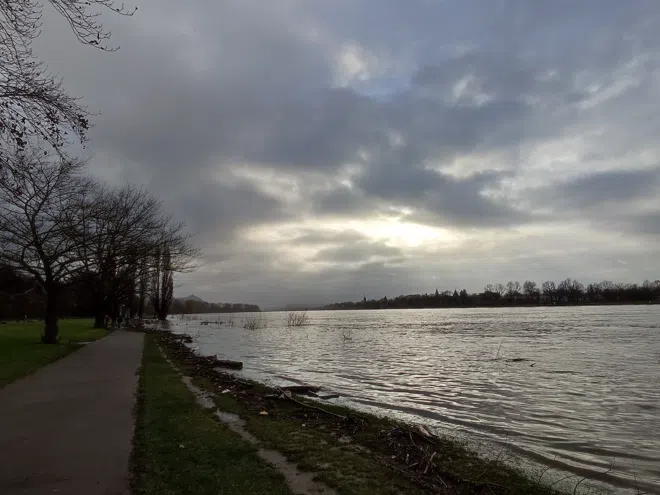
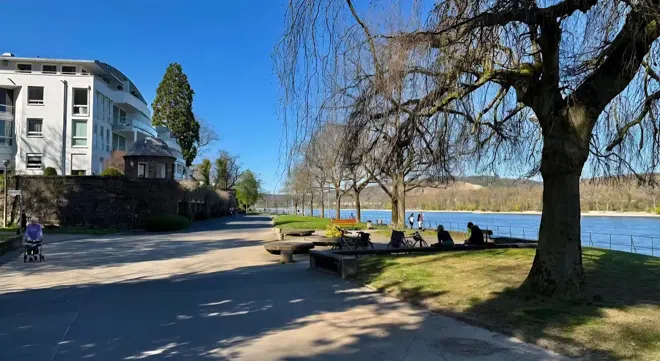
Bonn’s sunny-side Rhine quarter is a rewarding half-day of river walks, local history, cafés and views back to the old town. Best from late spring to early autumn for the promenade; Carnival is especially prominent around Weiberfastnacht in February.
Endenich
Endenich’s compact Kulturmeile gives visitors an easy evening of theatre, live comedy, cinema, restaurants and neighbourhood bars. A year-round evening destination, with the strongest appeal when theatre and comedy programmes are running from autumn through spring.
Nordstadt
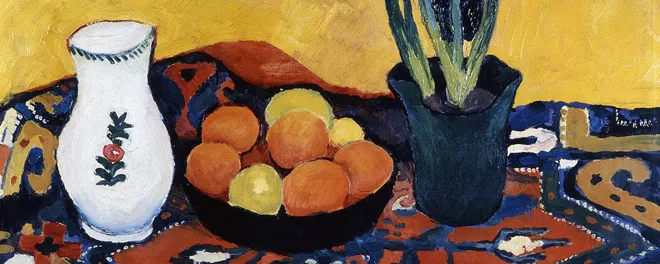
The northern inner-city quarter combines the August Macke art trail with independent cafés, creative venues, old cemeteries and a more local urban atmosphere. Good year-round; spring and summer are best for café-hopping and walking between the Mackeviertel and Alter Friedhof.
Oberkassel
Oberkassel is a scenic Rhine-side village quarter for riverside walking, historic villas, local restaurants and open views toward the Siebengebirge. Most enjoyable from May to September, when the riverside and outdoor seating are at their best; cultural events vary by year.
Rüngsdorf
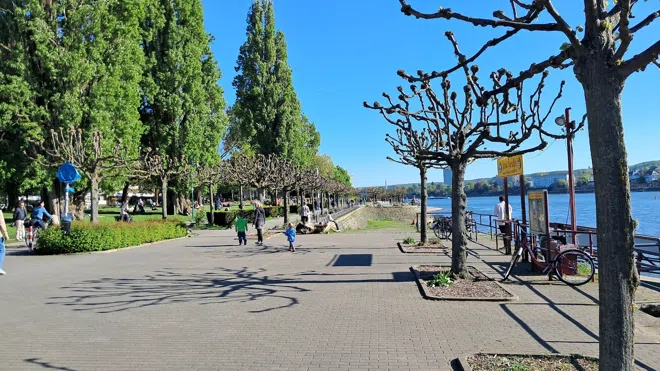
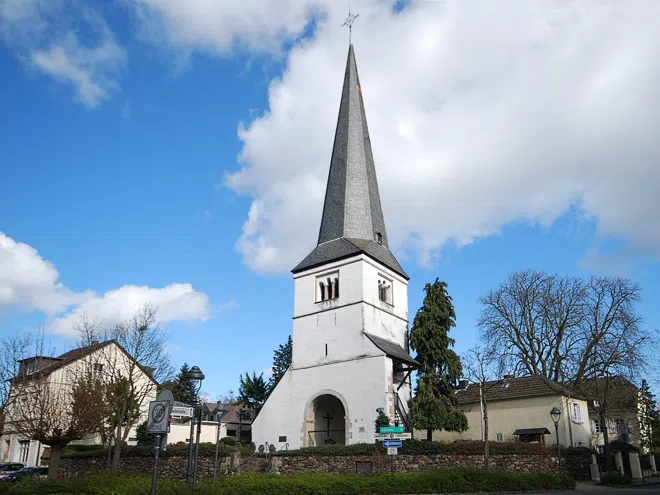
Rüngsdorf offers one of Bonn’s most attractive Rhine walks, lined with grand villas, historic churches, gardens and direct views toward Drachenfels. A strong spring and summer walk, though the villa architecture and river scenery work year-round; gardens are best when foliage is out.
Mehlem
At Bonn’s southern edge, Mehlem is a relaxed Rhine-side outing with river views, historic villas, ferry connections and a dramatic backdrop of Drachenfels. Best from May to September for the promenade and ferry; clear autumn days give especially good views across the Rhine to the Siebengebirge.
Schwarzrheindorf and Vilich
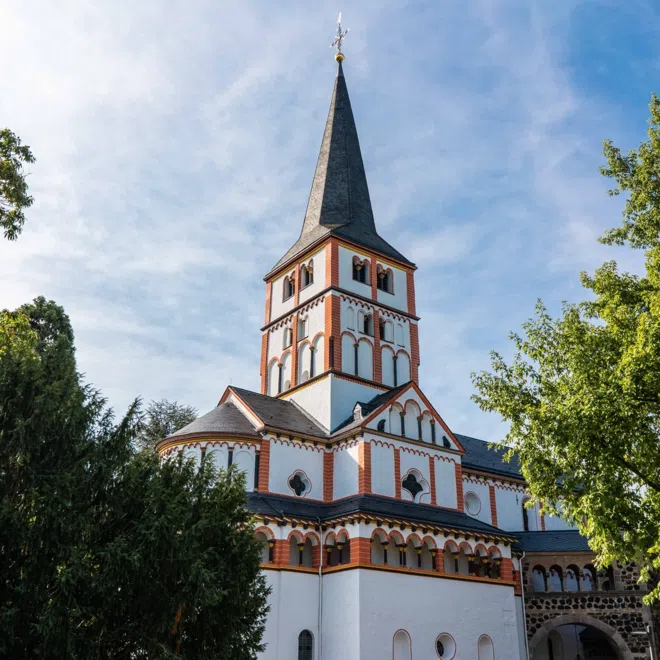
These adjoining historic villages make a quiet but distinctive excursion for Romanesque churches, old lanes, monastery history and Rhine-side walks. Best in spring through early autumn for combining the churches with walks along the Rhine and Sieg; church access can be limited outside services or tours.
Muffendorf
Muffendorf feels like a preserved Rhineland village inside Bonn, with medieval-looking lanes, half-timbered houses, wine taverns and small historic sights. Best from late spring through autumn for village walks and outdoor dining; autumn is especially atmospheric around local wine-focused events.
Eat & drink
Where to eat in Bonn
Real tables, by category — from seafood and grills to the budget classics locals actually queue for.
Seafood
While inland, Bonn's position on the Rhine and proximity to international supply lines ensures high-quality fish, often prepared with classic European techniques.
These are affiliate links. We may earn a commission when you book — at no extra cost to you. Tours are sold and operated by our partner, who is the merchant of record.
What it costs
Budgeting
Bonn is moderately priced compared to larger German cities, with plenty of budget options thanks to the large student population.
Travel style
Per day
Backpacker
€60-80
Mid-range
€120-180
Luxury
€250-400
Timing
When to visit
Late spring and early autumn offer the best balance of mild weather and cultural events, avoiding the quiet winter months and the humid mid-summer peak.
SpringApril brings the famous cherry blossom bloom to the Altstadt, transforming the streets into pink canopies. The city is lively, though popular streets get crowded with photographers.
SummerWarm days are perfect for beer gardens along the Rhine and outdoor concerts. The "Rhine in Flames" fireworks festival in May/July draws massive crowds to the riverbanks.
AutumnSeptember hosts the prestigious Beethovenfest, bringing classical music performances to venues across the city. Temperatures are cool but comfortable for walking.
WinterThe city center hosts traditional Christmas markets. While atmospheric, many outdoor attractions close early and daylight hours are short.
Cologne-Bonn Airport (CGN) is connected to Bonn Central Station via the SB60 express bus, which runs every 20 to 30 minutes and takes about 30 minutes. Alternatively, regional trains run from the airport station with a transfer.
Public transit
The Stadtwerke Bonn (SWB) operates an integrated network of light rail (U-Bahn), trams, and buses. It is highly reliable and covers the entire city and surrounding suburbs.
Passes & tickets
The BonnRegioCard offers unlimited travel on public transit within Bonn and nearby towns, plus free or discounted entry to major museums (approx. €20-€30 for 24 hours).
On foot
The historic center (Zentrum) is almost entirely pedestrianized and highly walkable. Most major sights, from the Beethoven-Haus to the Rhine promenade, are within easy walking distance of each other.
1
Always validate your paper transit ticket at the red machines on the platform or inside the tram before boarding.
2
Rent a bike from the DB Call-a-Bike system for flat, scenic rides along the Rhine promenade.
Travel smart
Safety & etiquette
Bonn is exceptionally safe, even late at night. Standard precautions apply around the central train station (Hauptbahnhof) after dark, where panhandling is common.
Local etiquette
Always place your coaster on top of your beer glass at a brauhaus when you are finished, or the waiter will keep bringing more.
Do not walk in the designated red bike lanes on sidewalks; cyclists ride fast and will ring their bells aggressively.
Cash is still preferred in many traditional taverns and smaller cafes; always carry some euros.
From the ground
Practical tips
1
Buy a RegioTicket if traveling to Königswinter or Cologne; it is much cheaper than buying individual return tickets.
2
Visit the Haus der Geschichte on a weekday morning to avoid the school groups that crowd the exhibits on weekday afternoons.
3
If visiting during the cherry blossom season, head to Heerstraße before 8:00 AM to take photos without the massive crowds.
4
Take the passenger ferry 'Rheinnixe' to cross between Bonn and Beuel for a cheap, scenic river crossing experience.
5
The botanical gardens at Poppelsdorf Palace are free on weekdays, making it an excellent budget-friendly escape.
Book direct
Book a hotel in Bonn
Loading live availability and real-time prices…
Good to know
Bonn FAQs
When do the cherry blossoms bloom?
The cherry blossoms in the Altstadt typically bloom for about two weeks between early and mid-April, though the exact timing depends on spring temperatures.
Is Bonn easy to visit without a car?
Yes, the city center is highly walkable, and the local tram and bus network (SWB) is incredibly efficient, making a car unnecessary.
Can I visit the former government buildings?
Yes, several historic sites like the Villa Hammerschmidt and the former Plenary Chamber can be visited through guided tours booked via the Haus der Geschichte.
What is the local beer to try?
Try Bönnsch, a cloudy, top-fermented beer native to Bonn, served in a distinctively curved glass at the Brauhaus Bönnsch.
Is Bonn English-friendly?
Extremely. Due to the presence of the United Nations, major international corporations, and the university, English is widely spoken across the city.