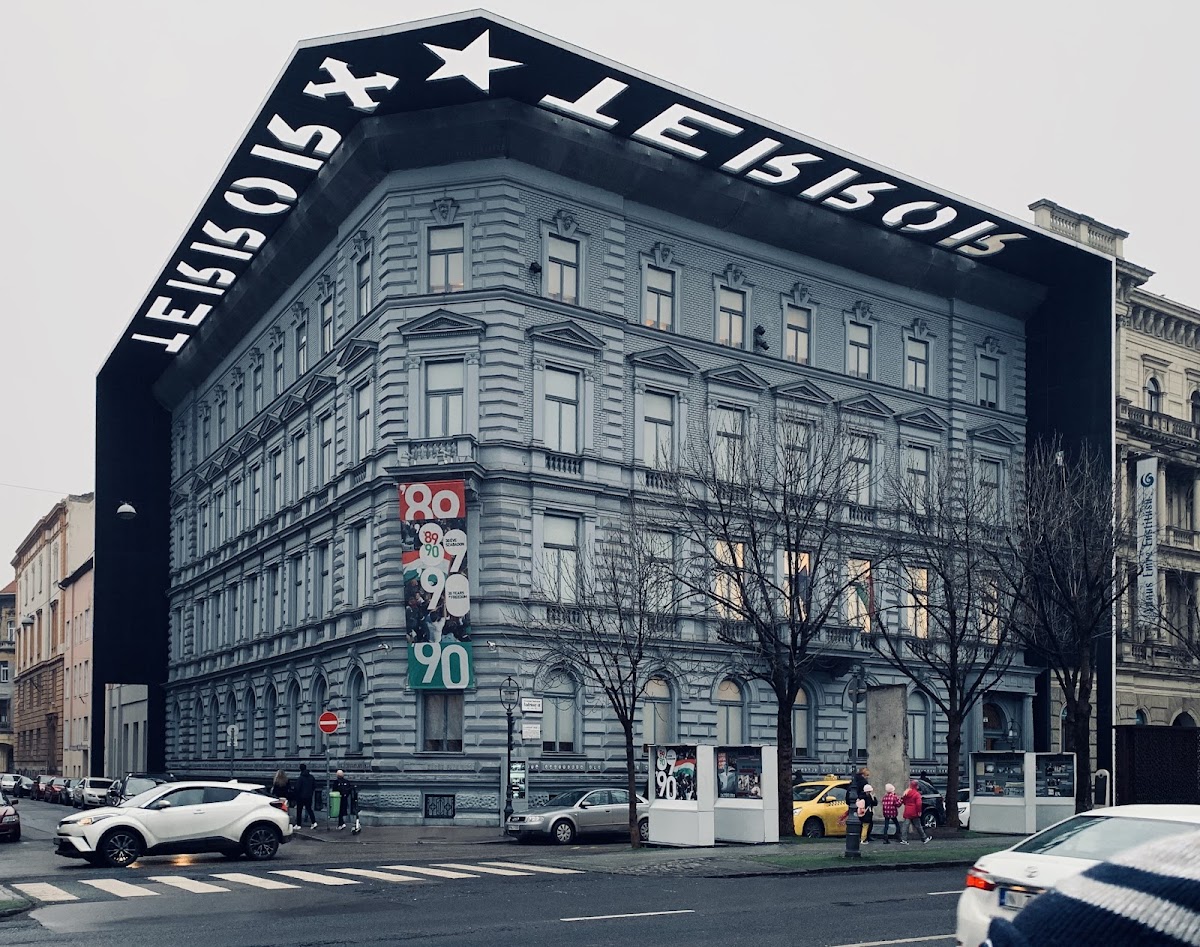
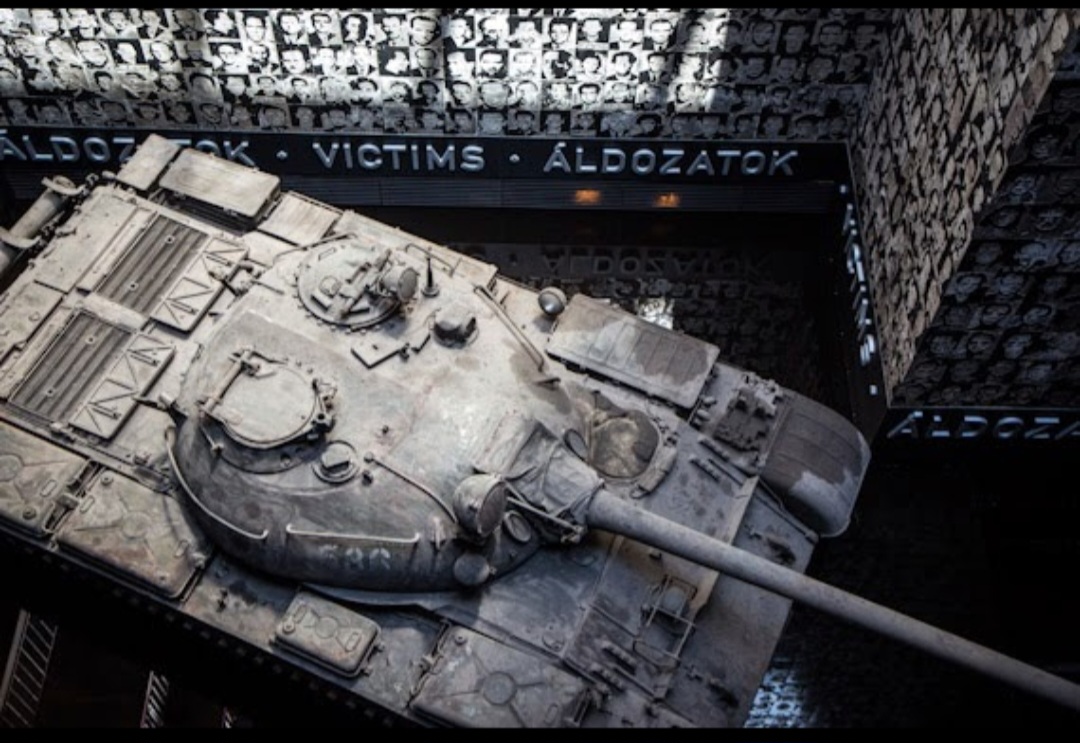
House of Terror
Housed in the former headquarters of both the Nazi and Soviet secret police, it documents the tragic history of Hungary's fascist and communist regimes.
€€; allow at least 2 hours; audioguide is highly recommended.
More in District VI
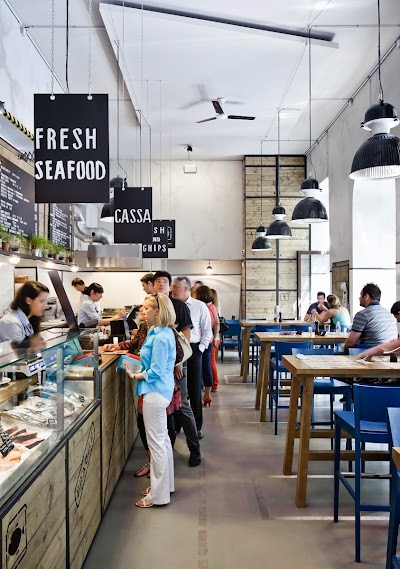
The Big Fish
A fish-market-style bistro where you select fresh seafood from an ice counter to be grilled or fried to order.
What to order: Grilled octopus with garlic and olive oil
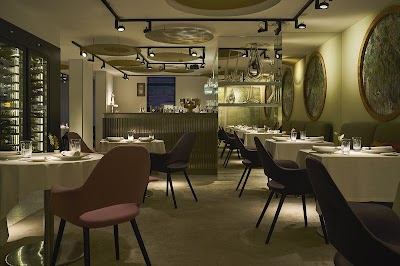
Stand
A sleek, glass-walled kitchen where chefs prepare highly refined, Michelin-starred interpretations of Hungarian heritage dishes.
What to order: Deconstructed Somlói Galuska dessert
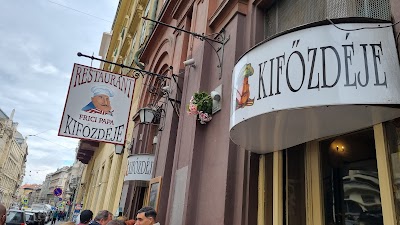
Frici Papa Kifőzdéje
A retro, no-frills canteen serving simple, home-style Hungarian dishes at exceptionally low prices.
What to order: Chicken paprikash with nokedli dumplings
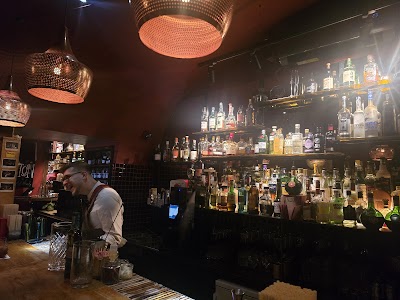
Boutiq' Bar
A pioneer of the city's modern cocktail movement, serving complex, bespoke drinks in a dim, red-lit speakeasy setting.
Tip: Intimate, professional, and focused on mixology.
Where it is
Reviews
This is a great museum to visit if you want to learn about Hungarian History from the 20th Century and it shows a look at Hungary's dark history from WW2 to the end of Communist Rule in the early 1990s. There is some hard hitting areas of the museum which might not be suitable to families with young children and the museum does not allow photos or filming inside the museum, except for the lobby and around the Tank. You can book in advance or on the day. You can take an audio guide around, but they have cards describing various exhibit areas in Hungarian, German and English.
A really interesting museum, there were informative sheets in most rooms in different languages so I didn't use the audio guide but others said the audio guide was worth it. Videos often had English subtitles too. Some graphic videos in the first room, which isn't surprising given the subject but not suitable for younger children. I think you could spend anything from 1-3 hours but 2 hours and more is better as you get to take more in. I came on a Sunday afternoon, the day after the champions league final and there were a few other English people there but it wasn't too busy. A special mention to the very beautiful women who works in the cafe, who as I was leaving had managed to find me a restaurant that served a particular dish I was looking for. I had mentioned it before I went in and she had been very kind to search for it, after a long walk my lunch was fantastic, so a big thank you!
The exhibition itself is awesome. It's vivid, intense, creative and full of material evidence of atrocities happened in the past. However, I didn't really like several things. First, almost nothing is translated to English. If you walk without the audio guide, be ready to miss 90% of what's written. Second, the info that is provided is pretty superficial. You get a leaflet at the entrance to each room in which you can read the essential info, but apart from that, it's pretty much just occasional politicians' quotes (only in Hungarian). Third, although it's impossible to deny the terror inflicted on the Hungarian nation, you can feel that the narrative in the museum is very emotional and prejudiced. This raises concerns about the objectivity of the presented facts. Nevertheless, we still enjoyed the exhibition. Definitely worth giving it a chance.
This is a very interesting point of view on the history of Hungary before and during WW2 but mostly after.. when the communism went over the nazism. It last longer and was much more terrifying from this point of view. Archives, photos, audios and the cave are very well preserved and give a thrilling view on those decades after WW2.
Reviews are from Google. See the listing on Google Maps.