A data-driven guide — where to stay, what to eat, and what not to miss.
Share
Guests & rooms
The Cartagena guide
An insider’s read on Cartagena
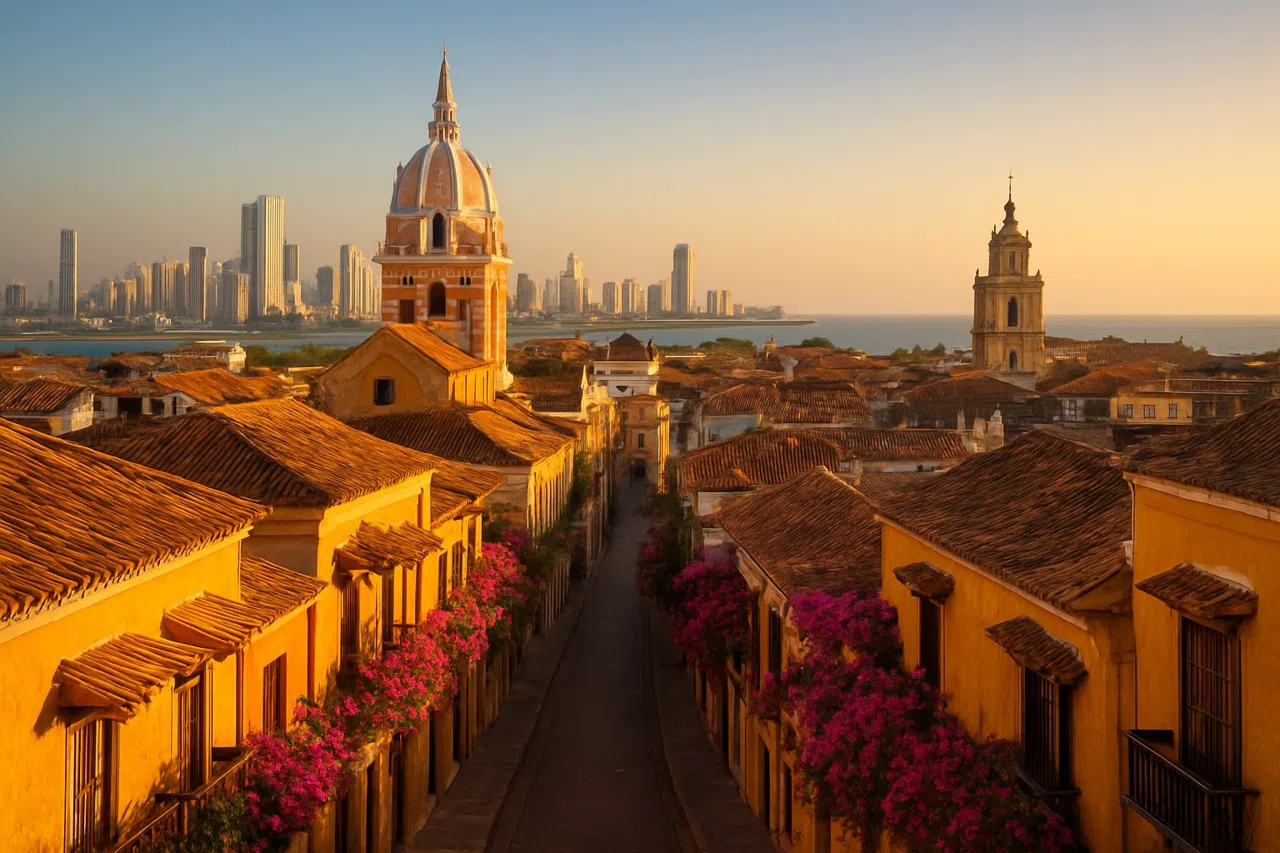
Modern high-rises line the peninsula of Bocagrande, casting long shadows over grey-sand beaches
The heat hits first. It is a thick, tropical humidity that carries the scent of saltwater, fried plantains, and exhaust. Inside the thick stone walls of the historic center, colonial mansions painted in ochre and bougainvillea-draped balconies crowd narrow streets. Here, the rhythm of life is dictated by the sun; mornings are for quiet exploration, afternoons are spent hiding in air-conditioned cafes, and nights belong to the streets, where salsa music spills from open doorways.
Just beyond the ramparts, the landscape shifts abruptly. Modern high-rises line the peninsula of Bocagrande, casting long shadows over grey-sand beaches, while the gritty, artistic neighborhood of Getsemaní hums with street art and late-night plazas. This is a place of sharp contrasts, where centuries-old fortifications stand alongside a fast-paced Caribbean energy that refuses to slow down.
Where to base yourself
The neighborhoods
Where you sleep shapes the trip. Here’s the honest orientation, area by area.
via Google
El Centro
For Those who want to be steps from the city's finest dining and architectural landmarks. The trade-off is intense crowds and relentless street vendors.
The historic, wealthy core of the walled city, filled with restored 16th-century mansions, upscale boutiques, and high-end restaurants.
Where to sleepHigh-end boutique hotels housed in converted colonial convents and mansions.
Torre del Reloj
Plaza de Bolívar
Santuario de San Pedro Claver
via Google
San Diego
For Travelers seeking historic charm without the intense foot traffic of El Centro. The trade-off is fewer nightlife options and premium accommodation prices.
The quieter, more artistic northern half of the walled city, home to the Beaux-Arts school and leafy plazas.
Where to sleepChic boutique hotels and upscale guesthouses.
Plaza de San Diego
Las Bóvedas artisan market
Sofitel Legend Santa Clara gardens
via Google
Getsemaní
For Creatives and nightlife lovers who want a more local, bohemian atmosphere. The trade-off is that it is noisy late into the night.
A historically working-class neighborhood that has evolved into a colorful hub of street art, local eateries, and nightlife.
Where to sleepTrendy hostels, design-focused mid-range hotels, and guesthouses.
Plaza de la Trinidad
Calle de la Sierpe street art
Calle de San Juan
via Google
Bocagrande
For Travelers who prefer modern amenities, swimming pools, and familiar hotel brands. The trade-off is a lack of historic character and aggressive beach vendors.
A peninsula dominated by white high-rise apartments, international hotel chains, and busy beaches.
Where to sleepLarge international chain hotels with bay or ocean views.
Plaza Bocagrande shopping center
Castillogrande beach path
Avenida San Martín
via Google
Manga
For Slow travelers and families looking for a peaceful, local neighborhood. The trade-off is a lack of tourist sights, requiring a short taxi ride to reach the walled city.
A quiet, residential island neighborhood characterized by grand early-20th-century republican mansions and a yacht marina.
Where to sleepLow-key guesthouses and long-term apartment rentals.
Manga Marina boardwalk
Callejón de los Besos
Republican-era architecture
via Google
La Boquilla
For Adventure seekers and cultural travelers looking to escape the tourist bubble. The trade-off is basic infrastructure and a location far from the center.
A traditional Afro-Colombian fishing village located northeast of the city center, bordered by extensive mangrove swamps.
Where to sleepBasic eco-lodges or beachfront apartments.
Mangrove canoe tours
Traditional drum workshops
Beachside seafood shacks
Pie de la Popa
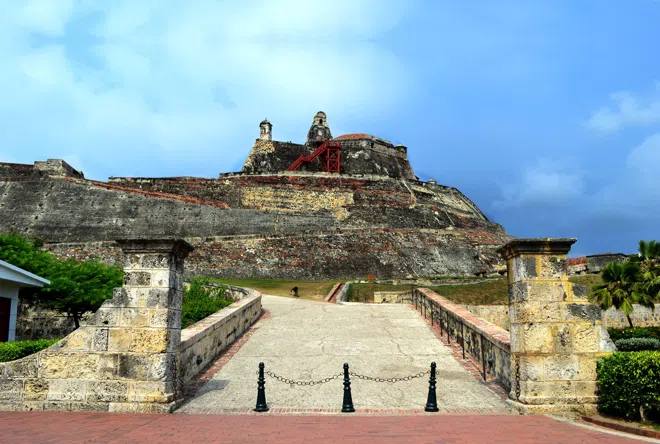
The hillside district is the natural base for Cartagena's two major fortification-and-viewpoint experiences: San Felipe and La Popa. Start early or go after 3 p.m. to avoid the strongest heat; the dry season offers the clearest panoramic views.
Castillogrande
A polished waterfront peninsula for a quieter beach day, bayfront walk and sunset drinks away from Bocagrande's busiest strip. Best for dry-season beach walks and sunsets, roughly December to April; evenings are breezier year-round.
El Cabrero
The seafront strip immediately north of the old city combines a broad beach, oceanfront walking and one of Cartagena's most atmospheric historic houses. Go late afternoon for cooler walking and sunset; the dry season generally brings the clearest skies.
Zona Norte
The newer northern resort corridor offers broad beaches, hotel restaurants, mangrove excursions and a more spacious alternative to the central city. December to April is the driest and most reliable period for beach and mangrove outings; book excursions ahead in high season.
El Laguito
A compact resort-like waterfront district centred on a lagoon, with beach time, watersports and relaxed sunset dining. Most pleasant from December to April; weekend afternoons are liveliest, while sunsets are attractive throughout the year.
San Francisco
A working-class neighbourhood known to visitors mainly for Mercado de Bazurto, where guided visits reveal Cartagena's everyday food culture and Caribbean commerce. Visit in the morning, when the market is most active; use a reputable guide and avoid wandering alone, particularly after dark.
Eat & drink
Where to eat in Cartagena
Real tables, by category — from seafood and grills to the budget classics locals actually queue for.
Seafood
Coastal cuisine relies heavily on fresh catch, coconut milk, and plantains, ranging from simple street-side ceviche to refined waterfront dining.
These are affiliate links. We may earn a commission when you book — at no extra cost to you. Tours are sold and operated by our partner, who is the merchant of record.
What it costs
Budgeting
Cartagena is significantly more expensive than the rest of Colombia, but smart planning can keep costs manageable.
Travel style
Per day
Backpacker
€40-60
Mid-range
€100-180
Luxury
€300+
Timing
When to visit
Cartagena is hot and humid year-round, but the year is divided into distinct wet and dry periods that dictate crowd sizes and prices.
Dry Season (December to April)Strong trade winds keep the evenings slightly cooler. This is peak tourist season, bringing the highest prices and largest crowds, especially around New Year and Easter.
Shoulder Season (May to August)Temperatures rise and afternoon showers become common. Crowds thin out, making it easier to secure restaurant reservations, though the humidity can be intense.
Rainy Season (September to November)The wettest months of the year, often featuring heavy downpours that can cause temporary street flooding. Prices are at their lowest, and the city is exceptionally quiet.
Rafael Núñez International Airport (CTG) is located just north of the city. Taxis are the most reliable option; use the official taxi stand outside the terminal to get a pre-printed rate ticket based on your destination before boarding.
Public transit
The Transcaribe bus rapid transit system operates dedicated lanes but is rarely useful for visitors staying within the historic areas. Local 'colectivo' buses are chaotic and difficult to navigate without fluent Spanish.
Passes & tickets
There are no unified transit or tourist passes worth purchasing; cash is the primary method of payment for transport.
On foot
The historic walled city (El Centro and San Diego) and Getsemaní are highly walkable, with flat streets and short distances. Outside these zones, the heat and lack of pedestrian infrastructure make walking impractical.
1
Always agree on a taxi fare before getting into the vehicle, as taxis do not have meters.
2
Keep small denominations of Colombian Pesos on hand, as taxi drivers rarely have change for large bills.
3
Avoid walking across the bridges connecting Getsemaní to Manga or Bocagrande late at night; take a taxi instead.
Travel smart
Safety & etiquette
Cartagena is generally safe in tourist areas like the Walled City, Getsemaní, and Bocagrande, but petty theft and phone snatching are common. Follow the local saying: 'No dar papaya' (don't give papaya/don't present an easy target). Avoid walking alone at night in poorly lit streets of Getsemaní or near the city walls. Use registered taxis or ride-hailing apps rather than hailing cabs on the street late at night.
Local etiquette
Street vendors, including the famous fruit-bearing Palenqueras, expect payment if you take their photo; agree on a small tip beforehand.
Haggling is expected with street vendors and taxi drivers, but keep it polite.
Tips (servicio) of 10% are usually added voluntarily to restaurant bills; check the receipt to see if it is already included.
From the ground
Practical tips
1
Always carry cash (Colombian Pesos) in small denominations; street vendors and taxis rarely accept cards.
2
Download Cabify or InDrive to book rides with pre-determined prices, avoiding taxi fare negotiations.
3
Visit Castillo de San Felipe at 8:00 AM sharp when it opens to avoid the brutal midday heat and cruise ship crowds.
4
If a street vendor offers you a 'free' sample of fruit or a massage on the beach, decline firmly; it is never free.
5
Book popular restaurants like Celele or Alquímico weeks in advance, as they fill up quickly with international travelers.
6
Watch out for uneven cobblestones and loose tiles on the sidewalks inside the walled city to avoid tripping.
Book direct
Book a hotel in Cartagena
Loading live availability and real-time prices…
Good to know
Cartagena FAQs
Is the tap water safe to drink in Cartagena?
No, it is highly recommended to stick to bottled or filtered water to avoid stomach issues.
Do I need to speak Spanish to get by?
While hotel staff and high-end restaurant workers speak English, basic Spanish is incredibly helpful for taxis and street vendors.
How do I get to the Rosario Islands?
You must book a speedboat or yacht charter departing from the main port, Muelle de la Bodeguita, early in the morning.
Is Cartagena expensive compared to the rest of Colombia?
Yes, Cartagena is significantly more expensive than cities like Medellín or Bogotá, especially inside the walled city.
What should I wear to fit in?
Lightweight, breathable fabrics like linen are essential for the tropical heat; upscale venues expect smart-casual attire in the evening.