A data-driven guide — where to stay, what to eat, and what not to miss.
Guests & rooms
The Chicago guide
An insider’s read on Chicago
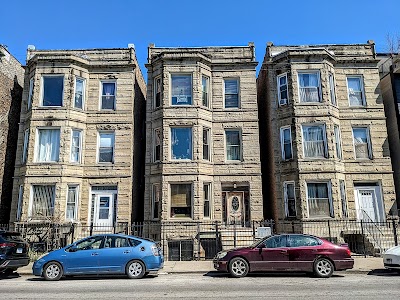
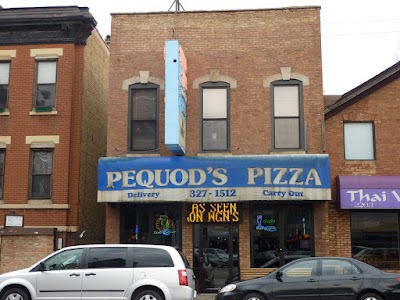
This is where Chicago's true character resides: in the low-rise brick two-flats, the corner taverns serving bitter local spirits
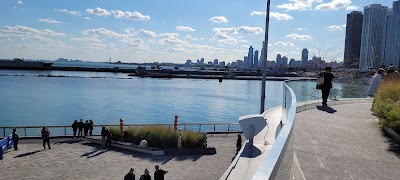
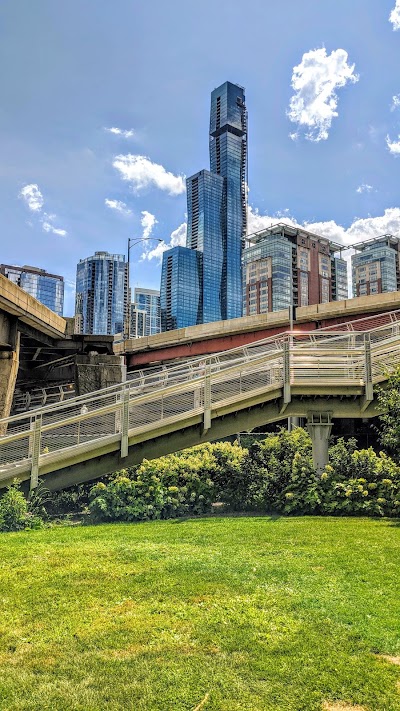
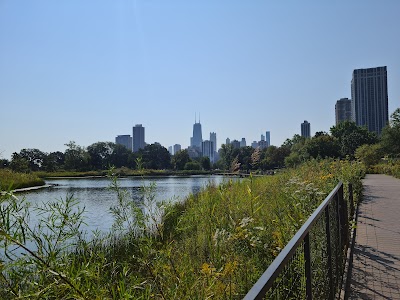
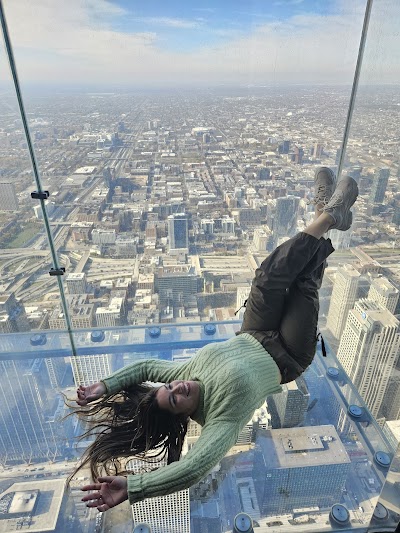
Chicago rises abruptly from the flat Midwestern plains, a colossal monument of steel, stone, and glass framing the deep blue of Lake Michigan. It is a city of immense physical scale, where elevated trains rattle above historic streets and some of the world's most ambitious architecture casts long shadows over a manicured lakefront. Built on raw industrial ambition and rebuilt in brick and iron after the devastating fire of 1871, it remains a place defined by its work ethic and structural audacity.
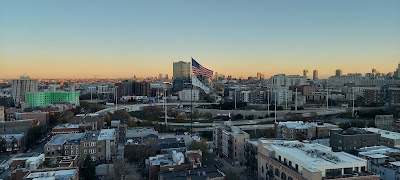
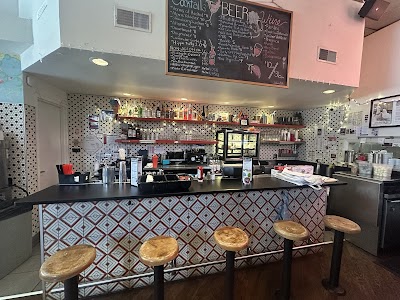
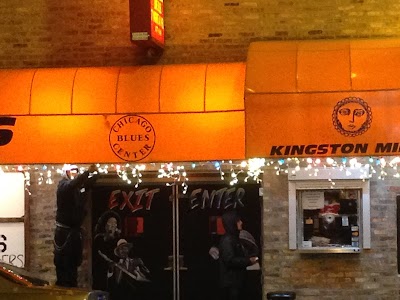
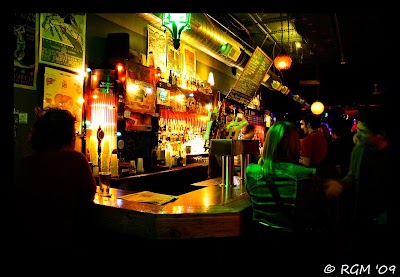
Beyond the polished skyscrapers of the Loop lies a sprawling patchwork of distinct neighborhoods, each operating like a self-contained city. This is where Chicago's true character resides: in the low-rise brick two-flats, the corner taverns serving bitter local spirits, and the legacy jazz clubs of the South Side. It is a city that doesn't put on airs, offering a grounded, unpretentious warmth that stands in sharp contrast to its icy winter winds.
The culinary and cultural landscape is equally formidable. Chicago has evolved far beyond its working-class steak-and-potatoes reputation, pioneering modernist fine dining and preserving historic theater and blues institutions. It is a city that demands exploration on foot, by train, and by boat, rewarding those who look past the downtown core to discover its diverse neighborhood enclaves.
Where to base yourself
The neighborhoods
Where you sleep shapes the trip. Here’s the honest orientation, area by area.
via Google
The Loop
For First-time visitors who want to be steps from major cultural institutions. The trade-off is that the area becomes quiet and lacks local character after office hours.
The historic business district, defined by towering skyscrapers, canyon-like streets, and the elevated train tracks that encircle it.
Where to sleepGrand historic hotels and high-end business properties.
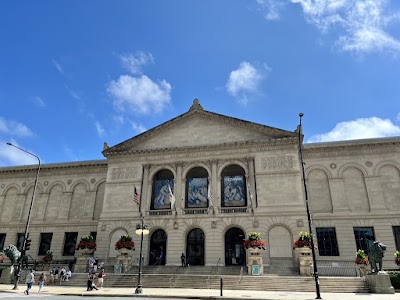
The Art Institute of Chicago
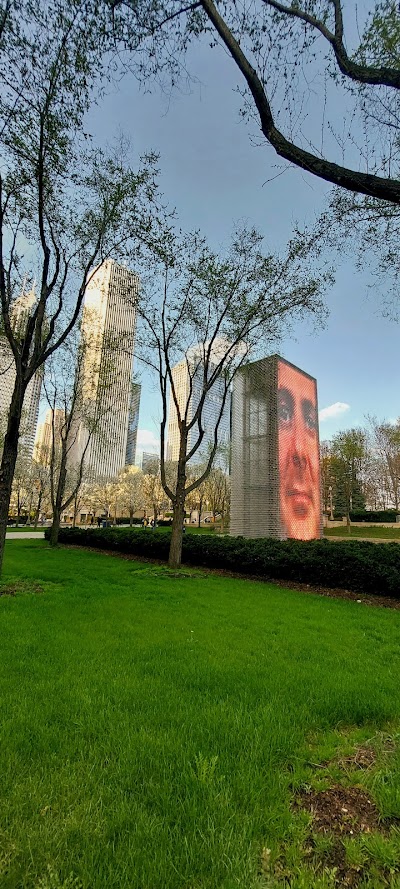
Millennium Park and the Cloud Gate sculpture
The historic theater district
via Google
River North
For Diners and nightlife seekers who want to be in the center of the action. The trade-off is high prices, heavy traffic, and a commercialized atmosphere.
A sleek, high-density neighborhood packed with art galleries, upscale restaurants, and high-rise residential towers.
Where to sleepTrendy boutique hotels and luxury high-rises.
The Richard H. Driehaus Museum
The Marina City towers
The gallery district along Superior Street
via Google
West Loop & Fulton Market
For Serious food lovers and design enthusiasts. The trade-off is a lack of green space and a rapidly gentrifying, expensive environment.
A former meatpacking and industrial district transformed into the city's premier culinary and design hub.
Where to sleepIndustrial-chic boutique hotels.
Randolph Street's Restaurant Row
Fulton Market's historic warehouses
High-concept fashion boutiques
via Google
Wicker Park & Bucktown
For Creatives, shoppers, and fans of indie music. The trade-off is that parking is nearly impossible and some areas feel overly commercialized.
An artistic, bohemian enclave known for vintage clothing stores, indie coffee shops, and historic stone-front homes.
Where to sleepNeighborhood guesthouses and boutique properties.
The Flatiron Arts Building
The 606 elevated multi-use trail
Damen Avenue shopping corridor
via Google
Lincoln Park
For Families and those seeking a quieter, scenic stay. The trade-off is that it is far from the Blue Line train, requiring bus or Red Line transit.
An affluent, historic neighborhood with quiet, tree-lined streets, Victorian row houses, and immediate lakefront access.
Where to sleepQuiet bed-and-breakfasts and residential boutique hotels.
The free Lincoln Park Zoo
The Alfred Caldwell Lily Pool
The Peggy Notebaert Nature Museum
via Google
Logan Square
For Budget-conscious travelers, cocktail enthusiasts, and coffee purists. The trade-off is a longer commute to downtown attractions.
A progressive neighborhood defined by historic parkways, stately graystone homes, craft cocktail bars, and indie venues.
Where to sleepLocal apartment rentals and small guesthouses.
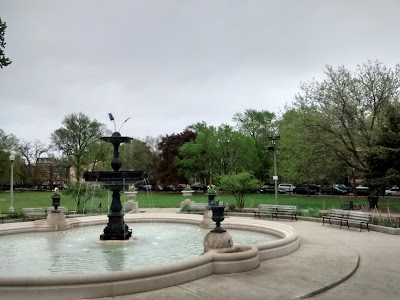
The Illinois Centennial Monument
Logan Boulevard's historic mansions
The Sunday Farmers Market
via Google
Pilsen
For Art lovers and fans of authentic Mexican cuisine. The trade-off is a lack of traditional hotel options.
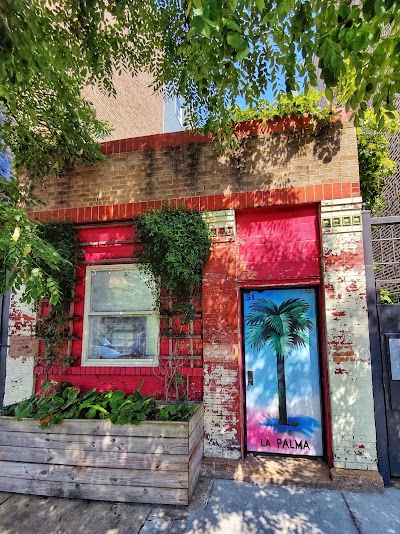
The vibrant heart of Chicago's Mexican-American community, rich with colorful street murals, independent galleries, and traditional bakeries.
Where to sleepLocal homestays and apartment rentals.
The National Museum of Mexican Art
The murals along the 16th Street rail embankment
Thalia Hall music venue
via Google
Hyde Park
For History buffs, book lovers, and architecture admirers. The trade-off is that it is far south, requiring a Metra train or bus to reach the North Side.
An intellectual, historic neighborhood dominated by the Gothic campus of the University of Chicago and leafy residential streets.
Where to sleepAcademic-focused boutique hotels.
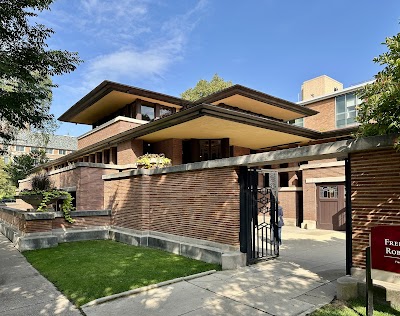
Frank Lloyd Wright's Robie House
The Museum of Science and Industry
Promontory Point park
via Google
Gold Coast
For Luxury travelers and architecture enthusiasts. The trade-off is a formal, less diverse neighborhood vibe.
An ultra-wealthy historic district featuring Gilded Age mansions, quiet tree-shaded streets, and high-end designer boutiques.
Where to sleepHistoric luxury hotels.
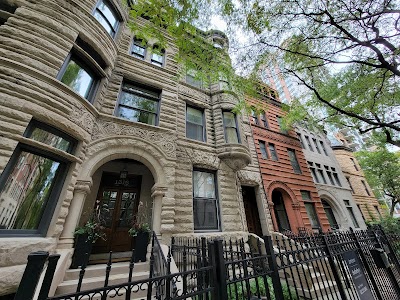
The Astor Street Historic District
Oak Street Beach
The Charnley-Persky House
Eat & drink
Where to eat in Chicago
Real tables, by category — from seafood and grills to the budget classics locals actually queue for.
Seafood
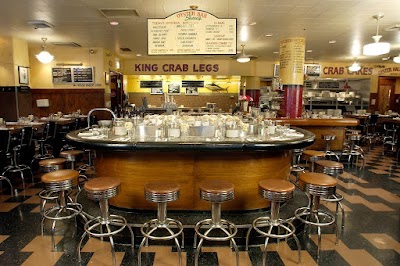
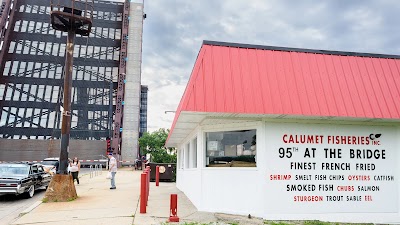
Despite its inland location, Chicago's status as a major aviation hub ensures exceptionally fresh daily shipments, alongside historic Great Lakes freshwater traditions.
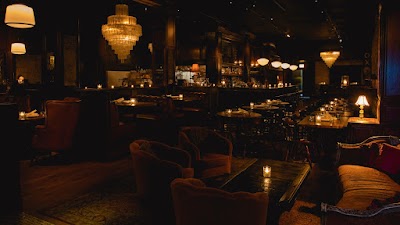
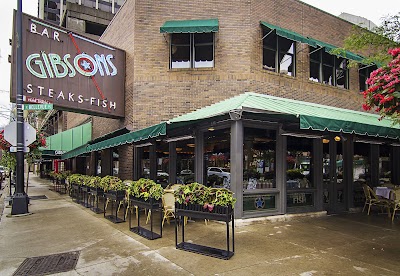
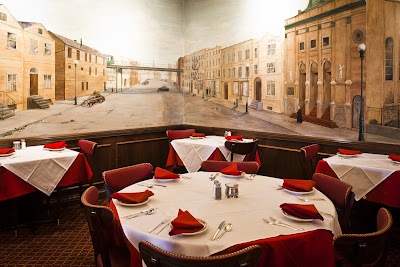
Rooted in its history as the nation's historic meatpacking capital, Chicago's steakhouse scene blends wood-paneled institutions with moody, modern dining rooms.
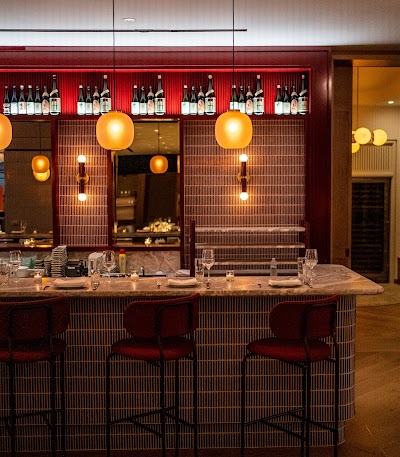
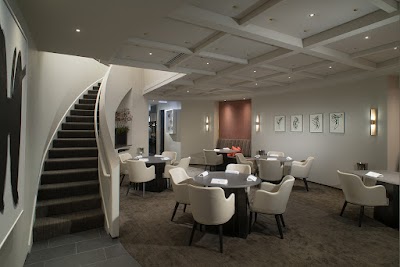
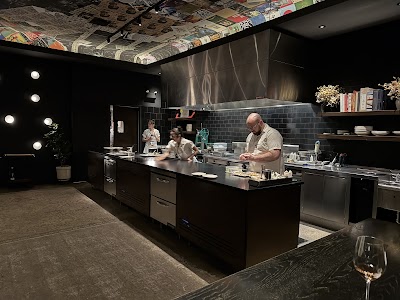
The city's elite dining scene is highly experimental, led by visionary chefs who reject stuffy European traditions in favor of theatrical, conceptual experiences.
These are affiliate links. We may earn a commission when you book — at no extra cost to you. Tours are sold and operated by our partner, who is the merchant of record.
What it costs
Budgeting
Chicago is more affordable than coastal metropolitan hubs, though high-end dining and luxury lodging can still accumulate costs quickly. Public transit is highly economical.
Travel style
Per day
Backpacker
€60-90
Mid-range
€160-250
Luxury
€450+
Timing
When to visit
Summer is the undisputed peak for energy and outdoor life, though autumn offers the most comfortable walking weather and fewer crowds. Winter is harsh and only suited for indoor cultural pursuits.
SpringApril to May brings highly unpredictable weather, ranging from late snowstorms to warm afternoons. Tulip displays line Michigan Avenue, and museum crowds are thin.
SummerJune to August is when the city comes alive. Street festivals take over neighborhoods every weekend, the lakefront beaches open, and hotel rates peak.
AutumnSeptember to October is the sweet spot. The air is crisp, fall foliage fills the parks, and the summer crowds have departed.
WinterNovember to March is brutally cold with heavy snowfall and biting winds off the lake. However, hotel prices drop significantly and indoor attractions are empty.
From O'Hare (ORD), take the CTA Blue Line train directly to the Loop (approx. 45 minutes). From Midway (MDW), take the CTA Orange Line (approx. 30 minutes). Both options cost under €5 and bypass highway traffic.
Public transit
The Chicago Transit Authority (CTA) operates the 'L' train system and an extensive bus network. It is highly efficient, safe, and covers almost all areas of interest to travelers.
Passes & tickets
A 1-day or 3-day CTA transit pass offers unlimited rides on all trains and buses and is highly economical (€ band). Purchase via the Ventra app or at station kiosks.
On foot
The Loop, River North, and the lakefront are exceptionally walkable. However, the city is geographically massive; traveling between distant neighborhoods requires transit or rideshares.
1
Download the Ventra app to pay fares instantly using your phone.
2
Buses are often faster than trains for north-south travel along the lakefront.
3
Avoid driving; parking in the downtown core is scarce and extremely expensive.
Travel smart
Safety & etiquette
While Chicago faces challenges with crime, it is largely concentrated in specific neighborhoods on the South and West Sides away from tourist areas. Stick to well-lit, populated streets at night. The Loop can feel empty after business hours; remain aware of your surroundings.
Local etiquette
Never ask for ketchup on a hot dog; it is considered a major culinary faux pas.
Stand on the right and walk on the left of escalators in transit stations.
Tipping of 18-20% is standard and expected at all sit-down restaurants and bars.
From the ground
Practical tips
1
Avoid Navy Pier unless traveling with small children; it is a commercialized tourist trap lacking authentic local character.
2
Buy museum tickets online in advance to skip the massive ticket lines, especially at the Art Institute and Shedd Aquarium.
3
Take the water taxi instead of a standard tour boat for a cheap, scenic transit option along the Chicago River.
4
If visiting in winter, invest in a knee-length down coat and boots with good traction; the wind tunnels between skyscrapers are brutal.
5
Check the baseball schedule before booking; game days drastically increase transit crowds and hotel prices in Wrigleyville.
6
Download the Ventra app before arriving to easily pay for trains and buses with your phone.
Book direct
Book a hotel in Chicago
Loading live availability and real-time prices…
Good to know
Chicago FAQs
Is deep-dish pizza really what locals eat?
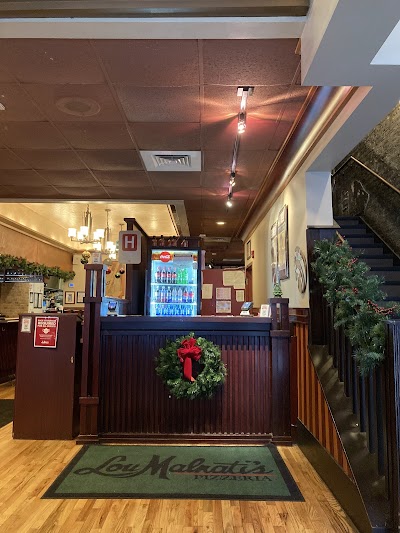
No, locals actually eat thin-crust tavern-style pizza cut into squares for their regular meals, saving deep-dish for special occasions or when hosting visitors.
Why is it called the Windy City?
While the wind off Lake Michigan is real, the nickname actually originated from 19th-century journalists mocking the city's long-winded politicians.
Can you swim in Lake Michigan?
Yes, during the summer months (mid-June to September), the water is warm enough and there are dozens of free public beaches along the lakefront.
Which airport is better to fly into?
O'Hare is larger with more international flights, while Midway is smaller, closer to downtown, and much easier to navigate.
Do I need to rent a car?
No, parking is incredibly expensive and the CTA train and bus network can easily get you to every major attraction and neighborhood.