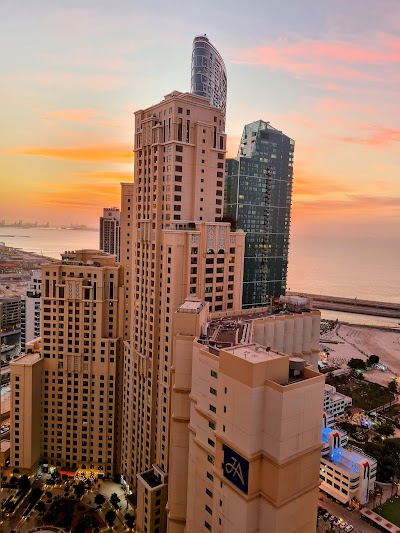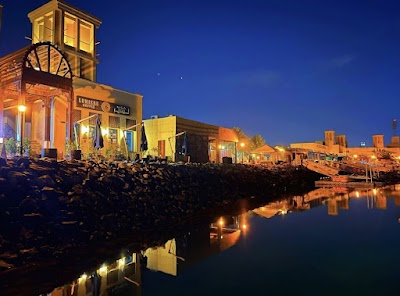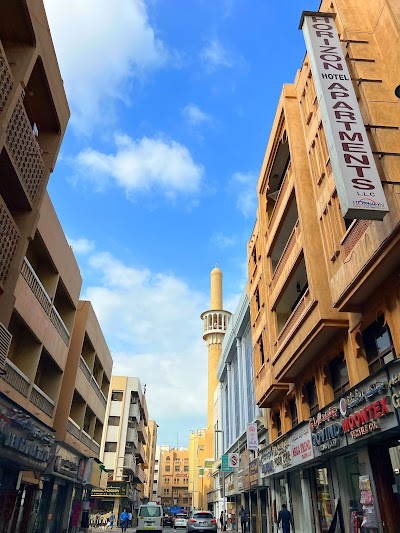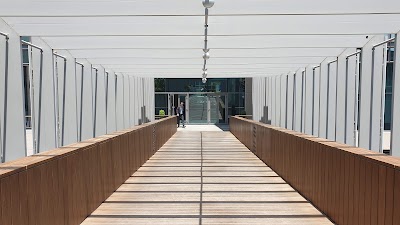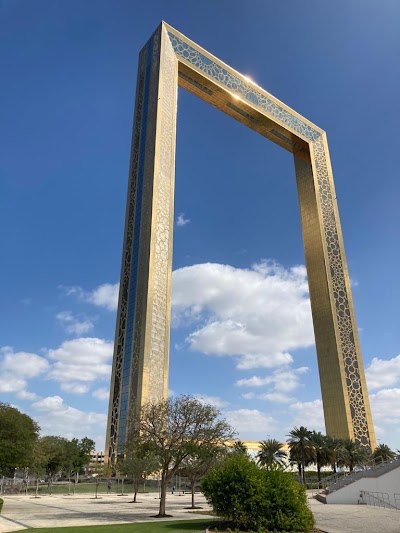
Dubai at golden hour

Dubai

A locally-written guide — where to stay, what to eat, and what not to miss.

The Dubai guide

An insider’s read on Dubai

this vertical metropolis of steel and glass runs parallel to the turquoise waters of the Arabian Gulf.

Dubai is a city engineered to defy its geography. Rising abruptly from the flat sands of the Arabian Desert, this vertical metropolis of steel and glass runs parallel to the turquoise waters of the Arabian Gulf. It is a place defined by scale, speed, and a transient global population that has turned a small trading port into a hyper-connected financial and tourism hub. Here, life is lived primarily indoors within climate-controlled megastructures that house everything from ski slopes to sprawling souks.

Where to base yourself

The neighborhoods

Where you sleep shapes the trip. Here’s the honest orientation, area by area.

Downtown Dubai
via Google

Downtown Dubai

For First-time visitors who want to be near major sights. The trade-off is heavy traffic and high commercialization.

High-rise, polished, and dominated by architectural landmarks and high-end retail.

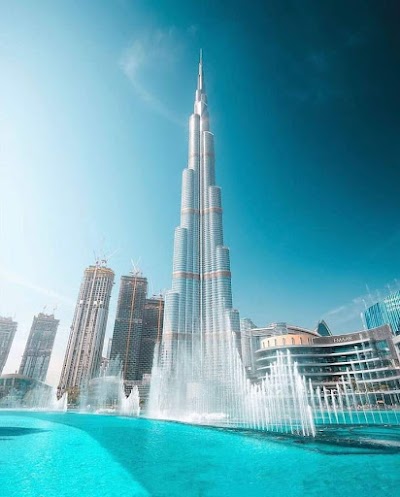
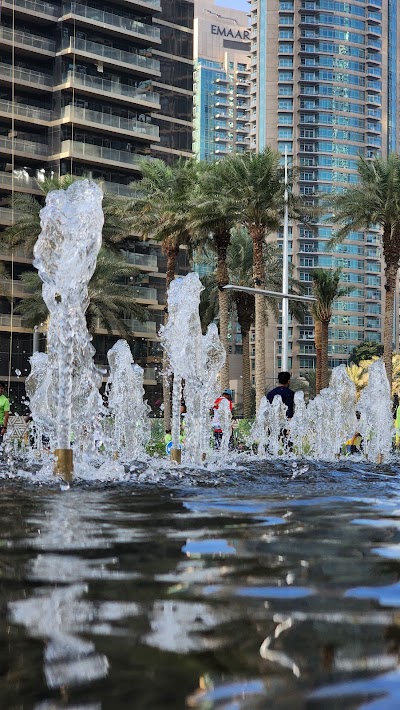
Where to stayLuxury high-rise hotels or serviced apartments overlooking the fountains.

  • Burj Khalifa observation decks
  • The Dubai Fountain evening light shows
  • Dubai Mall retail and aquarium
Dubai Marina & JBR
via Google

Dubai Marina & JBR

For Beach lovers and nightlife seekers. The trade-off is constant traffic gridlock and a highly touristy atmosphere.

A high-density waterfront district with a beachside promenade and yacht-filled canals.

Where to stayHigh-rise resort hotels or modern holiday apartments.

  • The Beach at JBR outdoor promenade
  • Marina Walk waterfront dining
  • Bluewaters Island pedestrian bridge
Jumeirah & Umm Suqeim
via Google

Jumeirah & Umm Suqeim

For Families and travelers seeking a quieter, residential coastal stay. The trade-off is a lack of metro access.

Low-rise, affluent coastal suburbs with sandy beaches and independent cafes.

Where to stayBoutique villas or luxury beachfront resorts.

  • Kite Beach for water sports
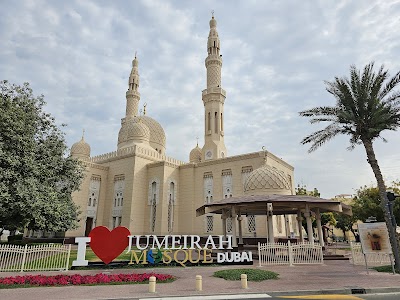
  • Jumeirah Mosque cultural tours
  • Souk Madinat Jumeirah waterways
Al Fahidi & Deira
via Google

Al Fahidi & Deira

For History enthusiasts and budget travelers. The trade-off is that it is far from the modern beaches and can be chaotic.

Historic, bustling, and traditional, centered around the historic Dubai Creek.

Where to stayHeritage guesthouses or budget-friendly business hotels.

  • Al Fahidi Historical Neighbourhood wind-tower architecture
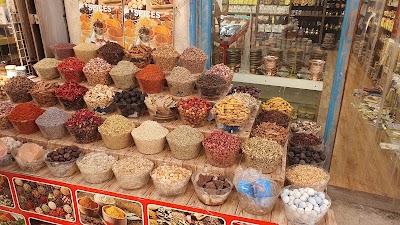
  • Gold and Spice Souks
  • Traditional Abra boat crossing
DIFC (Dubai International Financial Centre)
via Google

DIFC (Dubai International Financial Centre)

For Business travelers and dedicated food enthusiasts. The trade-off is that it becomes very quiet on weekends.

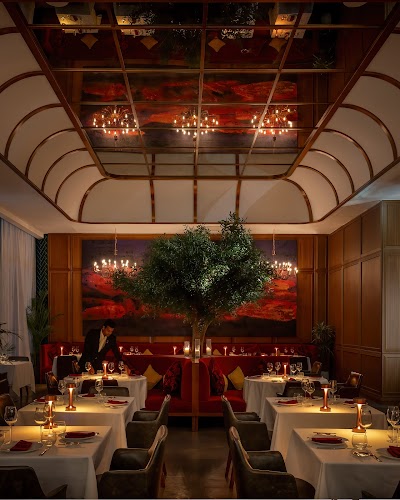
Sleek, corporate, and sophisticated, serving as the culinary and art hub for the city's elite.

Where to stayHigh-end business and luxury design hotels.

  • Gate Village contemporary art galleries
  • Award-winning fine dining restaurants
  • Sleek architectural plazas
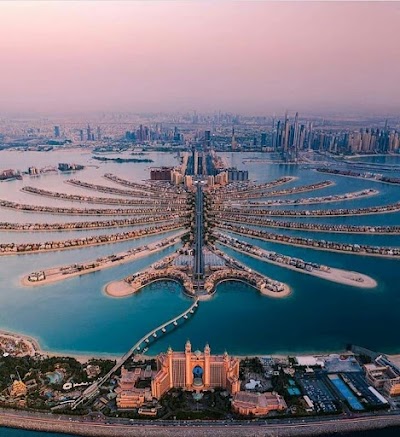
Palm Jumeirah
via Google

Palm Jumeirah

For Resort vacationers wanting exclusive beach access. The trade-off is isolation from the mainland and traffic on the trunk road.

A man-made, palm-shaped archipelago lined with mega-resorts and private villas.

Where to stayFive-star luxury mega-resorts with private beach clubs.

  • Aquaventure Waterpark
  • The View at The Palm observation deck
  • Club Vista Mare beachside dining strip

Eat & drink

Where to eat in Dubai

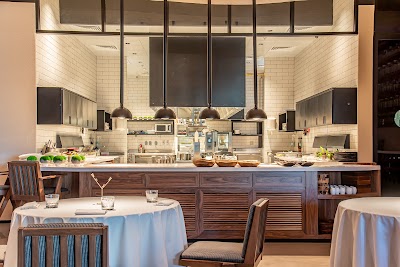
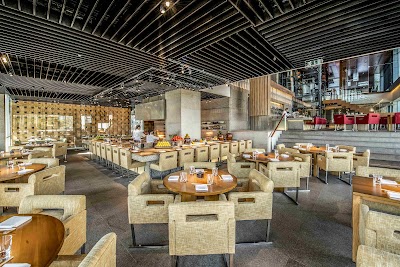
Real tables, by category — from seafood and grills to the budget classics locals actually queue for.

Budget eats

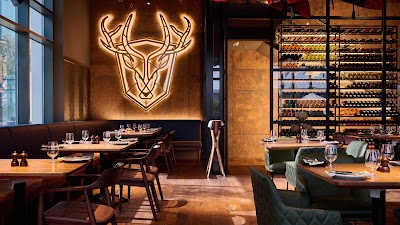
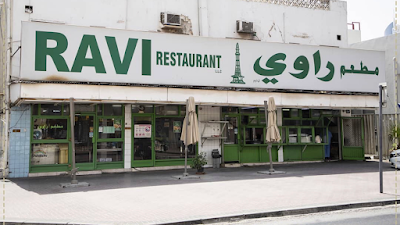
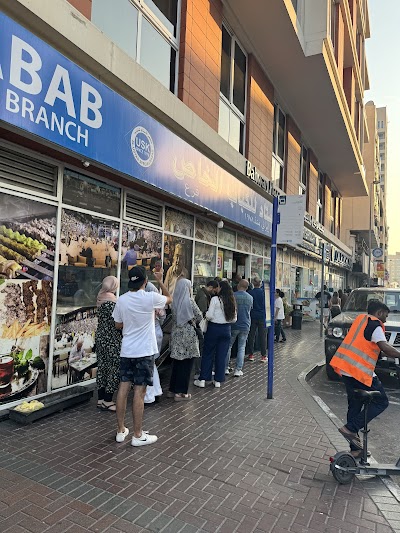
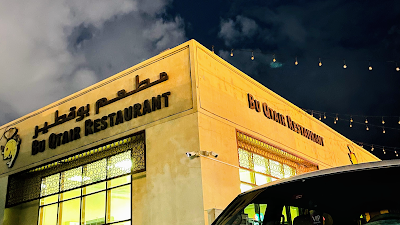
Away from the resort hotels, the older neighborhoods of Satwa, Karama, and Deira offer incredible value and authentic global flavors.

After dark

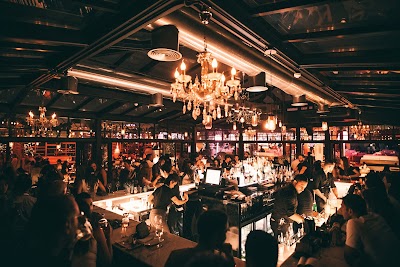
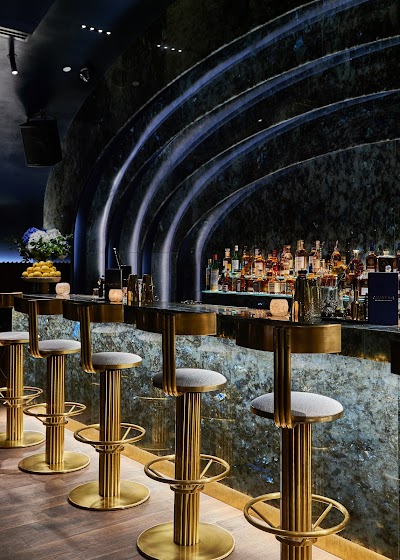
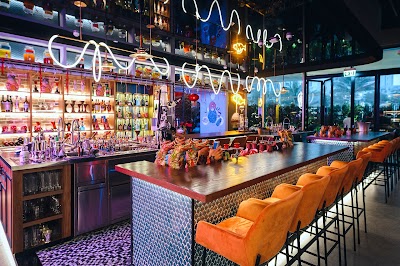
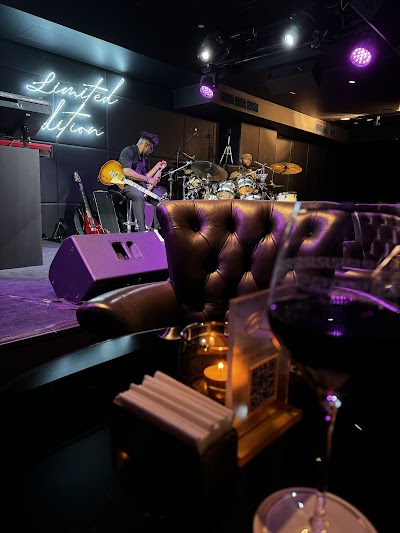
Nightlife

Where the night goes — clubs, rooftop cocktails and the rooms with the best live music.

See & do

Culture

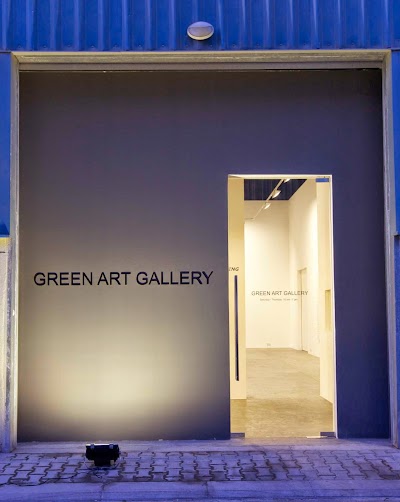
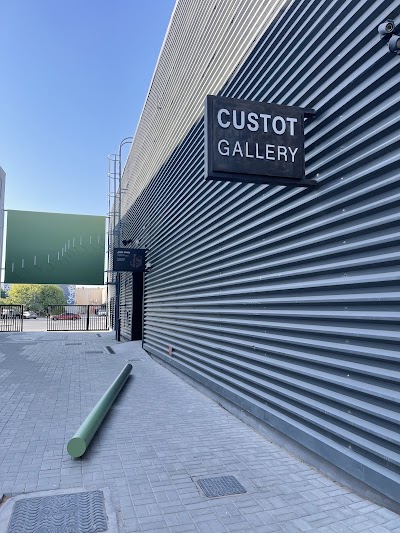
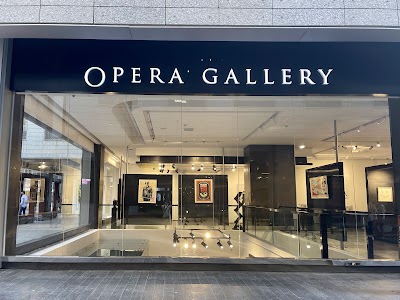
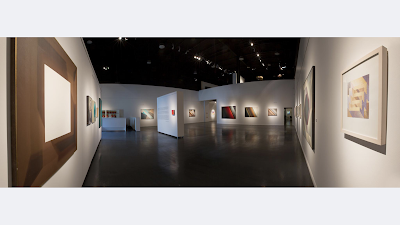
Museums, landmarks and galleries worth structuring a day around.

Don’t-miss

Signature experiences

Desert Safari

Desert Safari

Lahbab DesertHalf day

Escape the concrete and experience the quiet majesty of the red sand dunes, featuring dune bashing and traditional camp dining.

via Google
Abra Crossing on Dubai Creek

Abra Crossing on Dubai Creek

Dubai Creek1 hour

Ride a traditional wooden boat across the historic waterway for pocket change, connecting Deira and Bur Dubai.

via Google
Deep Dive Dubai

Deep Dive Dubai

Nad Al Sheba3 hours

Dive into the world's deepest pool, featuring a sunken city theme and advanced safety technology.

via Google

Beyond the city

Day trips

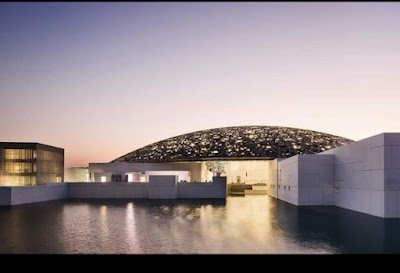
Abu Dhabi (Louvre & Sheikh Zayed Grand Mosque)

Abu Dhabi (Louvre & Sheikh Zayed Grand Mosque)

Visit the UAE capital to see the stunning architecture of the Grand Mosque and the world-class Louvre Abu Dhabi.

Getting there1.5-hour drive south or public bus from Al Ghubaiba station.

via Google
Hatta

Hatta

Explore the rugged Hajar Mountains, go kayaking on the turquoise Hatta Dam, and hike the trails.

Getting there1.5-hour drive east toward the Oman border.

Al Ain

Al Ain

Visit the UNESCO World Heritage oasis, historic mud-brick forts, and the traditional camel market.

Getting there1.5-hour drive south-east.

What it costs

Budgeting

Dubai can be incredibly expensive, but smart travelers can leverage cheap public transit and budget dining in older neighborhoods.

Travel stylePer day
Backpacker€50-80
Mid-range€150-250
Luxury€600+

Timing

When to visit

The winter months offer comfortable outdoor temperatures, while the summer brings extreme heat that forces all activity indoors.

WinterFrom November to March, temperatures range from 20°C to 30°C, making it the peak season for beaches, outdoor dining, and desert excursions. Expect high hotel rates and crowded attractions.
Spring and AutumnApril and October are transitional months. Temperatures rise rapidly toward 38°C, but hotel prices drop and the sea remains warm enough for swimming.
SummerFrom May to September, temperatures regularly exceed 40°C with intense humidity. Outdoor sightseeing is impossible, but luxury resorts offer deep discounts and indoor attractions are fully air-conditioned.

Logistics

Getting around

Orientation map of Dubai
Map data © Google

From the airport

Dubai International Airport (DXB) is connected directly to the city via the Dubai Metro Red Line, which runs from Terminals 1 and 3. Taxis are abundant, metered, and regulated, offering a direct route to downtown hotels.

Public transit

The Dubai Metro is a fully automated, driverless rail system running the length of Sheikh Zayed Road. It is supplemented by the Dubai Tram in the Marina area and a network of feeder buses.

Passes & tickets

The Nol Card is the unified transit card used for metro, tram, and bus journeys. The Gold Nol Card grants access to the premium, less crowded Gold Class carriages (€€).

On foot

Very low. The city is bisected by multi-lane highways and designed primarily for vehicles. Neighborhoods are self-contained pockets; walking between them is rarely feasible.

  • 1
    Download the Careem app to book official city taxis at standard metered rates.
  • 2
    Avoid the metro during peak commuter hours of 07:00-09:00 and 17:00-19:00 due to severe crowding.
  • 3
    Always ensure your Nol card has a minimum balance of 7.50 AED before boarding.

Travel smart

Safety & etiquette

Dubai is extremely safe with very low violent crime rates due to strict laws and extensive surveillance. Standard precautions apply.

Local etiquette

  • Dress modestly in public areas like malls and souks, keeping shoulders and knees covered.
  • Avoid public displays of affection, which can lead to fines or arrest.
  • Do not take photos of people, especially local women, without explicit permission.
  • There is zero tolerance for drinking in public or driving under the influence of alcohol.

From the ground

Practical tips

  • 1
    Download the Careem app to book official RTA taxis at standard rates instead of hailing premium private cars.
  • 2
    Buy a Nol card at the metro station immediately upon arrival; you cannot pay cash on buses or trains.
  • 3
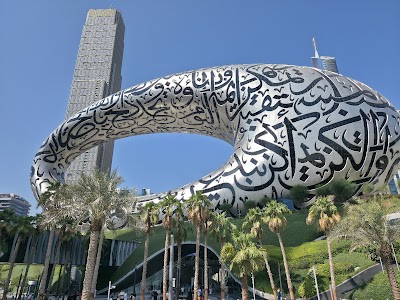
    Book major attractions like the Burj Khalifa or Museum of the Future weeks in advance to secure preferred times.
  • 4
    Avoid visiting during the peak summer months of June to August if you want to spend any time outdoors.
  • 5
    Tipping is not mandatory, but 10-15% is customary in restaurants for good service.
  • 6
    Use the ladies-only carriages on the metro if you are a solo female traveler seeking a more comfortable journey.
  • 7
    Always check if a restaurant is licensed before booking if you plan on having alcoholic drinks with your meal.

Book direct

Book a hotel in Dubai

Loading live availability and real-time prices…

Good to know

Dubai FAQs

Is alcohol legal in Dubai?

Yes, alcohol is legal and widely available in licensed hotel restaurants, bars, and clubs for non-Muslims over the age of 21.

What should I wear in Dubai?

Swimwear is perfectly fine at beaches and pools, but you should dress modestly (covering shoulders and knees) when visiting malls, traditional souks, and public areas.

Is Dubai expensive?

It can be very expensive in tourist hubs like Downtown and the Palm, but areas like Deira and Satwa offer highly affordable dining and transport.

Do I need a visa to visit Dubai?

Many nationalities, including EU, US, and UK citizens, receive a free 30-day or 90-day visa on arrival.

Can I visit during Ramadan?

Yes, but you must respect local customs; while many restaurants remain open behind screens, public eating, drinking, and smoking during daylight hours are restricted.

Dubai travel guide: neighbourhoods, hotels & things to do