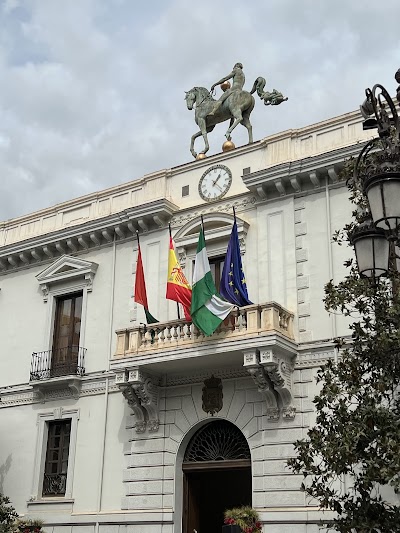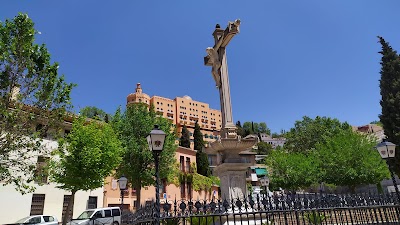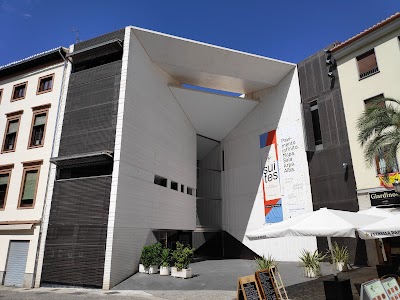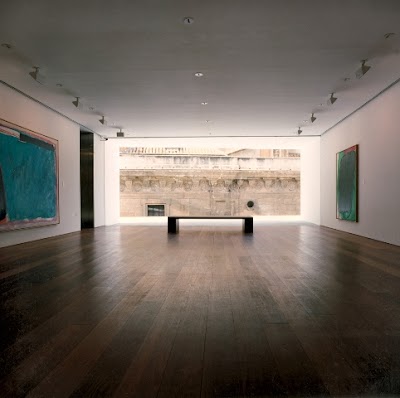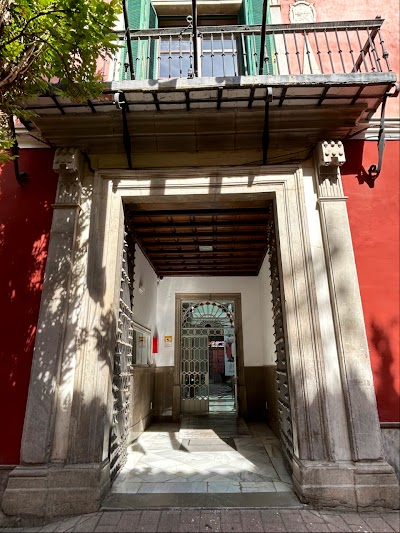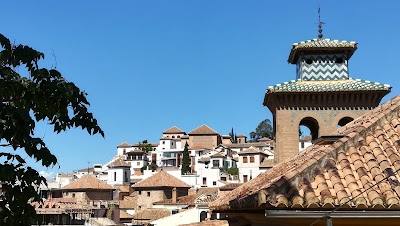
Granada at golden hour

Granada

A locally-written guide — where to stay, what to eat, and what not to miss.

The Granada guide

An insider’s read on Granada

Positioned at the base of the Sierra Nevada mountains, the dry, high-altitude air carries the scent of woodsmoke in winter and jasmine in summer.

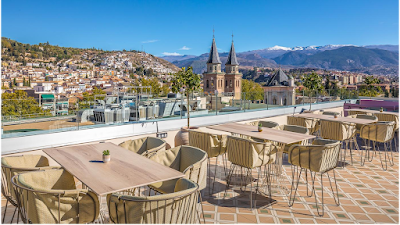
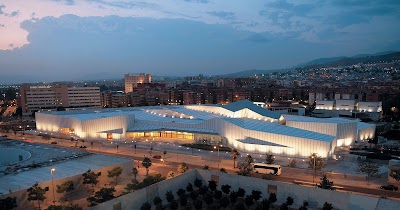
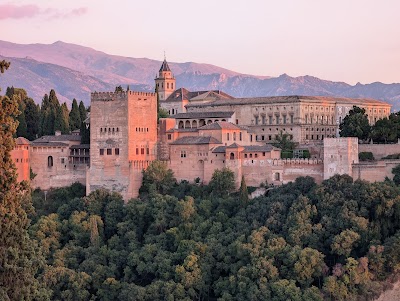
Granada is a city defined by its dramatic physical geography and sharp cultural contrasts. Positioned at the base of the Sierra Nevada mountains, the dry, high-altitude air carries the scent of woodsmoke in winter and jasmine in summer. The red stone walls of the Alhambra dominate the skyline, acting as a constant visual anchor for a city that sprawls across steep hillsides and flat fertile plains below.

Where to base yourself

The neighborhoods

Where you sleep shapes the trip. Here’s the honest orientation, area by area.

Albayzín
via Google

Albayzín

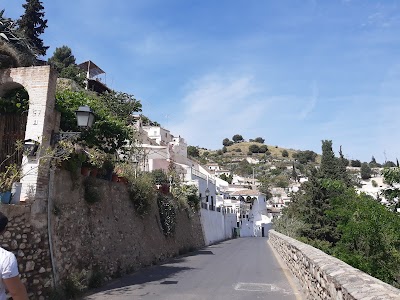
For Suits travelers seeking historic immersion and panoramic views of the Alhambra. The trade-off is the lack of vehicular access, meaning you must carry your luggage up steep, uneven hills.

The ancient Moorish quarter is a labyrinth of whitewashed houses, high-walled gardens, and steep stone staircases. It feels distinct from the modern city below, retaining its medieval urban layout.

Where to stayLook for restored historic mansions (carmenes) or small boutique guesthouses centered around traditional inner courtyards.

  • Mirador de San Nicolás for the classic sunset view of the Alhambra.
  • El Bañuelo, the preserved 11th-century Arab baths.
  • Calle Calderería Nueva, lined with traditional tea houses and spice shops.
Sacromonte
via Google

Sacromonte

For Suits those looking for a rustic, alternative atmosphere. The trade-off is that it is isolated from the city center, requiring a long uphill walk or reliance on the microbus.
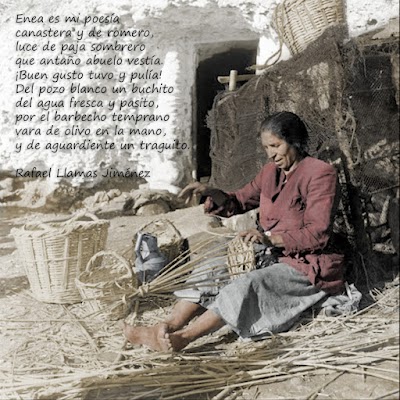
The traditional Roma quarter, famous for its whitewashed cave dwellings carved directly into the hillside. It is dry, dusty, and echoes with the sounds of flamenco.
Where to stayUnique cave hotels and rustic guesthouses offer a cool retreat from the summer heat.

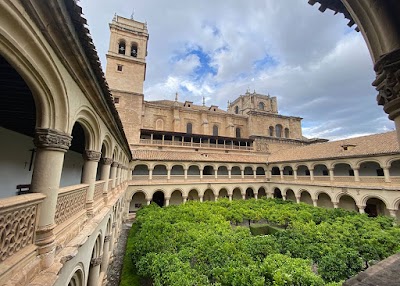
  • Abadía de Sacromonte, the historic abbey sitting at the top of the valley.
  • Museo Cuevas del Sacromonte, showcasing the history of cave living.
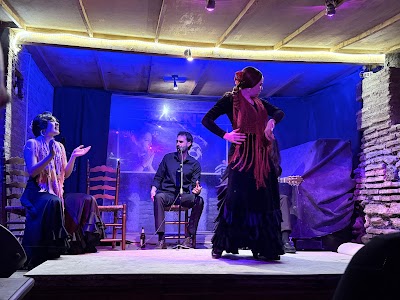
  • Traditional evening zambras (flamenco shows) in local caves.
Centro / El Sagrario
via Google

Centro / El Sagrario

For Ideal for first-time visitors who want flat streets, easy transit access, and proximity to shopping and dining. The trade-off is the lack of medieval charm and higher noise levels.

The commercial and civic heart of the city, dominated by grand 19th-century boulevards, busy plazas, and monumental Renaissance architecture.

Where to stayModern business hotels, upscale boutique properties, and serviced apartments.

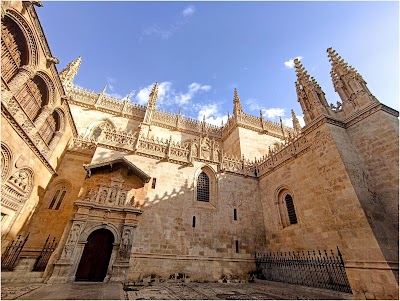
  • The monumental Cathedral of Granada and the adjacent Royal Chapel.
  • Alcaicería, the historic silk market area.
  • Plaza Bib-Rambla, a central square lined with cafes.
Realejo
via Google

Realejo

For Suits travelers who want a local, creative vibe that is close to the center but less tourist-heavy than the Albayzín. The trade-off is that some streets are still quite steep.

The former Jewish quarter is now a bohemian neighborhood where grand historic villas meet vibrant street art, trendy cafes, and quiet residential plazas.

Where to stayChic boutique hotels and independent apartments tucked away in quiet alleys.

  • Campo del Príncipe, a large plaza popular with locals for outdoor dining.
  • Street art by local artist El Niño de las Pinturas.
  • The steep walk up Cuesta del Realejo.
La Chana
via Google

La Chana

For Perfect for budget travelers and food enthusiasts looking for the most generous free tapas culture in the city. The trade-off is the complete lack of historic monuments and the distance from the center.

A working-class residential district located northwest of the center, characterized by mid-century apartment blocks and a lively, unpretentious atmosphere.

Where to stayMainly budget apartments and simple guesthouses geared towards students.

  • The dense concentration of traditional tapas bars along Calle Virgen de la Consolación.
  • A genuine look at local, non-tourist daily life.
Zaidín
via Google

Zaidín

For Suits business travelers, sports fans, or those attending music festivals. The trade-off is that it feels like a generic modern Spanish suburb, requiring a bus or metro ride to reach the historic sights.

A modern, sprawling neighborhood in the south of the city, home to the football stadium, concert venues, and large residential complexes.

Where to stayLarge, modern chain hotels with amenities like parking and swimming pools.

  • Palacio de Deportes, hosting major concerts and sporting events.
  • The annual Zaidín Rock festival held every September.

Eat & drink

Where to eat in Granada

Real tables, by category — from seafood and grills to the budget classics locals actually queue for.

Tapas/local

Granada is famous for its generous tapas culture, where a free plate of food is served alongside every drink ordered.

Taberna La Tana

Taberna La Tana

€€

Realejo

$$Closed

via Google

An intimate, family-run wine bar with an exceptional selection of local Andalusian wines and high-quality, simple tapas.

SignatureSalmorejo topped with jamón and hard-boiled egg

Bodegas Castañeda

Bodegas Castañeda

€€

Centro

$Closed

via Google

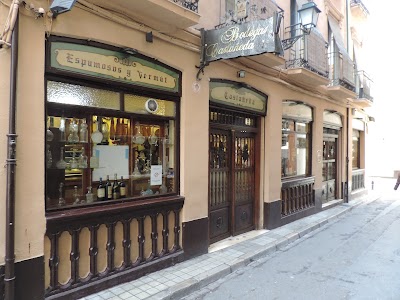
A historic, atmospheric tavern with giant wooden barrels behind the bar, serving traditional vermouth and classic platters.

SignatureTabla Castañeda (a mix of cured meats, cheeses, and warm stews)

Bar Casa Julio

Bar Casa Julio

€€

Centro

$Closed

via Google

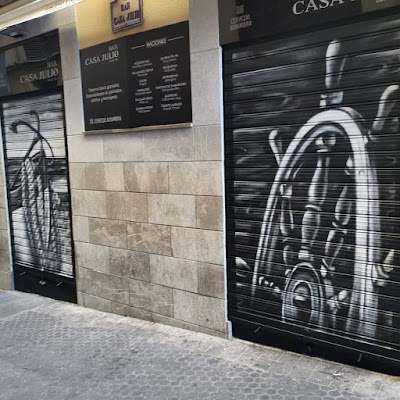
Tucked down a narrow alley, this tiny, standing-only bar has been serving excellent fried tapas since the mid-20th century.

SignatureCazón en adobo (marinated, deep-fried dogfish)

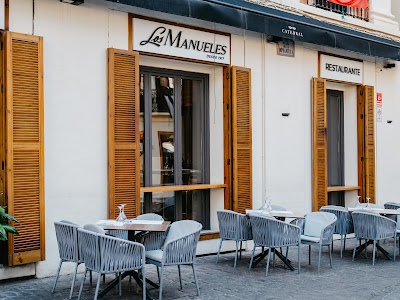
Los Manueles

Los Manueles

€€

Centro

$$Closed

via Google

A historic institution operating since 1917, known for its traditional recipes and lively outdoor terrace.

SignatureCroquetón de jamón (an exceptionally large, creamy ham croquette)

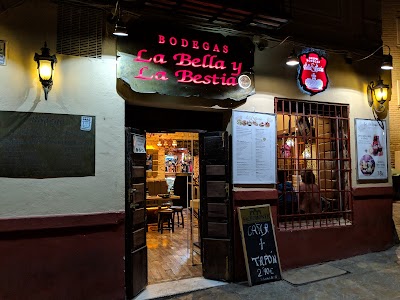
La Bella y La Bestia

La Bella y La Bestia

Centro

$

via Google

Famous among students for serving massive, mountain-sized free tapas with every cheap drink.

SignatureMini-burgers and fries served free with a caña

Bodega Espadafor

Bodega Espadafor

€€

Centro

Closed

via Google

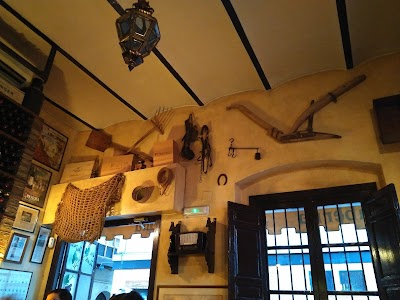
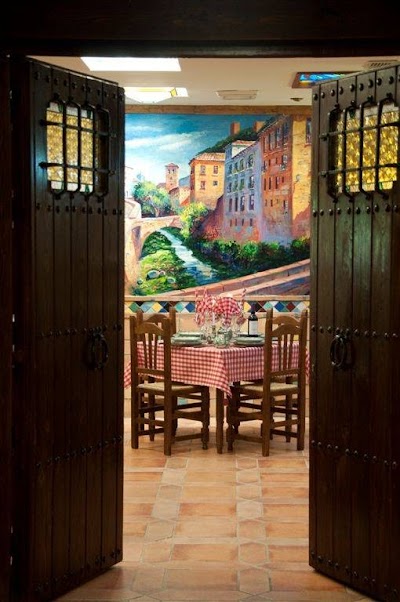
An old-school tavern adorned with colorful hand-painted murals depicting historic Granada scenes.

SignatureJamón asado (warm roasted ham slice)

After dark

Nightlife

Where the night goes — clubs, rooftop cocktails and the rooms with the best live music.

See & do

Culture

Museums, landmarks and galleries worth structuring a day around.

Don’t-miss

Signature experiences

Hammam Al Ándalus

Hammam Al Ándalus

Centro2 hours

Soak in beautifully tiled thermal baths built on the ruins of an original 13th-century bathhouse, complete with steam rooms and massage services using local essential oils.

via Google
Sunset at Mirador de San Nicolás

Sunset at Mirador de San Nicolás

Albayzín1-2 hours

Join locals and street musicians on the stone terrace of the Albayzín to watch the sun set, turning the red stone walls of the Alhambra a deep crimson.

via Google
Hiking the Los Cahorros Gorge

Hiking the Los Cahorros Gorge

MonachilHalf day

Walk across dramatic suspension bridges, squeeze through narrow limestone gorges, and follow the Monachil River just outside the city limits.

via Google

Beyond the city

Day trips

The Alpujarras

The Alpujarras

Explore the whitewashed mountain villages of Pampaneira, Bubión, and Capileira clinging to the southern slopes of the Sierra Nevada, famous for their unique flat-roofed architecture and local weaving.

Getting thereAn ALSA bus runs daily from Granada Bus Station (approx. 2 hours), though a rental car is highly recommended to explore at your own pace.

Salobreña & the Costa Tropical

Salobreña & the Costa Tropical

Visit a dramatic coastal town topped by a Moorish castle, surrounded by sugarcane fields and beaches, offering fresh seafood and a relaxed coastal vibe.

Getting thereDirect buses run from Granada Bus Station to Salobreña in approximately 1 hour.

Book ahead

Things to do in Granada

Top-rated tours, tickets and experiences — book in seconds, skip the line.

These are affiliate links. We may earn a commission when you book — at no extra cost to you. Tours are sold and operated by our partner, who is the merchant of record.

What it costs

Budgeting

Granada is one of the most affordable destinations in Spain, largely due to the low cost of drinks and the accompanying free tapas culture.

Travel stylePer day
Backpacker€40-60 (band)
Mid-range€90-150 (band)
Luxury€250-400+ (band)

Timing

When to visit

Spring and autumn offer the most comfortable temperatures for navigating the steep, cobblestone streets, avoiding the extreme mountain cold of winter and the intense heat of summer.

SpringFrom March to May, the gardens of the Generalife are in full bloom, and temperatures are ideal for walking. Semana Santa brings dramatic religious processions through the narrow streets of the Albayzín.
SummerJuly and August are intensely hot, often exceeding 40 degrees Celsius. The city empties during the afternoon, reviving only after sunset when locals gather in outdoor plazas.
AutumnSeptember to November brings cooler mountain breezes, changing foliage in the river valleys, and the arrival of the autumn pomegranate harvest, which gives the city its name.
WinterDecember to February is cold and crisp. While the city itself remains sunny, snow blankets the nearby Sierra Nevada peaks, allowing for morning ski trips and afternoon tapas in the sun.

Logistics

Getting around

Orientation map of Granada
Map data © Google

From the airport

Federico García Lorca Granada-Jaén Airport is located 15 kilometers west of the city. The ALSA airport bus runs in conjunction with flight arrivals, delivering passengers to the city center in approximately 45 minutes. Taxis operate on a flat-rate system depending on the time of day.

Public transit

The city transit system relies on a network of red-and-white local buses. Crucial for visitors are the small Alhambra microbuses (lines C30 and C32) and the Albayzín microbuses (lines C31 and C34), which are specifically designed to squeeze through the impossibly narrow, steep streets of the historic quarters.

Passes & tickets

The Granada Card (Bono Turístico) is highly recommended. It includes entry to the Alhambra, the Cathedral, and other major monuments, alongside a set number of local bus rides. It is tiered in price bands (€€) depending on the duration of validity.

On foot

Granada is highly walkable but physically demanding. The historic quarters of Albayzín, Realejo, and Sacromonte are built on steep hillsides paved with traditional polished river stones, which can be slippery even when dry.

  • 1
    Do not attempt to drive a rental car into the historic center; access is restricted by camera-enforced bollards, resulting in heavy fines.
  • 2
    Always wear shoes with rubber soles and good grip to handle the steep, polished cobblestones.
  • 3
    Use the microbuses to ascend the steep hills to the Alhambra or Albayzín, then walk down to save your knees.

Travel smart

Safety & etiquette

Granada is generally a very safe city. The primary concern is pickpocketing in crowded tourist areas, particularly around the Cathedral and the Mirador de San Nicolás. Be wary of women offering sprigs of rosemary near the Cathedral; they will attempt to read your palm and demand a high fee.

Local etiquette

  • Do not demand a specific free tapa; the kitchen decides what is served with each round, and asking to swap it is considered impolite.
  • When visiting the Albayzín at night, keep your voice down, as the narrow streets act as natural amplifiers directly into residents' bedrooms.
  • Tipping is appreciated but not mandatory; leaving small change (coins) for tapas or 5-10% for exceptional sit-down restaurant service is standard.

From the ground

Practical tips

  • 1
    If Alhambra tickets are sold out on the official website, purchase the Granada Card (Bono Turístico), which often has a separate allocation of entry slots.
  • 2
    Order a 'caña' (small beer) instead of a 'tubo' (large glass) to pace yourself and receive more rounds of fresh, varied tapas.
  • 3
    Avoid the restaurants on Calle Navas for sit-down meals; they are heavily tourist-oriented and lower in quality compared to those in Realejo.
  • 4
    Always carry a light jacket or sweater, even in summer, as the mountain air causes temperatures to drop rapidly after sunset.
  • 5
    Visit the Bañuelo (Arab Baths) on a combined ticket with the Dobla de Oro to save money on multiple historic Moorish sites.
  • 6
    Buy your Piononos from Casa Isla, the historic pastry shop that originally created the sweet treat in 1897.

Book direct

Book a hotel in Granada

Loading live availability and real-time prices…

Good to know

Granada FAQs

Do I really need to book Alhambra tickets in advance?

Yes, absolutely. Daily tickets are strictly limited and sell out months in advance. Book your tickets the moment you confirm your travel dates.

Can I choose my free tapas?

In most traditional bars, you cannot choose; the kitchen serves a set sequence of dishes. However, some modern bars will offer a small menu for you to select from.

Is Granada very hot in the summer?

Yes, July and August regularly see temperatures over 40 degrees Celsius. Plan your sightseeing for early morning and late evening, and rest during the afternoon.

Can I drive a rental car in the city?

It is highly discouraged. The historic center is restricted to authorized vehicles, and cameras will record your license plate, resulting in automatic fines.

What is a carmen?

A carmen is a traditional Granada villa, typically found in the Albayzín or Realejo, featuring high walls enclosing a private garden with fruit trees and grapevines.

Granada travel guide: neighbourhoods, hotels & things to do