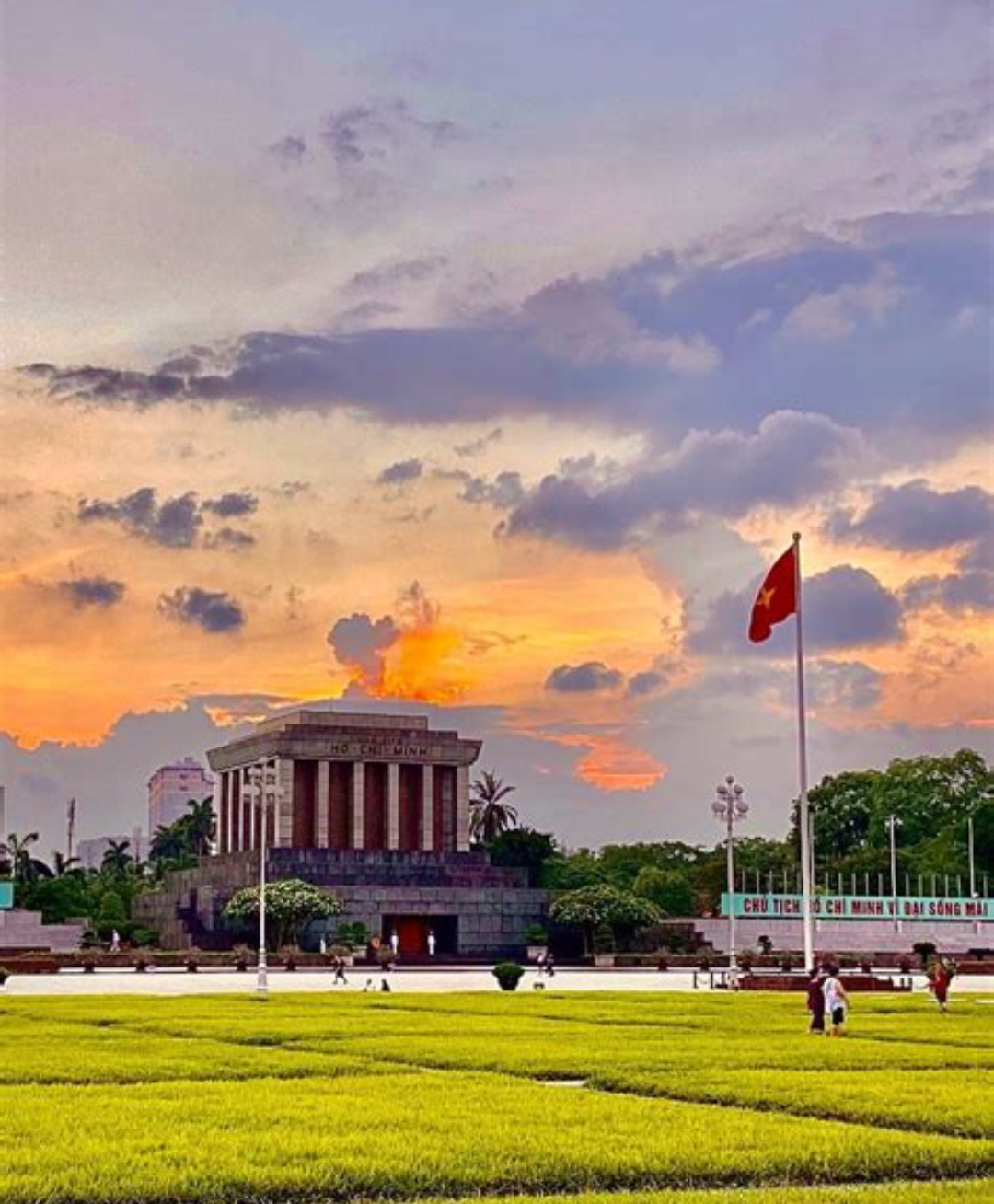
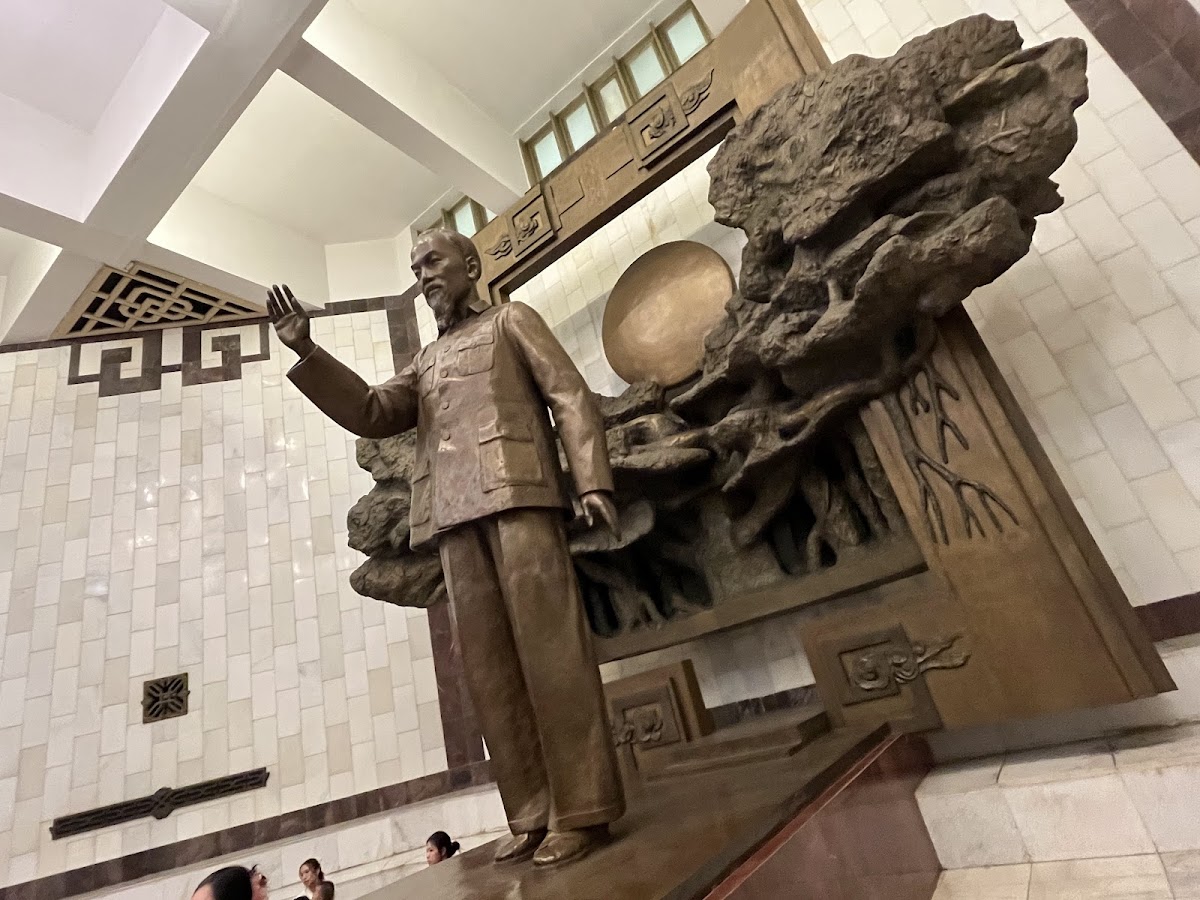
Ho Chi Minh Mausoleum
A monumental, brutalist granite structure housing the embalmed body of the nation's founding father.
Free entry; strict dress code (no shorts or bare shoulders) and absolute silence required.
More in Ba Dinh
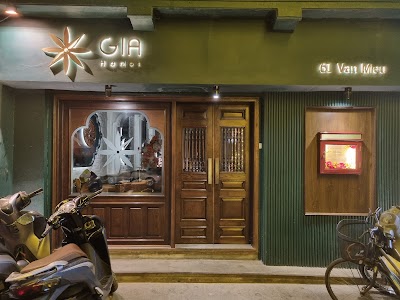
Gia
An elegant, Michelin-starred establishment offering a seasonal tasting menu inspired by traditional heritage and local ingredients.
What to order: The seasonal tasting menu
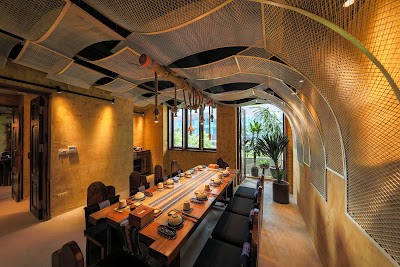
A Ban Mountain Dew
An architectural marvel celebrating the culinary traditions, smoking techniques, and wild herbs of Vietnam's northwest highlands.
What to order: Grilled mountain pork on bamboo

Loving Hut
Part of the global vegan chain, this local branch excels at creating convincing vegan versions of traditional Vietnamese pork and beef dishes.
What to order: Vegan Pho
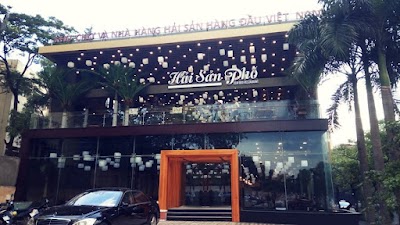
Hai San Pho
A massive, upscale seafood hall with live tanks where you select your catch to be cooked to order.
What to order: Salt-crusted baked king prawns
Where it is
Reviews
Visiting Ho Chi Minh Mausoleum again in February 2026, I was struck by how powerful the place remains no matter how many times one has seen it before. The architecture is simple yet majestic, built with clean lines and solid stone that express strength, dignity, and permanence. Standing in the vast space of Ba Dinh Square, I felt the same emotion generations of Vietnamese have felt—a quiet pride mixed with gratitude for the history that unfolded here. The surrounding area forms a harmonious ensemble. On one side rises the modern National Assembly House, confident and forward-looking; on the other are green gardens and wide pathways leading toward the Presidential Palace and One Pillar Pagoda. Together they create a dialogue between past and present, revolution and renewal. The atmosphere is extremely solemn, but never heavy. Guards move with graceful discipline, and visitors instinctively lower their voices, showing natural respect without being reminded. What makes the experience especially beautiful is the human presence. Groups of students in neat uniforms walked hand in hand, listening attentively to their teachers. Young men and women in colorful áo dài looked bright and gentle against the grey stone background, bringing a touch of youthful energy to this historic space. Their smiles and polite manners reflected the culture of courtesy that Hanoi is famous for. Inside the Mausoleum, the silence becomes almost sacred. The orderly line, the cool air, and the soft lighting guide every visitor into a moment of reflection. Outside again, the wide square opened like a stage of national memory where important events once took place. Watching the flag flutter in the winter breeze, I felt how architecture here is not only concrete and marble, but also emotion and collective spirit. The Mausoleum area is more than a monument; it is a living symbol of Vietnam’s journey. Anyone who comes to Hanoi should spend time walking slowly across Ba Dinh Square, breathing the space, and understanding why this place continues to inspire respect, unity, and hope for the future.
I can say this sight was something I will never forget, definitely don't skip this. If you are squeamish I'm sure you could skip paying your respects at his well preserved remains but I was certainly impressed. Beyond the mausoleum the grounds are beautiful and well maintained, and the guards do their job with a sense of importance and dignity which was really cool to witness. Before visiting we wondered why the hours are such but it is so that you will have time to see the place and not be disappointed with running out of time. Something to note, *even men need to wear long pants*,, many men had to buy the street vendors elephant pants to enter which proved pretty amusing.
Great management to get the people to visit inside. It’s quite a long walk from the entrance, but not too long. There was very little to no wait even there were lots of visitors. Inside I got to see a very well preserved body of Ho Chi Minh. It was a very brief visit as all visitors had to keep moving, but overall a great experience. In this complex I also visit other interesting places like the one pillar pagoda, Ho Chi Minh’s house (with a fee), and Ho Chi Minh Museum (with a fee), spending around good 2-3 hours here. Please check the dress code before your visit.
The Ho Chi Minh Mausoleum in Hanoi is where Vietnam’s most famous revolutionary is, quite literally, still holding court. Built between 1973 and 1975 (with a bit of Soviet help), it’s a big, stern granite block that deserves to be taken seriously .. because, yes, this is the place that Ho Chi Minh himself is preserved, not in Ho Chi Minh City. Bit of a twist, given the name. There is a security checkpoint to enter the area, and once you are through, guards in pristine white uniforms stand watch. The guards don't mind photos, if you are polite, and watch over the square which has an almost reverant atmosphere. And deservedly so. Ho Chi Minh, or 'Uncle Ho', is still very respected and widely admired in Vietnam (and abroad). Most of the visitors when I was there were Vietnamese and it is definetely worth a visit to pay one's respects and to see how he is still revered.
Reviews are from Google. See the listing on Google Maps.