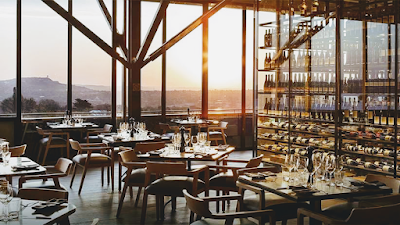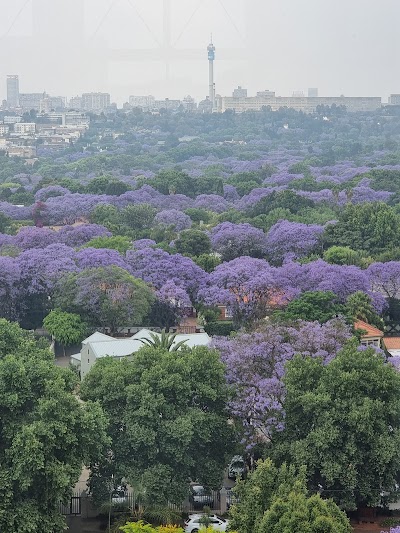
Johannesburg at golden hour

Johannesburg

A locally-written guide — where to stay, what to eat, and what not to miss.

The Johannesburg guide

An insider’s read on Johannesburg

This is a sprawling metropolis where high-security corporate enclaves sit miles away from historic townships

Johannesburg is a city built on gold, grit, and relentless ambition. It does not ease visitors in with scenic coastlines or slow-paced leisure; instead, it demands attention through its kinetic energy, sharp contrasts, and sheer creative force. This is a sprawling metropolis where high-security corporate enclaves sit miles away from historic townships, and where industrial warehouses have been repurposed into cutting-edge art galleries and design studios.

Where to base yourself

The neighborhoods

Where you sleep shapes the trip. Here’s the honest orientation, area by area.

Rosebank
via Google

Rosebank

For First-time visitors and business travelers who prioritize safety, convenience, and easy transit access. The trade-off is a slightly sanitized, corporate feel.

A highly walkable, cosmopolitan commercial hub filled with art galleries, outdoor malls, and sidewalk cafés.

Where to stayModern business hotels and upscale boutique lodgings clustered around the Gautrain station.

  • Keyes Art Mile for contemporary design and fine dining.
  • Everard Read, Africa's oldest commercial art gallery.
  • Rosebank Sunday Market for local crafts and street food.
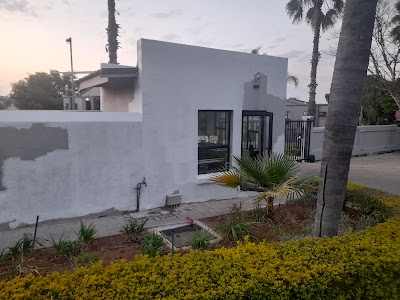
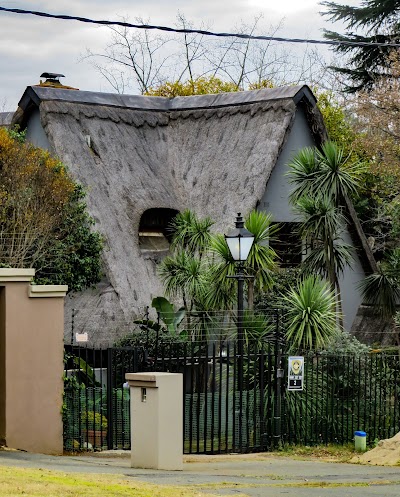
Melville
via Google

Melville

For Creatives, academics, and budget-conscious travelers. The trade-off is that it can get noisy on weekend nights, and petty crime requires vigilance.

A bohemian, leafy residential suburb centered around the lively restaurants and bars of 7th Street.

Where to stayCharming guesthouses and mid-range bed-and-breakfasts set in heritage homes.

  • Bookdealers of Melville for secondhand literary finds.
  • 7th Street for independent bars and vintage clothing shops.
  • Melville Koppies Nature Reserve for archaeological heritage and city views.
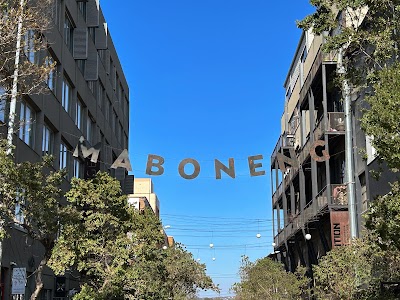
Maboneng
via Google

Maboneng

For Art lovers and urban explorers who want to experience the city's creative rebirth. The trade-off is that it borders high-crime areas, requiring strict adherence to safety boundaries.

An industrial-chic inner-city enclave defined by street art, warehouse conversions, and creative energy.

Where to stayIndustrial loft apartments and trendy budget boutique hotels.

  • Arts on Main for artist studios and weekend food stalls.
  • The Bioscope, an independent cinema showcasing African films.
  • Fox Street for street art tours and local fashion boutiques.
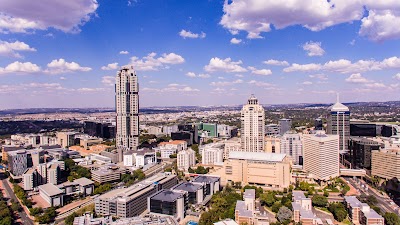
Sandton
via Google

Sandton

For Business travelers and luxury shoppers who want maximum security. The trade-off is a complete lack of historic character and street-level soul.

The glass-and-steel financial heart of the city, dominated by massive shopping complexes and corporate towers.

Where to stayHigh-rise international luxury hotels and serviced apartments.

  • Sandton City and Nelson Mandela Square for high-end retail.
  • The Leonardo, the tallest building in South Africa.
  • Innesfree Park for green space amidst the skyscrapers.
Parkhurst
via Google

Parkhurst

For Families, foodies, and travelers seeking a relaxed, neighborhood atmosphere. The trade-off is the lack of public transport and high accommodation prices.

A wealthy, village-like residential suburb centered on the trendy dining strip of 4th Avenue.

Where to stayHigh-end private guesthouses and luxury self-catering villas.

  • 4th Avenue for boutique shopping and outdoor dining.
  • Verity Park for a quiet afternoon walk.
  • Local design stores showcasing South African homeware.
Soweto (Orlando West)
via Google

Soweto (Orlando West)

For History buffs and culturally curious travelers. The trade-off is that it is far from the northern suburbs and requires careful navigation, ideally with a local guide.

The historic heart of the liberation struggle, filled with energy, monument sites, and community life.

Where to stayAuthentic township homestays and community-run guesthouses.

  • Vilakazi Street, the only street in the world to have home to two Nobel Peace Prize winners.
  • The Hector Pieterson Memorial and Museum.
  • The Orlando Towers for adventure activities.

Don’t-miss

Signature experiences

Soweto Bicycle Tour

Soweto Bicycle Tour

SowetoHalf day

It allows you to explore the streets of Soweto at a human pace, interacting with locals and learning history from resident guides.

via Google
Ponte City Tour with Dlala Nje

Ponte City Tour with Dlala Nje

Hillbrow3 hours

An eye-opening look inside the iconic, cylindrical skyscraper, debunking urban myths while supporting local youth programs.

via Google
First Thursdays at Keyes Art Mile

First Thursdays at Keyes Art Mile

RosebankEvening

On the first Thursday of every month, galleries stay open late, food trucks line the streets, and the local creative crowd gathers.

via Google

Beyond the city

Day trips

Cradle of Humankind & Sterkfontein Caves

Cradle of Humankind & Sterkfontein Caves

A UNESCO World Heritage site containing some of the oldest hominid fossils ever discovered, complete with an interactive museum.

Getting thereA 45-minute drive northwest of the city; best reached by renting a car or hiring a private driver.

via Google
Pilanesberg National Park

Pilanesberg National Park

An malaria-free wildlife reserve set inside an extinct volcanic crater, offering excellent opportunities to spot the Big Five.

Getting thereA 3-hour drive north; requires an early morning departure, ideally via an organized day-tour operator.

via Google

Book ahead

Things to do in Johannesburg

Top-rated tours, tickets and experiences — book in seconds, skip the line.

These are affiliate links. We may earn a commission when you book — at no extra cost to you. Tours are sold and operated by our partner, who is the merchant of record.

What it costs

Budgeting

The city offers excellent value for international travelers due to favorable exchange rates, though private transport costs can add up.

Travel stylePer day
Backpacker€40-60
Mid-range€90-150
Luxury€250-500

Timing

When to visit

The dry, sunny winter and the purple-hued spring are the most comfortable times to explore the city.

Spring (September to November)The city turns purple as thousands of jacaranda trees bloom. Temperatures are warm, and the outdoor dining scene comes alive before the heavy summer rains begin.
Summer (December to February)Hot days are regularly cooled by dramatic, late-afternoon thundershowers. Many locals head to the coast, making the city streets noticeably quieter.
Autumn (March to May)Mild, golden days with clear skies. This is an excellent time for outdoor sightseeing and exploring the city's leafy northern suburbs.
Winter (June to August)Dry, crisp, and sunny days with cold nights. While temperatures drop significantly after dark, the lack of rain makes it ideal for wildlife viewing nearby.

Logistics

Getting around

Orientation map of Johannesburg
Map data © Google

From the airport

The Gautrain is the safest and most efficient link from OR Tambo International Airport to major hubs like Sandton and Rosebank, taking under thirty minutes.

Public transit

The Gautrain rail network connects key commercial areas, but its reach is limited. The Rea Vaya rapid bus transit system covers parts of the inner city and Soweto, though it is rarely used by international visitors.

Passes & tickets

The Gautrain Swift Card is essential for rail travel, easily topped up at stations using cash or cards (€).

On foot

The city is highly car-centric. While specific pockets like Rosebank, Melrose Arch, and Parkhurst are highly walkable, navigating between neighborhoods on foot is neither practical nor safe.

  • 1
    Rely on Uber for point-to-point travel, especially at night. Ensure the vehicle registration matches your app before boarding.
  • 2
    Avoid walking alone in the Central Business District (CBD), Hillbrow, and Yeoville at any time of day.
  • 3
    If renting a car, keep your doors locked, windows rolled up, and valuables out of sight to prevent smash-and-grab incidents at intersections.

Travel smart

Safety & etiquette

Crime is a serious concern, but risks can be managed with common sense. Avoid walking at night anywhere. Keep car doors locked and windows up. Do not display expensive jewelry, cameras, or smartphones on the street. Stick to well-lit, busy commercial areas.

Local etiquette

  • Always greet people politely before asking for assistance; a simple 'hello, how are you?' goes a long way.
  • Tip car guards who watch your vehicle in public parking areas; a small tip of 5 to 10 Rand is standard.
  • Ask permission before taking photos of people, particularly in residential areas of Soweto.

From the ground

Practical tips

  • 1
    Download the EskomSePush app to track load shedding schedules so you are never caught in the dark.
  • 2
    Always carry small cash denominations (10 and 20 Rand notes) to tip informal car guards.
  • 3
    Do not use your phone while waiting for an Uber on the pavement; wait inside the venue until the car arrives.
  • 4
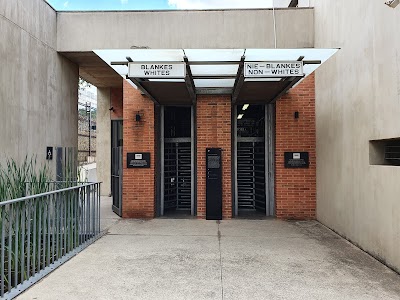
    Book your Apartheid Museum tickets online in advance to avoid long queues during peak weekend hours.
  • 5
    If renting a car, learn the hand signals of local minibus taxis, as they frequently stop abruptly without using indicators.
  • 6
    Keep your passport locked in your hotel safe and carry a digital copy on your phone instead.

Book direct

Book a hotel in Johannesburg

Loading live availability and real-time prices…

Good to know

Johannesburg FAQs

Is Johannesburg safe for tourists?

Yes, provided you stay in secure neighborhoods like Rosebank or Sandton, use Uber for transport, and avoid walking at night.

How do I get from the airport to the city safely?

The Gautrain is the safest, fastest, and most reliable option, connecting the airport directly to Sandton and Rosebank.

Can I drink the tap water?

Yes, the tap water is high quality and safe to drink throughout the metropolitan area.

Do I need a car to get around?

No, most tourists rely entirely on Uber, which is affordable, reliable, and safer than navigating the complex road network yourself.

What is load shedding?

These are scheduled power outages used to manage the national grid. Most major hotels and restaurants have backup generators, but it is wise to keep a power bank charged.

Johannesburg travel guide: neighbourhoods, culture