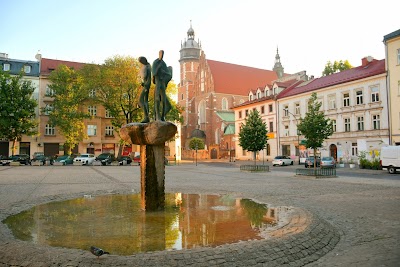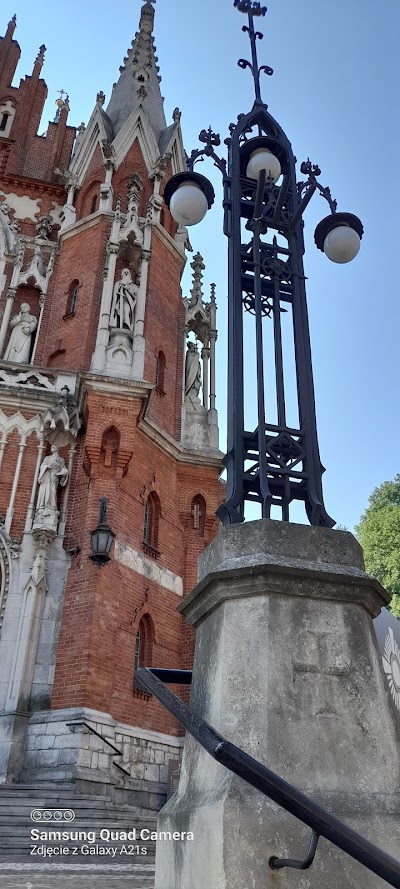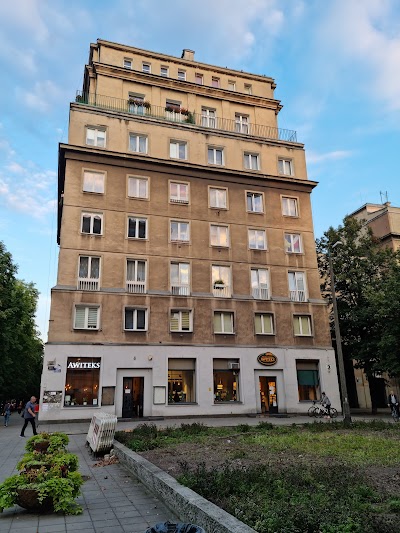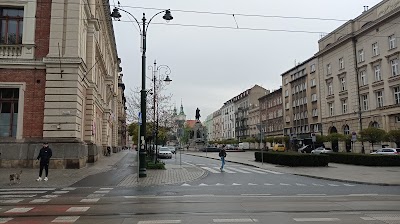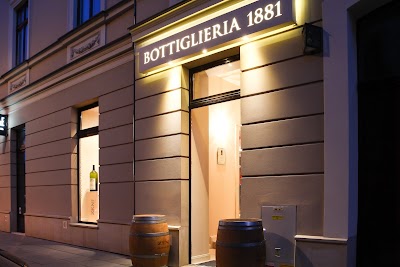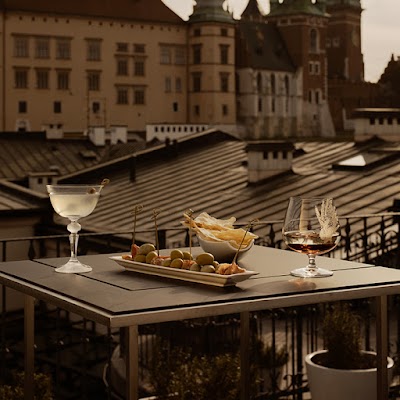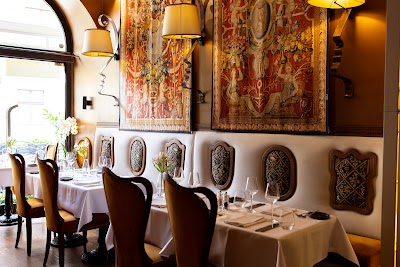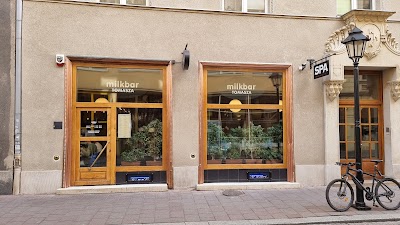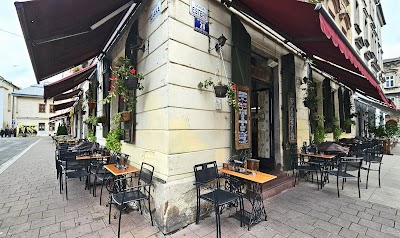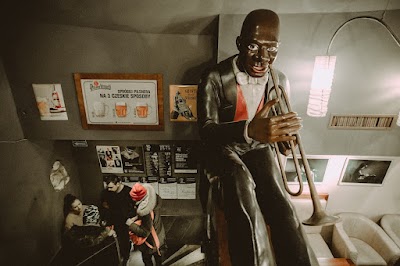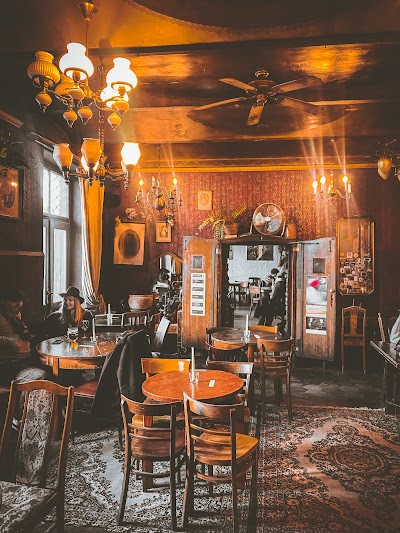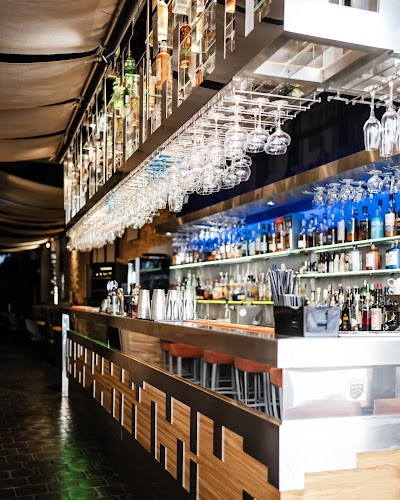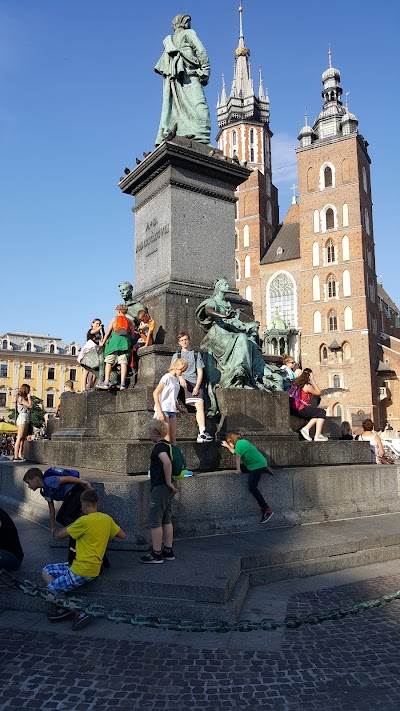
Krakow at golden hour

Krakow

A locally-written guide — where to stay, what to eat, and what not to miss.

The Krakow guide

An insider’s read on Krakow

While much of the region suffered catastrophic destruction during the mid-twentieth century, Krakow's medieval core remained structurally intact.

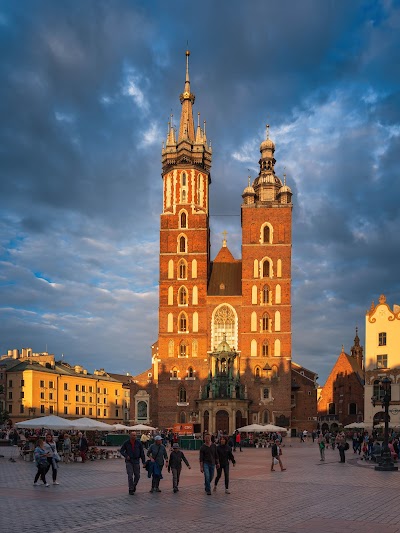
Krakow is a city defined by its architectural survival and its subterranean energy. While much of the region suffered catastrophic destruction during the mid-twentieth century, Krakow's medieval core remained structurally intact. Today, life revolves around the Rynek Główny, one of Europe's largest medieval squares, where Gothic spires and Renaissance facades look down on a constant flow of students, locals, and travelers.

Beneath this historic surface lies a second city altogether. Krakow's limestone foundations are honeycombed with cellar bars, jazz clubs, and late-night haunts that keep the city awake long after the church bells stop ringing. It is a place where high culture and raw, bohemian nightlife exist in immediate proximity, creating an atmosphere that is intellectual, slightly chaotic, and intensely social.

Where to base yourself

The neighborhoods

Where you sleep shapes the trip. Here’s the honest orientation, area by area.

Stare Miasto (Old Town)
via Google

Stare Miasto (Old Town)

For First-time visitors who want to be steps away from major landmarks. The trade-off is high noise levels at night, elevated restaurant prices, and dense tourist crowds.

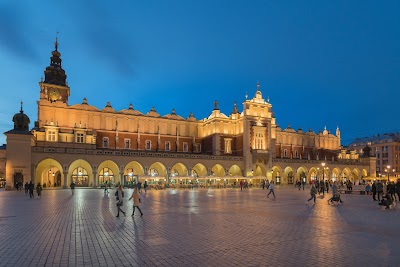
The historic heart of the city, dominated by the massive Rynek Główny, Gothic churches, and cobblestone alleys. It is grand, historic, and highly energetic.

Where to stayLook for boutique hotels tucked into historic townhouses along Kanonicza or Floriańska streets.

  • Rynek Główny (Main Square)
  • St. Mary's Basilica
  • The Cloth Hall (Sukiennice)
  • The Planty Park loop
Kazimierz
via Google

Kazimierz

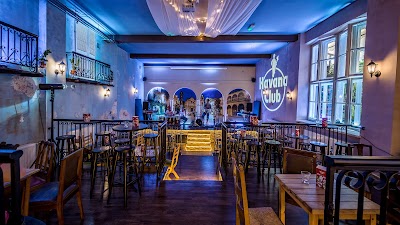
For Travelers seeking nightlife, independent dining, and a creative vibe. The trade-off is that some streets can feel neglected, and weekend nights are loud and crowded.

The historic Jewish quarter, characterized by a bohemian, slightly gritty atmosphere. It features a mix of synagogues, indie galleries, vintage shops, and a dense concentration of bars.

Where to stayCharming guesthouses and design-forward boutique hotels near Plac Nowy.

  • Plac Nowy rotunda
  • The Old Synagogue
  • Galicia Jewish Museum
  • Szeroka Street
Podgórze
via Google

Podgórze

For Those interested in modern history and a quieter, more local atmosphere. The trade-off is a longer walk to the Old Town sights.

Located across the Vistula River, this former industrial district and wartime ghetto is now a quiet, creative neighborhood with a local feel and industrial-chic architecture.

Where to stayModern apartments and mid-range hotels near the riverbank.

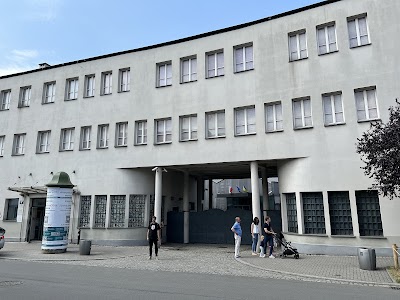
  • Oskar Schindler's Enamel Factory
  • Plac Bohaterów Getta (Ghetto Heroes Square)
  • St. Joseph's Church
  • Krakus Mound
Nowa Huta
via Google

Nowa Huta

For History buffs and architecture enthusiasts interested in Cold War relics. The trade-off is that it is far from the city center and lacks late-night dining options.

A planned socialist-realist district built in the 1950s around a massive steelworks. It features wide avenues, monumental architecture, and abundant green spaces.

Where to stayGenerally not recommended for overnight stays; best visited as a half-day trip.

  • Plac Centralny
  • The Lord's Ark Church
  • Nowa Huta Cultural Centre
Kleparz
via Google

Kleparz

For Food lovers and travelers who want a quiet, authentic base within walking distance of the main sights.

A bustling, traditional residential neighborhood just north of the Old Town, centered around a historic open-air food market.

Where to stayExcellent value-for-money apartments and modern mid-range hotels.

  • Stary Kleparz market
  • Jan Matejko Square
  • Barbican of Krakow
Grzegórzki
via Google

Grzegórzki

For Budget-conscious travelers and repeat visitors looking for an unpretentious local experience.

A residential area east of the center, transitioning from industrial yards to modern apartment blocks, known for its local food culture.

Where to stayFunctional, modern rental apartments.

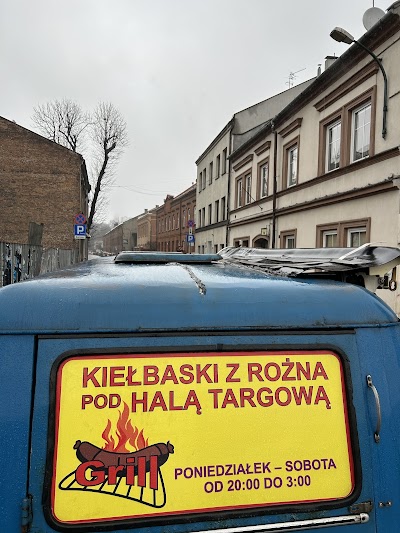
  • Hala Targowa (famous for late-night grilled sausages)
  • Botanical Garden of the Jagiellonian University

Eat & drink

Where to eat in Krakow

Real tables, by category — from seafood and grills to the budget classics locals actually queue for.

After dark

Nightlife

Where the night goes — clubs, rooftop cocktails and the rooms with the best live music.

See & do

Culture

Museums, landmarks and galleries worth structuring a day around.

Don’t-miss

Signature experiences

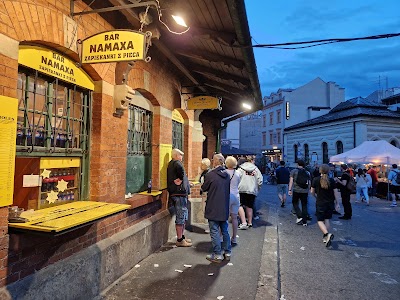
Eating Zapiekanka at Plac Nowy

Eating Zapiekanka at Plac Nowy

Kazimierz30 minutes

It is the quintessential Krakow late-night ritual. Standing in the middle of the Jewish Quarter eating a massive, toasted open-faced baguette topped with mushrooms and cheese is a local rite of passage.

via Google
Listening to the Hejnał Mariacki

Listening to the Hejnał Mariacki

Stare Miasto15 minutes

Every hour, a trumpeter plays a traditional tune from the highest tower of St. Mary's Basilica, which stops abruptly to commemorate a 13th-century trumpeter shot in the throat by an archer.

via Google
Walking the Planty Park Loop

Walking the Planty Park Loop

Stare Miasto1 hour

This green belt completely encircles the Old Town, built on the site of the city's demolished medieval defensive walls. It offers a shady, peaceful stroll past historic monuments.

via Google

Beyond the city

Day trips

Auschwitz-Birkenau Memorial and Museum

Auschwitz-Birkenau Memorial and Museum

A somber, essential visit to the former Nazi concentration and extermination camp. It stands as a powerful monument to the horrors of the Holocaust.

Getting thereDirect buses run regularly from the central bus station (MDA) to Oświęcim, taking about 1.5 hours. Alternatively, take a pre-arranged guided tour.

via Google
Wieliczka Salt Mine

Wieliczka Salt Mine

A subterranean world of tunnels, lakes, and chapels carved entirely out of rock salt by miners over hundreds of years, including the spectacular Chapel of St. Kinga.

Getting thereTake the local train from Kraków Główny to Wieliczka Rynek Kopalnia (20 minutes) or take bus 304 from the city center.

via Google
Zakopane and the Tatra Mountains

Zakopane and the Tatra Mountains

Poland's winter capital offers dramatic alpine hiking in summer and traditional wooden chalet architecture nestled in the mountains.

Getting thereBuses depart every 30 minutes from the central bus station, taking approximately 2 to 2.5 hours depending on traffic.

Book ahead

Things to do in Krakow

Top-rated tours, tickets and experiences — book in seconds, skip the line.

These are affiliate links. We may earn a commission when you book — at no extra cost to you. Tours are sold and operated by our partner, who is the merchant of record.

What it costs

Budgeting

Krakow remains highly affordable compared to Western European destinations, though prices in the immediate vicinity of the Main Square are elevated.

Travel stylePer day
Backpacker€40-60 (band)
Mid-range€80-130 (band)
Luxury€200-350 (band)

Timing

When to visit

Krakow is a year-round destination, but the shoulder seasons of late spring and early autumn offer the most comfortable balance of mild weather and manageable crowds.

SpringMay and June bring pleasant temperatures and blooming parks. The city's outdoor cafe culture comes alive, though you will share the streets with school tour groups.
SummerJuly and August are hot, humid, and crowded. Prices peak, and the main square can feel overwhelmed by tourists, though the evening courtyard culture is at its peak.
AutumnSeptember and October see the arrival of the 'Golden Polish Autumn.' Temperatures drop, but the foliage in the Planty park is beautiful, and the summer crowds thin significantly.
WinterDecember through February is cold and often snowy. The Christmas market in December is highly popular, while January and February offer quiet streets and lower accommodation rates.

Logistics

Getting around

Orientation map of Krakow
Map data © Google

From the airport

The Krakow-Balice Airport (John Paul II) is connected to the central railway station, Kraków Główny, by a direct train line. Trains depart roughly every 30 minutes, and the journey takes about 20 minutes. Tickets can be purchased from machines on the platform or on board. Taxis and rideshare services are also readily available outside the terminal.

Public transit

Krakow has an efficient network of trams and buses operated by MPK. Trams are the fastest way to navigate the city center and outer districts. Tickets must be purchased from machines at stops or inside the vehicles and must be validated immediately upon boarding.

Passes & tickets

The Krakow Card is available for 1, 2, or 3 days. It includes unlimited travel on public transport and entry to over 40 museums. It is a cost-effective option if you plan to visit multiple historical sites daily.

On foot

The historic center of Krakow is almost entirely pedestrianized and highly walkable. You can walk from the northern edge of the Old Town to the southern end of Kazimierz in under 30 minutes.

  • 1
    Always validate your paper transit ticket immediately upon stepping onto a tram or bus to avoid heavy fines.
  • 2
    Use mobile apps like Jakdojade to plan transit routes and purchase digital tickets on the go.
  • 3
    Avoid unregistered taxis; stick to marked taxi ranks or use ridesharing apps like Uber or Bolt.

Travel smart

Safety & etiquette

Krakow is exceptionally safe, with low rates of violent crime. The primary concerns are pickpocketing in crowded tourist areas and scams in strip clubs around the Main Square, where patrons are often overcharged. Avoid promoters offering free entry or cheap drinks to these venues.

Local etiquette

  • Always cross the street at designated pedestrian crossings; jaywalking is illegal and strictly fined by police.
  • When visiting churches, dress modestly and remain quiet; these are active places of worship.
  • Tipping is customary in restaurants; 10% is standard for good service. Do not say 'thank you' (dziękuję) when handing over cash unless you want the server to keep the change.

From the ground

Practical tips

  • 1
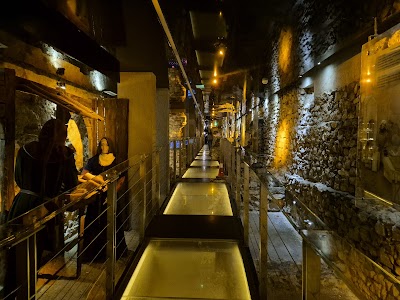
    Book your tickets for the Oskar Schindler Factory and Rynek Underground at least a week in advance, as daily entry is strictly capped.
  • 2
    Avoid eating directly on the Rynek Główny; walking just two blocks away into the side streets will cut your bill in half and double the food quality.
  • 3
    Buy your tram tickets using the Jakdojade app to avoid dealing with broken ticket machines on board.
  • 4
    If visiting Auschwitz-Birkenau, book your entry pass directly through the official museum website months in advance to secure a spot without paying for expensive third-party agency tours.
  • 5
    Look out for 'Bar Mleczny' signs for incredibly cheap, authentic Polish home cooking funded by government subsidies.
  • 6
    Be aware that drinking alcohol in public outdoor spaces (outside of licensed cafe gardens) is illegal and heavily fined.

Book direct

Book a hotel in Krakow

Loading live availability and real-time prices…

Good to know

Krakow FAQs

Is Krakow expensive?

No, Krakow is highly affordable. While prices have risen in recent years, dining out, public transport, and accommodation remain significantly cheaper than in Western Europe.

How many days do I need in Krakow?

Three days is the ideal duration. This allows you two full days to explore the Old Town, Kazimierz, and Podgórze, plus one day for a trip to Auschwitz-Birkenau or the Wieliczka Salt Mine.

Can I drink the tap water in Krakow?

Yes, tap water in Krakow is perfectly safe to drink and meets all European safety standards.

Do I need cash in Krakow?

Hardly ever. Card payments are accepted almost everywhere, including in taxis, bars, and market stalls. Keep a small amount of cash (Polish Złoty) for public restrooms or small market purchases.

Is English widely spoken?

Yes, English is spoken fluently by almost everyone working in the tourism, hospitality, and retail sectors, especially younger residents.

Krakow travel guide: Old Town, Kazimierz & more