A data-driven guide — where to stay, what to eat, and what not to miss.
Share
Guests & rooms
The Lisbon guide
An insider’s read on Lisbon
Lisbon is a city defined by its topography and its relationship with the Atlantic.
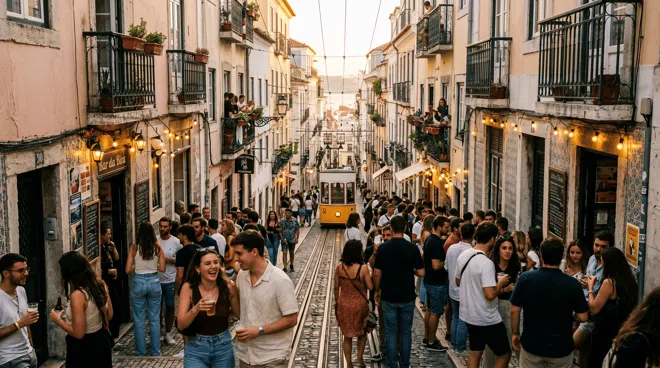
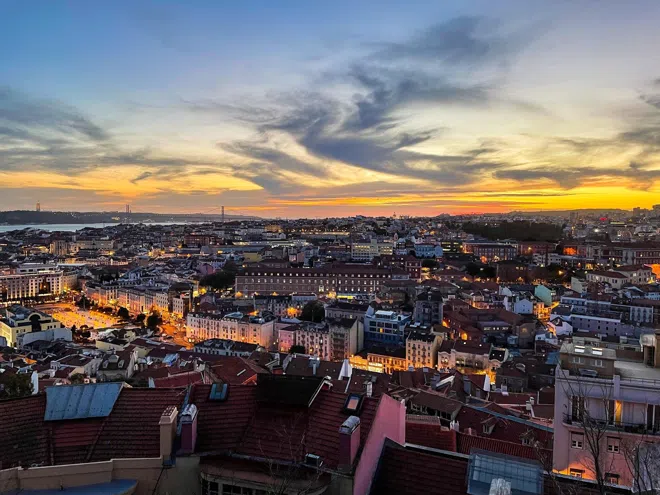
Lisbon is a city defined by its topography and its relationship with the Atlantic. The blinding coastal light bounces off white limestone pavements, illuminating steep hillsides where yellow vintage trams screech around tight corners. It is a place where the physical effort of navigating the landscape is rewarded at every crest with views of the wide Tagus River estuary.
Where to base yourself
The neighborhoods
Where you sleep shapes the trip. Here’s the honest orientation, area by area.
via Google
Alfama
For History enthusiasts and travelers seeking traditional character. The trade-off is the lack of vehicular access, steep climbs, and high noise levels at night.
The oldest district in the city, characterized by a maze of narrow alleys, steep staircases, and laundry drying from wrought-iron balconies. It is the spiritual home of Fado music.
Where to sleepSmall guesthouses, boutique apartments, and historic residences tucked away in quiet alleys.
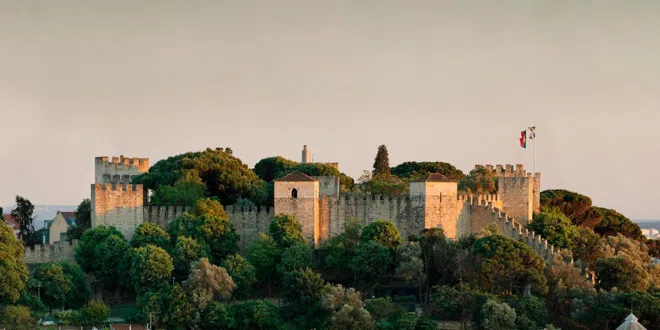
Castelo de São Jorge
Miradouro das Portas do Sol
The Fado Museum
via Google
Baixa & Chiado
For First-time visitors who want a central location with easy transit connections. The trade-off is a highly commercial atmosphere and a lack of quiet residential spots.
Baixa features grand 18th-century Pombaline architecture arranged in a flat grid, while Chiado is an elegant, historic shopping and literary district.
Where to sleepGrand mid-range and luxury hotels, along with serviced apartments.
Praça do Comércio
Santa Justa Lift
Bertrand Bookstore, the oldest operating bookstore in the world
Bairro Alto & Bica
For Nightlife seekers and younger travelers. The trade-off is significant noise until the early hours of the morning and crowded streets on weekends.
Quiet and sleepy during the day, these steep streets transform into an open-air street party at night, with patrons spilling out of tiny bars.
Where to sleepBudget hostels and double-glazed apartments designed to block out street noise.
Elevador da Bica
Miradouro de São Pedro de Alcântara
Rua da Rosa nightlife
via Google
Príncipe Real
For Travelers looking for a sophisticated, quieter neighborhood vibe. The trade-off is the lack of a direct metro station, requiring a walk uphill from Chiado.
An upscale, leafy residential neighborhood filled with 19th-century mansions, independent design boutiques, and trendy restaurants.
Where to sleepStylish boutique hotels and high-end guesthouses.
Jardim do Príncipe Real
Embaixada shopping gallery
Miradouro de São Pedro de Alcântara
via Google
Belém
For Families and museum lovers. The trade-off is the distance from the city center, requiring a 20-minute train or tram ride to reach the nightlife and central hubs.
A spacious, waterfront district located west of the center, dedicated to the maritime history of the Age of Discovery.
Where to sleepModern waterfront hotels and quiet residential rentals.
Jerónimos Monastery
Belém Tower
Pastéis de Belém bakery
Mouraria
Lisbon’s multicultural old quarter is ideal for wandering steep lanes, eating across many cuisines and hearing intimate fado. Most atmospheric in the evening; visit Feira do Relógio on Sunday morning for a large local market.
Graça
This hilltop neighbourhood combines classic Lisbon streets, excellent viewpoints, a working-class atmosphere and a rewarding walk on Tram 28. Best for sunset and warm evenings; the neighbourhood is especially lively during Santo António festivities in June.
Cais do Sodré
The riverside transport quarter is a natural evening plan for Time Out Market, waterfront drinks, converted warehouses and Lisbon’s densest bar scene. Lively year-round, with outdoor terraces at their best from May to October; go early for a calmer market visit.
Alcântara
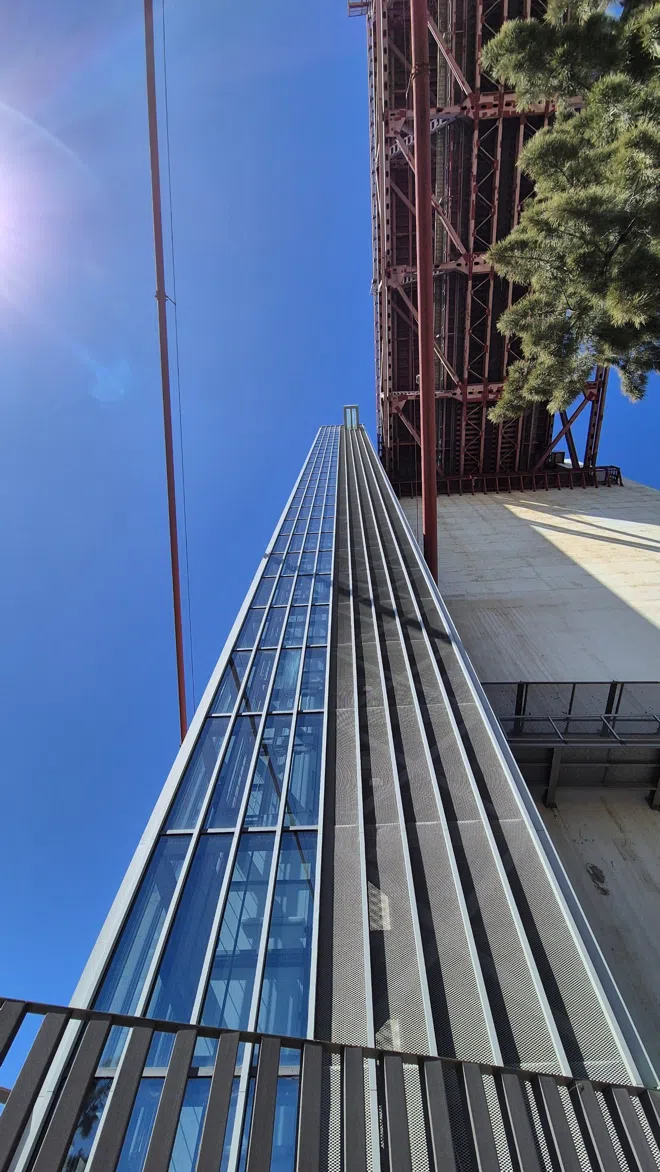
The former industrial quarter is a strong half-day choice for LX Factory, riverside walks, creative shops, restaurants and landmark views beneath the 25 de Abril Bridge. Best on weekends when LX Factory is busiest; choose a clear day for bridge and river views, especially from April to October.
Parque das Nações
Lisbon’s modern waterfront offers a contrasting day out built around the Oceanário, cable-car views, public art and broad riverfront promenades. A reliable rainy-day and family option year-round; the waterfront is particularly pleasant in spring and early autumn.
Arroios & Intendente
One of Lisbon’s most diverse urban areas mixes immigrant food, independent bars, regenerated squares, street art and a lively late-night scene. Best from late afternoon into the evening; outdoor squares and terrace culture are strongest from May through September.
Eat & drink
Where to eat in Lisbon
Real tables, by category — from seafood and grills to the budget classics locals actually queue for.
Seafood
The Atlantic coastline provides Lisbon with some of the freshest seafood in Europe, ranging from simple grilled fish to premium shellfish.
These are affiliate links. We may earn a commission when you book — at no extra cost to you. Tours are sold and operated by our partner, who is the merchant of record.
What it costs
Budgeting
Lisbon remains one of Western Europe's most affordable capitals, though prices for accommodation and dining have risen significantly in recent years.
Travel style
Per day
Backpacker
€50-70 (Hostel bed, metro transit, tasca lunches, free walking tours)
Mid-range
€120-180 (Boutique hotel, sit-down dinners, museum entries, occasional ride-shares)
Luxury
€350+ (Five-star hotel, fine dining, private tours, private drivers)
Timing
When to visit
The shoulder seasons of spring and autumn offer the most comfortable temperatures for walking the steep streets, with fewer crowds than the peak summer months.
SpringFrom March to May, temperatures range from 15°C to 22°C. The city is green, outdoor terraces are lively, and the intense summer heat has not yet arrived.
SummerJune to August is hot, dry, and crowded. June is particularly festive due to the month-long Santos Populares street parties, which fill the air with the scent of grilled sardines.
AutumnSeptember and October bring warm sea temperatures and thinning crowds, though late autumn introduces a higher chance of rain.
WinterFrom November to February, the weather is mild but can be wet. It is the quietest time for cultural sights, with short queues and cozy interiors in local taverns.
Humberto Delgado Airport is located within the city limits. The Metro Red Line connects the airport directly to the city center in approximately 20 minutes. Alternatively, ride-share services and taxis are highly affordable and readily available outside the arrivals terminal.
Public transit
The network consists of the metro, buses, historic trams, and vertical funiculars. The metro is clean, fast, and simple to navigate. The historic yellow trams, while iconic, are frequently overcrowded and popular targets for pickpockets.
Passes & tickets
The Navegante occasional card is the most practical option. It can be loaded with cash credit using the 'zapping' system, which lowers the cost of individual journeys across all transit modes. The Lisboa Card offers unlimited transit and free entry to major museums within a set 24, 48, or 72-hour window (€€ band).
On foot
Lisbon is highly walkable but physically demanding. The steep inclines and polished limestone pavements can be exceptionally slippery, especially when wet. Sturdy footwear with reliable grip is essential.
1
Avoid Tram 28 during peak hours; instead, ride the lesser-known Tram 24 for a similar historic experience with fewer crowds.
2
Always validate your transit ticket at the yellow machines before boarding trams or buses.
3
Keep a firm grip on your belongings when boarding any historic tram line.
Travel smart
Safety & etiquette
Lisbon is exceptionally safe, but pickpocketing is common on historic tram lines (especially Tram 28) and around major tourist hubs like Rossio and Baixa. Street dealers in downtown Baixa may offer you substances; a polite but firm 'no' is sufficient.
Local etiquette
Always greet shopkeepers with 'Bom dia' (good morning) or 'Boa tarde' (good afternoon).
Say 'Obrigado' (if you identify as male) or 'Obrigada' (if female) to say thank you.
Do not speak Spanish unless asked; while Portuguese understand it, they prefer English if you do not speak Portuguese.
From the ground
Practical tips
1
Wear shoes with rubber soles and excellent grip; the polished limestone pavements are incredibly slippery, even when dry.
2
The couvert (bread, olives, cheese) brought to your table at the start of a meal is not free; if you do not want it, politely ask the waiter to take it away.
3
Buy a Navegante card at any metro station and use the 'zapping' option to load cash; it makes fares significantly cheaper across metro, trams, and trains.
4
Avoid eating on Pink Street or directly on Rua Augusta; these are tourist traps with inflated prices and mediocre food.
5
If you want to ride a historic tram without the crowds, take Tram 24 from Praça Luís de Camões to Campolide instead of Tram 28.
6
Many of the best traditional tascas do not accept international credit cards; always carry some cash (€10-20) for smaller establishments.
7
To get a great view of the city without paying for the Santa Justa Lift, walk up to the Carmo Convent square and access the viewing platform for free from behind the lift.
Book direct
Book a hotel in Lisbon
Loading live availability and real-time prices…
Good to know
Lisbon FAQs
Is the tap water safe to drink in Lisbon?
Yes, tap water in Lisbon is perfectly safe and of high quality, though some older buildings may have older pipes that affect the taste.
Do I need to tip in restaurants?
Tipping is not mandatory or deeply rooted in Portuguese culture, but leaving 5-10% for exceptional service in sit-down restaurants is appreciated.
How do I avoid the long lines at Jerónimos Monastery?
Buy your tickets online in advance and arrive either right at opening or late in the afternoon when tour buses have departed.
Is Lisbon wheelchair accessible?
No, Lisbon is notoriously difficult for those with mobility issues due to its steep hills, uneven cobblestones, and lack of elevators in older metro stations.
What is the best way to get to Sintra?
Take the direct train from Rossio Station in central Lisbon; avoid driving as parking in Sintra is extremely limited and traffic is heavily restricted.