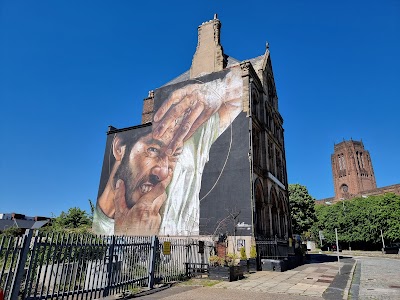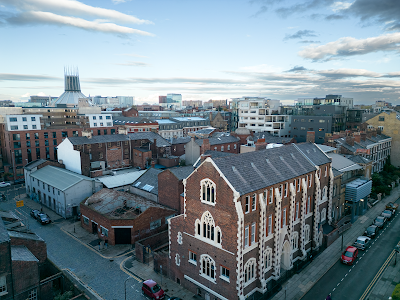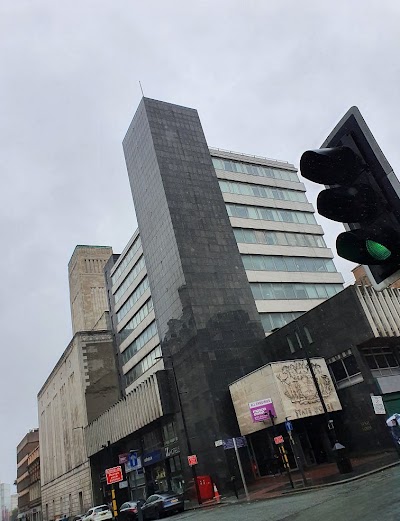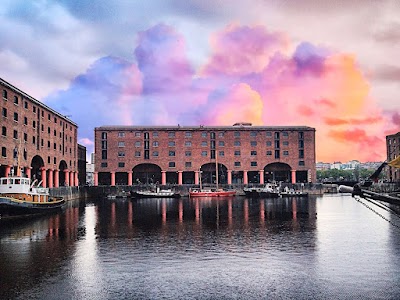
Liverpool at golden hour

Liverpool

A locally-written guide — where to stay, what to eat, and what not to miss.

The Liverpool guide

An insider’s read on Liverpool

Liverpool is defined by its relationship with the River Mersey and a fierce, independent spirit.

Liverpool is defined by its relationship with the River Mersey and a fierce, independent spirit. The city does not do things quietly. Its architecture is monumental, built on the immense wealth of a nineteenth-century global shipping empire, yet its modern energy is driven by a restless, self-deprecating creative class. Visitors often arrive expecting a museum dedicated entirely to 1960s pop music, but they find a complex, post-industrial city that has reinvented its docklands into hubs of digital art, independent dining, and underground nightlife.

There is a distinct lack of pretension here. The local identity is so strong that it can feel like a distinct territory within the country. This is a place where conversation is treated as an art form, and the hospitality is famously warm, if occasionally sharp-tongued. From the grand neoclassical stone of St George's Hall to the red-brick warehouses of the Baltic Triangle, the city physicalizes its transitions from imperial port to cultural powerhouse.

Where to base yourself

The neighborhoods

Where you sleep shapes the trip. Here’s the honest orientation, area by area.

Royal Albert Dock & Waterfront
via Google

Royal Albert Dock & Waterfront

For First-time visitors and museum lovers. The trade-off is that it can feel highly commercialized and lacks the gritty authenticity of the inner neighborhoods.

A historic waterfront lined with the largest single collection of Grade I-listed buildings in the country. It feels grand, breezy, and distinctly maritime.

Where to stayConverted warehouse hotels offer excellent views, though they carry a premium.

  • The Tate Liverpool gallery space at RIBA North.
  • The Merseyside Maritime Museum.
  • Walking along the Pier Head to view the Three Graces.
Ropewalks
via Google

Ropewalks

For Food lovers, vintage shoppers, and nightlife seekers. The trade-off is that it is noisy late into the night, especially on weekends.

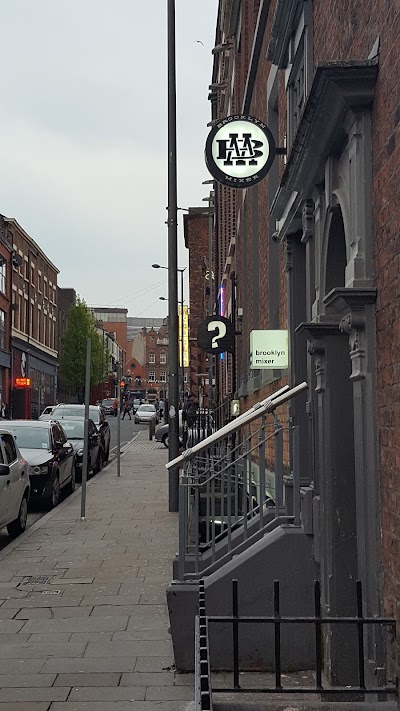
An energetic grid of nineteenth-century warehouse streets defined by independent shops, bars, and street art. Bold Street is the culinary spine.

Where to stayBoutique apart-hotels and industrial-style loft lodgings.

  • Browsing the independent book and record shops on Bold Street.
  • Drinking craft beer in the courtyard of Fact Liverpool.
  • Exploring the vintage clothing stores on Wood Street.
Baltic Triangle
via Google

Baltic Triangle

For Younger travelers, craft beer enthusiasts, and fans of electronic music. The trade-off is that it still looks quite industrial and raw in places.

The creative heart of the city, where former industrial warehouses have been converted into skateparks, breweries, tech hubs, and street-food markets.

Where to stayModern, minimalist apartments and budget-conscious design hotels.

  • Sampling local street food at the Baltic Market.
  • Browsing the creative studios and independent stalls in the Red Brick Market.
  • Catching a gig or DJ set at 24 Kitchen Street.
Georgian Quarter
via Google

Georgian Quarter

For Architecture enthusiasts, academics, and those seeking a quieter, more refined stay. The trade-off is that it is a uphill walk from the waterfront.

An elegant, quiet enclave of cobblestone streets, grand terraced townhouses, and traditional pubs, framed by two massive cathedrals.

Where to stayHigh-end boutique hotels and historic guest houses.

  • Walking down Falkner Street to admire the preserved Georgian facades.
  • Having a pint in the ornate, wood-paneled Philharmonic Dining Rooms.
  • Visiting the Liverpool Cathedral for panoramic views from the tower.
Atmosphere of Lark Lane & Aigburth, Liverpool

Lark Lane & Aigburth

For Slow travelers and families who want a village feel near a grand Victorian park. The trade-off is that it is a ten-minute train ride from the centre.

A bohemian neighborhood south of the city centre. Lark Lane is a narrow street packed with independent cafes, green-grocers, and bohemian bars.

Where to stayVictorian bed and breakfasts or rental apartments near Sefton Park.

  • Strolling through the Victorian Palm House in Sefton Park.
  • Sipping coffee outside on Lark Lane on a sunny morning.
  • Browsing the eclectic antique shops.
Business District & Dale Street
via Google

Business District & Dale Street

For Business travelers and those looking for traditional, historic pubs. The trade-off is that it can feel quiet and empty on Sundays.

A grand, Victorian-era commercial district that feels serious by day but transforms into a lively pub-crawling route by night.

Where to stayUpscale business hotels housed in grand, repurposed insurance buildings.

  • Admiring the neoclassical grandeur of the Liverpool Town Hall.
  • Exploring the historic real-ale pubs along Dale Street.
  • Visiting the Western Approaches WWII museum.

Don’t-miss

Signature experiences

The Mersey Ferry

The Mersey Ferry

Waterfront50 minutes

Taking the ferry across the river offers the definitive view of the iconic waterfront skyline, accompanied by historical commentary.

via Google
Crosby Beach Art Installation

Crosby Beach Art Installation

Crosby (North Liverpool)Half day

To see 'Another Place' by Antony Gormley, consisting of 100 cast-iron, life-sized figures staring out to sea, which are submerged and revealed by the tides.

via Google
Anfield Stadium Tour

Anfield Stadium Tour

Anfield2 hours

Even for non-football fans, this tour offers a deep dive into the cultural and emotional impact of Liverpool FC on the city's identity.

via Google

Beyond the city

Day trips

Chester

Chester

To explore a remarkably preserved Roman and medieval city, featuring complete city walls and unique two-tiered medieval shopping galleries.

Getting thereA direct 40-minute train journey on the Merseyrail Wirral Line from central stations.

Port Sunlight

Port Sunlight

A beautiful nineteenth-century model village built by industrialist William Hesketh Lever for his soap factory workers, featuring arts-and-crafts architecture and an art gallery.

Getting thereA 15-minute train ride on the Merseyrail Wirral Line to Port Sunlight station.

Formby Pine Woods & Dunes

Formby Pine Woods & Dunes

To walk through dramatic coastal sand dunes and pine forests that are home to rare native red squirrels, offering views across the Irish Sea.

Getting thereA 30-minute train ride on the Merseyrail Northern Line to Freshfield station, followed by a short walk.

via Google

What it costs

Budgeting

Liverpool is significantly more affordable than southern British cities, offering excellent value for dining, drinking, and cultural activities.

Travel stylePer day
Backpacker€50-70
Mid-range€110-160
Luxury€240+

Timing

When to visit

Late spring through early autumn offers the most reliable weather for exploring the waterfront, alongside a packed calendar of music and arts festivals.

SpringApril brings the Grand National horse racing festival, which takes over the city. Temperatures are cool but rising, and the parks begin to flower.
SummerJune to August is peak festival season, with events like Africa Oyé and Sound City. The waterfront is lively, though hotel prices spike significantly.
AutumnSeptember and October see the return of the large student population, injecting fresh energy into the nightlife and independent venues on Bold Street.
WinterNovember to February is cold, damp, and windy off the Mersey. However, the city's historic pubs are exceptionally cozy, and accommodation rates drop.

Logistics

Getting around

Orientation map of Liverpool
Map data © Google

From the airport

Liverpool John Lennon Airport (LPL) is located about nine miles south of the city centre. The Arriva 500 Express bus runs directly from the terminal to Liverpool One Bus Station in approximately 35 minutes. Alternatively, local buses connect to nearby Liverpool South Parkway station, where frequent Merseyrail trains run into the central stations.

Public transit

The Merseyrail network is highly efficient, connecting the city centre with the Wirral peninsula and northern suburbs like Crosby. For central areas, the bus network operated by Arriva and Stagecoach is extensive, though the compact nature of the core means you will rarely need it.

Passes & tickets

The Saveaway ticket is a cheap, off-peak day pass valid on all local trains, buses, and the Mersey Ferry within the Merseyside region, costing in the € band.

On foot

Extremely high. You can walk from the cathedral in the Georgian Quarter down to the waterfront in under twenty-five minutes. Most central attractions, restaurants, and bars are clustered within comfortable walking distance of each other.

  • 1
    Avoid driving in the city centre; one-way systems are confusing and parking is expensive.
  • 2
    Tap-and-go contactless payment is standard on almost all buses and at Merseyrail ticket barriers.
  • 3
    If crossing to the Wirral, the Merseyrail underground train is much faster than the famous ferry.

Travel smart

Safety & etiquette

Liverpool is generally a safe city for travelers, with a friendly and protective local population. Standard urban precautions apply in nightlife districts like Concert Square, which can get highly rowdy on weekend nights.

Local etiquette

  • Never buy or carry 'The Sun' newspaper. It is widely boycotted across the city due to its historical coverage of the 1989 Hillsborough football disaster.
  • Do not mock the local accent (Scouse). Locals are fiercely proud of their identity and do not appreciate being patronized.
  • Engage in conversation. Liverpudlians are exceptionally talkative; ignoring a friendly remark in a pub is considered cold.

From the ground

Practical tips

  • 1
    Buy a Saveaway ticket if you plan to use the trains and buses on the same day; it is much cheaper than buying single tickets.
  • 2
    Avoid Concert Square on Friday and Saturday nights if you dislike loud, chaotic, and drunken crowds.
  • 3
    Book your table at popular restaurants like Maray or Hawksmoor well in advance, especially for weekend dining.
  • 4
    Wear comfortable walking shoes; the city's historic streets are often cobbled and best explored on foot.
  • 5
    Check the cruise ship schedule; the waterfront and Albert Dock museums get exceptionally busy when large liners are in port.
  • 6
    Always carry a light windproof jacket, as the breeze coming off the River Mersey can be biting even in the summer.

Book direct

Book a hotel in Liverpool

Loading live availability and real-time prices…

Good to know

Liverpool FAQs

Is Liverpool safe for solo travelers?

Yes, it is very safe. The locals are famously helpful and approachable, making it easy to ask for directions or recommendations.

How many days do I need in Liverpool?

Three days is the ideal amount of time. This allows you to explore the waterfront, the creative quarters, the cathedrals, and take a quick trip to the coast.

Do I need to book football tickets in advance?

Yes, absolutely. Tickets for Liverpool FC matches at Anfield are incredibly difficult to get and must be purchased months in advance through official channels.

What is Scouse?

It is a traditional slow-cooked stew made of beef or lamb, potatoes, carrots, and onions, typically served with pickled beetroot and crusty bread.

Is the tap water safe to drink?

Yes, the tap water in Liverpool is of excellent quality and perfectly safe to drink.

Liverpool travel guide: neighbourhoods and things to do