A data-driven guide — where to stay, what to eat, and what not to miss.
Share
Guests & rooms
The London guide
An insider’s read on London
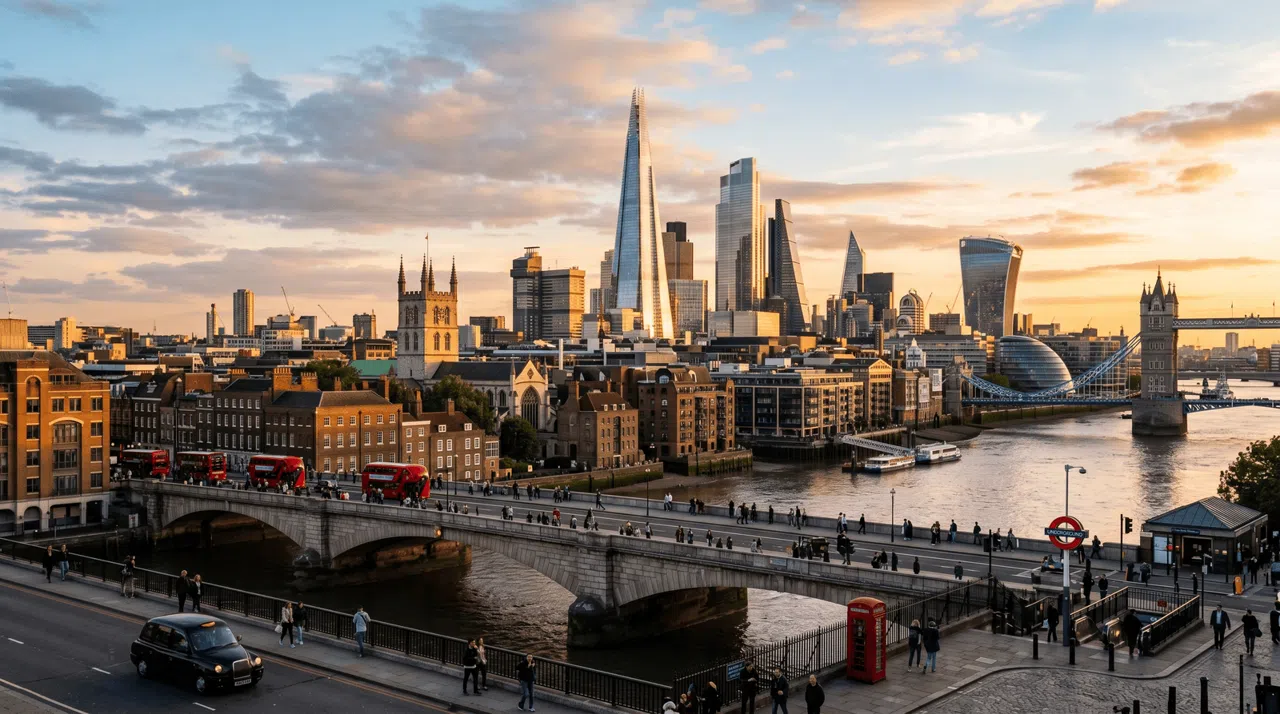
London operates as a collection of distinct urban villages stitched together by an ancient, subterranean transit network. It is a city defined by friction: medieval alleyways terminate at the bases of hyper-modern glass skyscrapers, and centuries-old royal parks border neighborhoods shaped by waves of global migration. The pace is relentless, the scale is intimidating, and the weather is a constant topic of conversation, yet it remains one of the world's premier cultural and financial engines.
Where to base yourself
The neighborhoods
Where you sleep shapes the trip. Here’s the honest orientation, area by area.
via Google
Soho & Covent Garden
For Those who want to be in the center of the action and do not mind constant crowds, street noise, and premium prices.
The historic heart of London's entertainment, theater, and nightlife scenes, packed with restaurants, historic pubs, and independent boutiques.
Where to sleepLook for boutique hotels tucked away on the quieter side streets of Soho or near Seven Dials.
Exploring the independent shops and cafes of Seven Dials.
Catching a world-class theater production in the West End.
Browsing the historic indoor market building in Covent Garden.
via Google
Shoreditch & Spitalfields
For Travelers seeking a contemporary, arts-focused vibe, though the area can feel overly commercialized and loud on weekend nights.
A former industrial district turned creative hub, known for its street art, vintage markets, independent coffee shops, and nightlife.
Where to sleepIndustrial-chic loft hotels and trendy boutique properties near Liverpool Street or Shoreditch High Street.
Browsing the food and craft stalls at Old Spitalfields Market.
Viewing the world-famous street art along Brick Lane and Redchurch Street.
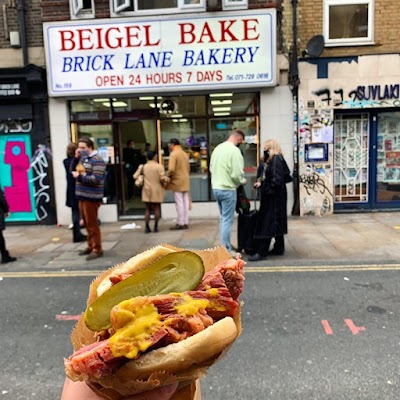
Sampling traditional salt beef bagels from the historic 24-hour bakeries.
via Google
Kensington & Chelsea
For Families and travelers seeking a quiet, safe, and elegant base, though it lacks late-night dining and nightlife options.
An affluent, residential area characterized by grand Victorian stucco townhouses, quiet garden squares, and major museums.
Where to sleepClassic luxury hotels and upscale townhouses near South Kensington or Sloane Square.
Visiting the cluster of free museums along Exhibition Road.
Strolling through the manicured paths of Kensington Gardens.
Shopping along the high-end boutiques of King's Road.
via Google
Southwark & Bermondsey
For Food lovers and walkers who want easy access to the riverfront, though the areas nearest to London Bridge get highly congested.
A historic riverside district that has evolved from industrial docklands into a premier culinary and cultural destination.
Where to sleepModern business hotels and converted warehouse boutiques near London Bridge or Bermondsey Street.
Eating your way through the historic Borough Market.
Walking the pedestrianized South Bank path past the Globe Theatre.
Exploring the contemporary art galleries of Bermondsey Street.
Greenwich
A self-contained riverside day out combining maritime history, royal architecture, a famous market, a huge park and exceptional skyline views. Best from late spring through early autumn; Greenwich Market runs throughout the week, with the liveliest atmosphere at weekends.
Westminster & St James's
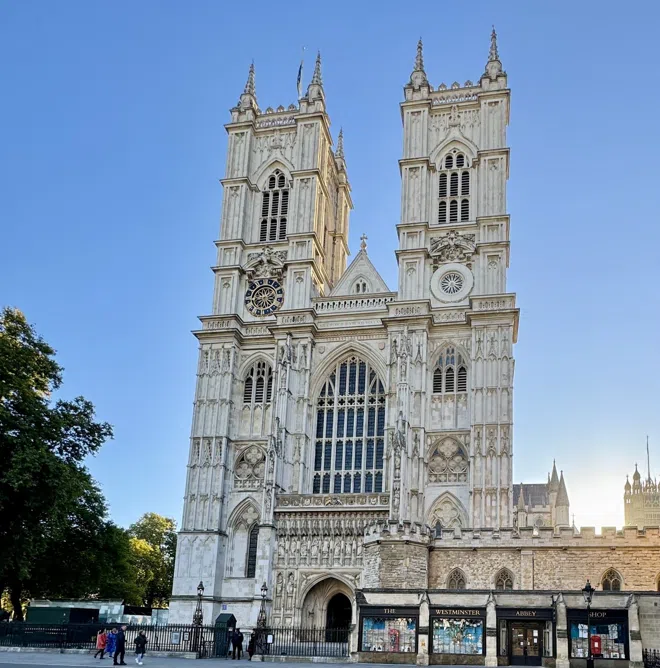
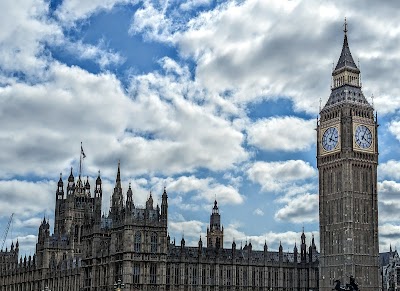
The essential royal and political London circuit, with monumental landmarks, ceremonial streets, parks and grand galleries within easy walking distance. Year-round; palace interiors and ceremonial events are especially popular from spring to early autumn.
Camden Town
A high-energy half-day of alternative shopping, canal walks, live music and some of London's most famous street food. Busiest at weekends; summer evenings are best for the canal and outdoor drinking, while the market operates daily.
City of London
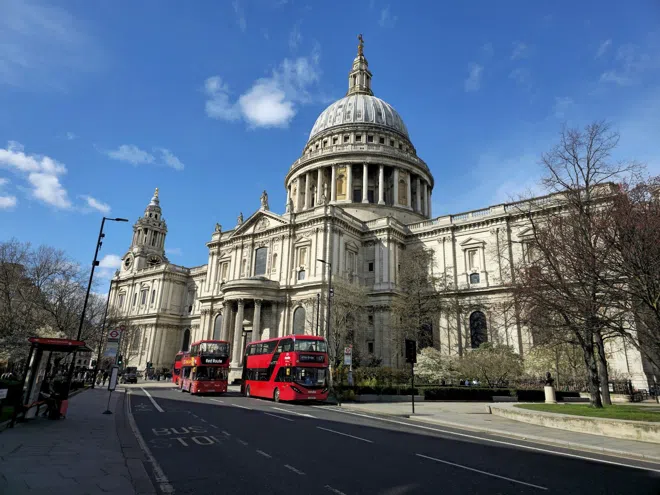
A compact historic district where Roman ruins, medieval churches, the Tower of London and dramatic modern viewpoints sit among atmospheric lanes. Best on weekdays for the full office-district atmosphere, or on quiet weekends for empty lanes and easier sightseeing.
Brixton
A lively south London hub for Caribbean and global food, Black British cultural history, markets, record shops and live music. Strong year-round; evenings suit live music and nightlife, while weekends are best for browsing the markets and eating.
Bloomsbury
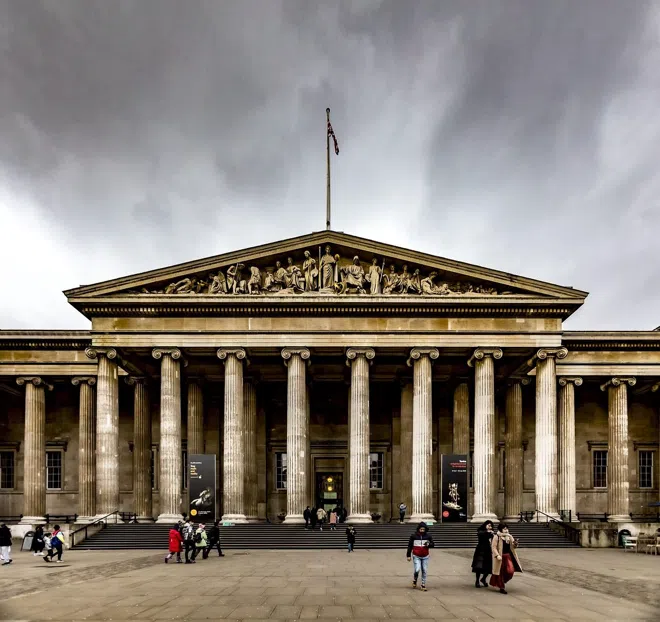
A calm, central culture district built around world-class collections, literary history, garden squares and the British Museum. Good year-round, especially in poor weather because of its concentration of major indoor museums; garden squares are best in spring.
Eat & drink
Where to eat in London
Real tables, by category — from seafood and grills to the budget classics locals actually queue for.
Seafood
London's seafood scene ranges from historic oyster rooms to modern, sustainable restaurants sourcing directly from British coastlines.
London is one of the world's most accommodating cities for plant-based dining, with dedicated vegetarian institutions and creative vegetable-forward menus.
This pedestrianized path along the River Thames takes you past the London Eye, Tate Modern, Shakespeare's Globe, and Borough Market, offering a perfect introduction to the city's geography and culture.
via Google
Borough Market Food Crawl
London Bridge2-3 hours★★★★★★★★★★4.6(127,773)
London's oldest and most famous food market is a sensory experience where you can sample British cheeses, fresh oysters, and hot street food from around the world.
via Google
West End Theatre Show
Soho & Covent GardenEvening★★★★★★★★★★3.8(11)
London's theater scene is rivaled only by Broadway, offering world-class plays, musicals, and cutting-edge independent productions every night.
via Google
Beyond the city
Day trips
Oxford
Explore the historic university town, its stunning honey-colored stone colleges, the Bodleian Library, and traditional pubs.
Getting there1 hour by direct train from Paddington Station.
Bath
A UNESCO World Heritage city famous for its ancient Roman Baths, striking Georgian crescent architecture, and connections to Jane Austen.
Getting there1 hour 20 minutes by direct train from Paddington Station.
Windsor Castle
★★★★★★★★★★4.7(64,928)
Visit the oldest and largest occupied castle in the world, an official residence of the British monarch.
Getting there40 minutes by train from Waterloo or Paddington Station.
via Google
Book ahead
Things to do in London
Top-rated tours, tickets and experiences — book in seconds, skip the line.
These are affiliate links. We may earn a commission when you book — at no extra cost to you. Tours are sold and operated by our partner, who is the merchant of record.
What it costs
Budgeting
London is an expensive city, but many of its world-class museums and galleries are free, which helps offset high dining and lodging costs.
Travel style
Per day
Backpacker
€60-90
Mid-range
€180-280
Luxury
€500+
Timing
When to visit
The shoulder seasons of spring and autumn offer the most comfortable balance of manageable crowds, moderate weather, and active cultural calendars.
SpringApril to May brings crisp air, blooming daffodils in the royal parks, and outdoor markets coming back to life, though light rain is always a possibility.
SummerJune to August offers long daylight hours and lively park culture, but the Underground can become uncomfortably hot, and central tourist areas are highly congested.
AutumnSeptember to November sees the city turn golden, with cooler temperatures, the launch of the major autumn art exhibitions, and fewer crowds.
WinterDecember to March is cold and dark by 4:00 PM, but the city compensates with festive light displays, ice rinks, and quiet, warm museums.
From Heathrow, the Elizabeth Line offers a fast, mid-priced route to central London, while the Heathrow Express is faster but more expensive, and the Piccadilly Line is the slowest, cheapest option. From Gatwick, Thameslink trains provide direct access to the City and Blackfriars, while the Gatwick Express runs directly to Victoria.
Public transit
The Underground (Tube), Overground, and double-decker buses form a comprehensive network. Tap-to-pay using a contactless bank card, phone, or smart watch is universal and automatically calculates the cheapest daily fare cap.
Passes & tickets
Physical Oyster Cards are largely obsolete for short-term visitors; using your own contactless payment card or mobile device is the most efficient method and operates on the same price bands.
On foot
While individual neighborhoods like Soho, Covent Garden, and Mayfair are highly walkable, the city is too vast to traverse entirely on foot. Walking is best used for exploring localized areas rather than traveling between distant districts.
1
Always stand on the right side of escalators in Tube stations to allow commuters to pass on the left.
2
Avoid using the Tube for very short journeys, such as Leicester Square to Covent Garden, which is faster to walk.
3
Buses offer a scenic, cheaper alternative to the Tube if you are not in a rush and want to see the streets.
Travel smart
Safety & etiquette
London is generally safe, but phone-snatching by thieves on mopeds or bicycles is highly common, especially near busy Tube stations and tourist hubs. Keep your phone secure and avoid walking with it out mindlessly.
Local etiquette
Always stand on the right of the escalator on the Tube.
Let passengers off the train completely before attempting to board.
Avoid making direct eye contact on the Tube; locals prefer quiet, personal space.
Queue (line up) orderly and never attempt to cut in.
From the ground
Practical tips
1
Avoid the Heathrow Express unless you are in a massive rush; the Elizabeth Line is nearly as fast and costs half the price.
2
Download the Citymapper app; it is far more accurate for London transit delays and route planning than standard map apps.
3
Book popular restaurants and West End theatre tickets weeks in advance; walk-ins are increasingly rare in central London.
4
Avoid taking black cabs for long cross-city journeys; traffic gridlock means the meter will run high, and the Tube is almost always faster.
5
If visiting Borough Market, go on a Thursday or Friday morning; Saturdays are intensely crowded and difficult to navigate.
6
Always carry a compact umbrella or a light waterproof jacket; London weather is notoriously unpredictable even on sunny days.
Book direct
Book a hotel in London
Loading live availability and real-time prices…
Good to know
London FAQs
Do I need cash in London?
No, London is almost entirely cashless; contactless cards or mobile pay are accepted everywhere, even by street performers and buses.
Is the tap water safe to drink?
Yes, tap water in London is perfectly safe, though it is hard water and may taste slightly chalky to some.
How do I pay for the Tube?
Simply tap your contactless bank card, phone, or smart watch on the yellow reader at the barriers; there is no need to buy a ticket.
Are London museums really free?
Yes, the permanent collections of major national museums like the British Museum and Tate Modern are completely free, though special exhibitions require tickets.
Do I need to tip in restaurants?
A discretionary 12.5% service charge is usually added to restaurant bills; if it is included, you do not need to tip extra.