97 city guides · 2,959 stories, new content daily

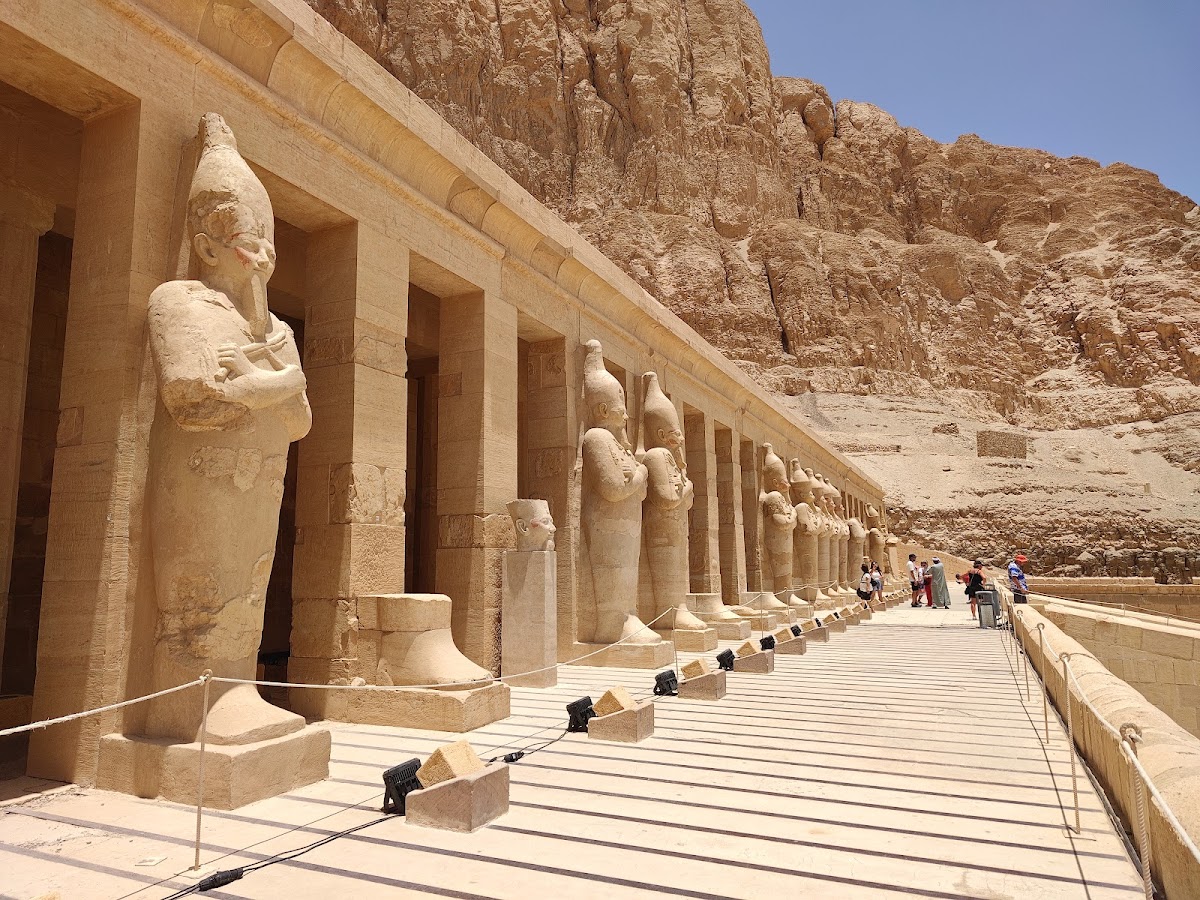
A stunning, three-tiered terraced temple built directly into the towering limestone cliffs of Deir el-Bahari.
Very exposed to the sun; bring water and a hat.

Set in the courtyard of a historic hotel, serving organic vegetables sourced directly from nearby West Bank farms.
What to order: Slow-baked vegetable moussaka
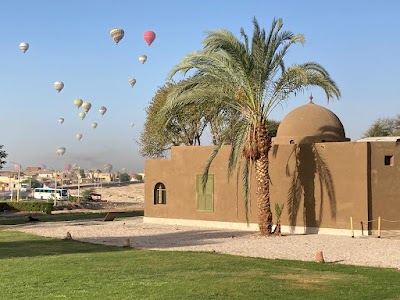
The domed mudbrick residence where Howard Carter lived during his search for Tutankhamun's tomb, preserved with his original furniture, tools, and photographic darkroom.
Tip: Located near the entrance to the Valley of the Kings. A quiet, evocative stop.
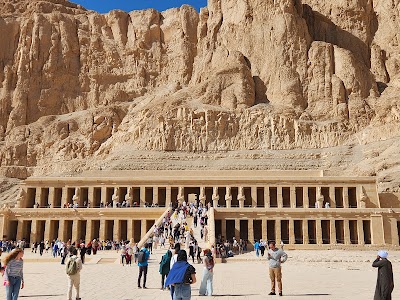
The burial site of Egypt's New Kingdom pharaohs, where deep rock-cut tombs feature incredibly vibrant, original painted reliefs.
Tip: A standard ticket includes entry to three tombs. The tombs of Tutankhamun, Seti I, and Ramesses VI require extra tickets.
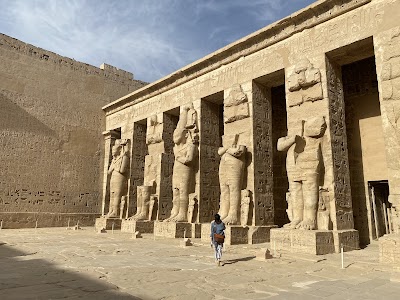
A. Opening Hours : 6 am to 5 pm B. Ticket: EGP 440, for Son et lumière US$ 20 C. Location : Al Qarna, Luxor Governorate 1340420, Egypt D. Travel mode: Cruise arranges the teavel F. PHOTOGRAPHY : Allowed This three-terraced mortuary temple was built in the memory of female pharaoh of the 18th dynasty Hotshetpsut. The temple is dedicated to Amun, Hathor and Anubis. The beautiful temple is a signature of power, divine legitimacy and artistic skills of that time. We saw this beautiful temple during our recent visit to Egypt. We visited this on our way from Luxor to Hurghada. We reached around 11 in the morning. From the bus station to the main temple is quite far (about 1 km ) and you can take a electric shuttle at EGP 5 per person. The temple has a long amateurs to climb to the upper levels. The lower level is enclosed by a long wall. There are two lion statues. The portico has lot of relief works. All the levels are connected with ramps and stairs. This magnificent structure with beautiful colonnade and stunning relief works is a must do attraction during Egypt Sojourn
Visiting the Mortuary Temple of Hatshepsut was one of the highlights of my Egypt trip. The setting is extraordinary: a huge temple rising in elegant terraces beneath sheer desert cliffs, with a sense of symmetry and power that makes it feel both monumental and serene. Hatshepsut’s story as a female pharaoh adds real depth to the visit, and the temple’s reliefs, colonnades, and cliffside location make it unforgettable. The site is impressive not only for its architecture but also for its history. Built in the New Kingdom and designed by Senenmut, the temple served as Hatshepsut’s mortuary temple and includes shrines connected to Amun, Hathor, Anubis, and Ra-Horakhty. The combination of royal ambition, spiritual symbolism, and dramatic landscape creates a place that feels genuinely unique in Egypt
Definitely a true wonder, as I am biased, it was built by a fierce woman ruler!! Every angle, detail, preserved areas, give you a sense of what the ancients from her dynasty were like. Thank you Egypt, Egyptian and Polish Archeologicalists, for your restoration efforts and preserving these important grandiose structures for many of us to enjoy!
The Symmetrical Masterpiece of Egypt's Female Pharaoh A breathtaking fusion of ancient engineering and raw nature, perfectly experienced in the cool winter air As part of our comprehensive tour of the West Bank, the Mortuary Temple of Queen Hatshepsut was an absolute highlight. Unlike some other ancient locations that feel a bit neglected, this site is exceptionally well-maintained, organized, and easy to navigate. We timed our visit perfectly during the winter. I cannot overstate how important this is—the temperature was incredibly pleasant, allowing us to fully explore the vast, open terraces without the brutal intensity of the Egyptian sun. Even better, we were lucky enough to visit when there were no massive crowds. Walking up the monumental ramps in relative peace gave the site a profound sense of majesty. Hatshepsut was one of Egypt's most formidable rulers, a woman who boldly declared herself Pharaoh and presided over a long era of peace and prosperity. Her temple reflects her unprecedented reign. Instead of a traditional closed structure, her architect, Senenmut, designed three sweeping colonnaded terraces that seem to emerge directly out of the towering, golden limestone cliffs of Deir el-Bahari. The symmetry of the pillars against the rugged mountain backdrop looks shockingly modern, despite being built over 3,400 years ago. For documentarians, photographers, and history lovers, this is a dream location. The clean lines of the colonnades creating deep shadows under the sun make for spectacular compositions. A flawless 5-star historical experience.
Reviews are from Google. See the listing on Google Maps.