A data-driven guide — where to stay, what to eat, and what not to miss.
Guests & rooms
The Madrid guide
An insider’s read on Madrid
filling plazas and pavement terraces regardless of the day of the week.
Madrid does not ease you into its rhythm; it demands you match its late-night, high-energy pace from the moment you arrive. The Spanish capital is defined by a relentless social gravity that pulls people out of their apartments and onto the streets, filling plazas and pavement terraces regardless of the day of the week. It is a city where morning starts late, afternoon lunch is an event, and the night is treated as an entirely separate day.
Where to base yourself
The neighborhoods
Where you sleep shapes the trip. Here’s the honest orientation, area by area.
via Google
Centro (Sol & Gran Vía)
For First-time visitors who want to be within walking distance of everything, though the trade-off is constant noise, heavy crowds, and a high concentration of tourist traps.
The chaotic, high-energy geographic heart of the city, dominated by grand early-20th-century architecture, shopping crowds, and historic plazas.
Where to sleepLook for hotels tucked into the side streets off Gran Vía to escape the direct street noise while remaining central.
The historic Plaza Mayor with its grand slate-spire architecture.
Gran Vía's impressive Belle Époque facades and theaters.
The bustling Puerta del Sol, the symbolic center of Spain's road network.
via Google
Malasaña
For Younger travelers and vintage shoppers. The trade-off is that the narrow streets can get exceptionally loud and gritty on Friday and Saturday nights.
The birthplace of La Movida Madrileña, now a creative hub filled with vintage clothing stores, indie coffee shops, and historic taverns.
Where to sleepBoutique apartments or design-forward hostels near Plaza de San Ildefonso.
Plaza del Dos de Mayo, the social heart of the neighborhood.
Calle Velarde for its dense concentration of vintage clothing boutiques.
Traditional vermouth bars that have operated for over a century.
via Google
Chueca
For Design lovers and nightlife seekers who appreciate a tolerant, lively atmosphere. Trade-off: Accommodation prices tend to be higher here.
The city's famous LGBTQ+ district, known for its fashion-forward boutiques, lively plazas, and excellent dining scene.
Where to sleepStylish boutique hotels housed in restored 19th-century residential buildings.
Plaza de Chueca, perfect for afternoon people-watching over drinks.
Mercado de San Antón, a multi-story market with food stalls and a rooftop terrace.
Independent shoe shops along Calle Augusto Figueroa.
via Google
La Latina
For Food lovers and those seeking a historic atmosphere. Trade-off: The neighborhood becomes incredibly packed on Sundays due to the Rastro market.
A maze of narrow, medieval streets and historic plazas, famous for hosting the city's most traditional tapas crawls.
Where to sleepTraditional apartments with balconies overlooking quiet interior courtyards.
Calle Cava Baja, a street lined almost entirely with historic tapas bars.
The atmospheric Plaza de la Paja, a quiet spot for outdoor dining.
The Basilica of San Francisco el Grande with its massive dome.
via Google
Lavapiés
For Budget travelers and art enthusiasts. Trade-off: It has a rougher, more unpolished edge than neighboring districts.
A multicultural, bohemian neighborhood where steep streets are lined with Indian restaurants, cultural centers, and street art.
Where to sleepBudget-friendly guesthouses and artistic apartments near the Reina Sofía museum.
The dynamic cultural center of La Casa Encendida.
Mercado de San Fernando, a traditional market with a strong community vibe.
The steep, colorful streets of Calle de Argumosa, lined with outdoor terraces.
via Google
Salamanca
For Luxury travelers and shoppers who prefer a quiet, upscale environment. Trade-off: It lacks the bohemian character and street-level energy of the central barrios.
An elegant, grid-patterned district defined by wide boulevards, high-end designer boutiques, and Michelin-starred dining.
Where to sleepFive-star international hotels and refined boutique properties.
The luxury shopping strip of Calle de Serrano.
The National Archaeological Museum, housing ancient Iberian treasures.
Elegant dining destinations along Calle de Jorge Juan.
via Google
Retiro (Jerónimos)
For Families and travelers seeking peace, green space, and proximity to the major art museums. Trade-off: Very quiet at night with limited budget dining options.
A quiet, aristocratic neighborhood bordering the city's grandest park, defined by elegant 19th-century residential blocks.
Where to sleepClassic, grand hotels and upscale apartments near the park gates.
El Retiro Park, featuring the glass-and-iron Palacio de Cristal.
The world-renowned Prado Museum.
The quiet, tree-lined boulevard of Paseo del Prado.
via Google
Chamberí
For Slow travelers and food enthusiasts who want to experience how locals actually live. Trade-off: It is a 20-30 minute walk from the main historic sights.
A traditional, upper-middle-class residential district that offers an authentic slice of local life, free from heavy tourist crowds.
Where to sleepUnderstated boutique hotels and residential apartment rentals.
Calle de Ponzano, a legendary street for high-quality tapas and modern dining.
The Sorolla Museum, set in the painter's former home and garden.
Plaza de Olavide, a circular, pedestrianized plaza popular for afternoon drinks.
via Google
Huertas / Barrio de las Letras
For Culture lovers and walkers who want a central location with historic charm. Trade-off: Some streets can get noisy with late-night bar crowds.
The historic literary quarter, where golden-age writers once lived, characterized by pedestrianized streets and literary quotes paved into the ground.
Where to sleepCharacter-filled boutique hotels in restored historic buildings.
Plaza de Santa Ana, a historic square lined with cafes and a grand theater.
The house-museum of legendary playwright Lope de Vega.
Calle de las Huertas, a pedestrianized spine filled with jazz clubs and taverns.
Eat & drink
Where to eat in Madrid
Real tables, by category — from seafood and grills to the budget classics locals actually queue for.
Seafood
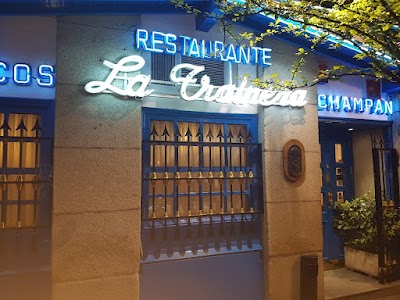
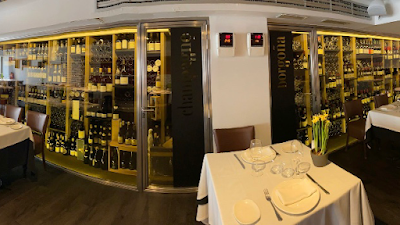
Despite its landlocked location in the center of the Iberian Peninsula, Madrid is home to the second-largest fish market in the world, ensuring that its seafood restaurants receive the freshest daily catches from the Atlantic and Mediterranean coasts.
Madrid's meat culture is dominated by Castilian wood-fired roasting ovens and Basque-style grills, focusing on exceptional cuts of beef and milk-fed meats.
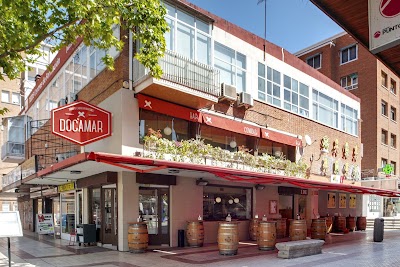
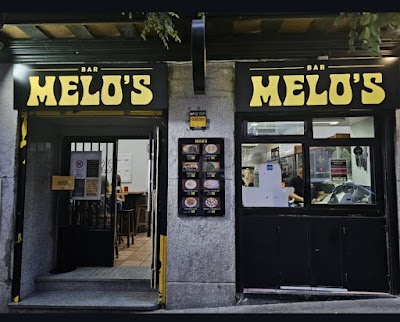
Tapas dining in Madrid is an active pursuit. Rather than sitting for a full meal, locals move from bar to bar, ordering a small drink and a single specialty at each stop.
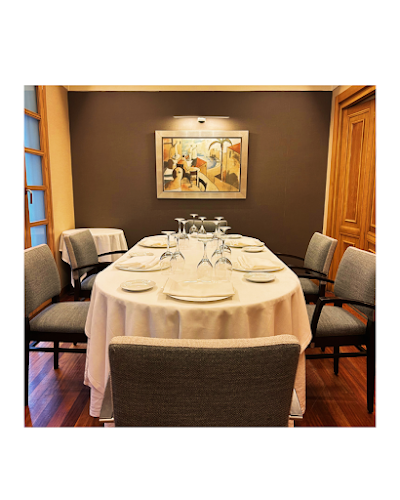
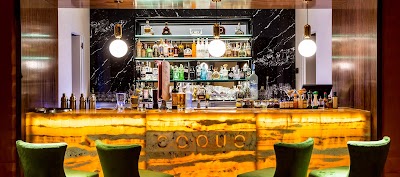
Madrid's high-end culinary scene is highly creative and theatrical, blending traditional Spanish ingredients with global techniques and dramatic presentations.
Museums, landmarks and galleries worth structuring a day around.
Museums
Madrid's 'Golden Triangle of Art' along the Paseo del Prado holds one of the most concentrated and valuable collections of European paintings in the world.
The city's architecture is a visual timeline, transitioning from medieval brickwork to grand Habsburg stone, Bourbon palaces, and early-20th-century skyscrapers.
The centuries-old open-air flea market is a essential Madrid ritual. Browse the antique shops on the side streets before joining the locals for vermouth and tapas in La Latina.
via Google
Rowing in El Retiro
Retiro1 hour★★★★★★★★★★4.3(12)
Rent a blue rowboat on the park's central lake under the monument to Alfonso XII, a classic local pastime enjoyed on sunny afternoons.
via Google
Sunset at the Temple of Debod
Moncloa1-2 hours★★★★★★★★★★4.4(68,191)
Watch the sun go down over the Casa de Campo forest from the grounds of an ancient Egyptian temple, where the light reflects beautifully in the surrounding pools.
via Google
Beyond the city
Day trips
Toledo
The historic capital perched on a gorge over the Tagus River, famous for its medieval architecture, Gothic cathedral, and El Greco masterpieces.
Getting there30 minutes via the Avant high-speed train from Atocha Station.
Segovia
Home to a monumental Roman aqueduct, a fairy-tale castle that inspired Disney, and traditional restaurants serving roast suckling pig.
Getting there30 minutes via the high-speed train from Chamartín Station.
San Lorenzo de El Escorial
Philip II's colossal 16th-century monastery-palace complex in the Guadarrama mountains, a sobering symbol of Spanish imperial power.
Getting there1 hour via the Cercanías commuter train (Line C3) from Sol or Atocha.
Book ahead
Things to do in Madrid
Top-rated tours, tickets and experiences — book in seconds, skip the line.
These are affiliate links. We may earn a commission when you book — at no extra cost to you. Tours are sold and operated by our partner, who is the merchant of record.
What it costs
Budgeting
Madrid offers excellent value compared to other major European capitals, particularly when it comes to food, drink, and public transit, though accommodation prices have risen significantly.
Travel style
Per day
Backpacker
€50-80 (hostel dorm, lunch menu del día, free tapas, walking/metro)
Mid-range
€130-220 (boutique hotel, sit-down dinners, museum entries, occasional taxi)
Luxury
€380+ (five-star hotel, fine dining, private tours, premium cocktail bars)
Timing
When to visit
The transitional seasons of spring and autumn offer the most comfortable weather for exploring the city's outdoor spaces and terrace culture.
SpringFrom April to June, the city is at its best. Temperatures are warm, the parks are green, and the outdoor terraces are packed with locals enjoying afternoon drinks.
SummerJuly and August bring intense, dry Castilian heat. Many independent shops and restaurants close for several weeks in August as locals head to the coast.
AutumnSeptember to November brings cool breezes and golden light, making it an ideal time for walking through the historic center and Retiro Park.
WinterDecember to March is cold and crisp, but often accompanied by clear blue skies. It is the perfect season for heavy local stews and quiet museum visits.
The Exprés Aeropuerto bus runs 24 hours a day, connecting Madrid-Barajas Airport to Atocha station in about 40 minutes. Alternatively, Metro Line 8 runs directly to Nuevos Ministerios, and the Cercanías commuter train (Line C1) connects Terminal 4 to the central stations.
Public transit
The Metro network is clean, fast, and exceptionally easy to navigate. It is complemented by an extensive EMT bus system that includes night buses known as 'búhos'.
Passes & tickets
The Tarjeta Multi is a rechargeable public transport card. You can load it with a 10-trip ticket (Metrobús) which covers both the Metro and EMT buses within Zone A, offering significant savings over single tickets in the € band.
On foot
The historic center is highly walkable, with major sights, restaurants, and neighborhoods clustered close together, though some areas like Lavapiés and La Latina feature steep inclines.
1
Always validate your Tarjeta Multi at the turnstile before entering the Metro platform.
2
Avoid taking taxis during the morning and evening rush hours when central streets experience heavy gridlock.
3
Download the official EMT app to get real-time arrival estimates for city buses.
Travel smart
Safety & etiquette
Madrid is generally very safe, with low rates of violent crime. However, pickpocketing is highly organized and rampant in crowded tourist areas like Puerta del Sol, Gran Vía, metro stations, and the Rastro flea market. Keep your bags zipped and never leave your phone on an outdoor table.
Local etiquette
Tipping is not mandatory; locals simply leave small change at casual spots or 5-10% at high-end restaurants for exceptional service.
Do not expect quick service in traditional restaurants; dining is meant to be a slow, social experience.
Avoid wearing beachwear or athletic clothing when dining out in the evening; locals tend to dress smart-casual.
From the ground
Practical tips
1
Order 'agua del grifo' (tap water) instead of bottled water to save money, as it is perfectly clean and tastes great.
2
Take advantage of the free entry hours at the Prado and Reina Sofía, which occur in the late afternoons.
3
Avoid eating on Plaza Mayor; walk one block away to find better quality food at half the price.
4
Buy a 10-trip 'Tarjeta Multi' transit card, which can be shared among multiple people traveling together.
5
If visiting El Rastro on Sunday, keep your backpack on your front and your phone in your front pocket.
6
Look for the 'Menú del Día' for lunch—it is the best value meal in Spain.
Book direct
Book a hotel in Madrid
Loading live availability and real-time prices…
Good to know
Madrid FAQs
Do I need to book museum tickets in advance?
Yes, especially for the Prado and Reina Sofía to secure your preferred time slot and avoid long lines.
What is a 'Menú del Día'?
A highly economical, three-course lunch menu offered by almost all traditional restaurants on weekdays.
Is tap water safe to drink in Madrid?
Yes, Madrid has some of the best, cleanest tap water in Spain, sourced from the nearby Guadarrama mountains.
When do shops close for siesta?
Large chains and department stores stay open all day, but smaller family-run shops may close between 2:00 PM and 5:00 PM.