A data-driven guide — where to stay, what to eat, and what not to miss.
Guests & rooms
The Milan guide
An insider’s read on Milan
Sidewalks fill with locals nursing Negronis, and the city's design-led bars and restaurants come alive.
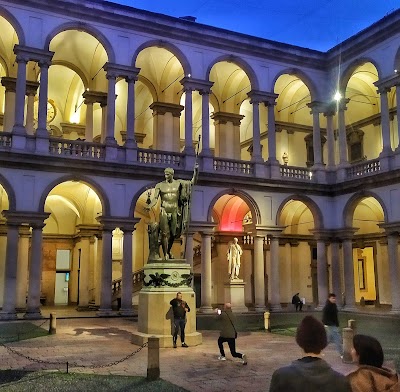
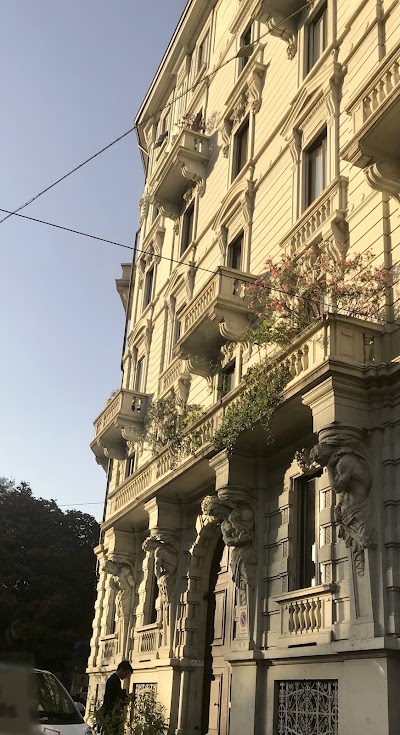
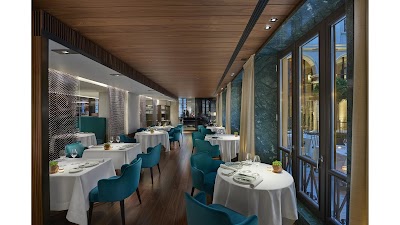
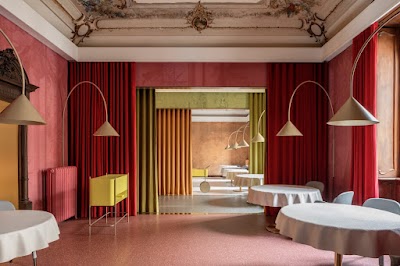
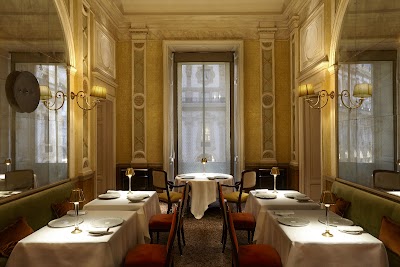
Milan is a city defined by its interior life. To the passing observer, its grey, rationalist facades and fast-paced financial district can seem imposing, even austere. But step through the heavy timber portals of its residential palazzi and you find a world of private courtyards, terrazzo floors, and manicured gardens that reveal the true, opulent character of the city.
This is Italy's engine room of design, fashion, and finance. The local culture demands a high level of personal presentation, a concept known as bella figura, which influences everything from the architecture to the way an espresso is ordered. It is a city that does not court tourists with easy charm; instead, it requires you to know exactly where you are going.
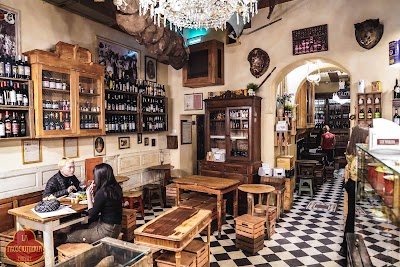
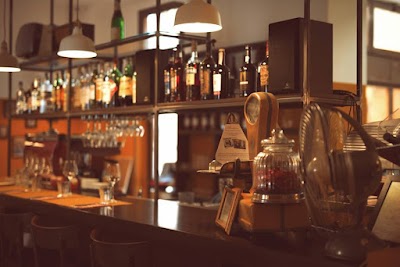
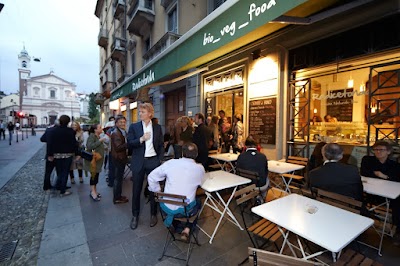
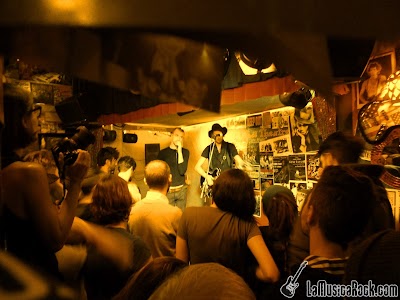
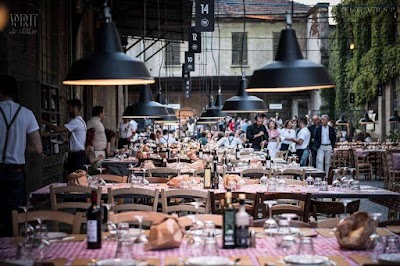
As evening falls, the corporate energy transitions seamlessly into the ritual of the aperitivo. Sidewalks fill with locals nursing Negronis, and the city's design-led bars and restaurants come alive. Milan rewards those who appreciate precision, modern art, and culinary execution that respects tradition while embracing global techniques.
Where to base yourself
The neighborhoods
Where you sleep shapes the trip. Here’s the honest orientation, area by area.
via Google
Duomo & Centro Storico
For First-time visitors who want to be within walking distance of major landmarks. The trade-off is high prices, heavy tourist crowds, and a lack of authentic neighborhood life after dark.
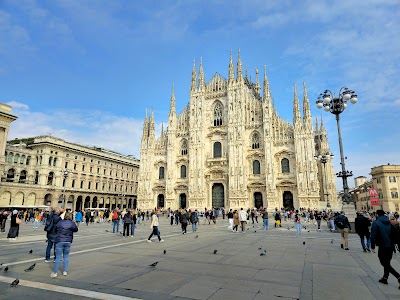
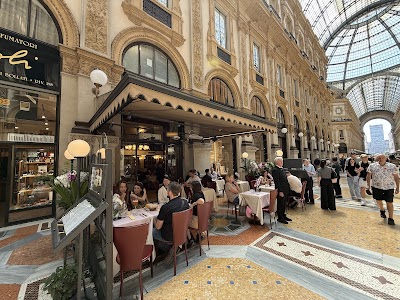
The high-energy, commercial core of the city, dominated by the Gothic cathedral and grand 19th-century shopping galleries.
Where to sleepHigh-end luxury hotels and grand historic properties dominate this area.
The Duomo di Milano and its walkable rooftop terraces.
The glass-domed Galleria Vittorio Emanuele II.
Palazzo Reale, hosting major art exhibitions.
via Google
Brera
For Travelers seeking a refined, aesthetic atmosphere. The trade-off is that dining and shopping here carry a premium price tag.
An artistic district characterized by narrow cobblestone streets, mid-century apartments, upscale boutiques, and outdoor cafes.
Where to sleepChic design hotels and boutique guesthouses.
The Pinacoteca di Brera art gallery.
The peaceful Orto Botanico di Brera.
Historic cafes like Bar Jamaica, a former hangout for artists and writers.
via Google
Navigli
For Younger travelers and nightlife enthusiasts. The trade-off is that it gets very noisy at night, and the canals attract mosquitoes during summer.
A canal district defined by its bohemian history, iron bridges, and a high concentration of bars and restaurants.
Where to sleepTrendy apartments, hostels, and budget-friendly guesthouses.
The historic washhouse, Vicolo dei Lavandai.
The monthly antique market along the Naviglio Grande.
Aperitivo bars lining the water.
via Google
Porta Venezia
For Food lovers and those seeking a cosmopolitan vibe. The trade-off is the heavy traffic along the main thoroughfare of Corso Buenos Aires.
A diverse, leafy neighborhood featuring Liberty-style architecture, a prominent LGBTQ+ scene, and excellent dining options.
Where to sleepMid-range design hotels and stylish apartment rentals.
The public gardens of Giardini Pubblici Indro Montanelli.
The modernist villa Villa Necchi Campiglio.
The art nouveau facades of Palazzo Castiglioni.
via Google
Isola
For Independent travelers looking for a local, community feel. The trade-off is that it is slightly removed from the historic center.
A former working-class enclave that has transformed into a hipster neighborhood filled with street art, independent shops, and local markets.
Where to sleepModern apartments and contemporary business-boutique hotels.
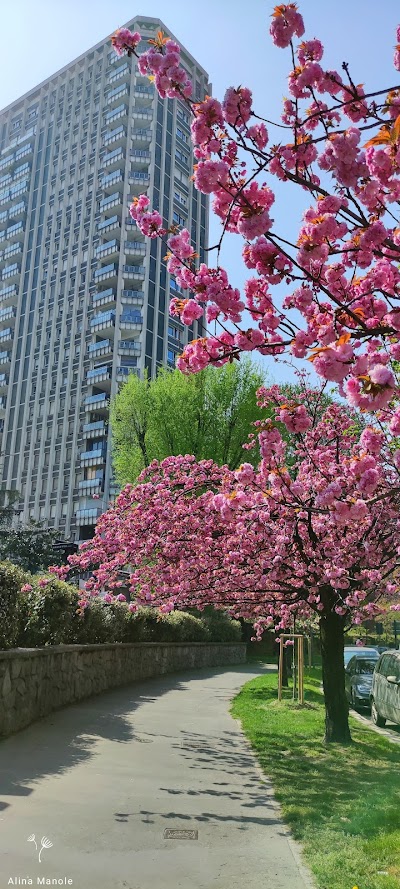
The innovative Bosco Verticale (Vertical Forest) residential towers.
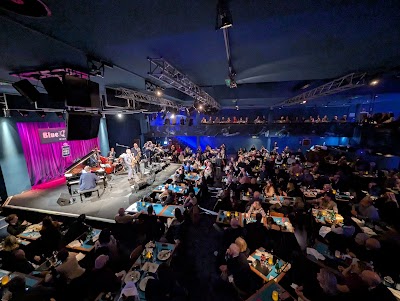
The legendary Blue Note jazz club.
Frida, a neighborhood institution for drinks in a leafy courtyard.
via Google
Porta Romana
For Slow travelers and foodies who want a quiet base with top-tier dining. The trade-off is a quieter nightlife scene compared to neighboring Navigli.
An upscale residential neighborhood known for its excellent food scene, thermal baths, and quiet, tree-lined streets.
Where to sleepResidential apartments and classic, unpretentious hotels.
The QC Termemilano wellness complex set within ancient Spanish walls.
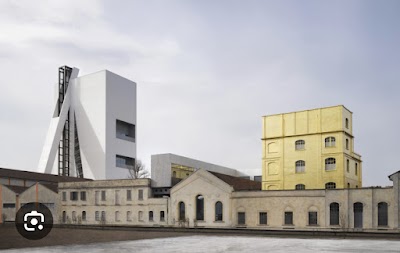
The contemporary art hub Fondazione Prada, located just to the south.
Cascina Cuccagna, a restored 18th-century farmhouse with a restaurant and market.
via Google
Tortona
For Design professionals and fashion enthusiasts. The trade-off is that the neighborhood can feel quiet and empty outside of major event weeks.
A post-industrial creative hub filled with former factories converted into fashion showrooms, photography studios, and design spaces.
Where to sleepIndustrial-chic boutique hotels.
MUDEC (Museum of Cultures), designed by David Chipperfield.
The Armani/Silos fashion museum.
Base Milano, a collaborative cultural and creative space.
via Google
Sempione & Arco della Pace
For Families and travelers who appreciate green space and classical architecture. The trade-off is limited metro access directly at the arch, requiring tram travel.
A stately, green neighborhood centered around the city's largest park and a grand neoclassical triumphal arch.
Where to sleepClassic mid-range hotels and elegant apartments.
Parco Sempione, the city's central green lung.
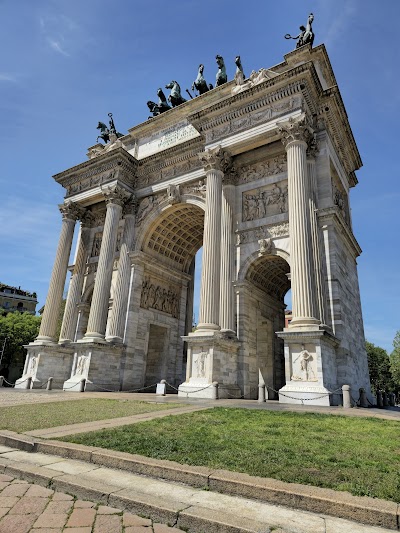
The neoclassical Arco della Pace.
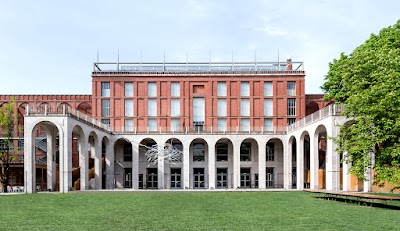
The Triennale di Milano design museum.
via Google
NoLo (North of Loreto)
For Budget-conscious travelers and those interested in grassroots creative scenes. The trade-off is that some streets remain gritty and are still gentrifying.
An emerging, multicultural creative neighborhood with a growing community of artists, designers, and independent galleries.
Where to sleepBudget-friendly rentals and social hostels.
The creative community hub Hug Milano.
Parco Trotter, a historic park with community initiatives.
The diverse food stalls and bars around Piazza Spoleto.
Eat & drink
Where to eat in Milan
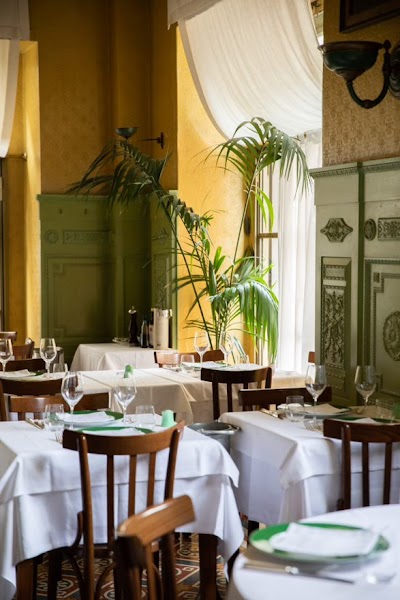
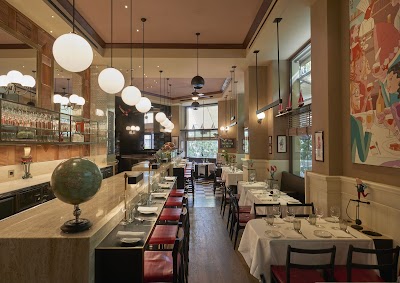
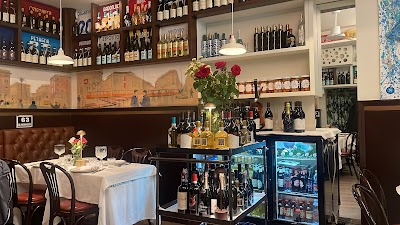
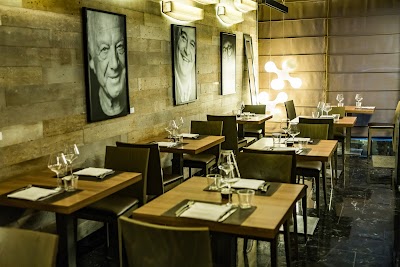
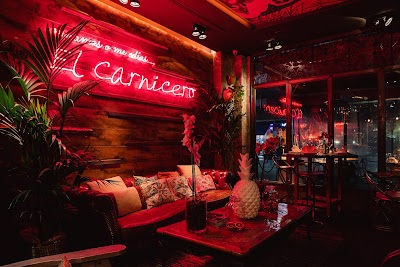
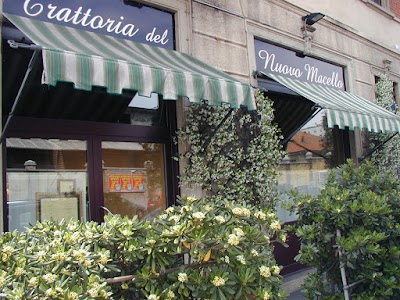
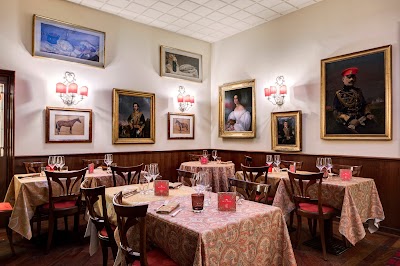
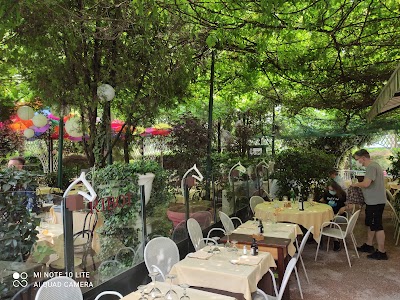
Real tables, by category — from seafood and grills to the budget classics locals actually queue for.
Seafood
Despite being inland, Milan is home to Italy's most modern fish market, ensuring that the seafood served in the city is exceptionally fresh and of premium quality.
These are affiliate links. We may earn a commission when you book — at no extra cost to you. Tours are sold and operated by our partner, who is the merchant of record.
What it costs
Budgeting
Milan is Italy's most expensive city, but smart use of public transit, enjoying the aperitivo ritual, and visiting free galleries can keep costs manageable.
Travel style
Per day
Backpacker
€60-€90
Mid-range
€150-€250
Luxury
€500+
Timing
When to visit
The shoulder seasons of spring and autumn offer the most comfortable weather and the most active cultural calendars, while mid-summer and mid-winter present distinct challenges.
SpringApril to June brings mild temperatures and major events like the Salone del Mobile (Design Week), though accommodation prices spike significantly during these weeks.
SummerJuly and August are hot, humid, and prone to mosquitoes. Many local businesses close for several weeks in August, leaving the city quiet and empty.
AutumnSeptember and October are ideal for travel, featuring crisp air, autumn foliage in the parks, and the energy of the autumn Fashion Week.
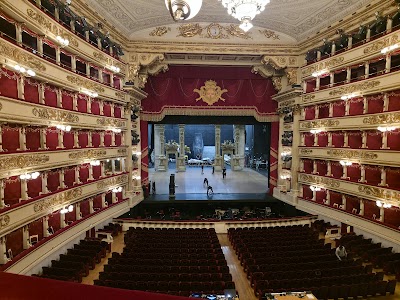
WinterNovember to March is cold, foggy, and grey, but offers the chance to experience the opera season at La Scala and crowd-free museums.
Malpensa Airport is connected to the city center by the Malpensa Express train, which runs to Cadorna and Centrale stations (€€). Linate Airport, located close to the center, is directly accessible via the M4 metro line (€). Orio al Serio Airport near Bergamo is served by frequent express shuttle buses (€).
Public transit
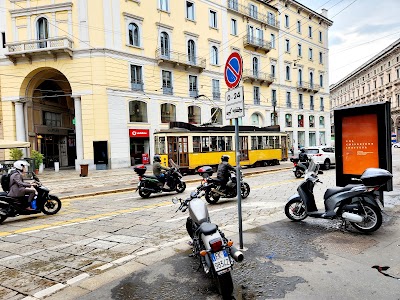
The ATM network consists of four metro lines, an extensive tram network, and numerous bus routes. It is highly efficient, clean, and easy to navigate. Contactless payment is accepted directly at the turnstiles and on board.
Passes & tickets
Standard single tickets are valid for 90 minutes. For multiple journeys, 24-hour or three-day transit passes offer unlimited travel across the network (€ band).
On foot
The historic center, Brera, and the Quadrilatero are highly walkable. However, traveling between outer neighborhoods like Isola and Navigli requires using the metro or tram network to save time.
1
Always validate physical paper tickets before boarding trams or buses to avoid heavy fines.
2
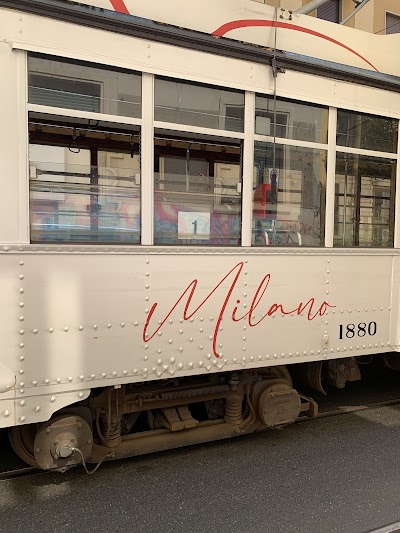
Look out for the historic 1920s Carelli trams on Line 1 for a scenic ride through the city center.
3
Download the official ATM app to plan routes and purchase digital tickets on your phone.
Travel smart
Safety & etiquette
Milan is generally safe, but pickpocketing is common in crowded areas like Piazza del Duomo, Stazione Centrale, and on Metro Line 3. Avoid unlicensed taxis and be cautious of individuals offering 'free' friendship bracelets or help at ticket machines.
Local etiquette
Dress well; locals place high value on personal presentation (bella figura).
Always cover your shoulders and knees when entering churches, including the Duomo.
Tipping is not mandatory; a small service charge (coperto) is usually included on the bill, but rounding up the bill for exceptional service is appreciated.
From the ground
Practical tips
1
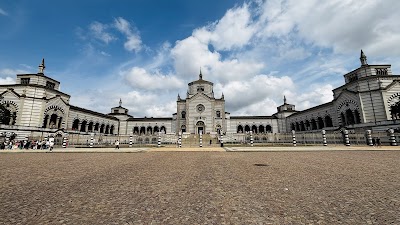
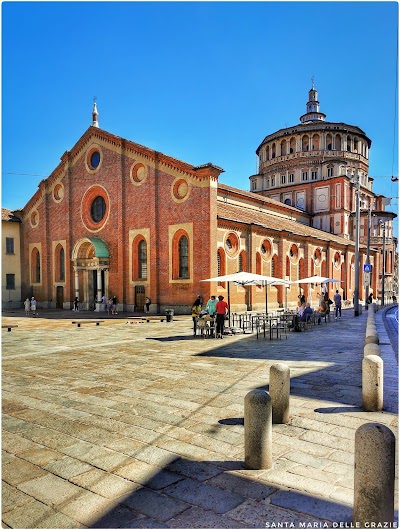
Book tickets for Leonardo da Vinci's The Last Supper exactly when they are released online, typically 2-3 months in advance.
2
Use contactless payment directly at metro turnstiles instead of queuing at ticket machines.
3
Avoid eating in the immediate vicinity of the Duomo; walk ten minutes away to find authentic, fairly priced food.
4
Drink your espresso standing at the bar; sitting down at a table often incurs a significant service surcharge.
5
Many civic museums offer free entry on the first Sunday of the month, though crowds will be larger.
6
Carry a reusable water bottle and fill it up at the historic cast-iron dragon fountains (vedovelle) across the city.
7
When using taxis, only use official white taxis from designated stands or use apps like FreeNow; never accept rides from unmarked cars.
Book direct
Book a hotel in Milan
Loading live availability and real-time prices…
Good to know
Milan FAQs
Is it possible to see The Last Supper without booking months in advance?
Yes, but it requires booking a guided tour through a third-party agency or checking the official website frequently for last-minute cancellations.
What is the 'coperto' charge on my restaurant bill?
The coperto is a standard cover charge per person (usually €2-€4) that covers bread, olive oil, and table settings.
Can I get by with English in Milan?
Yes, English is widely spoken in hotels, restaurants, and shops, though learning basic Italian greetings is highly appreciated.
Is tap water safe to drink in Milan?
Yes, tap water is safe and of high quality. You can also refill bottles at the historic cast-iron dragon fountains (vedovelle) throughout the city.
When do the official shopping sales take place?
The official sales (saldi) occur twice a year: winter sales begin in early January, and summer sales begin in early July.