A data-driven guide — where to stay, what to eat, and what not to miss.
Share
Guests & rooms
The New York guide
An insider’s read on New York
Space is the ultimate luxury here, and every square foot is contested and optimized.
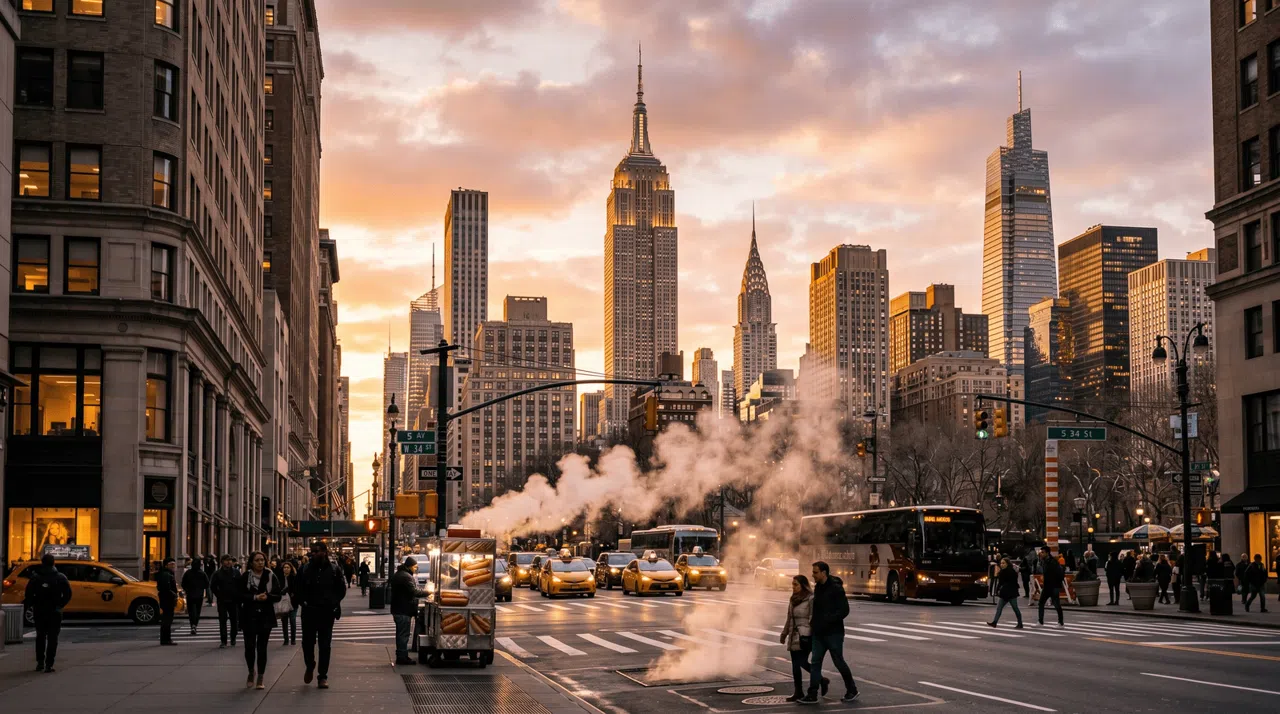
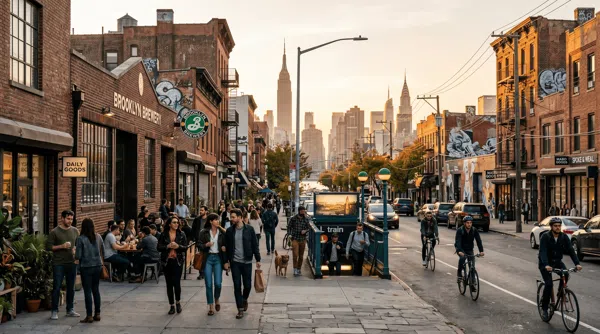
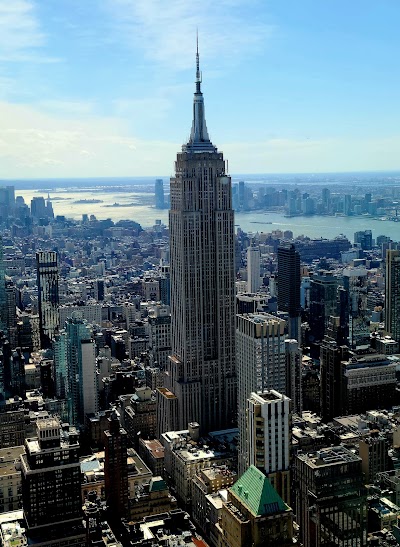
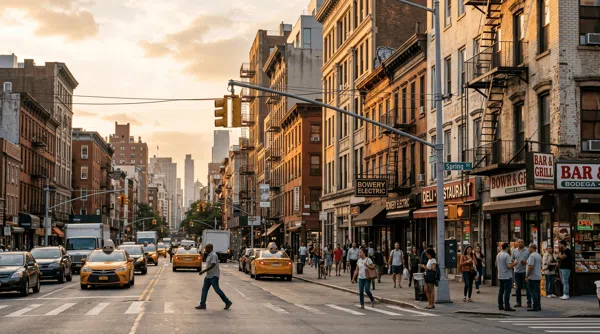
New York is a city defined by its relentless friction and vertical ambition. It operates on a grid system that makes navigation intuitive, yet its true character is found in the chaotic spaces between the lines: the steam rising from subway grates, the sharp negotiations of street-corner vendors, and the quiet of pocket parks tucked behind glass towers. Space is the ultimate luxury here, and every square foot is contested and optimized.
Where to base yourself
The neighborhoods
Where you sleep shapes the trip. Here’s the honest orientation, area by area.
via Google
West Village
For Romantics and architecture enthusiasts. The trade-off is tiny hotel rooms and high prices.
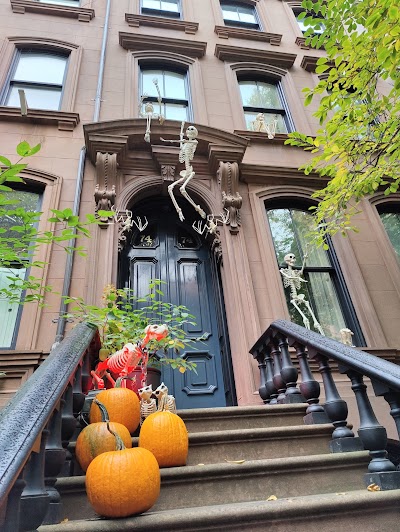
Quiet, tree-lined streets with historic brownstones, angled off the main Manhattan grid.
Where to sleepHigh-end boutique hotels or historic townhouses converted into guesthouses.
Washington Square Park
The historic Stonewall Inn
Cherry Lane Theatre
via Google
Lower East Side
For Night owls and vintage shoppers. The trade-off is late-night street noise and crowded sidewalks on weekends.
Gritty, historic tenement blocks transitioning into a dense nightlife and dining hub.
Where to sleepTrendy high-rise boutique hotels with rooftop bars.
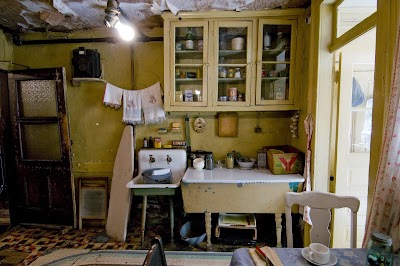
The Tenement Museum
Orchard Street shopping corridor
Katz's Delicatessen
via Google
Williamsburg
For Shoppers and craft beer enthusiasts. The trade-off is relying on the L train for Manhattan access.
Industrial-chic Brooklyn neighborhood with a prominent creative class and skyline views.
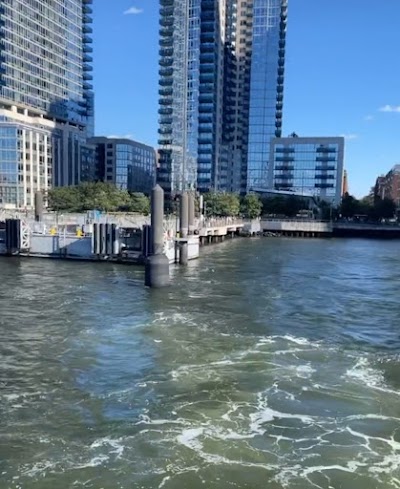
Where to sleepConverted factory hotels along the East River waterfront.
Domino Park
Bedford Avenue boutiques
Brooklyn Bowl
via Google
Midtown East & West
For First-time visitors who want to walk to major sights. The trade-off is intense crowds and a lack of neighborhood feel.
High-rise commercial district dominated by corporate headquarters, theaters, and major landmarks.
Where to sleepLarge business hotels and luxury high-rises.
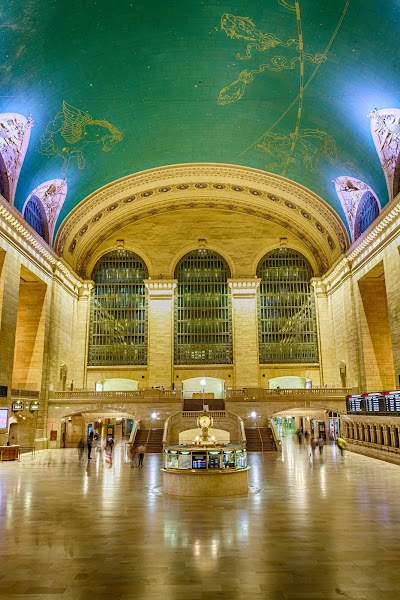
Grand Central Terminal
Rockefeller Center
Museum of Modern Art (MoMA)
via Google
Upper West Side
For Families and museum-goers. The trade-off is a quieter, less adventurous nightlife scene.
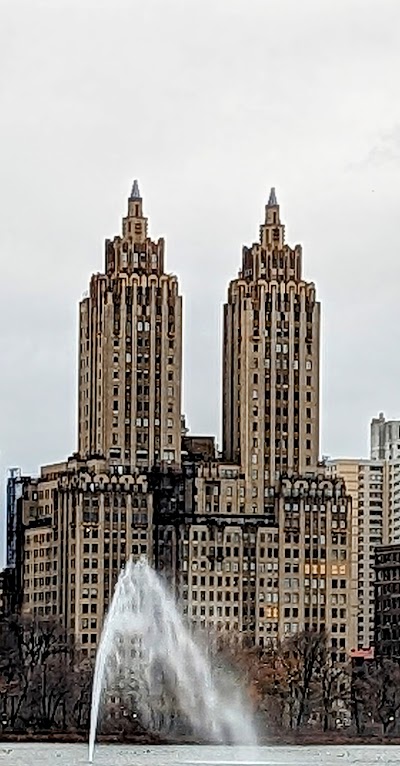
Residential, family-friendly enclave bordered by Central Park and Riverside Park.
Where to sleepClassic pre-war hotels and residential apartment rentals.
American Museum of Natural History
Lincoln Center for the Performing Arts
Riverside Park
via Google
DUMBO
For Photographers and design lovers. The trade-off is heavy daytime tourist crowds.
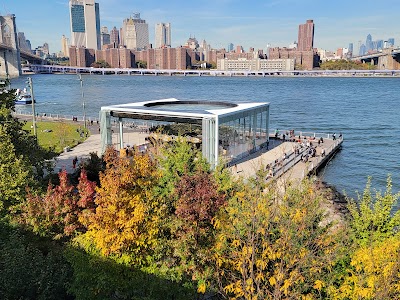
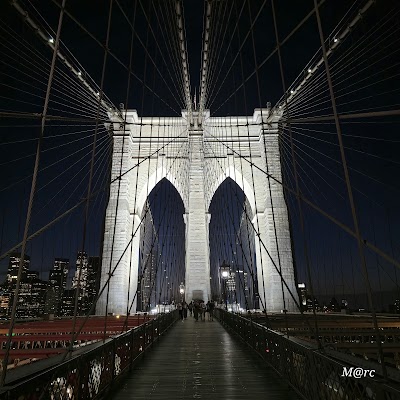
Cobblestone streets and converted brick warehouses directly beneath the Manhattan and Brooklyn Bridges.
Where to sleepEco-luxury waterfront hotels.
Brooklyn Bridge Park
Jane's Carousel
St. Ann's Warehouse
via Google
Harlem
For Culture seekers and music lovers. The trade-off is a longer commute to Lower Manhattan.
Rich cultural hub with historic brownstones, active street life, and deep musical roots.
Where to sleepHistoric brownstone bed-and-breakfasts.
The Apollo Theater
Studio Museum in Harlem
Marcus Garvey Park
via Google
Astoria
For Food travelers and budget-conscious visitors. The trade-off is a 30-minute subway ride to Manhattan.
Diverse, low-rise Queens neighborhood with a relaxed pace and exceptional international dining.
Where to sleepBudget-friendly chain hotels and local guesthouses.
Museum of the Moving Image
Astoria Park
Socrates Sculpture Park
via Google
Financial District
For History buffs and business travelers. The trade-off is that it can feel sterile and quiet on weekends.
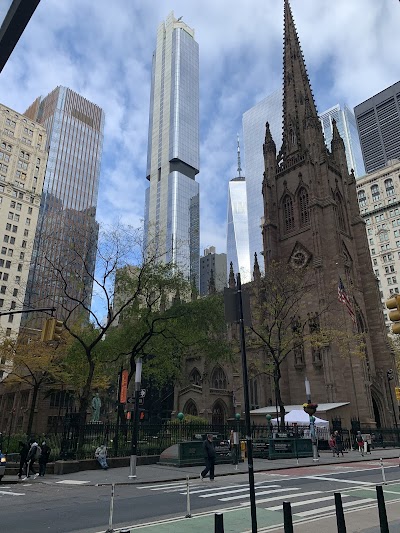
Narrow, historic canyons of lower Manhattan that transition from busy business hub to quiet residential streets.
Where to sleepModern business hotels and historic conversions.
The Oculus
Stone Street historic dining corridor
Federal Hall
Greenwich Village
The historic Village rewards wandering with Washington Square, bohemian landmarks, jazz and comedy venues, independent shops and dense restaurant-lined streets. Best for walking from spring through fall; summer evenings bring especially lively park and restaurant scenes.
SoHo
A compact, highly walkable district for cast-iron architecture, designer shopping, galleries, cafés and people-watching. Good year-round; weekdays are calmer for shopping and galleries, while weekends are liveliest.
Meatpacking District
A compact evening-and-afternoon destination linking the High Line, Whitney Museum, fashionable restaurants, nightlife and waterfront paths. Best in spring, summer and fall for the High Line and Little Island; go early or late in summer to avoid crowds.
Eat & drink
Where to eat in New York
Real tables, by category — from seafood and grills to the budget classics locals actually queue for.
Seafood
New York's seafood scene ranges from historic raw bars to refined, globally influenced dining rooms.
These are affiliate links. We may earn a commission when you book — at no extra cost to you. Tours are sold and operated by our partner, who is the merchant of record.
What it costs
Budgeting
New York is one of the world's most expensive cities, but costs can be managed by utilizing public transit and eating at the city's exceptional budget counters and slice shops.
Travel style
Per day
Backpacker
€70-120 (band)
Mid-range
€200-350 (band)
Luxury
€600+ (band)
Timing
When to visit
Autumn and spring offer the most comfortable walking weather and active cultural calendars, while summer and winter present extreme weather and distinct seasonal crowds.
SpringApril to June brings mild temperatures and blooming parks, though rain is frequent. The city is highly walkable during these months before the summer humidity sets in.
SummerJuly and August are hot and humid, with asphalt radiating heat. Many locals leave on weekends, leaving the city quieter, though tourist crowds remain thick around major landmarks.
AutumnSeptember to November is widely considered the prime time to visit. The air is crisp, fall foliage peaks in Central Park, and the cultural season launches with major gallery openings.
WinterDecember is crowded and expensive due to holiday displays. January and February are cold and windy, but offer the lowest hotel rates and the quietest museums of the year.
From JFK, take the AirTrain to the subway (A or E lines) or the Long Island Rail Road (LIRR) for a faster connection to Penn Station. From LaGuardia, use the M60-SBS bus to connect to Upper Manhattan subways, or take a yellow taxi. From Newark, take the AirTrain to NJ Transit trains bound for Penn Station.
Public transit
The subway system runs 24/7 and is the most efficient way to travel. It is supplemented by an extensive bus network and the NYC Ferry system, which connects waterfront neighborhoods along the East River.
Passes & tickets
The OMNY contactless payment system automatically caps fares at a weekly rate (€€) after a set number of rides, making physical transit passes largely obsolete.
On foot
Extremely high. The grid system north of 14th Street makes navigation straightforward, though pedestrian traffic can be dense in commercial corridors.
1
Keep moving on the sidewalk; if you need to check your phone, step aside near a building wall.
2
Check whether a subway train is local or express before boarding to avoid skipping your destination.
3
Use the OMNY system with your phone or contactless card for seamless turnstile entry.
Travel smart
Safety & etiquette
The city is generally safe for travelers, but standard urban awareness is required. Keep your phone secure on the subway, avoid empty train cars late at night, and stay on well-lit streets in unfamiliar areas.
Local etiquette
Stand to the right on escalators so others can pass on the left.
Do not block subway doors; let passengers exit the train completely before boarding.
Do not engage with costumed characters or street performers unless you intend to tip them.
Always tip service staff; it is a vital part of their income.
From the ground
Practical tips
1
Download the Citymapper app for the most accurate, real-time subway routing and service changes.
2
Avoid empty subway cars; they are usually empty for a reason, such as a broken air conditioner or a strong odor.
3
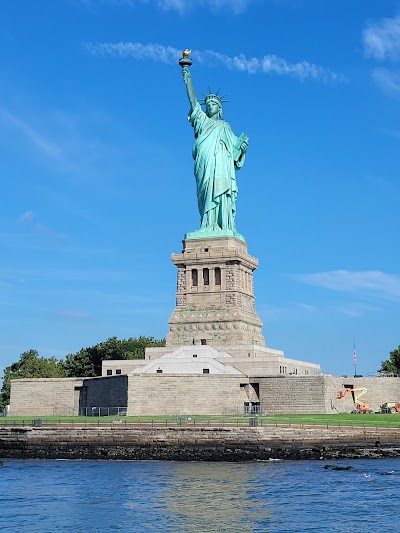
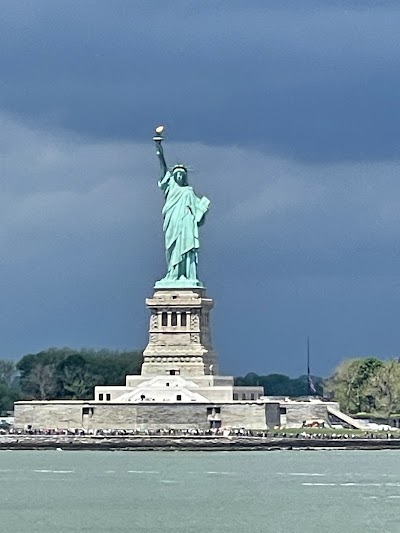
Never buy Statue of Liberty tickets from street scalpers near Battery Park; only buy from the official vendor, Statue City Cruises.
4
Walk with purpose; locals will get frustrated if you stop to look at your phone in the middle of a busy sidewalk.
5
Enter major museums on weekdays during early morning hours to avoid school groups and heavy weekend crowds.
6
Carry a reusable water bottle; public drinking fountains are common in major parks and transit hubs.
7
Book popular restaurants exactly 30 days in advance when reservation windows open on Resy or OpenTable.
Book direct
Book a hotel in New York
Loading live availability and real-time prices…
Good to know
New York FAQs
Is the subway safe at night?
Yes, the subway is generally safe 24/7, but stick to populated cars and avoid empty platforms late at night.
How far in advance should I book Broadway tickets?
Book several weeks ahead for popular shows, or use the TKTS booth in Times Square on the day of the performance for discounts.
Do I really need to tip 20%?
Yes, tipping 18-20% is standard and expected for table service, bar service, and taxi rides.
Can I hail a yellow cab anywhere?
Yes, if the rooftop light is illuminated, the cab is available. Use rideshare apps for outer boroughs where yellow cabs are scarce.
Is Central Park safe after dark?
It is best to avoid the park after 9:00 PM when it becomes poorly lit and sparsely populated.
How do I pay for the subway?
Use the OMNY system by tapping your contactless credit card, debit card, or phone at the turnstile.