A data-driven guide — where to stay, what to eat, and what not to miss.
Guests & rooms
The Seoul guide
An insider’s read on Seoul
It operates on 'bali-bali' (hurry-hurry) time, a cultural pace that has propelled it from post-war ruin to a global tech and cultural powerhouse in mere decades.
Seoul does not ease you in. It is a hyper-caffeinated, neon-drenched metropolis where delivery scooters weave through ancient stone gates and the smell of charcoal-grilled pork competes with the steam of street-side fish-cake stalls. It operates on 'bali-bali' (hurry-hurry) time, a cultural pace that has propelled it from post-war ruin to a global tech and cultural powerhouse in mere decades.
Where to base yourself
The neighborhoods
Where you sleep shapes the trip. Here’s the honest orientation, area by area.
via Google
Myeongdong
For First-time visitors who want central convenience, though it is highly commercialized and lacks local residential character.
A high-energy commercial hub dominated by cosmetic shops, department stores, and street food carts.
Where to sleepMid-range business hotels dominate this area, offering clean, compact rooms steps from the subway.
Myeongdong Cathedral
Lotte Department Store Main Branch
Myeongdong Night Market
via Google
Hongdae
For Younger travelers and nightlife seekers, though the weekend crowds can be loud and overwhelming.
The epicenter of youth culture, indie music, and street performances, fueled by nearby Hongik University.
Where to sleepTrendy boutique hotels and budget-friendly guesthouses catering to a younger crowd.
Hongdae Walking Street
Gyeongui Line Forest Park
Local indie music venues
via Google
Itaewon
For Those seeking international food options and diverse nightlife, though the hilly streets can be tiring.
Seoul's most international district, home to diverse global dining, nightlife, and expat communities.
Where to sleepBoutique properties and design-forward hotels overlooking the Yongsan district.
Leeum Museum of Art
Gyeongnidan-gil dining street
Antiques Shopping Street
via Google
Gangnam
For Business travelers and luxury shoppers, though it can feel sterile and car-centric compared to the historic north.
A polished, glass-and-steel district of corporate headquarters, high-end plastic surgery clinics, and luxury shopping.
Where to sleepHigh-end international luxury business hotels with premium amenities.
Starfield COEX Mall and Starfield Library
Bongeunsa Temple
Apgujeong Rodeo Street
via Google
Insadong
For Cultural enthusiasts looking for a slower pace, though the main street is heavily geared toward tourists.
A historic neighborhood filled with traditional tea houses, calligraphy shops, and antique galleries.
Where to sleepTraditional hanok guesthouses or modern hotels with a cultural focus.
Ssamzigil shopping courtyard
Kyung-in Museum of Fine Art
Traditional tea house alleys
via Google
Samcheong-dong & Bukchon
For Architectural admirers and photographers, though steep hills and strict quiet zones for residents require respectful behavior.
An area where traditional Korean wooden homes (hanoks) sit alongside modern art galleries and quiet cafes.
Where to sleepUpscale traditional hanok stays for an authentic, floor-sleeping experience.
Bukchon Hanok Village
National Museum of Modern and Contemporary Art (MMCA)
Samcheong-dong Cafe Street
via Google
Seongsu-dong
For Design lovers and trend-spotters, though it gets incredibly crowded with weekend queueing culture.
A former industrial shoe-making district transformed into a hub of converted red-brick warehouses, artisan coffee shops, and fashion pop-ups.
Where to sleepIndustrial-chic lofts and minimalist design hotels.
Seoul Forest Park
Daelim Changgo gallery cafe
Yeonmujang-gil fashion street
via Google
Yeouido
For Business travelers and families, though it can feel quiet and deserted on weekends outside of the parks.
An island on the Han River serving as the city's financial district, featuring massive parks and modern skyscrapers.
Where to sleepLuxury high-rise hotels with views of the river and the city skyline.
Yeouido Hangang Park
The Hyundai Seoul department store
63 Building
via Google
Euljiro
For Adventurous travelers looking for raw, unpolished urban culture, though the dark alleys can be confusing to navigate.
A gritty, retro district where active metalworking shops coexist with hidden bars and old-school noodle joints.
Where to sleepNo-frills business hotels and retro-themed design hostels.
Euljiro Nogari Alley
Sewoon Plaza
Vintage vinyl bars
Eat & drink
Where to eat in Seoul
Real tables, by category — from seafood and grills to the budget classics locals actually queue for.
Seafood
Seoul’s seafood culture ranges from raw, live delicacies sliced on the spot at massive wholesale markets to deeply comforting stews and soy-marinated crabs.
Where the night goes — clubs, rooftop cocktails and the rooms with the best live music.
Nightclubs
Seoul's clubbing culture is intense, with venues staying open until sunrise, divided between the underground electronic scenes of Itaewon and the commercial EDM of Gangnam.
The city's cocktail scene is highly sophisticated, blending speakeasy culture with traditional Korean ingredients like ginseng, sesame oil, and local spirits.
Join locals at Yeouido Hangang Park, rent a picnic mat, and use a delivery app or local kiosk to order fried chicken and cold beer (Chimaek) delivered directly to your spot by the water.
via Google
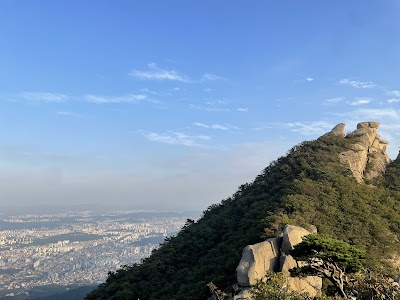
Hiking Bukhansan National Park
Northern SeoulHalf day★★★★★★★★★★4.6(2,908)
Climb to Baegundae Peak, the highest point in Seoul, for panoramic views of the city skyline contrasted against rugged granite peaks.
via Google
Traditional Tea Ceremony in a Hanok
Insadong1-2 hours★★★★★★★★★★4.3(468)
Escape the busy streets at Shin Old Tea House in Insadong, sitting on floor cushions to drink medicinal ginger or sweet omija tea in a quiet courtyard.
via Google
Beyond the city
Day trips
The Demilitarized Zone (DMZ)
★★★★★★★★★★4.5(186)
A sobering look at the divided Korean peninsula, where you can peer into North Korea from the Dora Observatory and walk through the Third Infiltration Tunnel.
Getting thereMust be booked via an authorized guided tour bus departing from central Seoul; private travel to the border is restricted.
via Google
Suwon Hwaseong Fortress
★★★★★★★★★★4.6(9,104)
Walk along the massive, UNESCO-listed 18th-century stone walls, visit the royal temporary palace, and try traditional archery.
Getting thereTake the Seoul Subway Line 1 or a rapid train from Seoul Station to Suwon Station, which takes about thirty to forty-five minutes.
via Google
Book ahead
Things to do in Seoul
Top-rated tours, tickets and experiences — book in seconds, skip the line.
These are affiliate links. We may earn a commission when you book — at no extra cost to you. Tours are sold and operated by our partner, who is the merchant of record.
What it costs
Budgeting
Seoul offers exceptional value for budget travelers due to cheap public transit and affordable street food, while high-end dining and luxury hotels align with global capital city prices.
Travel style
Per day
Backpacker
€50-80
Mid-range
€120-220
Luxury
€400+
Timing
When to visit
The transition seasons offer the most comfortable weather, avoiding the extreme Siberian winds of winter and the heavy monsoon humidity of summer.
SpringApril to June brings cherry blossoms and mild temperatures, though yellow dust storms from the Gobi Desert can occasionally impact air quality.
SummerJuly and August are hot, humid, and dominated by the monsoon rains, making outdoor exploration challenging but indoor malls and museums highly appealing.
AutumnSeptember to November is arguably the best time to visit, featuring crisp air, clear skies, and brilliant orange and yellow foliage across the city's parks and mountains.
WinterDecember to March is freezing and dry, with temperatures often dropping below minus ten degrees Celsius, though it is ideal for enjoying hot stews and uncrowded palaces.
The Airport Railroad Express (AREX) runs directly from Incheon International Airport to Seoul Station. The non-stop Express train takes about forty-three minutes, while the All-Stop train takes just under an hour. Alternatively, deluxe limousine buses service major hotels and districts across the city.
Public transit
The Seoul Metropolitan Subway is clean, fast, and incredibly extensive, with English signage and color-coded lines. Buses complement the subway network, using dedicated lanes to bypass traffic.
Passes & tickets
The T-money card is essential; it is a rechargeable smart card used for all subways, buses, and taxis. The Climate Card offers unlimited transit options for short-term visitors within the city limits for a flat rate in the € band.
On foot
While individual neighborhoods are highly walkable, the sheer scale of the city and its hilly terrain make walking between different districts impractical.
1
Download Naver Map or KakaoMap before arriving; Google Maps does not provide accurate walking or driving directions in South Korea due to government data restrictions.
2
Keep your T-money card tapped when entering and exiting all buses and subways to ensure correct fare calculation and transfer discounts.
Travel smart
Safety & etiquette
Seoul is exceptionally safe, with very low rates of violent crime. It is entirely common to see people leave their laptops unattended on cafe tables while using the restroom. The primary safety hazards are fast-moving delivery scooters on sidewalks and heavy traffic.
Local etiquette
Always use two hands when handing over or receiving items, including credit cards, cash, and drinks.
Do not leave your chopsticks sticking vertically out of a bowl of rice, as this mimics a traditional ancestral funeral ritual.
Keep your voice down when riding the subway or buses; loud phone conversations are highly frowned upon.
From the ground
Practical tips
1
Download the Papago translation app immediately; its image-translation feature is highly accurate for Korean menus.
2
Purchase a T-money card at the airport convenience store before boarding the train into the city.
3
Public trash cans are incredibly rare on Seoul's streets; carry a small plastic bag in your daypack to hold your garbage until you return to your hotel or find a convenience store.
4
Subway cars have designated seats at the ends of each carriage for the elderly, pregnant, and disabled; leave these empty even if the train is completely packed.
5
To call a taxi, download the Kakao T app, which allows you to book rides without needing a local credit card linked to the app.
Book direct
Book a hotel in Seoul
Loading live availability and real-time prices…
Good to know
Seoul FAQs
Do I need to carry cash in Seoul?
Mostly no, as credit cards are accepted everywhere from taxis to tiny convenience stores. However, you will need physical cash to purchase and top up your T-money transit card, and for some street food stalls.
Is English widely spoken in Seoul?
Yes, especially among younger generations and in major tourist areas like Myeongdong and Hongdae. However, downloading a translation app like Papago is highly recommended for reading menus and communicating in neighborhood joints.
Can I use Google Maps to navigate the city?
No, Google Maps does not work well for walking or driving directions in South Korea due to national security laws regarding geographic data. You must download Naver Map or KakaoMap for accurate navigation.
Is tipping expected in restaurants or taxis?
No, tipping is not part of Korean culture and is not expected. In some high-end Western hotels, a service charge may be included in the bill, but otherwise, leaving extra money can cause confusion.
How do I order food in a busy local restaurant?
Look for a small plastic button on the side of your table. Pressing it alerts the staff with a chime, signaling that you are ready to order or need a refill on side dishes.