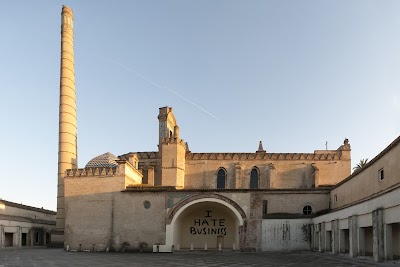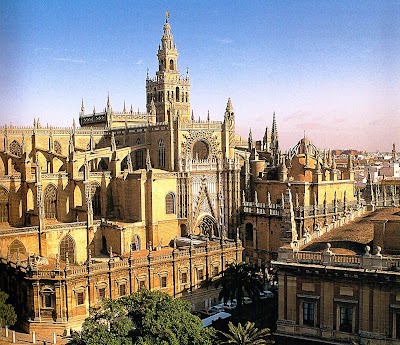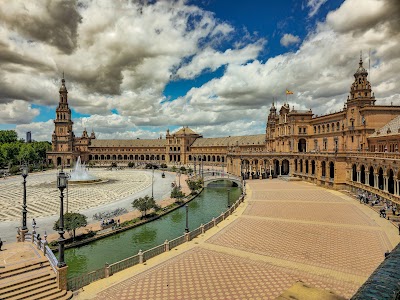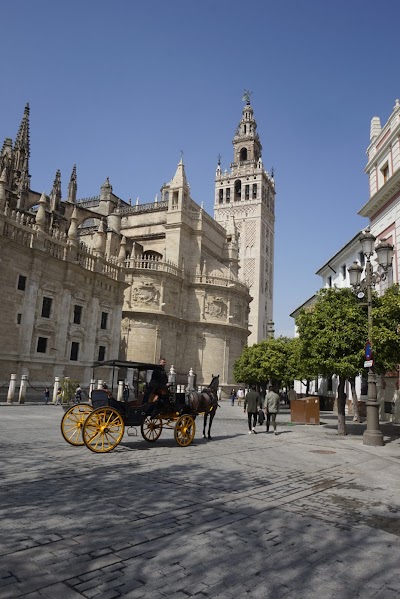
Seville at golden hour

Seville

A locally-written guide — where to stay, what to eat, and what not to miss.

The Seville guide

An insider’s read on Seville

from the solemnity of Holy Week processions to the casual clatter of small plates on zinc bar counters.

Seville is a city defined by its sensory intensity. The heavy scent of orange blossoms in spring quickly gives way to the dry, baking heat of the Andalusian summer, forcing life indoors during the afternoon and spilling it onto the cobblestone streets late into the night. It is a place where the dramatic and the everyday coexist, from the solemnity of Holy Week processions to the casual clatter of small plates on zinc bar counters.

Where to base yourself

The neighborhoods

Where you sleep shapes the trip. Here’s the honest orientation, area by area.

Santa Cruz
via Google

Santa Cruz

For First-time visitors who want to be steps from major monuments. The trade-off is high tourist density and elevated restaurant prices.

The former Jewish quarter, characterized by a maze of whitewashed alleys, hidden courtyards, and towering orange trees.

Where to stayTraditional converted mansions (casas palacio) offering quiet interior courtyards away from the street noise.

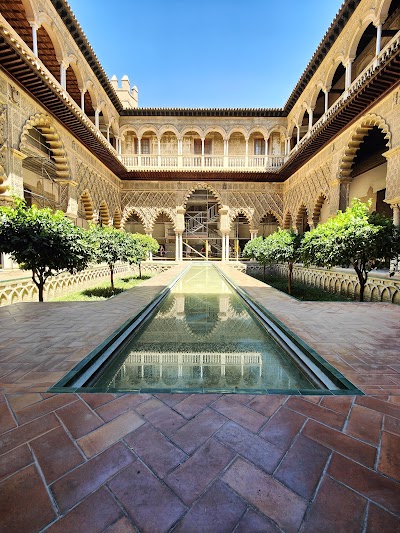
  • The towering walls of the Real Alcázar
  • The quiet, shaded benches of Plaza de Doña Elvira
  • The historic Calle Agua running alongside the old city walls
Triana
via Google

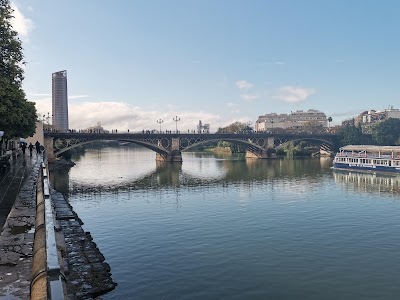
Triana

For Travelers seeking a more residential feel and traditional market culture. The trade-off is a 15-20 minute walk to the main historic sights.

Located across the Guadalquivir River, this neighborhood has a proud, independent identity rooted in ceramic production, seafaring, and flamenco.

Where to stayBoutique apartments along the riverfront or quiet guesthouses near Calle San Jacinto.

  • The bustling Mercado de Triana built over the ruins of the Inquisition castle
  • The ceramic workshops along Calle Alfarería
  • The lively riverside dining scene on Calle Betis
El Arenal
via Google

El Arenal

For Food lovers and those looking for a refined, central base. The trade-off is that it lacks the winding, medieval charm of Santa Cruz.

A historic port district that now serves as an upscale residential and cultural hub, home to the bullring and grand riverside views.

Where to stayHigh-end design hotels and polished boutique properties.

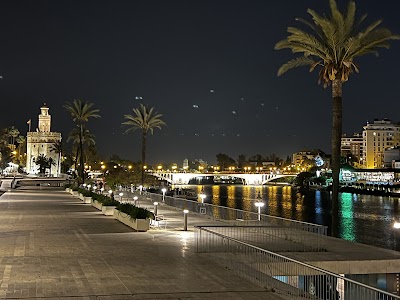
  • The historic Torre del Oro watchtower on the riverbank
  • The Baroque masterpieces inside the Hospital de la Caridad
  • The traditional seafood taverns near the Plaza de Toros
Alameda de Hércules
via Google

Alameda de Hércules

For Younger travelers, nightlife seekers, and families looking for open pedestrian spaces. The trade-off is that it can get loud and gritty late at night.

A wide, tree-lined promenade that serves as the bohemian heart of the city, filled with indie cafes, bookshops, and outdoor bars.

Where to stayTrendy hostels, self-catering apartments, and mid-range boutique hotels.

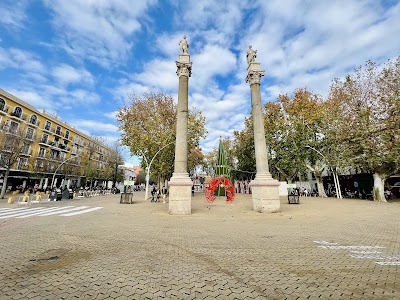
  • The ancient Roman columns marking the southern end of the plaza
  • The daily food stalls at the Mercado de la Calle Feria
  • The independent art spaces and vintage shops on Calle Regina
Centro & Alfalfa
via Google

Centro & Alfalfa

For Shoppers and those who want to be in the middle of the action. The trade-off is heavy daytime foot traffic and a lack of green spaces.

The commercial core of the city, blending major shopping avenues with historic plazas and traditional tapas bars.

Where to stayModern business-friendly hotels and stylish apartments near Plaza Nueva.

  • The massive wooden canopy of the Metropol Parasol (Las Setas)
  • The high-street shopping along Calle Sierpes and Calle Velázquez
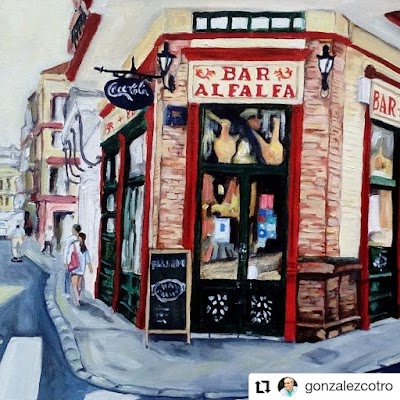
  • The lively evening gathering spot of Plaza de la Alfalfa
La Macarena
via Google

La Macarena

For Slow travelers looking for an authentic, untouristy slice of local life. The trade-off is that it is a long walk from the main train station and cathedral.

A working-class neighborhood with deep religious roots, home to the city's most revered Virgin statue and a growing creative community.

Where to stayBudget-friendly guesthouses and local apartment rentals.

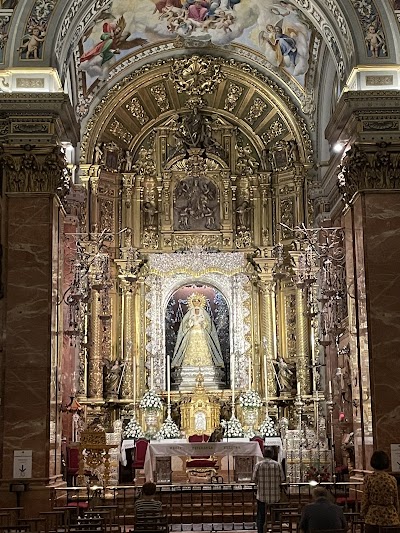
  • The Basilica de la Macarena housing the famous weeping Virgin
  • The remaining sections of the medieval Moorish city walls
  • The eclectic mix of traditional bars and vegan cafes on Calle San Luis

Eat & drink

Where to eat in Seville

Real tables, by category — from seafood and grills to the budget classics locals actually queue for.

Tapas/local

Tapas dining in Seville is a dynamic social ritual. Locals rarely sit down for a full meal at one place; instead, they stand at the bar, order one or two dishes with a cold drink, and move on to the next establishment.

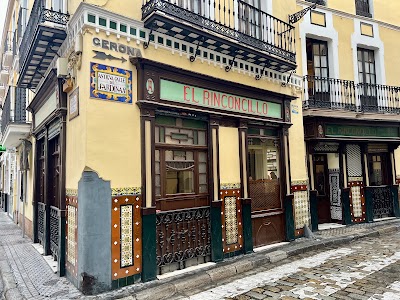
El Rinconcillo

El Rinconcillo

€€

Centro

$$Closed

via Google

Operating since 1670, this is the oldest tavern in the city, where waiters still write your bill in chalk directly on the wooden bar counter.

SignatureEsparragada de espinacas con garbanzos (Andalusian spinach with chickpeas)

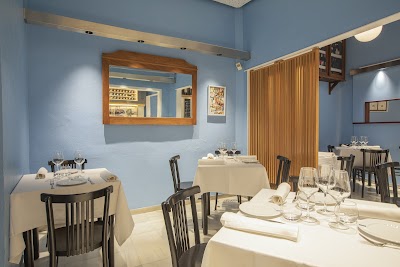
Eslava

Eslava

€€

San Lorenzo

$$Closed

via Google

A modern institution that elevated the local tapas scene with highly creative, award-winning dishes served in a casual neighborhood setting.

SignatureYema sobre bizcocho de boletus (Slow-cooked egg yolk on a savory mushroom cake)

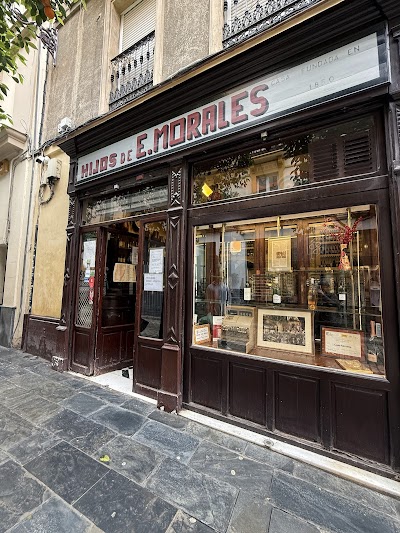
Casa Morales

Casa Morales

Centro

$$Closed

via Google

A historic tavern founded in 1850 where you dine surrounded by massive, floor-to-ceiling clay wine jars (tinajas).

SignatureMontadito de pringá (Slow-cooked pork, chorizo, and morcilla sandwich)

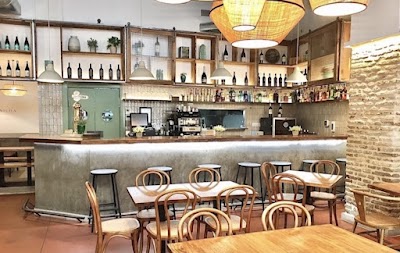
La Brunilda

La Brunilda

€€

El Arenal

$$Closed

via Google

A cozy, whitewashed space serving contemporary twists on classic Andalusian flavors with exceptional presentation.

SignaturePulpo a la brasa con puré de patatas (Grilled octopus with creamy potato purée)

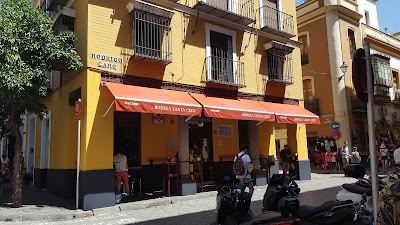
Bodega Santa Cruz Las Columnas

Bodega Santa Cruz Las Columnas

Santa Cruz

$Closed

via Google

A chaotic, high-energy bar popular with both locals and visitors for its fast service and classic, no-nonsense tapas.

SignatureAdobo (Deep-fried marinated dogfish)

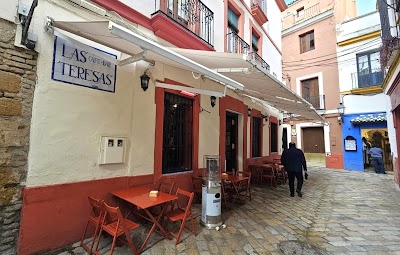
Las Teresas

Las Teresas

€€

Santa Cruz

$$Closed

via Google

An atmospheric tavern with cured hams hanging from the ceiling, offering an incredible selection of dry sherries.

SignatureJamón Ibérico de Bellota sliced fresh to order

See & do

Culture

Museums, landmarks and galleries worth structuring a day around.

Don’t-miss

Signature experiences

Sherry tasting in a traditional tabanco

Sherry tasting in a traditional tabanco

Centro2 hours

Learn about the complex solera aging system of Andalusia's famous fortified wines, tasting dry Finos and rich Olorosos directly from the barrel.

via Google
Kayaking on the Guadalquivir River

Kayaking on the Guadalquivir River

Triana2 hours

See the historic waterfront, the Torre del Oro, and the colorful facades of Triana from a unique perspective on the water.

via Google
Walking the rooftop of the Cathedral

Walking the rooftop of the Cathedral

Centro1.5 hours

An official guided tour that takes you high above the nave, offering a close-up look at the Gothic stonework, flying buttresses, and panoramic city views.

via Google

Beyond the city

Day trips

Córdoba

Córdoba

Home to the breathtaking Mezquita, a massive mosque-cathedral with iconic red-and-white striped arches, and a beautifully preserved medieval Jewish quarter.

Getting there45 minutes via high-speed AVANT train from Santa Justa station.

Jerez de la Frontera

Jerez de la Frontera

The world capital of sherry wine, famous for its historic bodegas, traditional equestrian shows, and deep flamenco roots.

Getting there1 hour via direct regional train.

Itálica Roman Ruins

Itálica Roman Ruins

The birthplace of Roman Emperors Trajan and Hadrian, featuring remarkably preserved floor mosaics and a massive amphitheater.

Getting there20 minutes via the M-170A local bus from Plaza de Armas station.

via Google

Book ahead

Things to do in Seville

Top-rated tours, tickets and experiences — book in seconds, skip the line.

These are affiliate links. We may earn a commission when you book — at no extra cost to you. Tours are sold and operated by our partner, who is the merchant of record.

What it costs

Budgeting

Seville offers excellent value compared to other major European destinations, particularly when it comes to food and drink, though accommodation prices surge dramatically during spring festivals.

Travel stylePer day
Backpacker€50-70
Mid-range€120-180
Luxury€300+

Timing

When to visit

The ideal window to visit is during the spring when the city is at its most festive, or late autumn when the intense summer heat has finally broken.

SpringThe city is at its peak with orange blossoms in bloom, Semana Santa processions, and the massive Feria de Abril. Accommodation prices spike significantly, and booking months in advance is mandatory.
SummerTemperatures regularly exceed 40°C (104°F). The streets empty out completely in the afternoon, and many local businesses close for August. Only recommended if you tolerate extreme heat and plan to sightsee early in the morning.
AutumnOctober and November bring pleasant temperatures in the mid-20s°C. The cultural calendar restarts, and outdoor dining terraces are packed with locals.
WinterMild and sunny during the day, though nights can be chilly. The orange trees are heavy with fruit, and tourist crowds are at their thinnest, making it excellent for quiet exploration.

Logistics

Getting around

Orientation map of Seville
Map data © Google

From the airport

The Especial Aeropuerto (EA) bus runs every 15 to 30 minutes directly from the terminal to central transit hubs like Santa Justa station and Plaza de Armas. Taxis operate on a flat-rate system depending on the time of day.

Public transit

The city has a highly efficient bus network run by TUSSAM, a single-line metro system useful for reaching the southern suburbs, and a short tram line (MetroCentro) connecting San Bernardo station to the Plaza Nueva shopping district.

Passes & tickets

The Tarjeta Multiviaje is a rechargeable card that drops the cost of individual bus and tram rides significantly. It can be purchased and topped up at local tobacco shops (estancos).

On foot

The historic center is largely pedestrianized and highly compact. Walking is almost always faster and more practical than taking public transit through the narrow, winding streets.

  • 1
    Avoid driving in the historic center; active traffic cameras restrict access to residents, and streets are too narrow for standard rental cars.
  • 2
    Download the App Tussam for real-time bus arrivals and route planning.
  • 3
    Keep a small amount of cash on hand, as some older city buses and ticket machines do not accept contactless payments.

Travel smart

Safety & etiquette

The city is generally very safe, but pickpocketing is common in crowded tourist areas, particularly around the Cathedral, Santa Cruz, and on crowded public buses.

Local etiquette

  • Tipping is not mandatory; leaving a few coins or rounding up to the nearest euro is appreciated for good service.
  • Dress respectfully when entering churches; shoulders and knees should be covered.
  • Do not rush your waiters; dining is viewed as a leisure activity, and you will usually need to ask for the bill (la cuenta) when you are ready.

From the ground

Practical tips

  • 1
    Always carry a small amount of cash, as some traditional tapas bars do not accept card payments for bills under ten euros.
  • 2
    When ordering tapas, stand at the bar counter; prices are often cheaper there than sitting at the tables inside or on the outdoor terrace.
  • 3
    Wear sturdy, comfortable shoes; the historic center is paved with uneven cobblestones that can easily ruin thin-soled footwear.
  • 4
    Book your train tickets to Córdoba or Madrid well in advance on the Renfe website to secure the cheapest promotional fares.
  • 5
    Look out for the 'no-ni-nó' expression used by locals; it is a triple negative unique to Andalusia that simply means 'of course'.

Book direct

Book a hotel in Seville

Loading live availability and real-time prices…

Good to know

Seville FAQs

Is the tap water safe to drink?

Yes, the tap water is perfectly safe, clean, and highly regulated, though some visitors prefer the taste of bottled water.

Do I need to book tickets for the Alcázar and Cathedral in advance?

Yes, booking online weeks in advance is highly recommended, as daily entry slots are strictly limited and sell out regularly.

What is the best way to see authentic flamenco?

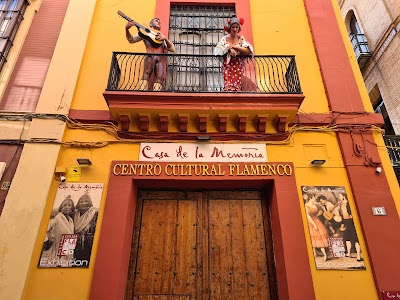
Avoid the large, commercial dinner shows and opt for intimate cultural centers like Casa de la Memoria or informal neighborhood spots in Triana.

Are shops closed on Sundays?

Yes, most retail shops and supermarkets close on Sundays, though restaurants, cafes, and major monuments remain open.

How do locals handle the extreme summer heat?

Locals stay indoors under air conditioning from 2:00 PM to 7:00 PM, emerging late in the evening when the temperature begins to drop.

Seville travel guide: neighbourhoods, sights & food