A data-driven guide — where to stay, what to eat, and what not to miss.
Share
Guests & rooms
The St Julian's guide
An insider’s read on St Julian's
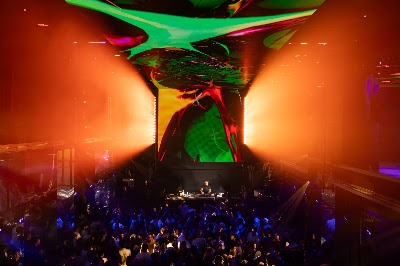
By night, the neon grid of Paceville takes over, drawing crowds to Malta's densest concentration of clubs, casinos, and late-night eateries.
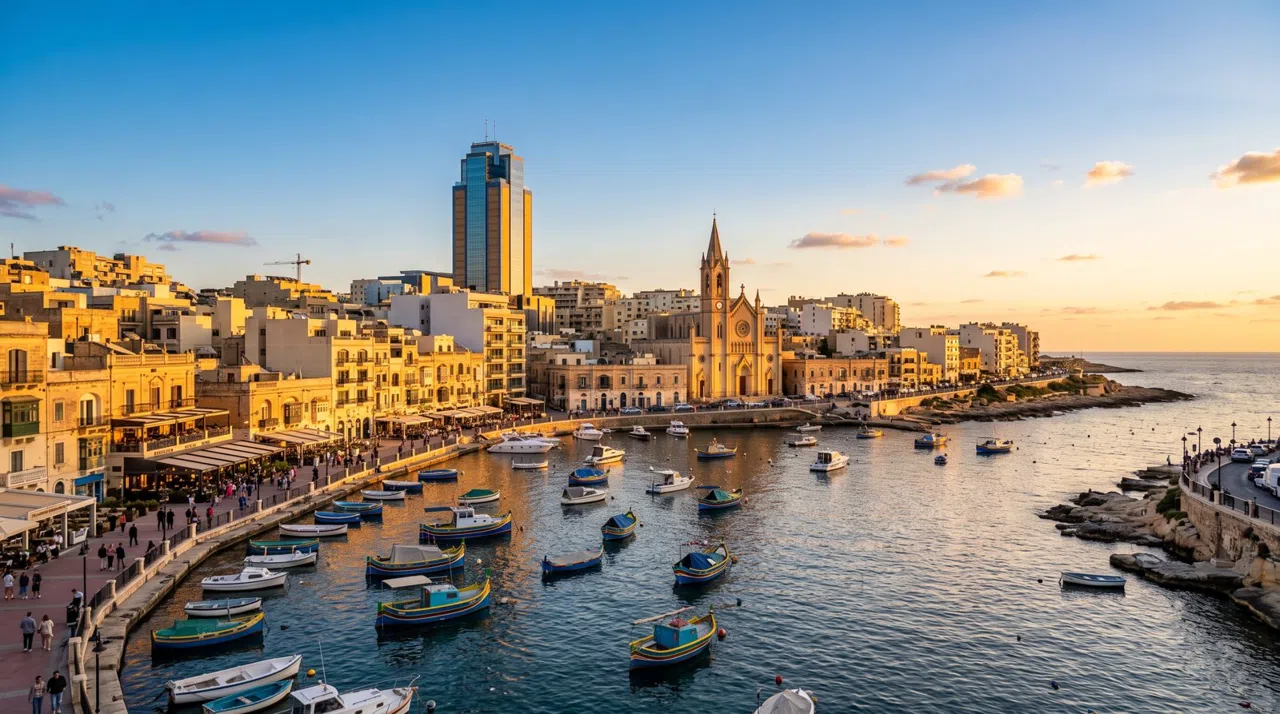
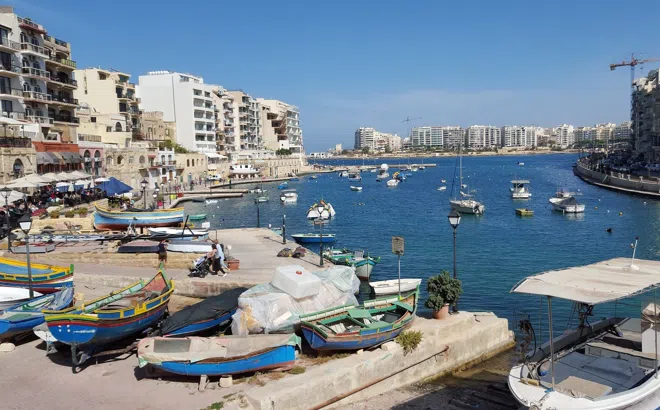
St. Julian's operates at two distinct speeds. By day, the sun glints off the bobbing wooden fishing boats in Spinola Bay while locals sip espresso along the stone promenade. By night, the neon grid of Paceville takes over, drawing crowds to Malta's densest concentration of clubs, casinos, and late-night eateries. It is a coastal town defined by rapid vertical growth, where traditional limestone townhouses stand in the shadow of modern glass-and-steel high-rises.
Where to base yourself
The neighborhoods
Where you sleep shapes the trip. Here’s the honest orientation, area by area.
via Google
Spinola Bay
For Dining enthusiasts and those who want classic coastal views, though it comes with high foot traffic and premium prices.
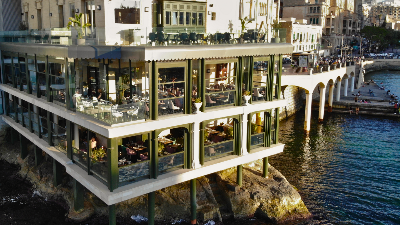
The scenic heart of the town, defined by its curved waterfront, traditional colorful luzzu boats, and waterfront dining terraces.
Where to sleepUpscale boutique hotels overlooking the bay or apartments set just one block back from the water.
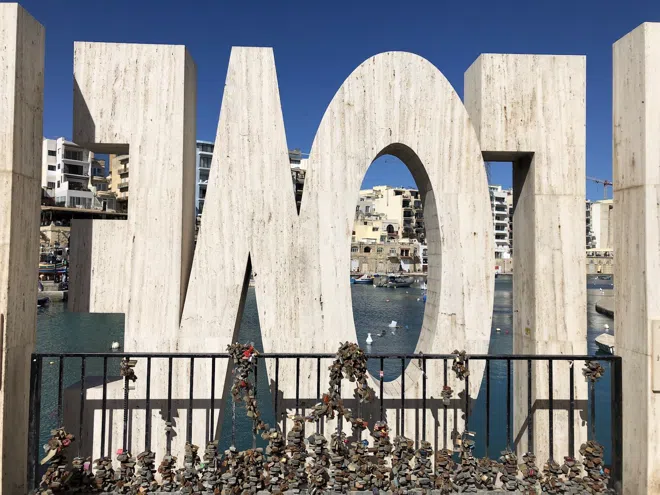
The Love Monument, which casts a reflection spelling 'Love' in the calm water.
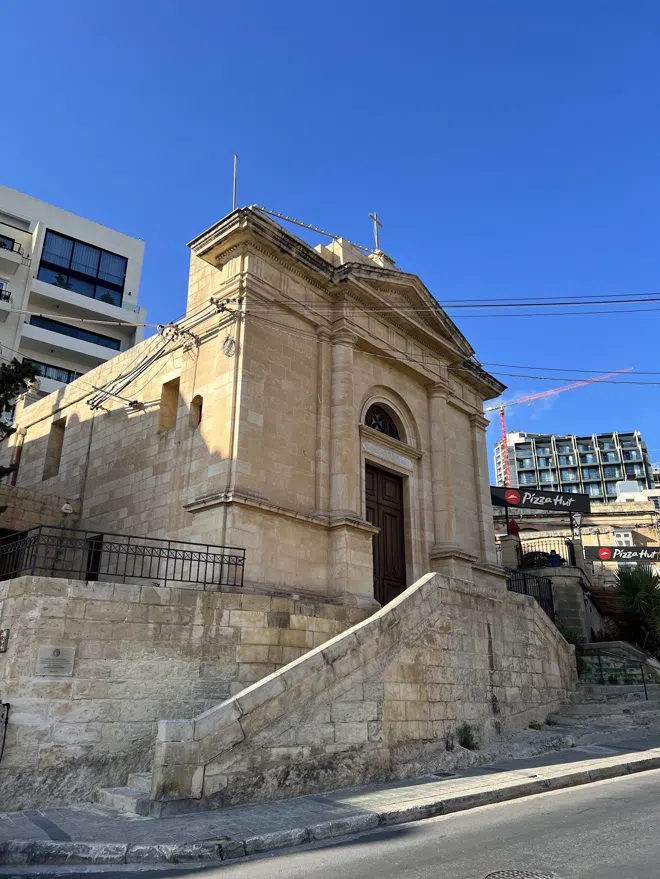
The old fisherman's chapel and the restored Spinola Palace gardens.
via Google
Balluta Bay
For Travelers seeking a slightly calmer atmosphere while remaining within walking distance of the nightlife.
A more architectural and relaxed neighborhood, dominated by the neo-Gothic Parish Church and grand Art Nouveau apartment buildings.
Where to sleepMid-range to luxury hotels situated around the main square and the rocky beach area.
The iconic Balluta Buildings, a prime example of Art Nouveau architecture on the island.
The terraced steps of the square, popular for morning coffee and evening drinks.
via Google
Paceville
For Younger travelers and partygoers. The trade-off is constant noise, crowded streets, and a gritty late-night atmosphere.
The undisputed nightlife capital of Malta, packed with multi-story clubs, bars, strip clubs, and fast-food joints.
Where to sleepBudget hotels and party-oriented hostels, though light sleepers should look elsewhere.
The main staircase of stairs on Wilga Street, lined with bars.
The Eden Cinemas complex for indoor entertainment.
via Google
Portomaso
For Luxury travelers seeking privacy, security, and high-end amenities away from the main tourist crowds.
An exclusive, modern marina development featuring luxury yachts, high-end apartments, and fine-dining establishments.
Where to sleepFive-star resort accommodation with private pool decks and marina views.
The Portomaso Marina, ideal for viewing luxury yachts.
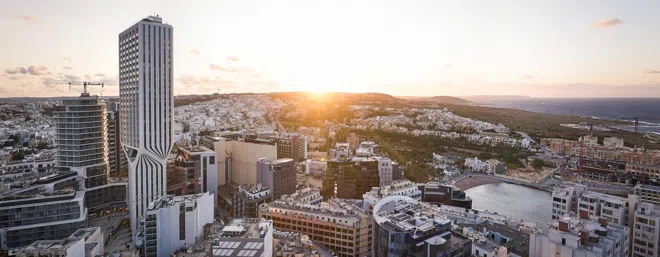
The Portomaso Business Tower, Malta's tallest building.
via Google
St. George's Bay
For Beach lovers and students, though the beach gets incredibly crowded during summer afternoons.
A busy sandy beach area surrounded by language schools, shopping malls, and large resort hotels.
Where to sleepLarge international resort chains offering direct beach access or private lido decks.
The sandy beach of St. George's Bay, one of the few sandy stretches in the immediate urban area.
Bay Street Shopping Complex for retail and dining.
via Google
Ta' Giorni
For Budget-conscious travelers and long-term visitors seeking peace and lower rental prices.
A quiet, residential neighborhood located uphill, away from the immediate coastline.
Where to sleepResidential apartments, guesthouses, and quiet boutique hostels.
Quiet residential streets offering a glimpse of local Maltese life.
Easy walking access to both St. Julian's and the neighboring town of Gzira.
St Julian's Waterfront Promenade
This lively coastal walk links rocky swimming spots, cafés, sunset viewpoints and the town's most photogenic bays without requiring a specific attraction ticket. Most enjoyable from April to October, especially around sunset; summer evenings are busiest.
Dragonara Point
The limestone headland combines open-sea views, a historic palace casino and one of St Julian's most rewarding short cliff walks. Good year-round; avoid the exposed headland in strong winter winds, while the casino operates throughout the year.
Mercury Shopping District
Malta's most conspicuous new lifestyle quarter offers Zaha Hadid architecture, designer shopping, restaurants, immersive attractions and elevated views. Reliable in all weather; evenings and weekends are liveliest, with extended shopping hours in summer.
St Julian's Old Village Core
The compact historic centre is the best place to see the town's parish church, older streets and remnants of its former fishing-village identity away from the resort strip. Best explored in the late afternoon or during the summer village feast, usually held around August.
Qaliet Waterfront
The small inlet and surrounding seafront provide a quieter, restaurant-led alternative to the major resort bays, with rocky bathing and attractive coastal views. Best for swimming and outdoor dining from May to October; winter is quieter and better for a short coastal walk.
St Julian's Rocky Swimming Coast
The shoreline east of the main bays is a distinctly Maltese half-day stop for swimming, sunbathing, ladder access to the sea and informal waterfront drinks. Best from June to September when sea temperatures are warm; check conditions after storms and during rough winter weather.
St Julian's Church Quarter
The streets around the parish church offer the clearest surviving sense of local community life, with cafés, festa traditions and a few historic buildings within an easy walk. Particularly atmospheric during the annual patron-saint festa in summer; otherwise visit in the morning or early evening.
Eat & drink
Where to eat in St Julian's
Real tables, by category — from seafood and grills to the budget classics locals actually queue for.
Seafood
With its deep maritime roots, St. Julian's excels in fresh Mediterranean catches, typically served grilled with garlic, olive oil, and herbs.
These are affiliate links. We may earn a commission when you book — at no extra cost to you. Tours are sold and operated by our partner, who is the merchant of record.
What it costs
Budgeting
St. Julian's is more expensive than rural Malta, but it remains highly accessible compared to major European resort towns if you utilize public transit and local eateries.
Travel style
Per day
Backpacker
€50-70
Mid-range
€120-180
Luxury
€250+
Timing
When to visit
The shoulder seasons offer the best balance of warm swimming weather and manageable crowds, avoiding the intense heat and packed streets of mid-summer.
SpringApril to May brings comfortable temperatures around 20°C, ideal for walking the promenade before the intense summer humidity arrives.
SummerJune to August is hot, dry, and crowded. Temperatures frequently exceed 30°C, making air conditioning essential and driving crowds to St. George's Bay.
AutumnSeptember and October feature warm sea temperatures and fewer tourists, though short, heavy rain showers become more common.
WinterNovember to March is quiet and windy. Many outdoor venues close, but accommodation prices drop significantly.
The TD2 express bus runs directly from Malta International Airport to St. Julian's. Alternatively, local ride-hailing apps like Bolt, eCabs, and Uber offer direct transfers taking approximately twenty to thirty minutes depending on traffic.
Public transit
Malta Public Transport operates a network of buses connecting St. Julian's to Valletta, Sliema, and northern ferry terminals. Buses can get crowded and delayed during peak summer hours.
Passes & tickets
The Tallinja Card offers multi-day or multi-ride options, which are highly cost-effective if you plan to use the bus network daily.
On foot
The coastal promenade is highly walkable and flat, linking St. Julian's directly to Sliema. However, walking inland requires navigating steep hills and narrow, uneven pavements.
1
Avoid hailing traditional white taxis on the street; they are significantly more expensive than booking through ride-hailing apps.
2
Bus routes starting with 'TD' are direct express services that save considerable time during rush hour.
Travel smart
Safety & etiquette
St. Julian's is generally very safe, but Paceville can get rowdy and aggressive in the early hours of the morning due to heavy drinking. Keep a close eye on personal belongings in crowded clubs and on public buses.
Local etiquette
When visiting churches, ensure your shoulders and knees are covered; wraps are often provided at the entrance.
Tipping of 10% is customary in sit-down restaurants if a service charge is not already included.
From the ground
Practical tips
1
Download ride-hailing apps like Bolt or eCabs before arriving; they are far cheaper and more reliable than traditional street taxis.
2
Buy a Tallinja card at the airport if you plan to use the bus network; it saves money and hassle with cash fares.
3
Wear sturdy shoes; the streets leading inland from the bays are incredibly steep and can get slick when wet.
4
Book weekend dinners in Spinola Bay well in advance, as waterfront tables are highly sought after by locals.
5
Be prepared for slow bus journeys during the summer peak hours due to heavy coastal traffic.
Book direct
Book a hotel in St Julian's
Loading live availability and real-time prices…
Good to know
St Julian's FAQs
Is the tap water safe to drink in St. Julian's?
Yes, the tap water is safe to drink, but it is desalinated seawater and has a distinct, heavily chlorinated taste that most visitors dislike. Bottled or filtered water is widely preferred.
Can you swim in St. Julian's?
Yes, you can swim at the sandy beach of St. George's Bay, or join locals diving off the flat rocks along the promenade in Balluta Bay.
Is Paceville too noisy to stay in?
Yes, if you value quiet sleep. If you prefer peaceful nights, book accommodation in Balluta Bay or Portomaso instead of central Paceville.