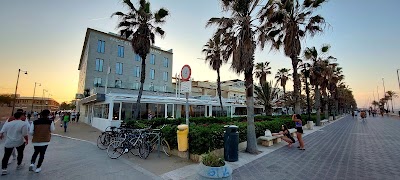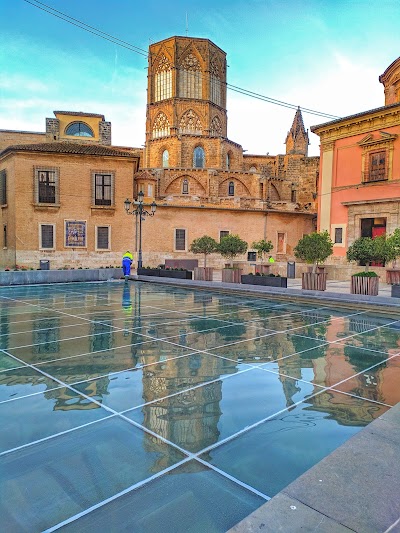
Valencia at golden hour

Valencia

A locally-written guide — where to stay, what to eat, and what not to miss.

The Valencia guide

An insider’s read on Valencia

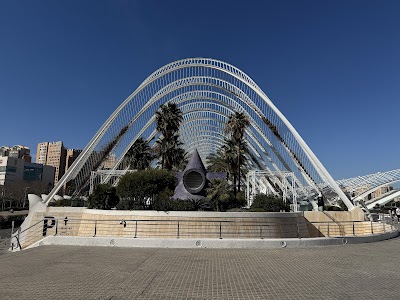
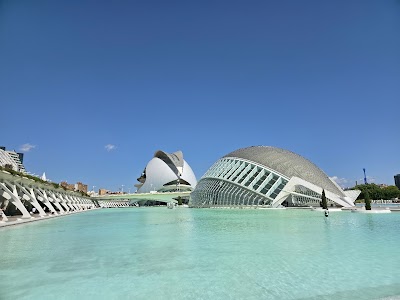
This ribbon of green now separates the medieval core from the futuristic, white-concrete curves of the City of Arts and Sciences.

Valencia is defined by a striking geographical pivot: a devastating 1957 flood forced the city to reroute its river, leaving behind a dry, nine-kilometer-long bed that was transformed into a lush public park. This ribbon of green now separates the medieval core from the futuristic, white-concrete curves of the City of Arts and Sciences. It is a city that lives outdoors, balanced between the salty breeze of the Mediterranean and the fertile agricultural plains of the Huerta that press against its western edges.

Where to base yourself

The neighborhoods

Where you sleep shapes the trip. Here’s the honest orientation, area by area.

El Carmen
via Google

El Carmen

For Suits travelers who want to be steps from historic sights and nightlife. The trade-off is constant street noise and late-night revelry.

A labyrinth of narrow medieval streets, crumbling city walls, and bold street art painted onto historic facades.

Where to stayLook for boutique apartments or small guesthouses tucked away on quiet side alleys rather than the main plazas.

  • The medieval Torres de Serranos gate
  • The street art of Calle de Moret
  • The bustling nightlife around Plaza del Tossal
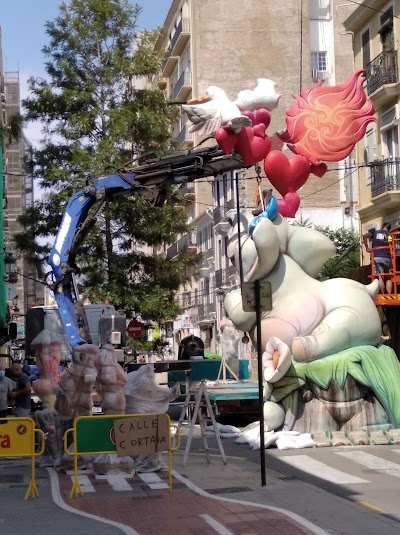
Ruzafa
via Google

Ruzafa

For Suits food lovers and those seeking a local, creative vibe. The trade-off is that it is far from the beach and lacks major historical monuments.
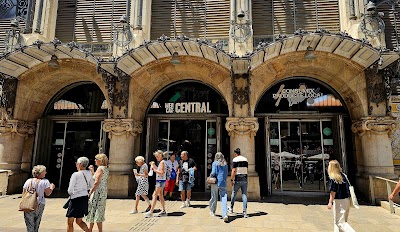
A former working-class neighborhood turned creative hub, filled with independent bookstores, vintage shops, and diverse dining.

Where to stayStylish mid-range apartments and design-forward boutique hotels.

  • The modernist Ruzafa Market
  • Independent galleries along Calle Denia
  • Craft beer bars on Calle Literato Azorín
El Cabanyal
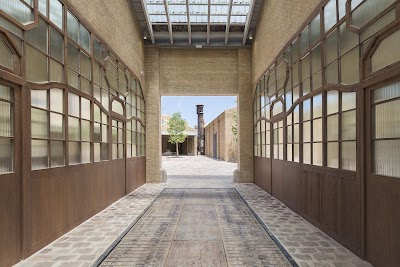
via Google

El Cabanyal

For Suits beach lovers and seafood enthusiasts. The trade-off is that some streets still feel neglected, and it is a twenty-minute tram ride to the historic center.

The old fisherman's quarter, defined by grid-like streets, brightly tiled facades, and a salty, slightly gritty maritime atmosphere.

Where to stayRenovated fisherman's cottages or beachside apartments.

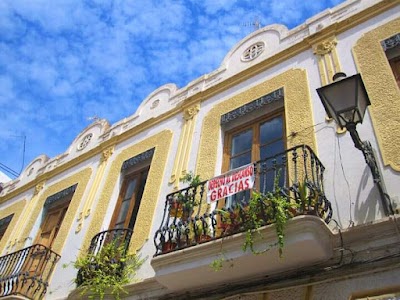
  • The tiled facades of Calle de la Reina
  • Traditional vermouth bars
  • The wide sands of Playa de las Arenas
La Seu & Ciutat Vella
via Google

La Seu & Ciutat Vella

For First-time visitors who want to walk to major landmarks. The trade-off is higher prices and a high concentration of souvenir shops.

The monumental heart of the city, dominated by Gothic architecture, grand plazas, and the massive Central Market.

Where to stayUpscale heritage hotels housed in converted palaces.

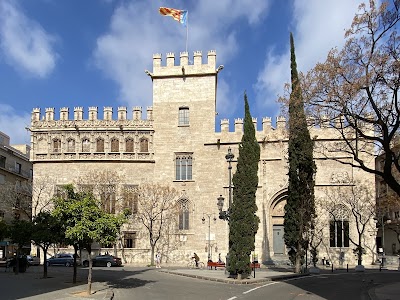
  • The Gothic Silk Exchange (La Lonja)
  • The sprawling Mercado Central
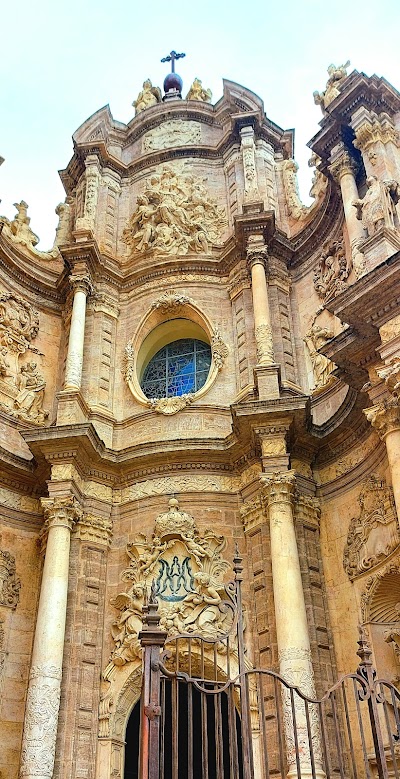
  • Valencia Cathedral and the Miguelete tower
L'Eixample & Gran Vía
via Google

L'Eixample & Gran Vía

For Suits travelers seeking upscale shopping, quiet streets, and fine dining. The trade-off is a lack of bohemian character and higher accommodation costs.

An elegant, late-nineteenth-century district with wide, tree-lined avenues, high-end fashion boutiques, and grand modernist apartment blocks.

Where to stayPremium international business hotels and luxury boutique properties.

  • The modernist Mercado de Colón
  • High-end shopping along Calle Colón
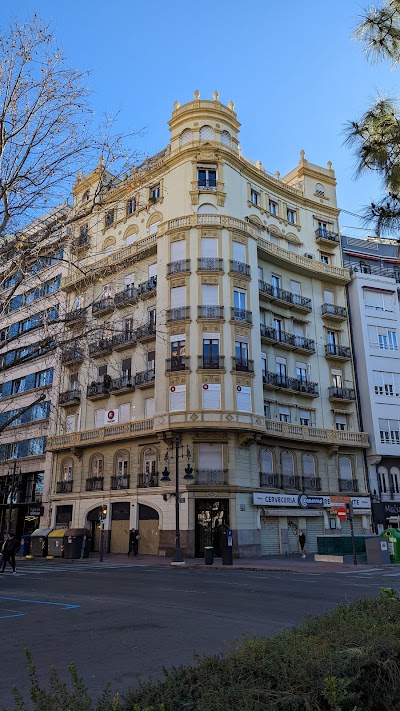
  • The grand architecture of Gran Vía Marqués del Turia
Benimaclet
via Google

Benimaclet

For Budget travelers and those looking for an authentic, un-touristy neighborhood. The trade-off is that it lies outside the main tourist perimeter.

A former independent village that retains its low-rise, pedestrianized core, now energized by a large student population.

Where to stayBudget-friendly guesthouses and shared apartments.

  • The village-like Plaza de Benimaclet
  • Cultural associations hosting live poetry and music
  • Affordable student-friendly tapas bars

Eat & drink

Where to eat in Valencia

Real tables, by category — from seafood and grills to the budget classics locals actually queue for.

After dark

Nightlife

Where the night goes — clubs, rooftop cocktails and the rooms with the best live music.

See & do

Culture

Museums, landmarks and galleries worth structuring a day around.

Don’t-miss

Signature experiences

Bike through the Turia Riverbed

Bike through the Turia Riverbed

Turia ParkHalf day

Renting a bicycle and riding the entire length of the former riverbed is the best way to understand the city's geography, taking you from the historic parklands past sports fields directly to the futuristic City of Arts and Sciences.

via Google
The Almuerzo Ritual

The Almuerzo Ritual

Cabanyal1-2 hours

Participate in 'esmorzar', the sacred mid-morning Valencian food ritual. Sit down between 9:30 AM and 11:00 AM for a massive, custom-filled baguette sandwich, accompanied by peanuts, olives, a cold beer, and a potent 'cremaet' coffee.

via Google
Sunset Boat Ride in Albufera

Sunset Boat Ride in Albufera

Albufera Natural ParkHalf day

Visit the freshwater lagoon just south of the city where paella rice was first cultivated. Taking a traditional wooden boat ride at sunset offers spectacular views of the reeds and local birdlife.

via Google

Beyond the city

Day trips

Albufera Natural Park

Albufera Natural Park

The birthplace of paella. You can hike through pine forests, view nesting waterbirds, and eat an authentic wood-fired rice lunch in the village of El Palmar.

Getting thereTake the municipal EMT Bus Line 24 or 25 from the city center directly to El Palmar in forty-five minutes.

via Google
Xàtiva

Xàtiva

A historic town dominated by a spectacular, double-walled castle that climbs up a steep mountain ridge, offering panoramic views of the surrounding valleys.

Getting thereTake the regional Cercanías train (Line C-2) from Estació del Nord; the journey takes roughly forty-five minutes.

Sagunto

Sagunto

Explore a massive hilltop Roman fortress and a remarkably preserved ancient Roman theater carved directly into the hillside.

Getting thereTake the regional Cercanías train (Line C-6) north from Estació del Nord, arriving in thirty minutes.

Book ahead

Things to do in Valencia

Top-rated tours, tickets and experiences — book in seconds, skip the line.

These are affiliate links. We may earn a commission when you book — at no extra cost to you. Tours are sold and operated by our partner, who is the merchant of record.

What it costs

Budgeting

Valencia offers excellent value compared to other major coastal cities, with affordable public transit and highly reasonable dining options if you stick to local lunch menus.

Travel stylePer day
Backpacker€50-70
Mid-range€120-180
Luxury€300+

Timing

When to visit

Spring and autumn offer the ideal balance of warm, sunny days and manageable crowds, avoiding the intense humidity of mid-summer.

SpringMarch brings the explosive, chaotic Fallas festival, which fills the streets with smoke, fire, and massive crowds. April and May follow with perfect patio weather and orange blossoms scenting the air.
SummerJuly and August are hot and highly humid. The city center empties out as locals head to the beaches, and many independent restaurants close for three weeks in August.
AutumnSeptember and October are excellent months to visit. The sea remains warm enough for swimming, and the autumn harvest brings fresh produce to the markets.
WinterNovember to February is mild and sunny during the day, though nights get crisp. It is the peak season for harvesting local citrus, and tourist crowds are at their thinnest.

Logistics

Getting around

Orientation map of Valencia
Map data © Google

From the airport

The Metrovalencia Line 3 and Line 5 run directly from the airport terminal to the city center in approximately twenty minutes.

Public transit

An efficient network of red EMT buses covers the entire city, while the Metrovalencia subway and tram lines connect the center to the outer suburbs and the beach.

Passes & tickets

The SUMA card is the most cost-effective option, combining metro, tram, and city buses on a single ticket for a low price band (€).

On foot

The historic center is flat, compact, and mostly pedestrianized, making walking the most practical way to explore the old quarters.

  • 1
    Rent a bicycle to navigate the flat Turia park; it is the fastest, traffic-free route from the old town to the beach.
  • 2
    Validate your bus ticket immediately upon boarding, as inspectors frequently check cards on popular routes.
  • 3
    Avoid taxis during the Fallas festival in March, as major streets are blocked by monuments and pedestrian zones.

Travel smart

Safety & etiquette

Valencia is exceptionally safe, with low rates of violent crime. The primary concern is opportunistic pickpocketing in crowded tourist areas like the Central Market, Plaza de la Reina, and on the beach.

Local etiquette

  • Never ask for chorizo in your paella; locals view this as a culinary insult.
  • Tipping is not mandatory; leaving a few coins or rounding up to the nearest euro is standard for good service.
  • Do not walk through the historic city center in swimwear; keep beach attire strictly to the promenade.

From the ground

Practical tips

  • 1
    Book your weekend lunch table at Casa Carmela several weeks in advance; it is impossible to get a walk-in table.
  • 2
    Buy a SUMA card at any metro station to save money on combined bus and metro trips.
  • 3
    Visit the Central Market before 1:00 PM, as stalls begin packing up early and it is completely closed on Sundays.
  • 4
    Rent a bicycle to use the dedicated, flat bike lanes that run throughout the Turia park and connect to the beach.
  • 5
    Look for the 'Menú del Día' at lunch for a highly affordable three-course meal that often includes a drink.
  • 6
    Avoid the tourist-trap restaurants directly on Plaza de la Reina; walk two blocks into the side streets for better quality and lower prices.

Book direct

Book a hotel in Valencia

Loading live availability and real-time prices…

Good to know

Valencia FAQs

Is Valencia walkable?

Yes, the historic center is flat, compact, and mostly pedestrianized, making it highly walkable.

Can I get paella for dinner?

Traditional restaurants only cook paella for lunch, as it is considered too heavy to digest at night; dinner options are usually tapas.

What is the local drink?

Horchata is the non-alcoholic favorite made from tiger nuts, while Agua de Valencia is a potent cocktail of cava, orange juice, gin, and vodka.

Is the tap water safe to drink?

Yes, the tap water is perfectly safe, though it has a high mineral content and a strong taste that leads most locals to prefer bottled water.

When is the Fallas festival?

The main events of the Fallas festival take place annually from March 15th to 19th, bringing loud firecracker displays and massive street monuments.

Valencia Travel Guide | Neighbourhoods & Things to Do