97 city guides · 2,881 stories, new content daily

Built to house the Habsburgs' formidable art collection, featuring galleries of Bruegel, Raphael, and Caravaggio.
Allow at least 3 hours. The grand cafe inside is worth a stop for coffee.

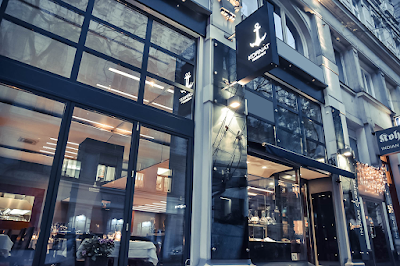
A refined establishment specializing in Dalmatian-style seafood, bringing the flavors of the Croatian coast to the imperial center.
What to order: Octopus salad and grilled sea bream
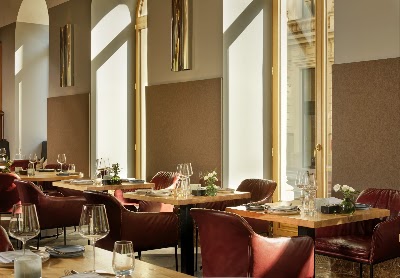
Located inside the Ritz-Carlton, this restaurant focuses on charcoal-grilled, premium cuts of Austrian beef sourced from local farmers.
What to order: Austrian dry-aged ribeye
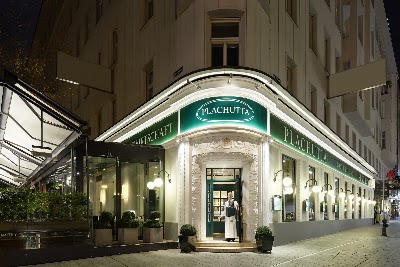
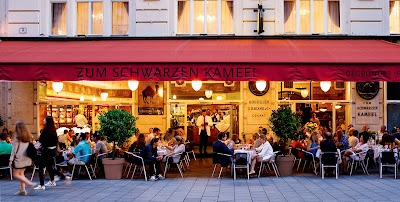
The undisputed temple of Tafelspitz, where the ritual of eating boiled beef is treated with imperial reverence.
What to order: Tafelspitz served in copper pots with bone marrow and chive sauce
One of the best art museums I have ever seen. Museum itself is also an amazing work of art. There is also a cafe which is really beautiful but unless you visit early, it is impossible to get in the cafe. Visitors of Vienna should spare half a day to visit this museum. Entrance is 24 Euros and there was a short que when we visited. It took us four hours to visit all the galleries with only small breaks.
Absolutely fantastic! Beautiful building (both outside and inside) provides an ideal setting for all the fabulous art and artifacts, spanning millenia of human craft and creativity. Set aside at least half a day, but ideally the whole day to enjoy everything.
Museum of Art History Vienna is absolutely breathtaking from the outside! Located directly opposite the Natural History Museum, its grand neo-Renaissance facade, magnificent columns, and ornate sculptures make it a true masterpiece of architecture. The symmetry with the museum across the square creates a stunning visual impression, and the whole area feels incredibly elegant and historic. Even without going inside, the building alone is worth stopping to admire and photograph. A must-see architectural gem in Vienna!
This museum opened in 1891 as the grand public home of the Habsburg imperial art collections. Designed by the imperial court itself, the museum is intentionally ornate and monumental, functioning as a clear architectural declaration of power. The collections were formed systematically through dynastic marriages, political alliances, and inheritance, allowing the Habsburgs to absorb large parts of Europe’s artistic heritage over centuries. As a result, the museum spans far beyond painting and sculpture, including Austrian historical objects, Egyptian antiquities, Greek and Roman collections, and one of the most important numismatic collections in Europe. The museum is especially renowned for its holdings of Flemish painting, Italian Renaissance art, and Spanish painting. Within this already exceptional range, the collection of Pieter Bruegel the Elder stands out as one of the finest—and most comprehensive—in the world, forming a central highlight of the museum. ※ Included in the Bundesmuseen Card.
Reviews are from Google. See the listing on Google Maps.