A data-driven guide — where to stay, what to eat, and what not to miss.
Guests & rooms
The Zanzibar guide
An insider’s read on Zanzibar
Stone Town, the historic core of Zanzibar City
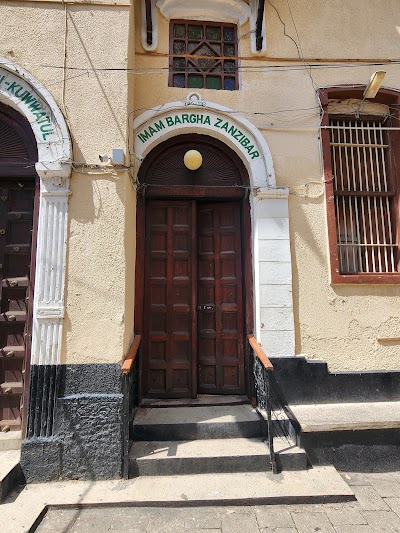
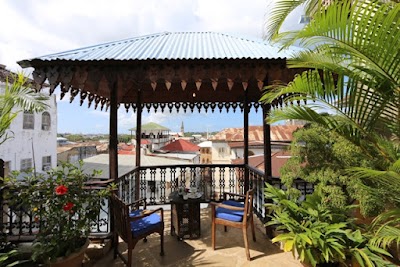
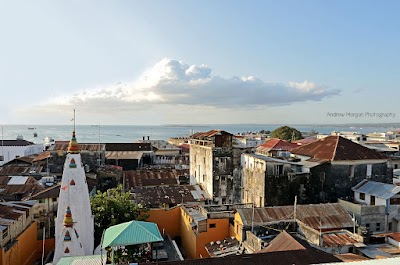
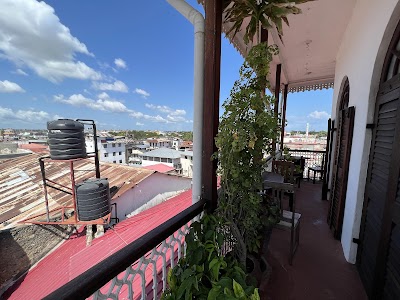
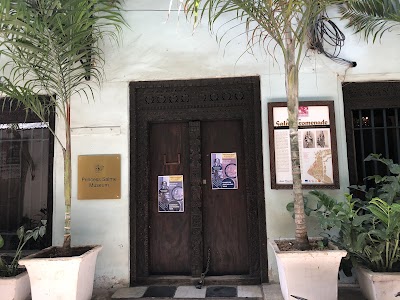
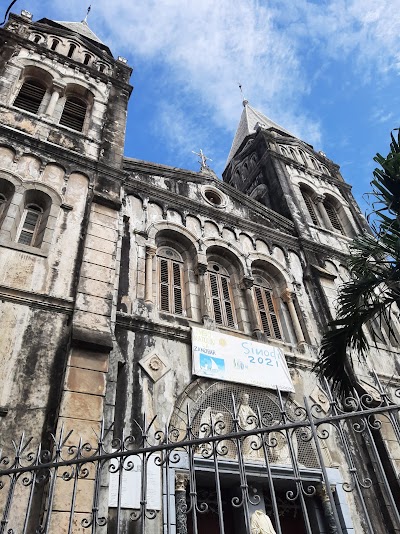
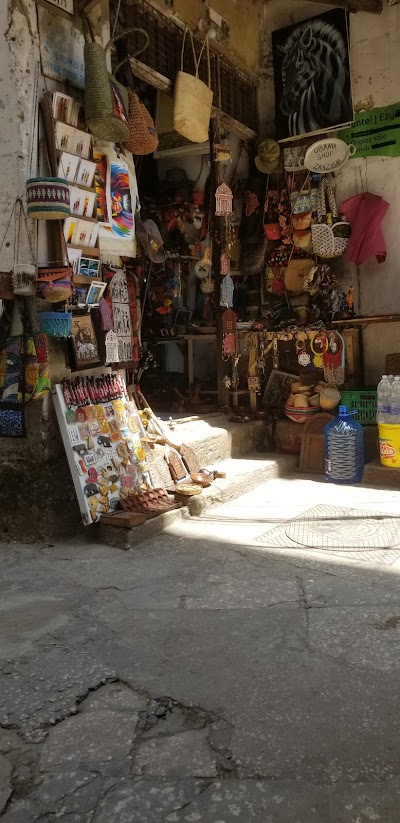
Stone Town, the historic core of Zanzibar City, is a sensory collision of damp coral-rag walls, the sharp scent of drying cloves, and the low hum of the call to prayer. It is an African-Arabian-Indian crossroads that refuses to be sanitized for tourism. Here, Vespa scooters squeeze past heavy, brass-studded teak doors, and children dive off the harbor walls into the warm waters of the Indian Ocean. It is a working port city first, and a tourist destination second.
Where to base yourself
The neighborhoods
Where you sleep shapes the trip. Here’s the honest orientation, area by area.
via Google
Stone Town (Mji Mkongwe)
For Culture seekers and history enthusiasts. The trade-off is the lack of a swimmable beach, constant humidity, and persistent street vendors.
A dense, labyrinthine historic quarter built of coral stone, featuring carved wooden doors, bustling markets, and narrow alleys.
Where to sleepRestored Omani merchant houses converted into characterful boutique hotels.
The labyrinth of narrow alleys around Hurumzi Street
Darajani Market's lively spice and fish auctions
Forodhani Gardens waterfront promenade
via Google
Nungwi
For Social travelers and those who want to swim regardless of the tide. The trade-off is that it is highly commercialized and crowded.
A lively fishing village turned major tourist hub on the northernmost tip of the island, known for its active shoreline and dhow-building yards.
Where to sleepMid-range beach hotels and lively guesthouses along the western strip.
Watching traditional wooden dhows being built by hand on the beach
Mnarani Marine Turtles Conservation Pond
Swimming in deep water that is less affected by the daily tides
via Google
Kendwa
For Beach purists and nightlife seekers. The trade-off is a lack of local Swahili culture, as the area is dominated by large resorts.
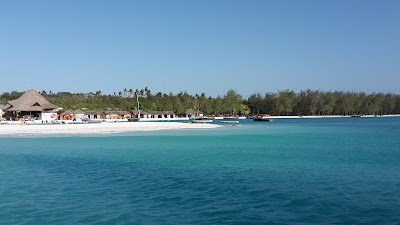
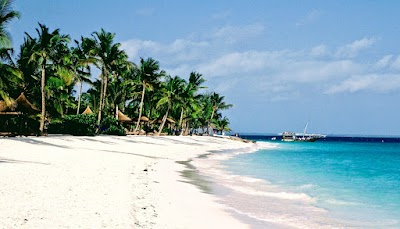
A wide, flat stretch of white sand just south of Nungwi, famous for its deep turquoise water and beach parties.
Where to sleepLarge-scale luxury resorts and beachfront hotels.
Swimming at low tide on one of the few non-tidal beaches
Sunset dhow cruises departing directly from the shore
The monthly Full Moon Party at Kendwa Rocks
via Google
Paje
For Kitesurfers, backpackers, and active travelers. The trade-off is that the ocean recedes hundreds of meters at low tide, making swimming impossible for hours.
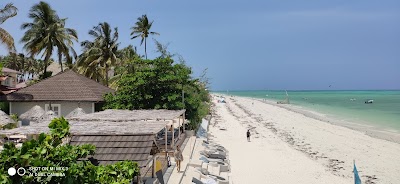
A windy, energetic village on the southeast coast, widely regarded as one of the premier kitesurfing destinations in East Africa.
Where to sleepEco-lodges, kitesurf camps, and social hostels.
Kitesurfing across the shallow lagoon
The Seaweed Center, a local women's cooperative producing skincare products
Beachfront cafes with a relaxed, youthful atmosphere
via Google
Jambiani
For Travelers seeking peace, local interaction, and a slower pace. The trade-off is the highly tidal beach and limited dining options outside of hotels.
A long, traditional fishing village stretching along the southeast coast, offering a quieter, more authentic alternative to Paje.
Where to sleepSmall, family-run boutique guesthouses directly on the sand.
Walking through the village to observe local life and seaweed farming
Exploring the freshwater pools inside Kuza Cave
Dining at small, independent beachfront restaurants
via Google
Matemwe
For Divers, snorkelers, and those seeking absolute seclusion. The trade-off is a very rocky shoreline at low tide and isolation from nightlife.
A quiet, rural village on the northeast coast, facing the deep-water channel and the Mnemba Atoll.
Where to sleepUpscale, secluded villas and eco-resorts.
Boat trips to the reefs of Mnemba Atoll for diving
Watching local fishermen bring in their catch at the fish market
Uncrowded beach walks along miles of quiet sand
via Google
Michamvi
For Sunset lovers and travelers looking to escape the crowds. The trade-off is the remote location, requiring taxis for almost any excursion.
A remote peninsula on the east coast, divided into a surf-heavy ocean side and a calm, mangrove-lined bay side.
Where to sleepBohemian eco-resorts and boutique beach lodges.
Watching the sunset over the water at Michamvi Kae (rare for the east coast)
Paddleboarding through the mangrove forests
Relaxing at low-key beach bars
via Google
Kiwengwa
For Families and package holidaymakers who prefer resort amenities. The trade-off is a highly commercialized feel and persistent beach sellers.
A long stretch of white sand on the northeast coast, heavily developed with large, Italian-influenced all-inclusive resorts.
Where to sleepAll-inclusive luxury resorts and large hotel complexes.
Walking the wide, flat sandy beach
Exploring the nearby Kiwengwa Caves
Windsurfing in the protected lagoon
via Google
Fumba
For Eco-tourists and those looking to escape the typical resort strips. The trade-off is the lack of sandy swimming beaches and dining options.
A quiet, undeveloped peninsula on the southwest coast, characterized by rocky cliffs and pristine marine conservation areas.
Where to sleepSecluded eco-lodges integrated into the natural landscape.
Departing on the 'Safari Blue' conservation-friendly boat tour
Exploring the uninhabited sandbanks of Menai Bay
Spotting humpback dolphins in the marine reserve
Eat & drink
Where to eat in Zanzibar
Real tables, by category — from seafood and grills to the budget classics locals actually queue for.
Seafood
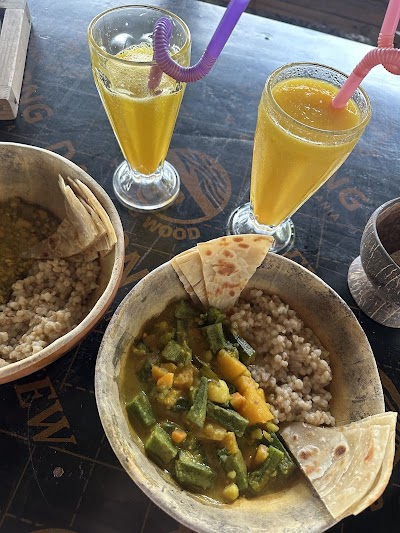
Seafood in Zanzibar is caught daily using traditional methods. It is heavily influenced by Swahili spices, coconut milk, and lime.
While seafood dominates, Zanzibar's grilling culture is deeply rooted in Middle Eastern and Indian traditions, featuring heavily spiced meats cooked over open charcoal.
While traditional Swahili food uses a lot of coconut milk and vegetables, dedicated plant-based cafes have emerged to cater to health-conscious travelers.
Zanzibar is known as the 'Spice Island.' Walking through a local shamba (farm) to smell, taste, and touch fresh vanilla, nutmeg, and cinnamon explains the island's global historical value.
via Google
Snorkeling at Mnemba Atoll
MatemweHalf day★★★★★★★★★★4.6(97)
The premier marine conservation area on the island, offering crystal-clear water, resident dolphins, and vibrant coral reefs.
via Google
Stone Town Walking Tour
Stone TownHalf day★★★★★★★★★★5.0(25)
Navigating the maze of alleys with a local guide is the only way to uncover hidden courtyards, understand the symbolism of the carved doors, and learn about the city's architectural history.
via Google
Beyond the city
Day trips
Prison Island (Changuu Island)
★★★★★★★★★★4.3(1,401)
To see the giant Aldabra tortoises (originally a gift from the Seychelles) and explore the ruins of a former quarantine station.
Getting thereA 30-minute boat ride on a traditional motorized wooden boat from Stone Town's waterfront.
via Google
Jozani Chwaka Bay National Park
Zanzibar's only national park, home to the endangered, endemic Red Colobus monkeys and a beautiful mangrove boardwalk.
Getting thereA 45-minute taxi ride south from Stone Town.
Tumbatu Island
★★★★★★★★★★4.0(49)
A rarely visited island off the north coast with ancient Shiraz ruins and a highly traditional, conservative culture.
Getting thereRequires a guided tour and a boat transfer from Nungwi; special permits are needed to visit.
via Google
Book ahead
Things to do in Zanzibar
Top-rated tours, tickets and experiences — book in seconds, skip the line.
These are affiliate links. We may earn a commission when you book — at no extra cost to you. Tours are sold and operated by our partner, who is the merchant of record.
What it costs
Budgeting
Zanzibar can accommodate budget backpackers or ultra-luxury travelers. Stone Town is generally cheaper than the beach resorts, where transport and dining costs can escalate quickly.
Travel style
Per day
Backpacker
€40-70 (band)
Mid-range
€120-250 (band)
Luxury
€400+ (band)
Timing
When to visit
Zanzibar has two distinct dry seasons and two wet seasons, heavily influenced by the monsoon winds.
Cool Dry Season (June to October)The most comfortable time of year with clear skies, lower humidity, and steady breezes. Ideal for exploring Stone Town and beach activities.
Short Rains (November to December)Brief afternoon showers are common, but they rarely disrupt travel. Temperatures and humidity begin to rise.
Hot Dry Season (January to February)Very hot and dry. The sea is calm and clear, making this the peak season for scuba diving and snorkeling around the northern reefs.
Long Rains (March to May)Heavy, persistent downpours. Many beach resorts close during this period, and dirt roads can become impassable.
Abeid Amani Karume International Airport (ZNZ) is about 5 kilometers south of Stone Town. Taxis are the only reliable option; agree on a price before departing or pre-arrange a transfer through your lodging to avoid aggressive airport touts.
Public transit
The local public transit consists of 'dala-dalas'—either open-air trucks with wooden benches or small minibuses. They are incredibly cheap, highly crowded, and run without fixed schedules. They are suitable for adventurous travelers but impractical for those with luggage.
Passes & tickets
There are no transit or city passes available on the island. All transport is paid for in cash per journey.
On foot
Stone Town is entirely walkable; its labyrinth of alleys is too narrow for cars. The coastal beach villages are easily navigated on foot along the sand, but traveling between different coastal regions requires a taxi or a private driver.
1
Always negotiate taxi fares before getting into the vehicle, as they do not use meters.
2
Carry cash in Tanzanian Shillings for local transport; drivers rarely accept cards.
3
Download an offline map app like Maps.me, as GPS signals can drop in the deep stone alleys.
Travel smart
Safety & etiquette
Zanzibar is generally safe, but petty theft on beaches is common. Avoid walking on unlit beaches at night, especially with valuables. Be cautious of 'papasi' (beach boys/hustlers) who can be persistent with sales but are rarely dangerous.
Local etiquette
Dress conservatively when outside of beach resorts. Both men and women should cover their shoulders and knees in Stone Town and local villages.
Always ask permission before taking photos of locals, especially Muslim women and children.
During Ramadan, avoid eating, drinking, or smoking in public during daylight hours in Stone Town.
Public displays of affection are highly discouraged.
From the ground
Practical tips
1
Always carry small denominations of Tanzanian Shillings; vendors rarely have change for large USD bills or 10,000 TZS notes.
2
Download an offline map application like Maps.me before entering Stone Town; Google Maps often loses GPS signal in the narrow alleys.
3
When booking a taxi, agree on the price before getting in, and confirm whether the quote is in USD or TZS.
4
Check the tide tables before planning beach days on the east coast (Paje/Jambiani); the water recedes up to a kilometer, making swimming impossible for hours.
5
Buy spices at local markets like Darajani rather than on the spice tours; the prices are significantly lower and the quality is identical.
6
Be prepared for 'Zanzibar time' (pole pole - slowly slowly); service in restaurants is notoriously relaxed, so do not order when you are already starving.
Book direct
Book a hotel in Zanzibar
Loading live availability and real-time prices…
Good to know
Zanzibar FAQs
Do I need a yellow fever vaccination?
Only if you are arriving from a country with a risk of yellow fever transmission; it is not required if arriving directly from Europe or the US, though transit rules can sometimes be strictly interpreted.
Is the water safe to drink?
No, always drink bottled or filtered water, and use it even for brushing your teeth.
Can I use US Dollars everywhere?
Yes, but they must be printed after 2006, undamaged, and you will get a better rate using Tanzanian Shillings (TZS) for smaller purchases.
How do I dress in Stone Town?
Cover your shoulders and knees; Stone Town is a conservative Muslim society, and walking around in swimwear or revealing clothing is highly disrespectful.
Are there ATMs on the beaches?
They are very rare and frequently run out of cash; withdraw sufficient Tanzanian Shillings in Stone Town or the airport before heading to the coast.