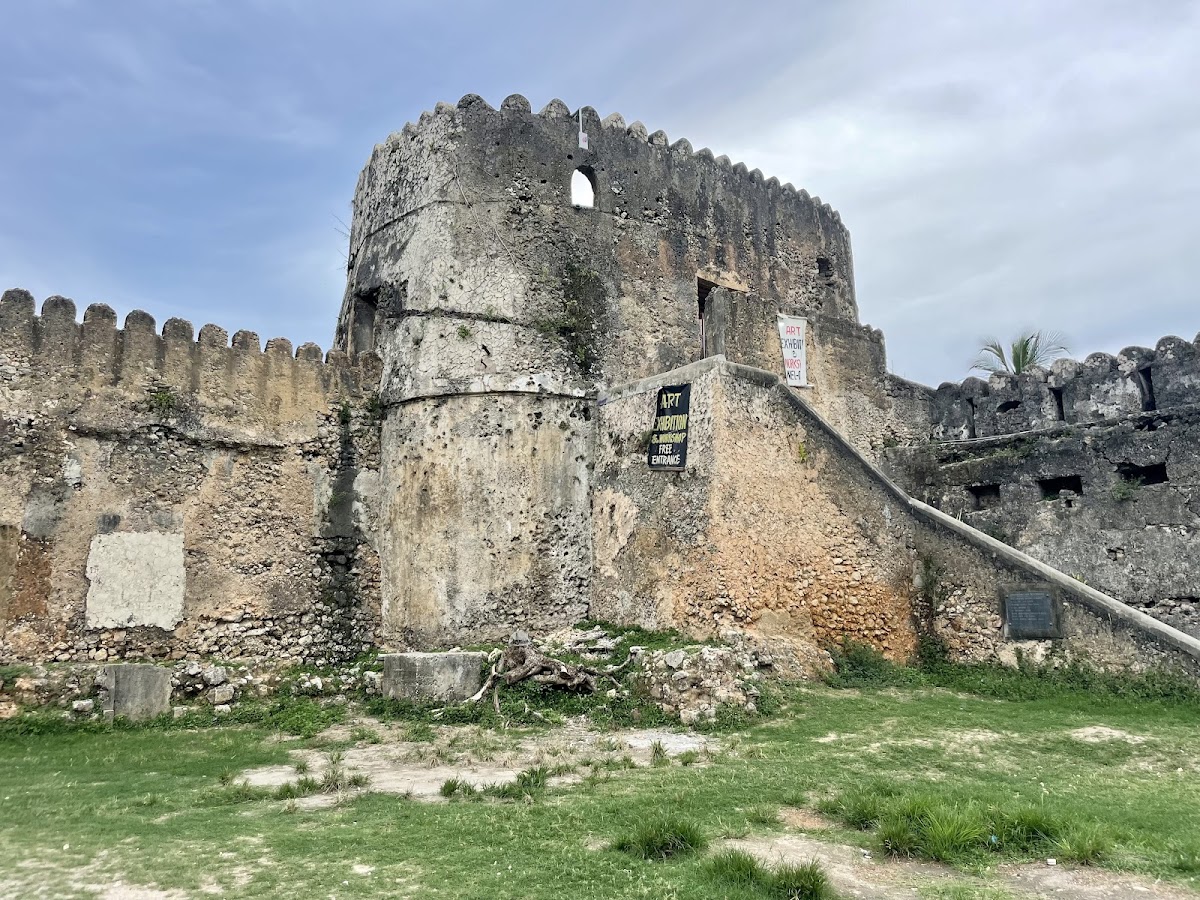
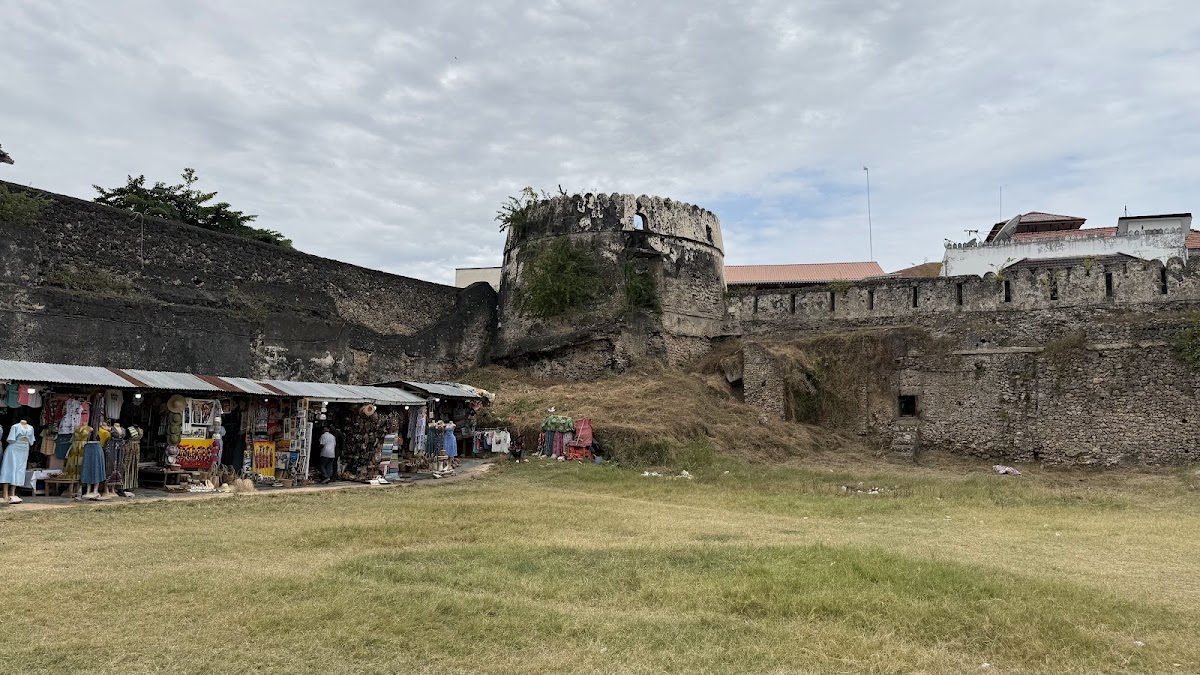
Old Fort (Ngome Kongwe)
Den ældste bygning i Stone Town, bygget af omaniske arabere i slutningen af 1600-tallet for at forsvare sig mod portugiserne.
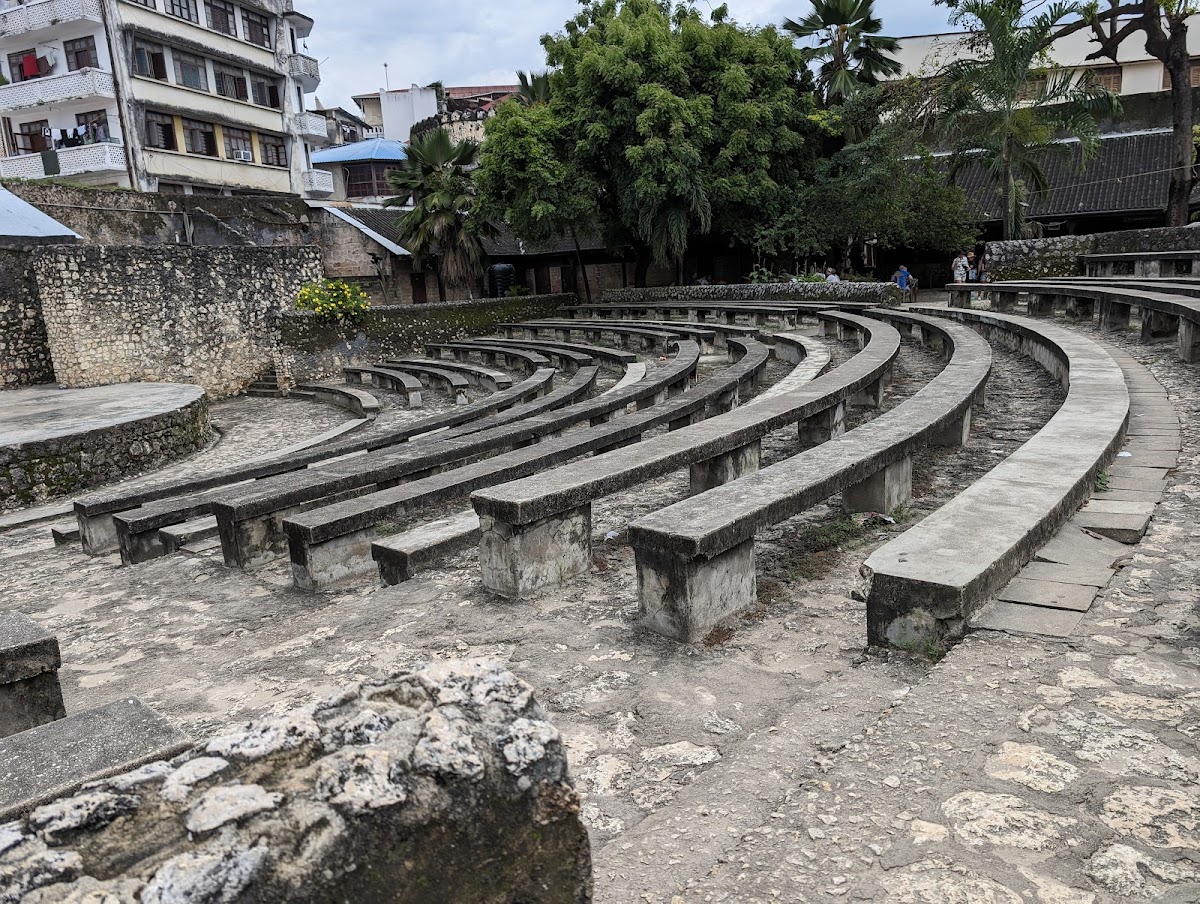
Gratis adgang. Har et udendørs amfiteater, der stadig er vært for kulturelle begivenheder.
Mere i Stone Town
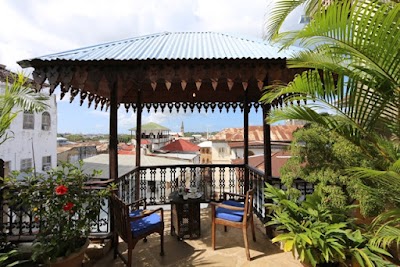
Emerson Spice Tea House
En tagterrasse-oplevelse, der tilbyder en kurateret skaldyrs-degustationsmenu med panoramaudsigt over Stone Towns skyline ved solnedgang.
Hvad du skal bestille: Fem-retters skaldyrsmenusmagning med lokale krydderier
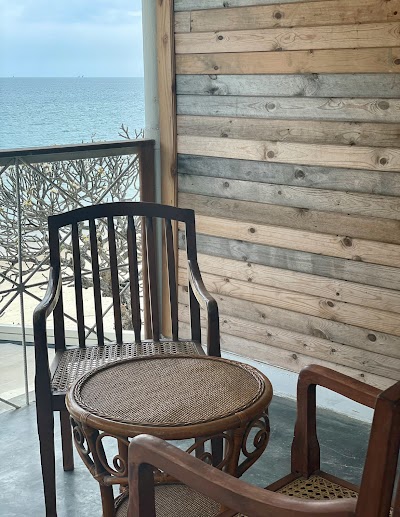
Archipelago Waterfront
Tilbyder pålideligt, velskrydret grillet kød med en førsteklasses udsigt over havnen og aftenens dhow-trafik.
Hvad du skal bestille: Okse-spyd marineret i ingefær og swahili-krydderier
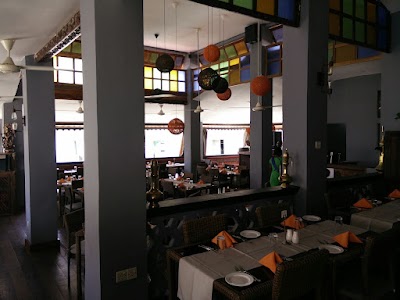
The Silk Route
En indisk restaurant, der serverer exceptionelt tandoori-kød tilberedt i en traditionel lerovn med udsigt over havet.
Hvad du skal bestille: Tandoori-kylling og lamme-seekhkebab
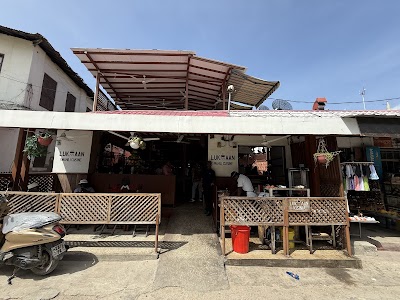
Lukmaan Restaurant
Et legendarisk lokalt spisested, hvor du peger på, hvad du vil have fra et kæmpebuffet med autentiske swahili-retter.
Hvad du skal bestille: Blækspruttecurry (mchuzi wa pweza) med kokosris
Hvor det ligger
Anmeldelser
The venue for Sauti za Busara. Let's just say, the acoustics were amazing! The space just feels so warm and in with the vibe of the festival and its people. The ampitheatre, corner shops and main stage, where there were living quarters of the Portuguese and Omani Arabs hundreds of years ago, all meld so well. It's not towering and imposing, and because of the sea front reclamation feels less of a precipice kind of fort, more of part of the fabric of Zanzibar. The washrooms and restaurant need a bit of love with their design though, and after the festival it did feel a bit neglected and in need of love.
Having visited Zanzibar and lived there, I hadn’t taken the time to explore Ngome Kongwe—until now. Stepping inside this iconic Old Fort was like stepping back in time. The beauty of the place is undeniable, from the ancient walls to the vibrant energy that still pulses through its courtyards. Though I missed the festivities like Sauti za Busara, I was captivated by the serene atmosphere that allowed me to take in the fort’s historic presence. The shops lining the interior are thoughtfully arranged, each offering a unique glimpse into local artistry and craftsmanship. The blend of culture and history here is nothing short of immaculate. I lingered in one of the shops, enjoying not just the items on display but the warmth and hospitality of the people. There’s something special about the way they welcome you—gently, with a quiet pride in their craft. It’s more than a place to visit; it’s a space to connect, reflect, and appreciate the rich cultural heritage of Zanzibar.
Ngome Kongwe, also known as the Arab Fort and by other names, is a fortification located in Stone Town, the capital of Zanzibar. It is the oldest building and a major visitor attraction of Stone Town. It is located on the main seafront, adjacent to another landmark building of the city, the House of Wonders (former palace of the Sultan of Zanzibar), and facing the Forodhani Gardens. It was built by Omani Arabs after expelling the Portuguese in 1699. It was used as a garrison and prison in the 19th century, and as a terminal of the Zanzibar railways 1905-28. A new guardhouse was built in 1947 and used as the ladies' club, and an amphitheatre was added in the 1990s. It is now the headquarters of the Zanzibar international film festival." It was later used as a prison and as barracks. In early 20th century it was also used as a depot during the construction of the railway that connected Stone Town to the village of Bububu. The fort is essentially a square of high, brown walls with merlons, protecting an inner courtyard. In the courtyard there are some remnants of earlier buildings, including those of a Portuguese church and another Omani fortification.