
Marit Vanderberg
Rio's neighbourhoods, staircases and cable-car views
Wohnt in Rio de Janeiro, Brazil.
Marit first came to Rio to research the ethics of favela tourism and stayed to write about its neighbourhoods, from the Glória staircases to the forest trails above Urca. She plans city breaks around the Sugarloaf cable car, the Jardim Botânico and the quieter Zona Norte museums most guides leave out.
Neueste Artikel

Sofitel Rio de Janeiro Ipanema Opens 1 December: Rooftop Pool, Lasai and a Beach Club
Rio's biggest hotel opening in years brings a two-Michelin-star kitchen and a wrap-around rooftop pool to the Ipanema beachfront. Whether to risk the opening month, and which beachfront rooms to book instead.

Rio Carnival 2027 Without a Sambadrome Ticket: How the Free Street Blocos Work
You don't need a Sambadrome ticket to be inside Rio's Carnival. One free street bloco is worth a dawn start, another will split your group apart, and another moves as a slow devotional procession.

Riding Rio's Sugarloaf cable car in November 2026
What a ride on the Sugarloaf cable car costs in November 2026, which hour to go, and how the queue at the Praia Vermelha station behaves.

Rio's rack railway from Cosme Velho to Christ the Redeemer
The 3.8 km climb out of Rua Cosme Velho takes 20 minutes, but since the summit escalator works began, the timed slot you book matters more than the ride.

Rio Helicopter Flights Over Barra da Tijuca Worth the Seat
What the window shows you, how the operators compare for a couple rather than a group of six, and what ten extra minutes of air time over Barra da Tijuca adds to the price.

Rio's Urca Trolley Tours Are Really a Cable Car
Urca's bondinho is a cable car, not a tram, and the granite peninsula beneath it is worth a whole slow day on foot.

Timing Museu do Amanhã Right in Rio's October Heat
What the exhibition inside Rio's Museum of Tomorrow actually holds, which hour to book in October, and the port walk that explains the building.
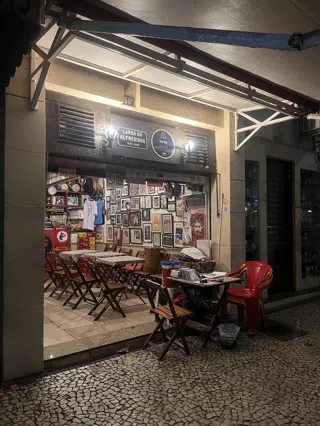
Rio's Choro Revival Is Playing Every Night of the Week
Samba gets the headlines, but Rio's older, faster instrumental music is filling bars from Copacabana to Gamboa in 2026. Here's where to actually find it.

Carnaval, Réveillon and Festa Junina Anchor Rio's Year
Rio de Janeiro's three fixed annual dates, Carnaval, Réveillon on Copacabana and Festa Junina, explained with real prices, dates and who each one actually suits.
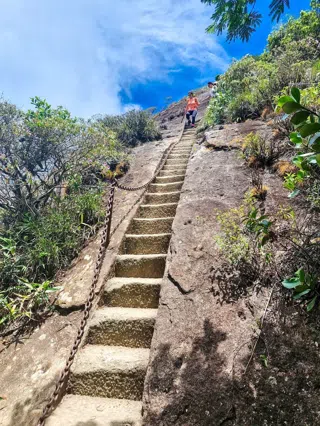
Tijuca Forest: Rio's Jungle Above the City
A practical, honest route through the rainforest that rises directly above Rio de Janeiro, from an easy summit view to the mandatory-guide climb of Pedra da Gávea.

Rio's Favelas, Where Murals, Funk and Views Collide
A resident-led route through the hillside communities that shaped Rio's art, music and skyline — from the birthplace of the word 'favela' to a rooftop bar with the best sunset in the city.

The Republic of Sand: How Rio's Beaches Became Its Only True Democracy
In a city divided by hills and income, the beach is the one address where everyone holds an equal claim — a guide to Rio's democratic shoreline, from Arpoador's sunset to Prainha's wild break.

The Maracanã Match-Day Ritual: A Local's Guide to Game Day in Rio
The match is only the centre of the afternoon — here is how to spend a Maracanã game day like a Carioca, from the tiled boteco to the samba hall next door.

The best adventure experiences in Rio de Janeiro
From the Pedra Bonita hang-gliding ramp to a dawn scramble up Two Brothers and a baile funk that runs to sunrise — the definitive planner for an active group in Rio in 2026.
Jeder Artikel ist gezeichnet und datiert und folgt unseren redaktionellen Standards.