Maritime Museum (Museu Marítim)
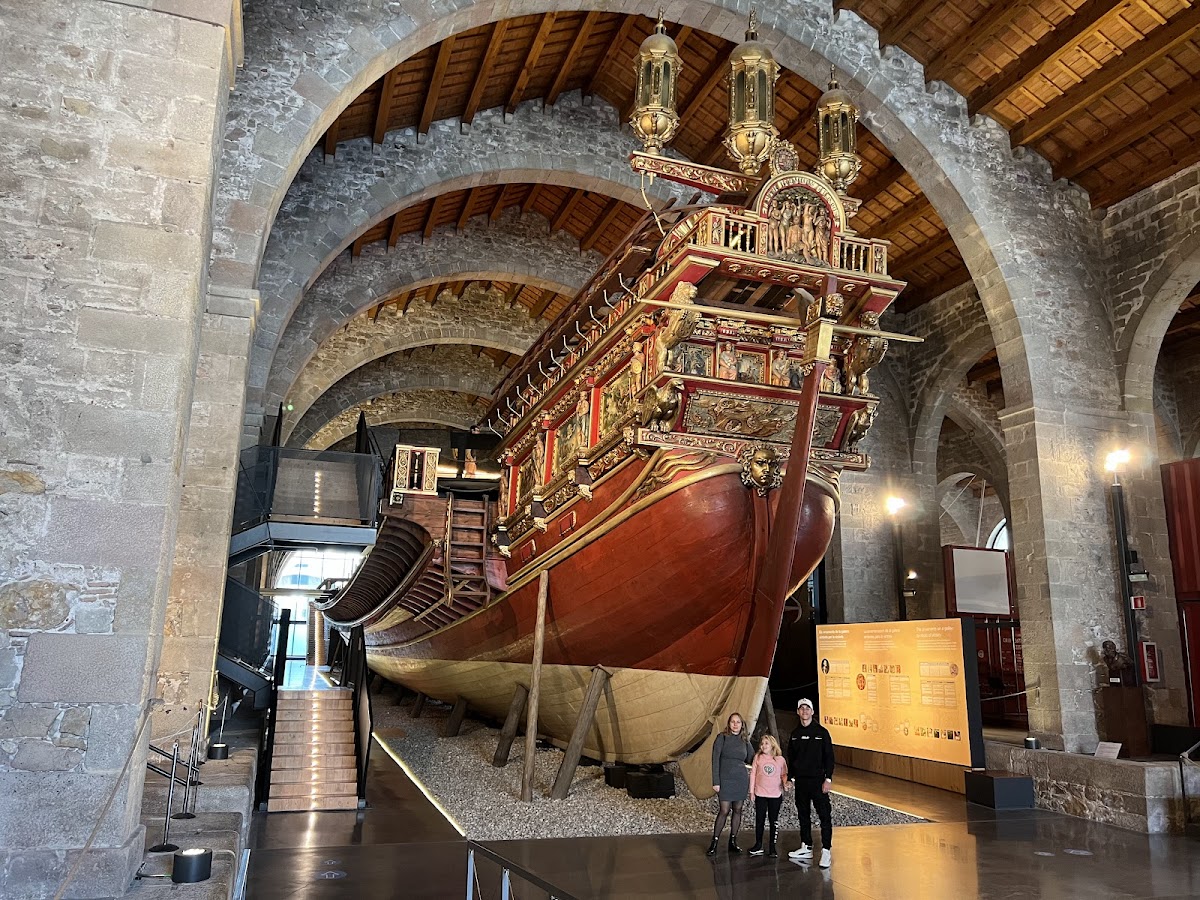
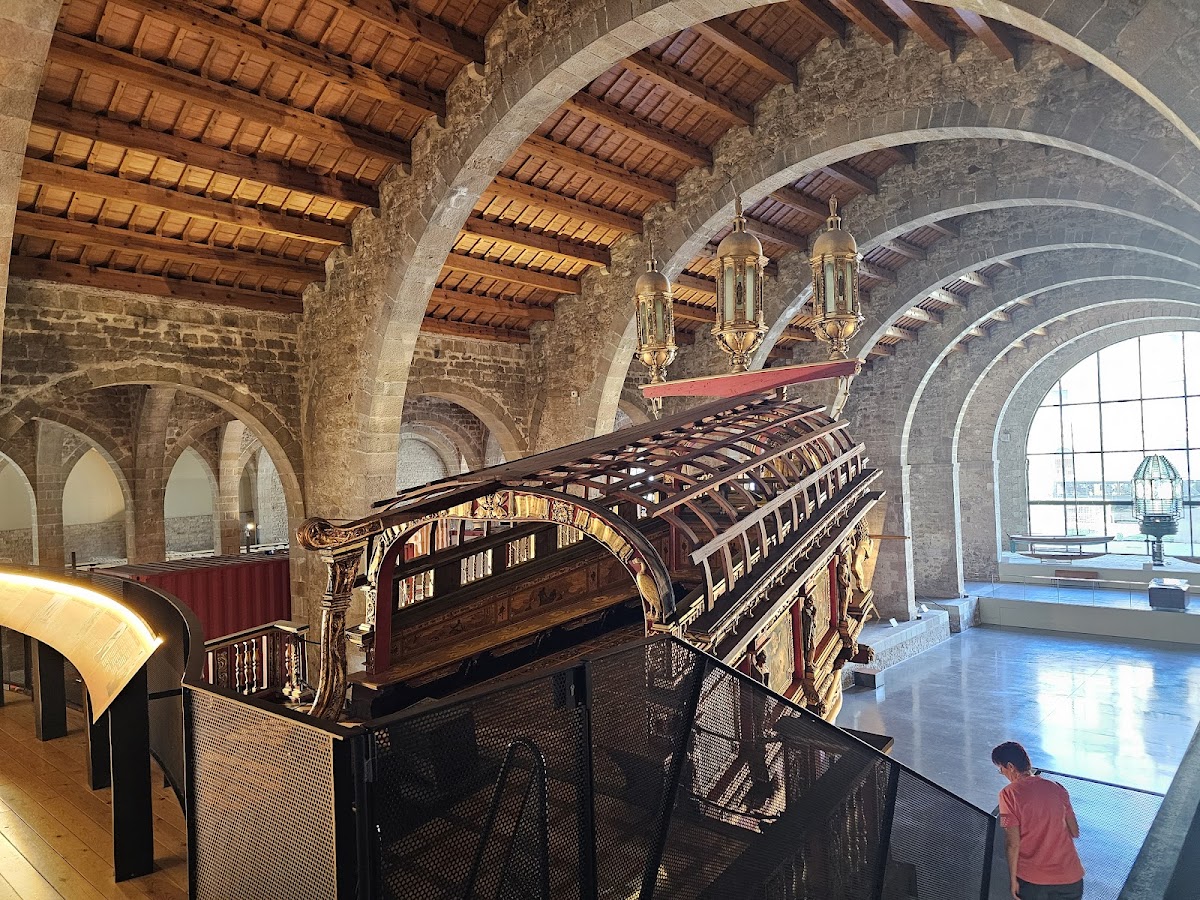
Untergebracht in den prächtigen mittelalterlichen königlichen Werften, zeigt es die lange Geschichte der mediterranen Seemacht der Stadt.
€; zeigt einen beeindruckenden Nachbau einer königlichen Galeere aus dem 16. Jahrhundert in Originalgröße.
Mehr in Raval
Dos Palillos
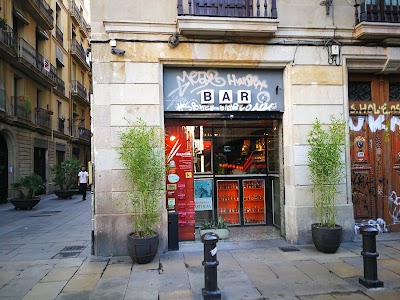
Chefkoch Albert Raurich bietet an einem eleganten Holztresen eine außergewöhnliche Fusion aus asiatischem Streetfood und spanischen Tapas.
Was Sie bestellen sollten: Gedämpftes Brötchen mit Iberico-Schweinebacke(n)
Teresa Carles
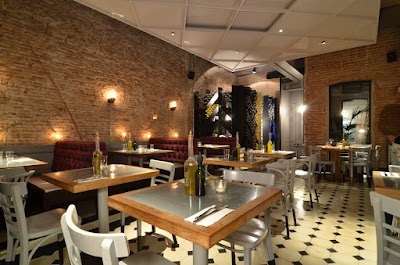
Ein Pionier der gehobenen vegetarischen Küche in der Stadt, der kreative, saisonale Gerichte in einem warmen, mit Backsteinmauern gestalteten Raum serviert.
Was Sie bestellen sollten: Platte mit handwerklich hergestelltem, pflanzenbasiertem Käse.
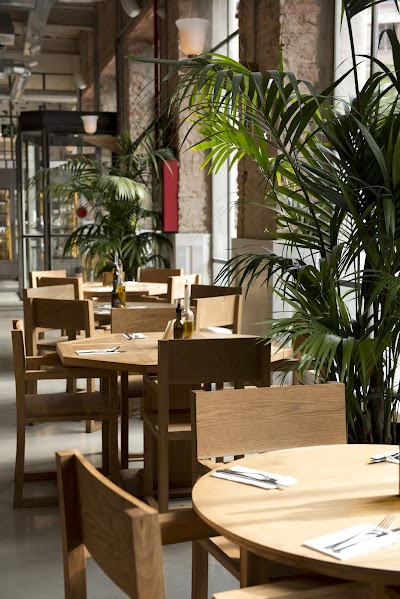
Flax & Kale
Ein trendiges, wunderschön gestaltetes „flexitarisches“ Restaurant, das sich auf pflanzenbasierte Gerichte, kaltgepresste Säfte und nachhaltigen Fisch konzentriert.
Was Sie bestellen sollten: Wassermelonen-Feta-Salat mit pflanzenbasiertem Thunfisch.
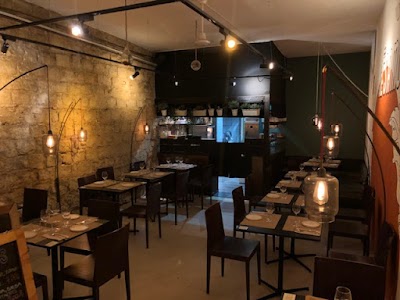
Sésamo
Eine gemütliche, intime vegetarische Tapas-Bar mit einem äußerst kreativen Menü mit mehreren Gängen.
Was Sie bestellen sollten: Blumenkohl mit Haselnuss-Praline.
Wo es liegt
Bewertungen
This was far better than the Picasso Museum if you’re into boats and history. The space is fascinating, and I really wish we’d had more time to explore both the shop and the café — they looked great. The large ship displayed in the middle of the museum is absolutely captivating. I’ve honestly never been anywhere quite like it. The way the museum celebrates and explains the marine, maritime, and yachting world is impressive and genuinely engaging. I’ll definitely be back on my next visit.
Museu Marítim de Barcelona doesn’t just display maritime history, it houses it inside a cathedral built for ships. The moment you step into the former royal shipyards, those repeating stone arches feel less like architecture and more like a ribcage, as if the building itself were a vessel pulled ashore centuries ago. The scale hits first. That full-sized royal galley replica, La Real, isn’t just something you look at, it dominates the space like it’s waiting for orders. From above, the geometry of the oars and deck starts to make sense; from below, it feels almost theatrical, carved and painted like a floating throne. What stands out beyond the centerpiece is how layered the experience is. Detailed ship models, navigation tools, and even fragments of actual vessels pull you through Barcelona’s relationship with the sea, from medieval shipbuilding to global trade. The long waterfront model gives a surprisingly clear sense of how the city once faced the Mediterranean, more working port than postcard. There’s also something quietly fascinating about the building itself. These shipyards date back to the 13th century and were still being used for construction well into the early modern period, meaning the walls around you weren’t just storage, they were production lines for an empire’s navy. Plenty of space, easy to move through, and visually striking without feeling overcrowded. This is one of those museums where the setting does half the storytelling before you even read a single placard.
I visited the Maritime Museum in Barcelona and really enjoyed it. The museum’s location in the historic Drassanes shipyard building is impressive, and its exhibitions on Catalan maritime history are engaging and well presented. One bonus is that admission is free on Sundays after 3 PM, making it a perfect cultural stop on a relaxed afternoon. Inside, the café with high ceilings and the garden seating area are delightful — a lovely place to unwind with a drink after exploring. The views and atmosphere make it worth a visit for both history lovers and anyone enjoying Barcelona’s portside charm.
Beautiful museum with very well done interactive displays. This museum has some really beautiful models, and the full size replica galley is truly remarkable. I really appreciate the interactive exhibitions, particularly the educational touch screen exhibitions that cover the roles of different seaman, and celestial and solar navigation. The latter is very close to my heart, and they did an excellent job of conveying how time and geometry allow navigators to determine their location on earth. Additionally, the span of maritime history covered by the museum is excellent: you can visit for modern, colonial, and precolonial interests and be met with many relevant exhibitions.
Die Bewertungen stammen von Google. Den Eintrag in Google Maps ansehen.