Colossi of Memnon
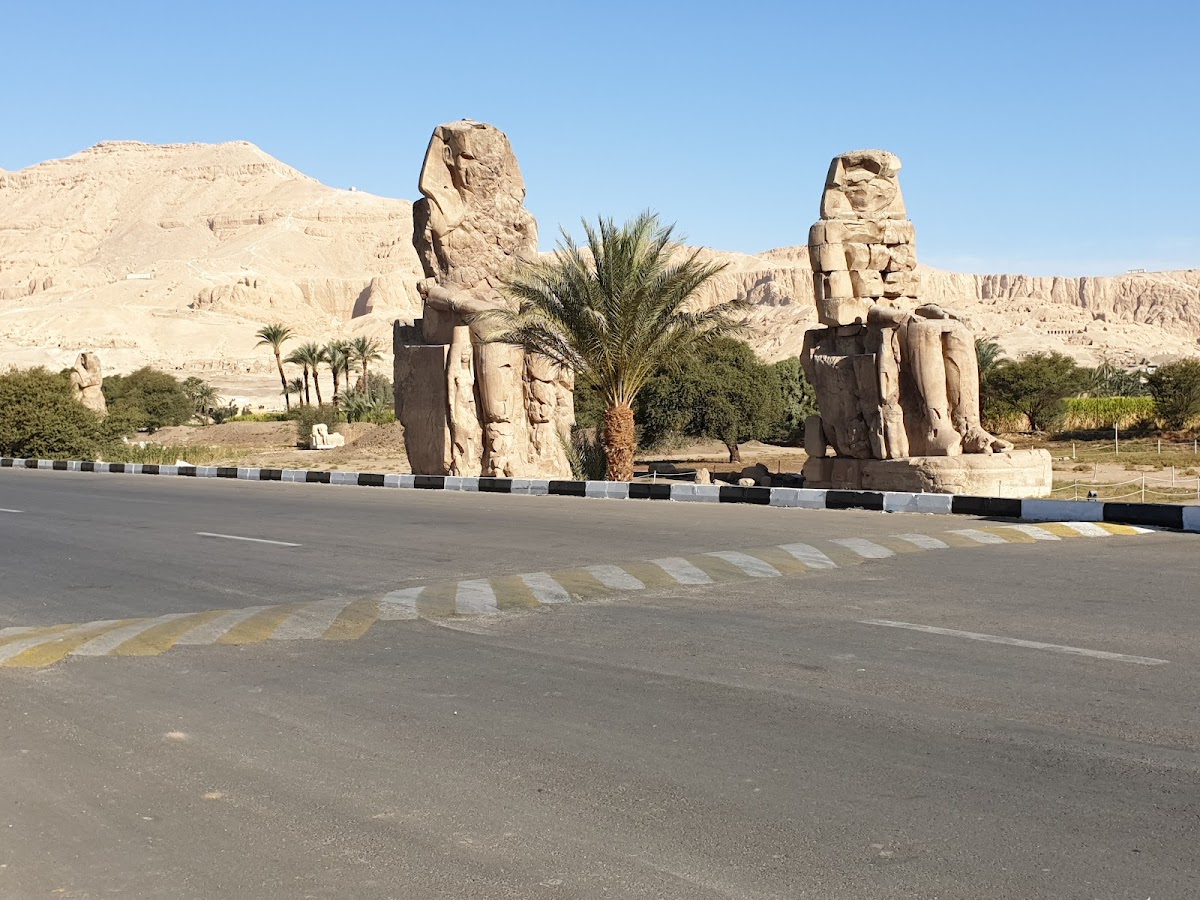
Zwei gewaltige Steinstatuen von Pharao Amenophis III., die seit über 3.400 Jahren auf den landwirtschaftlich genutzten Feldern des Westufers stehen.
Der Besuch ist kostenlos. Ein kurzer, lohnender Halt am Straßenrand auf dem Weg zu den Gräbern.
Mehr in Westufer - Gurna
Marsam Restaurant
Im Innenhof eines historischen Hotels gelegen, serviert es Bio-Gemüse, das direkt von nahen Höfen am Westufer stammt.
Was Sie bestellen sollten: Langsam gebackene Gemüse-Moussaka
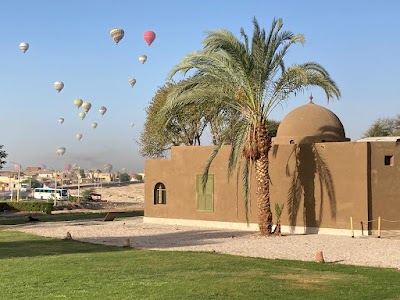
Carter's House
Das kuppelförmige Lehmziegelhaus, in dem Howard Carter während seiner Suche nach dem Grab des Tutanchamun lebte. Es ist mit seinen originalen Möbeln, Werkzeugen und seiner fotografischen Dunkelkammer erhalten.
Tipp: Nahe dem Eingang zum Tal der Könige gelegen. Ein ruhiger, stimmungsvoller Halt.
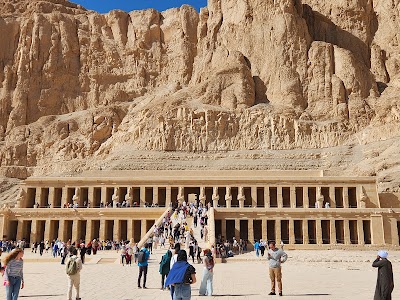
Valley of the Kings
Die Begräbnisstätte der Pharaonen des Neuen Reiches, deren tief in den Fels gehauene Gräber außergewöhnlich lebendige, originale Malereireliefs aufweisen.
Tipp: Ein Standardticket berechtigt zum Eintritt in drei Gräber. Die Gräber von Tutanchamun, Sethos I. und Ramses VI. erfordern zusätzliche Tickets.
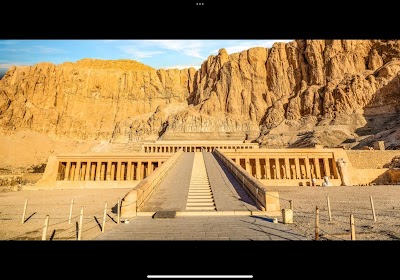
Temple of Hatshepsut
Ein beeindruckender, dreistufiger Terrassentempel, der direkt in die hoch aufragenden Kalksteinklippen von Deir el-Bahari gebaut wurde.
Tipp: Stark der Sonne ausgesetzt; bringen Sie Wasser und einen Hut mit.
Wo es liegt
Bewertungen
One of the most striking places on the Western Bank of River Nile in Luxor in Upper Egypt is the ‘Colossi of Memnon.’ My partner and I visited it on December 20, 2025 (Saturday) while on our way from the ‘Mortuary Temple of Hatshepsut’ to the ‘Karnak Temple Complex.’ We got down from our vehicle and admired the twin statues of Pharaoh Amenhotep III. Although the ‘Mortuary Temple of Amenhotep III,’ which once used to be the largest temple in Luxor, is no longe existent, these statues tell the tale of a time long forgotten, and deeply buried in both history and folklore!
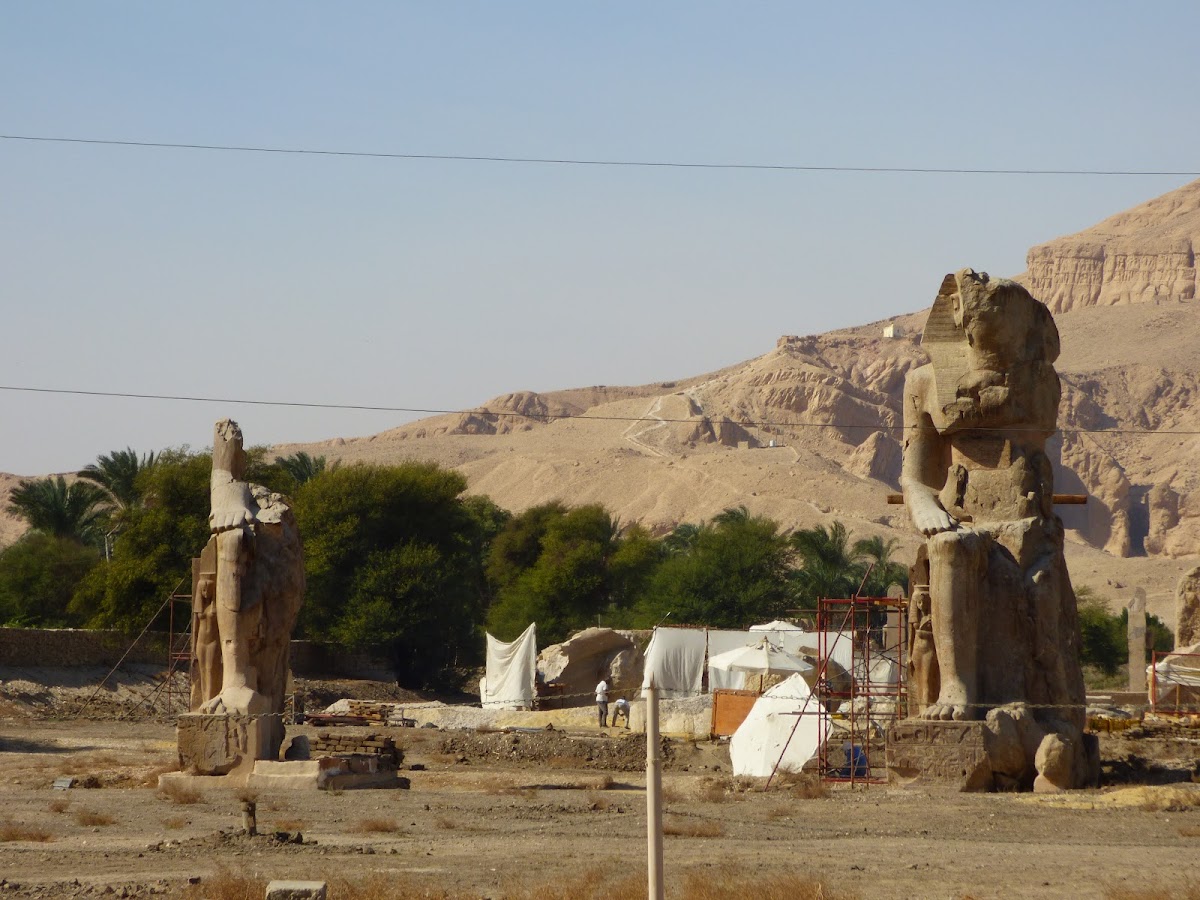
Quick stop on the way to the hotel air balloon rides. There was a bathroom across the road which was decent. Nice to see a statue in its original location with no tourist stuff around. Its also free to see. There's also an excavation currently going on behind the statues so that was cool to see in person.
The Colossi of Memnon are two monumental statues that stand as silent guardians on the west bank of the Nile near Luxor. Carved from quartzite sandstone around 1350 BCE, these statues originally flanked the entrance to the mortuary temple of Amenhotep III, one of Egypt’s most powerful pharaohs of the 18th Dynasty. Each statue rises about 18 meters (60 feet) high, depicting the seated king with his hands resting on his knees. These statues are in their original location and is free to visit. Currently there are some excavation nearby the statues.
The Colossi of Memnon stand in silent majesty, two ancient guardians watching over the desert for more than three thousand years.
Die Bewertungen stammen von Google. Den Eintrag in Google Maps ansehen.