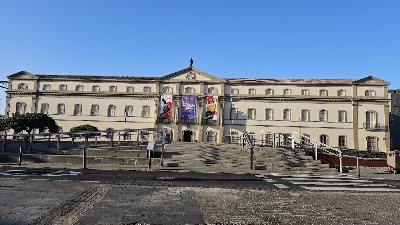
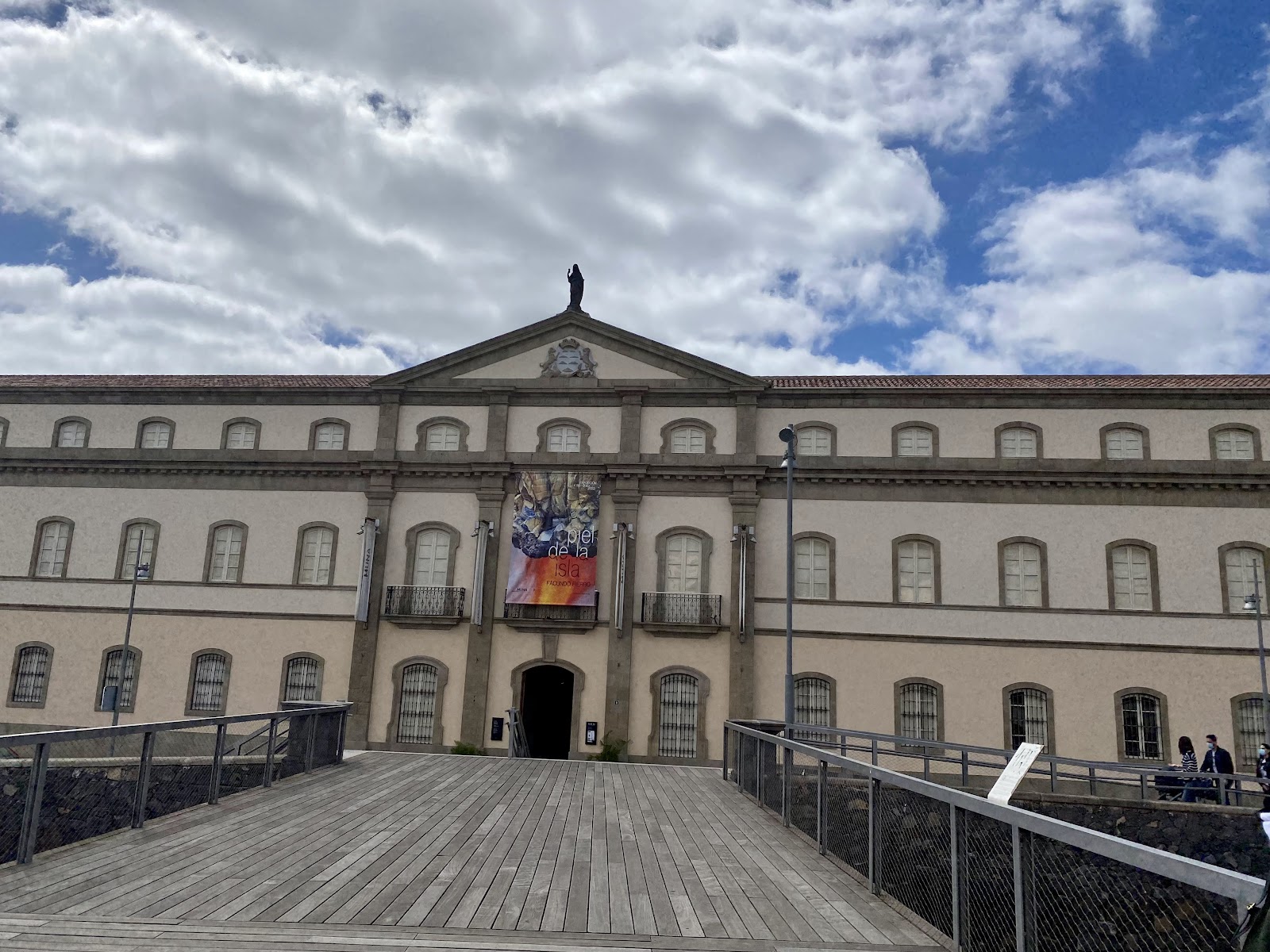
Museo de la Naturaleza y Arqueología (MUNA)
Hier sind die Guanchen-Mumien und Schädel ausgestellt, das beste materielle Zeugnis der vorspanischen Bevölkerung der Insel, dazu Geologie und die Eruptionsgeschichte des Teide selbst.
Rechnen Sie mit zwei bis drei Stunden; moderater Eintritt; Beschriftungen auf Spanisch und Englisch
Mehr in Santa Cruz de Tenerife
Bokanka
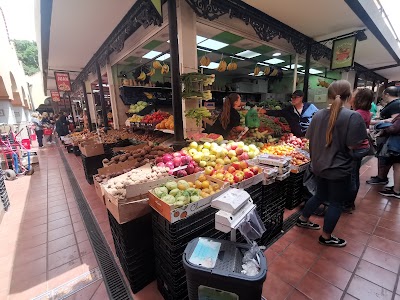
Ein Terrassenrestaurant mit direktem Blick über die Küste von Santa Cruz, das auf mediterran geprägte Meeresfrüchte setzt statt auf die deftigeren kanarischen Eintöpfe, wie man sie weiter im Norden findet.
Was Sie bestellen sollten: Meeresfrüchteteller mit mediterraner Note, serviert auf einer Terrasse mit Meerblick
Tasca La Rebotica
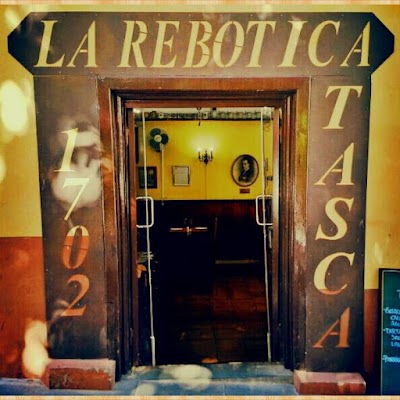
Eine Tasca im Innenhof unter einem großen Baum in der Altstadt, mit iberischem Schweinefleisch, Kroketten und Thunfisch mit Kartoffeln statt touristischer Tapas.
Was Sie bestellen sollten: Iberisches Schweinefleisch und Thunfisch mit Kartoffeln
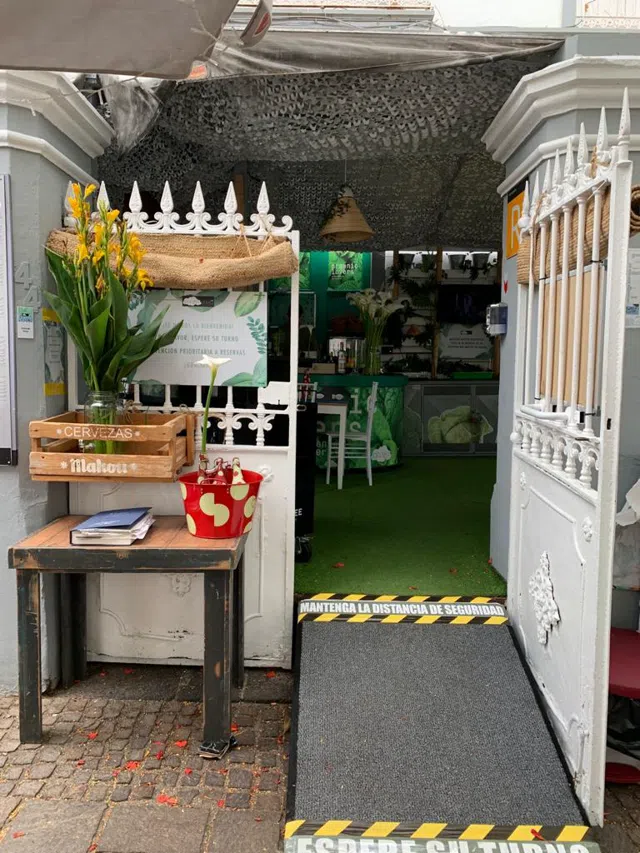
Panza Burro Tasca
Eine kleine Tasca, die vor Ort vor allem für ihren Gazpacho und ehrliche, unkomplizierte Tapas bekannt ist – nichts, das auf vorbeiziehende Touristen zugeschnitten wäre.
Was Sie bestellen sollten: Gazpacho und Tagestapas
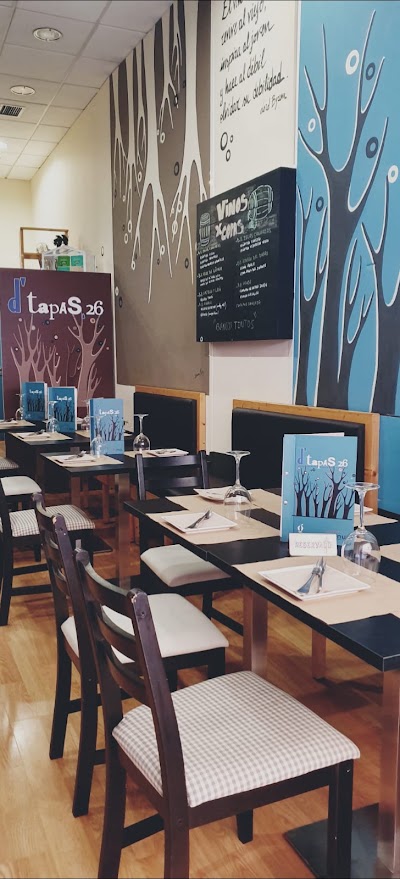
D'Tapas, 26
Eine verlässliche, preiswerte Tapas-Bar in der Hauptstadt, in der kleine Teller und eine kurze Weinkarte die Arbeit übernehmen, statt einer langen Speisekarte.
Was Sie bestellen sollten: Kleine Teller mit spanischen Tapas
Wo es liegt
Bewertungen
It was a nice experience. Kids will sure remember Mummies exhibition. It was something different to do on holidays. Fairly affordable tickets and a nice exposition. Also we loved butterflies, beetles and other animals. It was a good one for the family trip.
A fascinating museum! The collection of Guanche mummies is truly unique and impressive. Great displays on the nature and history of Tenerife. Highly recommended for a visit in Santa Cruz!
The Museum of Nature and Archaeology, known locally as MUNA, is a world-class cultural institution in Santa Cruz de Tenerife that provides an in-depth look at the volcanic origins and indigenous history of the Canary Islands. It is housed in the Old Civil Hospital, a beautiful 18th-century neoclassical building that has been designated an Asset of Cultural Interest. Key Highlights and Exhibits The museum is most famous for its extensive collection related to the Guanches, the aboriginal inhabitants of Tenerife. Guanche Mummies: MUNA is a global reference in mummy preservation, housing the world's largest collection of Guanche mummies. The exhibits use modern conservation technology to display these ancient remains and explain the funeral customs of the island's first people. Archaeological Treasures: You can view significant artifacts like the Zanata Stone, which features Berber-Punic inscriptions, as well as ancient Guanche pottery and items from the royal tombs of their kings (the Menceyes). Natural Sciences: The natural history section features life-size models of endemic species and an impressive paleontological collection. Highlights include fossils of the Tenerife giant rat, the giant tortoise, and the Gallotia goliath (a giant lizard). Inclusive Experience: Formerly known as the "Museum of Nature and Man," it was renamed in 2018 to be more inclusive. It offers free audio guides in six languages (Spanish, English, French, German, Italian, and Russian) that can be accessed on your own mobile device.
Visited the archeology part of the museum especially to see the mummies of original settlers Guanche. The museum explains the geological origins of the Canary islands very well. All explanations are in Spanish but you can scan a QR code for audio guide in several languages. Nice touch but they forgot about the hearing impaired tourists - written explanations at least in English would help. Nevertheless the archeology of Canarias is explained very well in second and third floor for every island. You learn how the Guanche lived, ate, which deseases they had and how they healed them. The most special exhibition are the mummies found in Tenerife. Last but not least, the entrance fee is modest and even reduced for seniors over 65.
Die Bewertungen stammen von Google. Den Eintrag in Google Maps ansehen.