Old Fort (Ngome Kongwe)
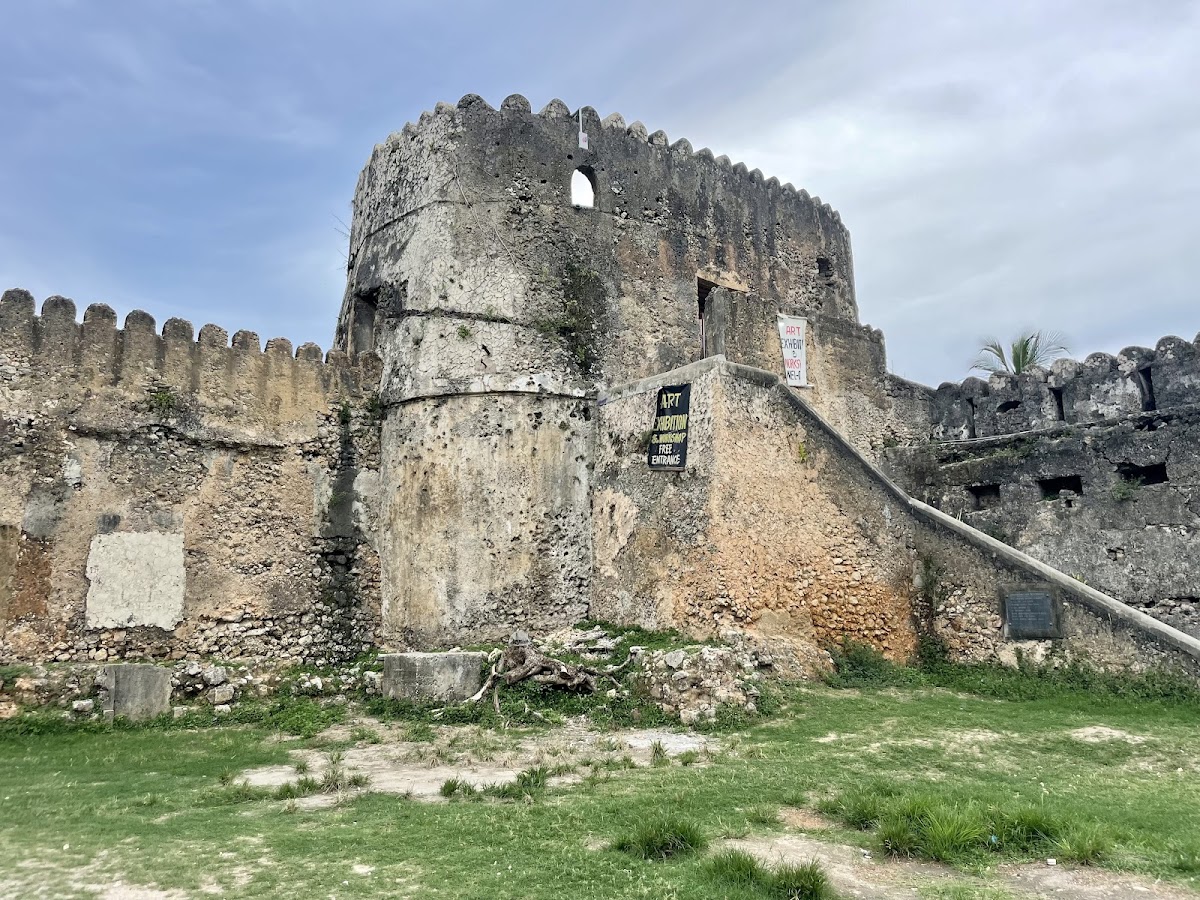
Das älteste Gebäude in Stone Town, erbaut von omanischen Arabern im späten 17. Jahrhundert zur Verteidigung gegen die Portugiesen.
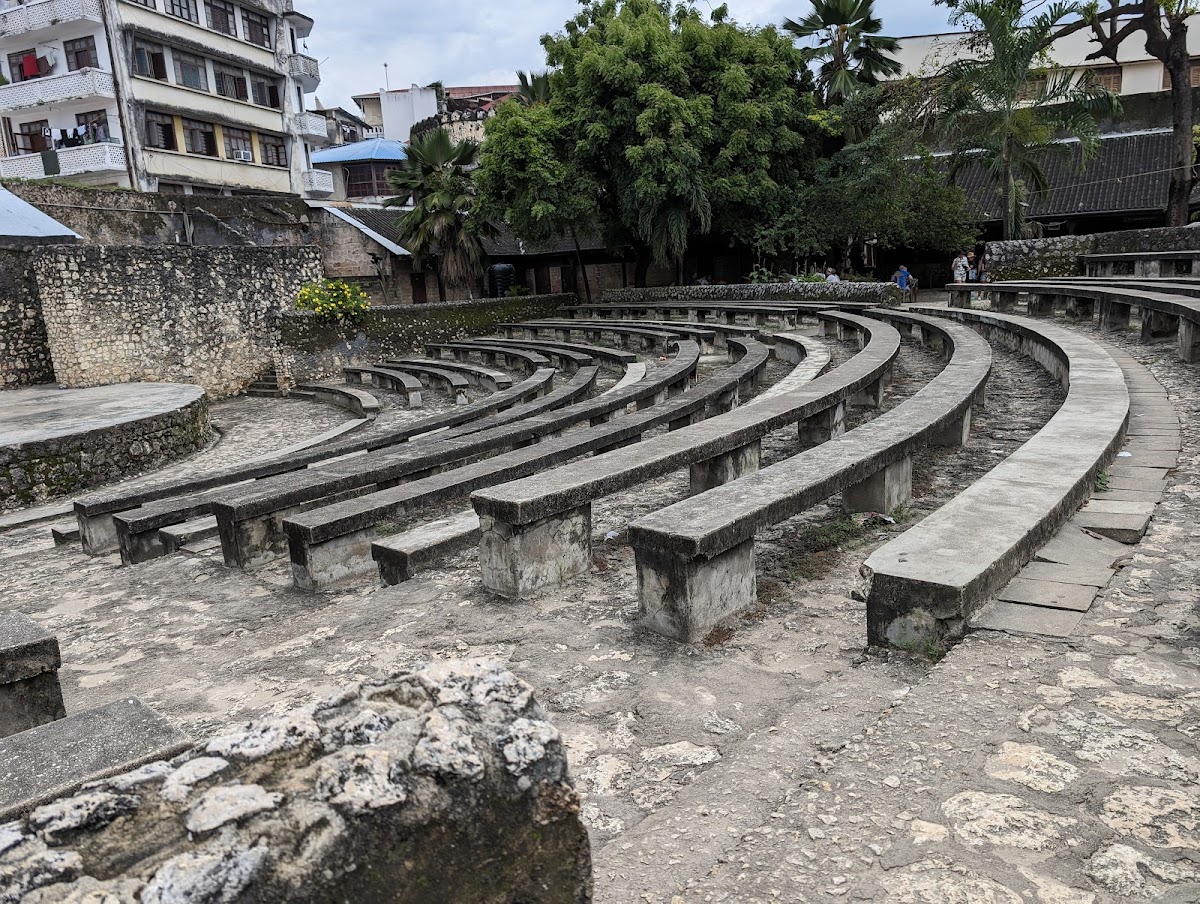
Freier Eintritt. Verfügt über ein Open-Air-Amphitheater, in dem noch heute kulturelle Veranstaltungen stattfinden.
Mehr in Stone Town
Emerson Spice Tea House
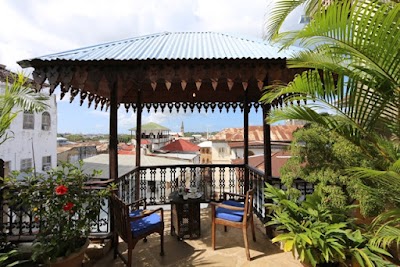
Ein Dachrestaurant-Erlebnis mit kuratiertem Meeresfrüchte-Degustationsmenü und Panoramablick über die Skyline von Stone Town bei Sonnenuntergang.
Was Sie bestellen sollten: Fünf-Gänge-Meeresfrüchte-Verkostungsmenü mit lokalen Gewürzen
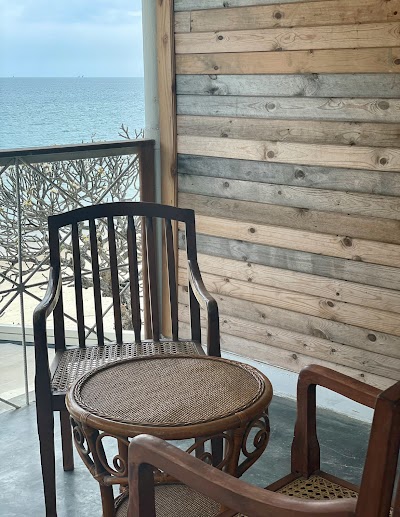
Archipelago Waterfront
Bietet zuverlässige, gut gewürzte Grillgerichte mit erstklassigem Blick auf den Hafen und den abendlichen Dhow-Verkehr.
Was Sie bestellen sollten: Rindfleischspieße, mariniert in Ingwer und Swahili-Gewürzen
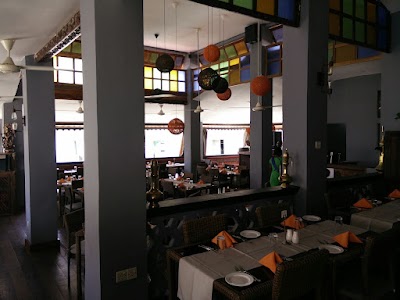
The Silk Route
Ein indisches Restaurant, das außergewöhnliche Tandoori-Gerichte aus einem traditionellen Lehmofen mit Blick auf den Ozean bietet.
Was Sie bestellen sollten: Tandoori-Hähnchen und Lamm-Seekh-Kebabs
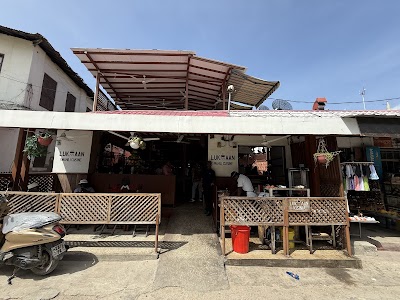
Lukmaan Restaurant
Eine legendäre lokale Kantine, in der Sie auf ein riesiges Buffet mit authentischen Swahili-Gerichten zeigen, was Sie möchten.
Was Sie bestellen sollten: Oktopus-Curry (mchuzi wa pweza) mit Kokosreis
Wo es liegt
Bewertungen
The venue for Sauti za Busara. Let's just say, the acoustics were amazing! The space just feels so warm and in with the vibe of the festival and its people. The ampitheatre, corner shops and main stage, where there were living quarters of the Portuguese and Omani Arabs hundreds of years ago, all meld so well. It's not towering and imposing, and because of the sea front reclamation feels less of a precipice kind of fort, more of part of the fabric of Zanzibar. The washrooms and restaurant need a bit of love with their design though, and after the festival it did feel a bit neglected and in need of love.
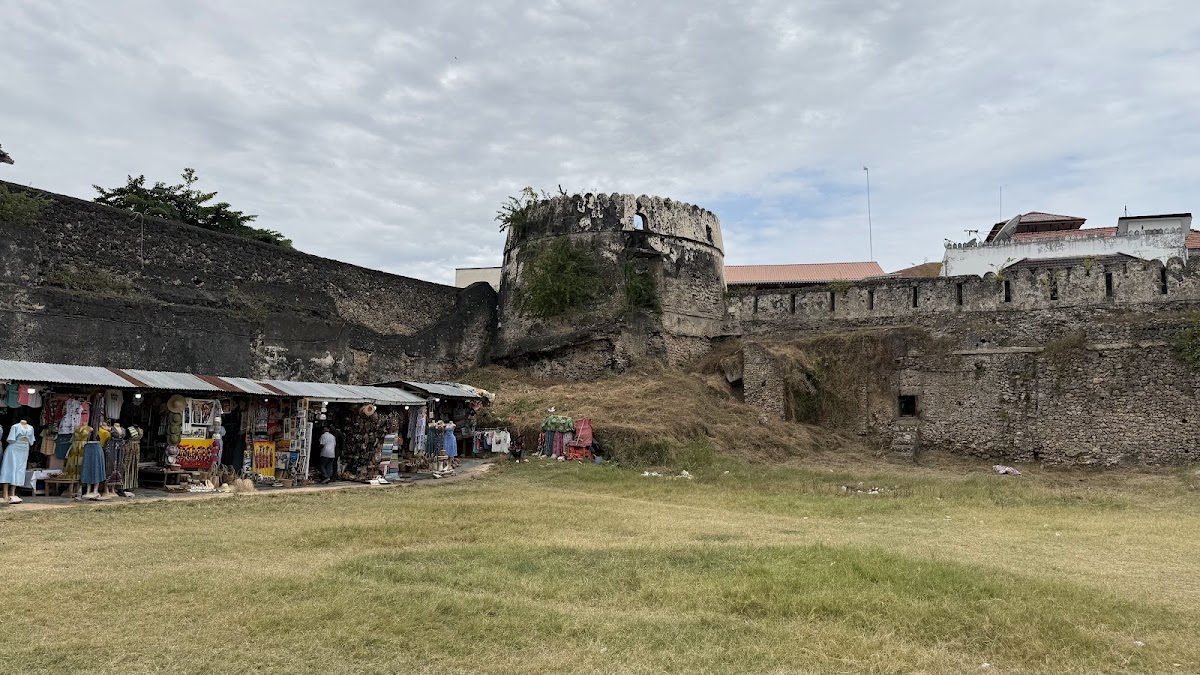
Having visited Zanzibar and lived there, I hadn’t taken the time to explore Ngome Kongwe—until now. Stepping inside this iconic Old Fort was like stepping back in time. The beauty of the place is undeniable, from the ancient walls to the vibrant energy that still pulses through its courtyards. Though I missed the festivities like Sauti za Busara, I was captivated by the serene atmosphere that allowed me to take in the fort’s historic presence. The shops lining the interior are thoughtfully arranged, each offering a unique glimpse into local artistry and craftsmanship. The blend of culture and history here is nothing short of immaculate. I lingered in one of the shops, enjoying not just the items on display but the warmth and hospitality of the people. There’s something special about the way they welcome you—gently, with a quiet pride in their craft. It’s more than a place to visit; it’s a space to connect, reflect, and appreciate the rich cultural heritage of Zanzibar.
Ngome Kongwe, also known as the Arab Fort and by other names, is a fortification located in Stone Town, the capital of Zanzibar. It is the oldest building and a major visitor attraction of Stone Town. It is located on the main seafront, adjacent to another landmark building of the city, the House of Wonders (former palace of the Sultan of Zanzibar), and facing the Forodhani Gardens. It was built by Omani Arabs after expelling the Portuguese in 1699. It was used as a garrison and prison in the 19th century, and as a terminal of the Zanzibar railways 1905-28. A new guardhouse was built in 1947 and used as the ladies' club, and an amphitheatre was added in the 1990s. It is now the headquarters of the Zanzibar international film festival." It was later used as a prison and as barracks. In early 20th century it was also used as a depot during the construction of the railway that connected Stone Town to the village of Bububu. The fort is essentially a square of high, brown walls with merlons, protecting an inner courtyard. In the courtyard there are some remnants of earlier buildings, including those of a Portuguese church and another Omani fortification.
It is an amazing historical place to visit.
Die Bewertungen stammen von Google. Den Eintrag in Google Maps ansehen.