Maritime Museum (Museu Marítim)
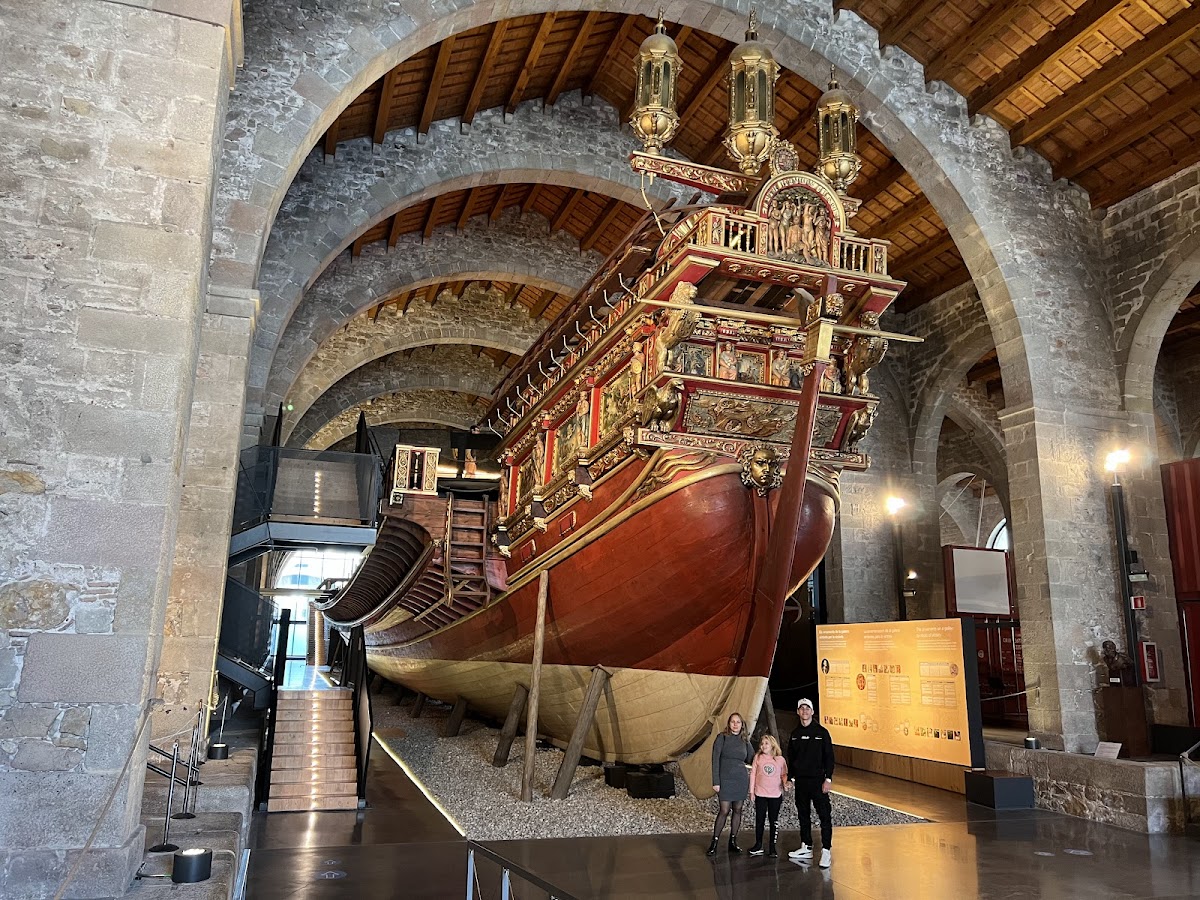
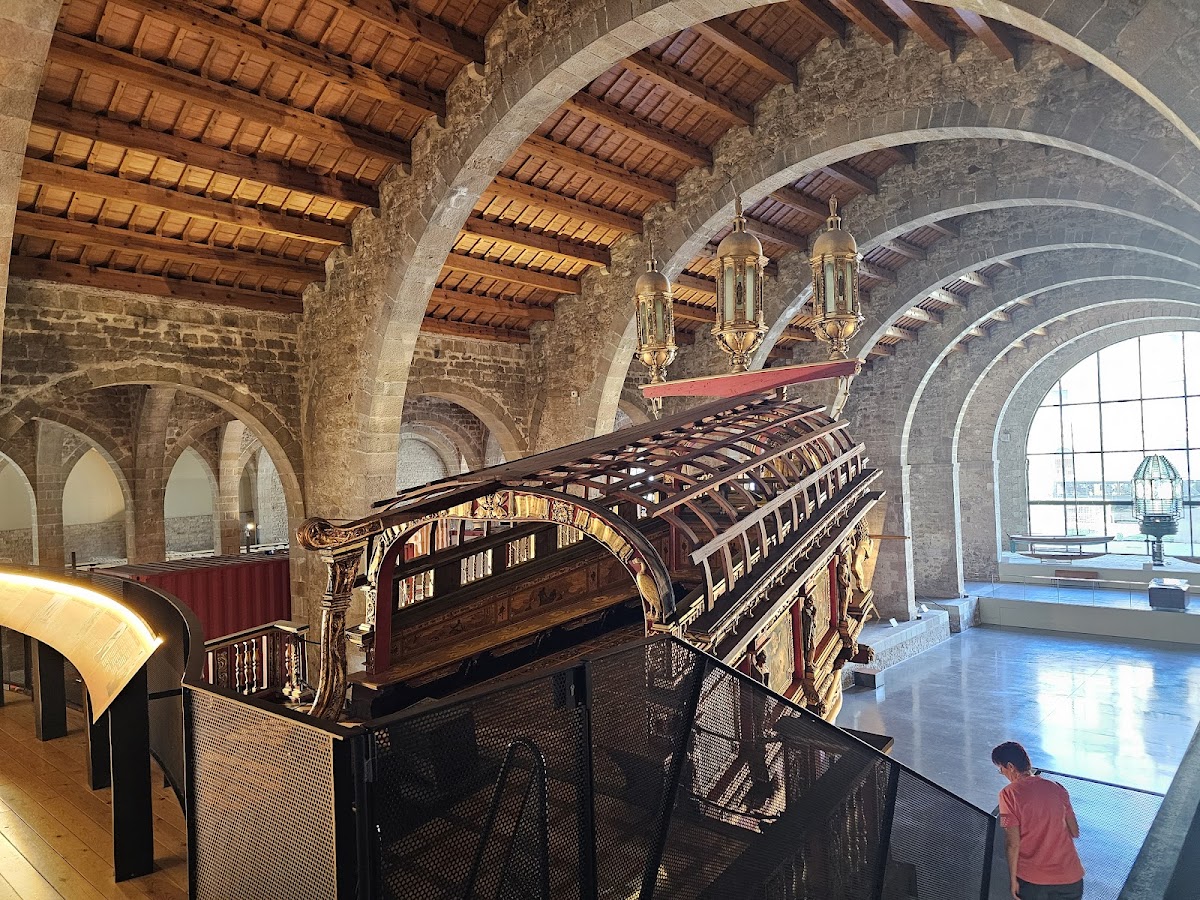
Alojado en los magníficos astilleros reales medievales, muestra la larga historia del poder marítimo mediterráneo de la ciudad.
€; presenta una impresionante réplica a escala real de una galera real del siglo XVI.
Más en Raval
Dos Palillos
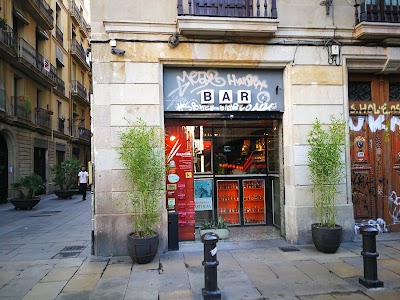
El chef Albert Raurich presenta una excepcional fusión de comida callejera asiática y tapas españolas en una elegante barra de madera.
Qué pedir: Bao de papada de cerdo ibérico al vapor.
Teresa Carles
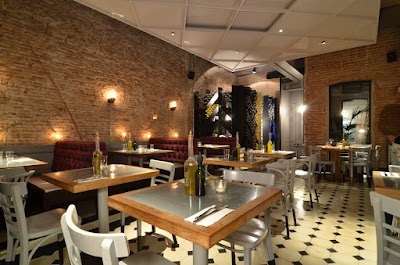
Pionero de la gastronomía vegetariana de alto nivel en la ciudad, sirve platos creativos y de temporada en un cálido espacio de paredes de ladrillo.
Qué pedir: Tabla de quesos vegetales artesanales.
Flax & Kale
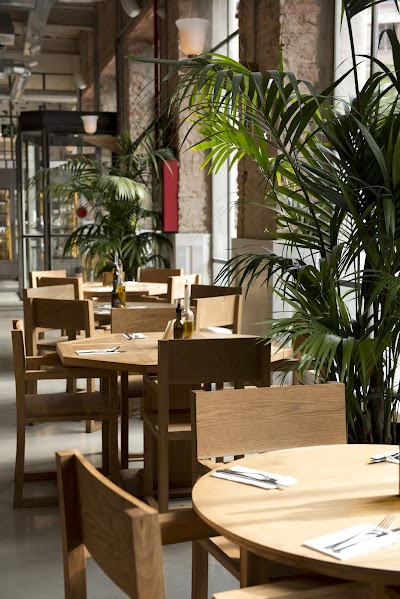
Un moderno y bellamente diseñado restaurante 'flexitariano' centrado en platos vegetales, zumos prensados en frío y pescado sostenible.
Qué pedir: Ensalada de sandía y queso feta con atún vegetal.
Sésamo
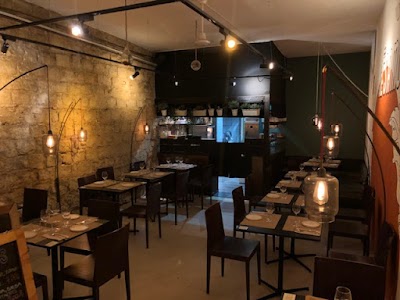
Un acogedor e íntimo bar de tapas vegetariano que ofrece un menú de degustación muy creativo de varios platos.
Qué pedir: Coliflor preparada con praliné de avellanas.
Dónde está
Reseñas
This was far better than the Picasso Museum if you’re into boats and history. The space is fascinating, and I really wish we’d had more time to explore both the shop and the café — they looked great. The large ship displayed in the middle of the museum is absolutely captivating. I’ve honestly never been anywhere quite like it. The way the museum celebrates and explains the marine, maritime, and yachting world is impressive and genuinely engaging. I’ll definitely be back on my next visit.
Museu Marítim de Barcelona doesn’t just display maritime history, it houses it inside a cathedral built for ships. The moment you step into the former royal shipyards, those repeating stone arches feel less like architecture and more like a ribcage, as if the building itself were a vessel pulled ashore centuries ago. The scale hits first. That full-sized royal galley replica, La Real, isn’t just something you look at, it dominates the space like it’s waiting for orders. From above, the geometry of the oars and deck starts to make sense; from below, it feels almost theatrical, carved and painted like a floating throne. What stands out beyond the centerpiece is how layered the experience is. Detailed ship models, navigation tools, and even fragments of actual vessels pull you through Barcelona’s relationship with the sea, from medieval shipbuilding to global trade. The long waterfront model gives a surprisingly clear sense of how the city once faced the Mediterranean, more working port than postcard. There’s also something quietly fascinating about the building itself. These shipyards date back to the 13th century and were still being used for construction well into the early modern period, meaning the walls around you weren’t just storage, they were production lines for an empire’s navy. Plenty of space, easy to move through, and visually striking without feeling overcrowded. This is one of those museums where the setting does half the storytelling before you even read a single placard.
I visited the Maritime Museum in Barcelona and really enjoyed it. The museum’s location in the historic Drassanes shipyard building is impressive, and its exhibitions on Catalan maritime history are engaging and well presented. One bonus is that admission is free on Sundays after 3 PM, making it a perfect cultural stop on a relaxed afternoon. Inside, the café with high ceilings and the garden seating area are delightful — a lovely place to unwind with a drink after exploring. The views and atmosphere make it worth a visit for both history lovers and anyone enjoying Barcelona’s portside charm.
Beautiful museum with very well done interactive displays. This museum has some really beautiful models, and the full size replica galley is truly remarkable. I really appreciate the interactive exhibitions, particularly the educational touch screen exhibitions that cover the roles of different seaman, and celestial and solar navigation. The latter is very close to my heart, and they did an excellent job of conveying how time and geometry allow navigators to determine their location on earth. Additionally, the span of maritime history covered by the museum is excellent: you can visit for modern, colonial, and precolonial interests and be met with many relevant exhibitions.
Las reseñas son de Google. Ver la ficha en Google Maps.