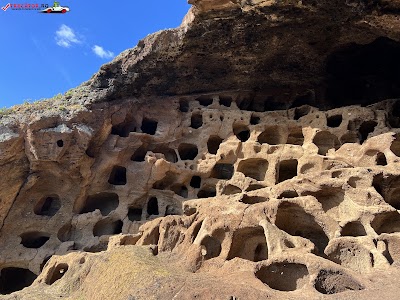
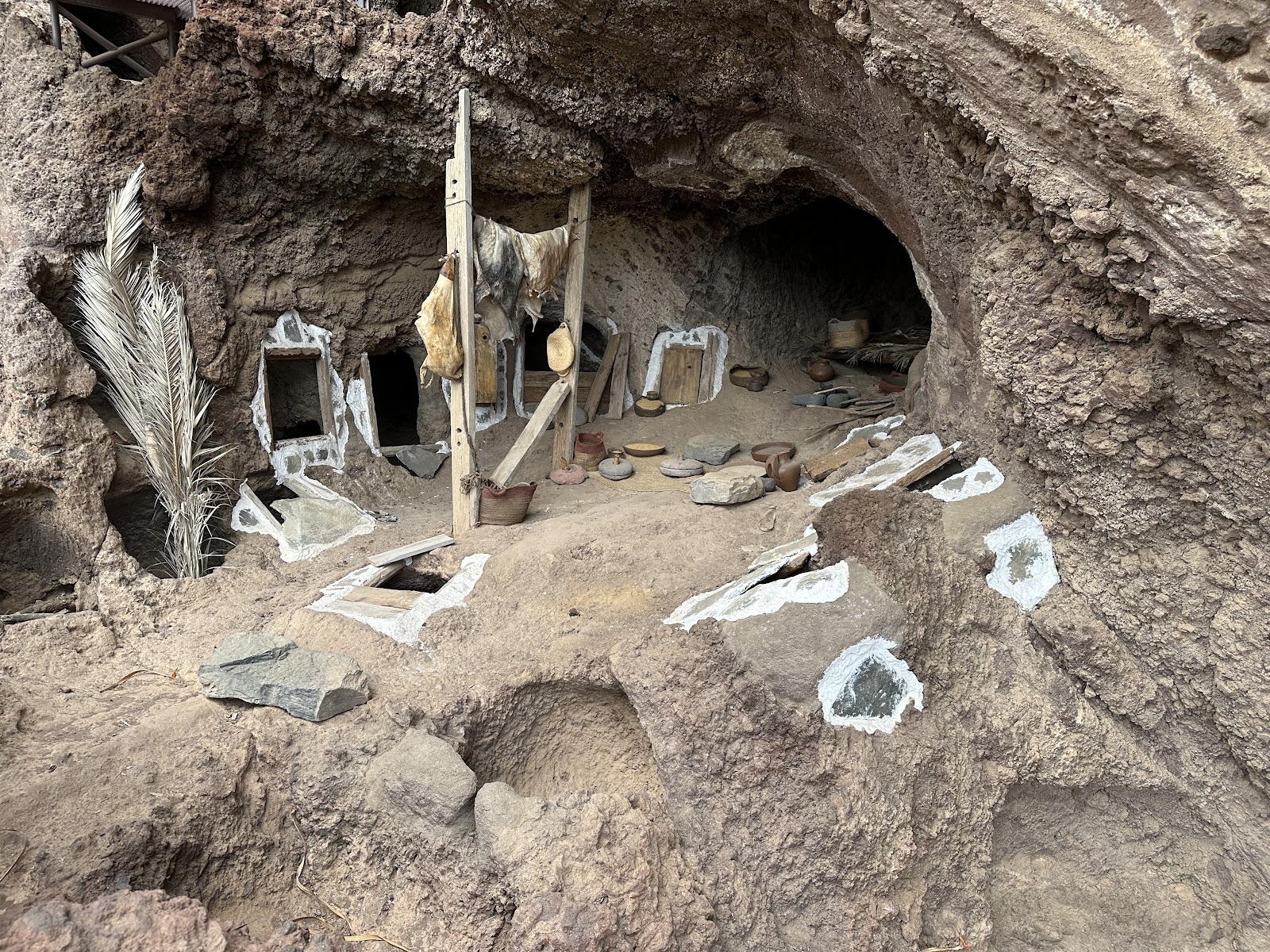
Cenobio de Valerón
Un granero colectivo prehispánico excavado en un acantilado, con cerca de 300 cámaras de almacenamiento individuales, que los guanches usaron para guardar grano durante siglos antes de la conquista.
entrada de precio modesto; reserva entre 45 minutos y una hora; acceso limitado algunos días, consulta antes de ir
Más landmarks & architecture en Gran Canaria
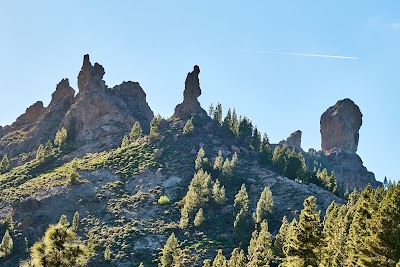
Roque Nublo
Un monolito de basalto de 80 metros cerca del punto más alto de la isla, llamado así por las nubes que a menudo envuelven su cima y visible desde buena parte de la mitad sur de la isla.
Consejo: mejor llegar por el sendero de La Goleta; una caminata corta y de dificultad moderada hasta el mirador de la base; ve temprano para evitar el calor y la nubosidad
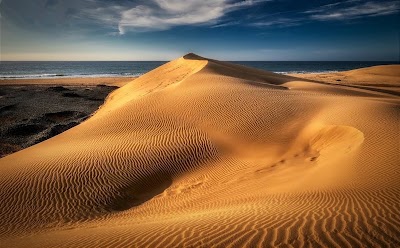
Dunas de Maspalomas
Una reserva natural protegida que combina dunas de arena vivas, un palmeral y una laguna de agua salada, justo detrás de la franja de hoteles pero bajo plena protección ambiental.
Consejo: el paseo es gratuito; respeta los senderos señalizados, ya que caminar fuera de ellos daña el ecosistema de las dunas y está desaconsejado
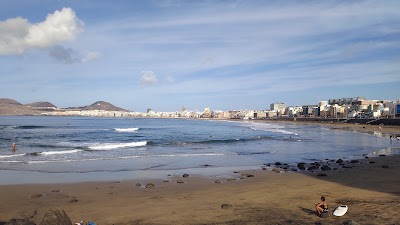
Playa de Las Canteras
Una playa urbana de tres kilómetros protegida en gran parte de su longitud por La Barra, un arrecife de piedra caliza de más de 100.000 años que mantiene el agua lo bastante tranquila para nadar todo el año.
Consejo: gratis y abierta; el extremo del arrecife es mejor para nadar y el extremo norte para hacer surf
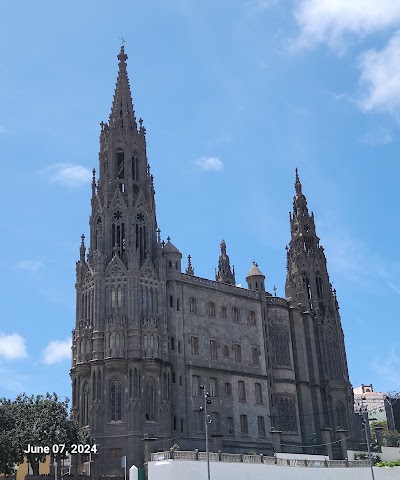
Church of San Juan Bautista (Arucas Cathedral)
Una basílica neogótica construida con piedra volcánica local a lo largo de casi siete décadas, el gran monumento arquitectónico del norte de la isla, donde se produce el ron.
Consejo: entrada gratuita; reserva 30 minutos; combínala con una visita a la cercana destilería Arehucas
Dónde está
Reseñas
Good morning! I highly recommend this place — it was an amazing experience with truly breathtaking views. The museum is very well designed, with the opportunity to see the life of the indigenous people of the island (although the exhibits cannot be touched). We would also like to thank the administrator, Andrey. He was very friendly, welcoming, and shared many valuable tips and interesting facts. It was also a very pleasant and unexpected surprise to learn that he is originally from Belarus, just like us. He is a true professional who inspires you to visit the museum again and continue learning about the history of the Canary Islands.
If you are interested in human history and how things begun in Gran Canaria, then you will enjoy this place located in the north of Gran Canaria. If you don't have a car, then with the bus and a 40min walk its also possible. The mountains and gorges all around are fantastic
Nice place to visit. You buy the tickets at the entrance and there is free parking. The entry fee is €3, or €2 if you are a student like me 😉. At the ticket office there is a very friendly guy who speaks loads of languages, even Polish.Long history here, but I won’t go into too much detail. This place is very old and important. It was used by the ancient people of Gran Canaria as a grain storage around 800 years ago. The caves were carved by hand into volcanic rock and there are more than 300 small chambers inside where they kept food safe. The car park is quite small, so depending on the time and the day, it can be hard to find a space. The visit itself takes about 30 minutes if you read all the information boards. I think it’s worth a stop if you are nearby.
The caves can be reached via an adventurous mountain road - as basicly all the places in Gran Canaria :). Parking is free, and tickets can be purchased at the entrance. It was very interesting to see this place and learn about its history, and how people used to live here in the past. It’s not a long visit (we spent about an hour here), but it’s definitely worth seeing.
Las reseñas son de Google. Ver la ficha en Google Maps.