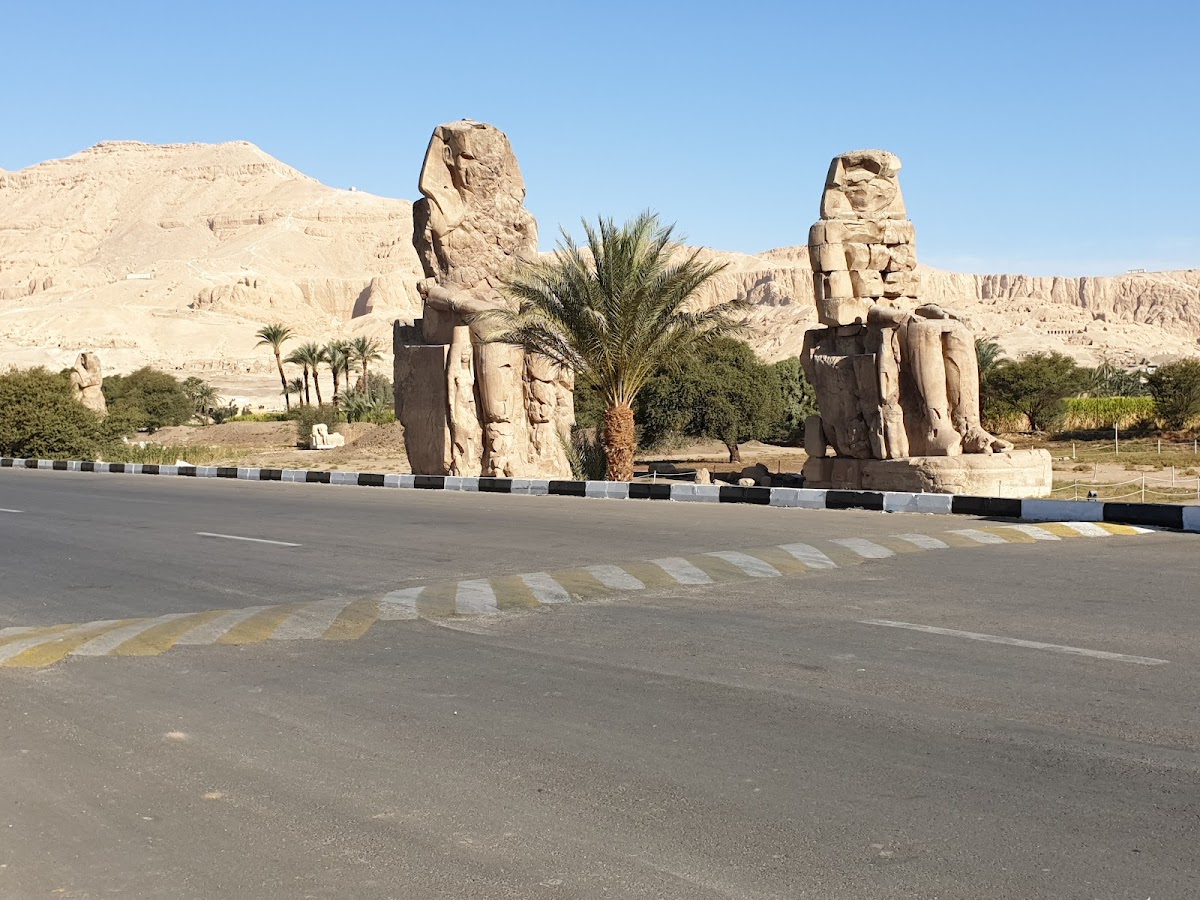
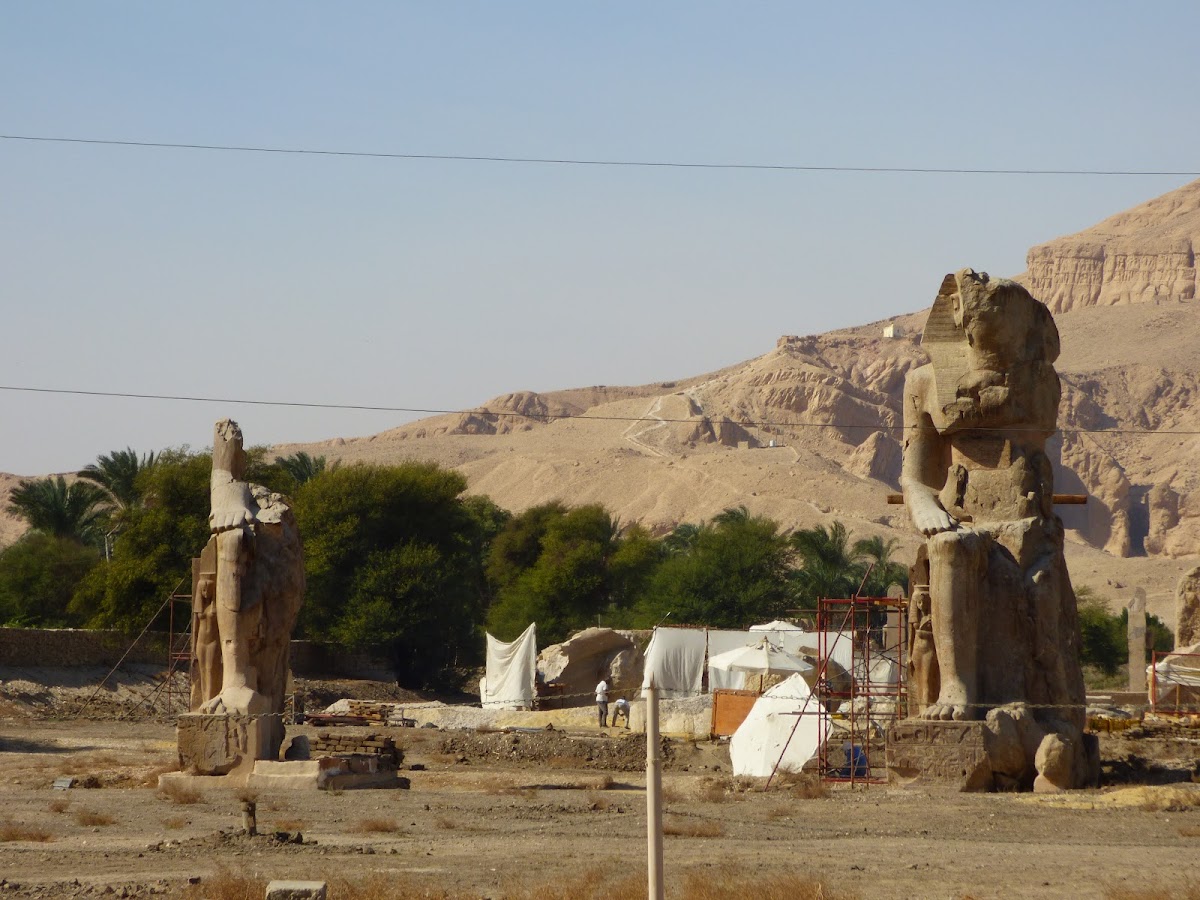
Colossi of Memnon
Dos enormes estatuas de piedra del faraón Amenhotep III que llevan más de 3,400 años en los campos agrícolas de la orilla oeste.
Entrada gratuita. Una parada rápida y muy valiosa junto a la carretera, de camino a las tumbas.
Más en Orilla Oeste - Gurna
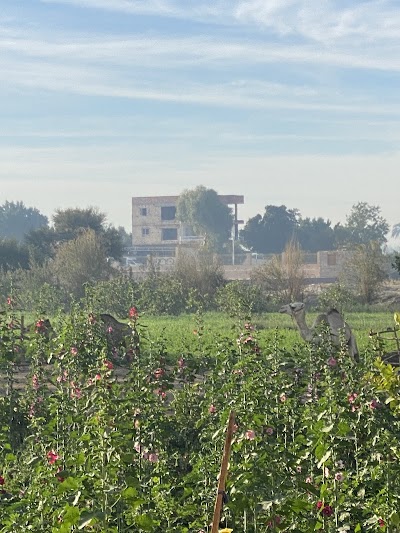
Marsam Restaurant
Instalado en el patio de un hotel histórico, sirve verduras ecológicas procedentes directamente de granjas cercanas de la orilla oeste.
Qué pedir: Musaca de verduras asada a fuego lento
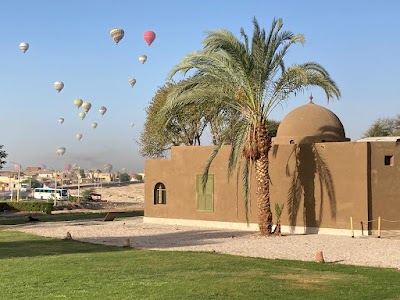
Carter's House
La casa abovedada de adobe donde vivió Howard Carter durante su búsqueda de la tumba de Tutankamón, conservada con su mobiliario original, sus herramientas y su cuarto oscuro fotográfico.
Consejo: Situada cerca de la entrada del Valle de los Reyes. Una parada tranquila y evocadora.
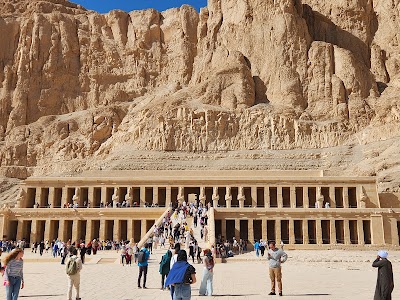
Valley of the Kings
Necrópolis de los faraones del Imperio Nuevo, con tumbas excavadas en la roca cuyos relieves pintados, originales y sorprendentemente vivos, son espectaculares.
Consejo: La entrada estándar incluye el acceso a tres tumbas. Las tumbas de Tutankamón, Seti I y Ramsés VI requieren entradas adicionales.
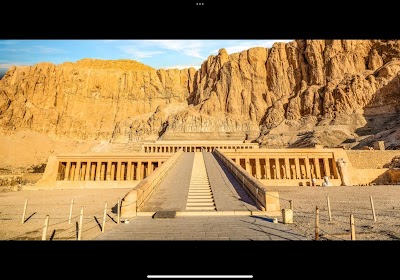
Temple of Hatshepsut
Un impresionante templo de tres terrazas excavado directamente en los imponentes acantilados de piedra caliza de Deir el-Bahari.
Consejo: Muy expuesto al sol; lleva agua y sombrero.
Dónde está
Reseñas
One of the most striking places on the Western Bank of River Nile in Luxor in Upper Egypt is the ‘Colossi of Memnon.’ My partner and I visited it on December 20, 2025 (Saturday) while on our way from the ‘Mortuary Temple of Hatshepsut’ to the ‘Karnak Temple Complex.’ We got down from our vehicle and admired the twin statues of Pharaoh Amenhotep III. Although the ‘Mortuary Temple of Amenhotep III,’ which once used to be the largest temple in Luxor, is no longe existent, these statues tell the tale of a time long forgotten, and deeply buried in both history and folklore!
Quick stop on the way to the hotel air balloon rides. There was a bathroom across the road which was decent. Nice to see a statue in its original location with no tourist stuff around. Its also free to see. There's also an excavation currently going on behind the statues so that was cool to see in person.
The Colossi of Memnon are two monumental statues that stand as silent guardians on the west bank of the Nile near Luxor. Carved from quartzite sandstone around 1350 BCE, these statues originally flanked the entrance to the mortuary temple of Amenhotep III, one of Egypt’s most powerful pharaohs of the 18th Dynasty. Each statue rises about 18 meters (60 feet) high, depicting the seated king with his hands resting on his knees. These statues are in their original location and is free to visit. Currently there are some excavation nearby the statues.
The Colossi of Memnon stand in silent majesty, two ancient guardians watching over the desert for more than three thousand years.
Las reseñas son de Google. Ver la ficha en Google Maps.