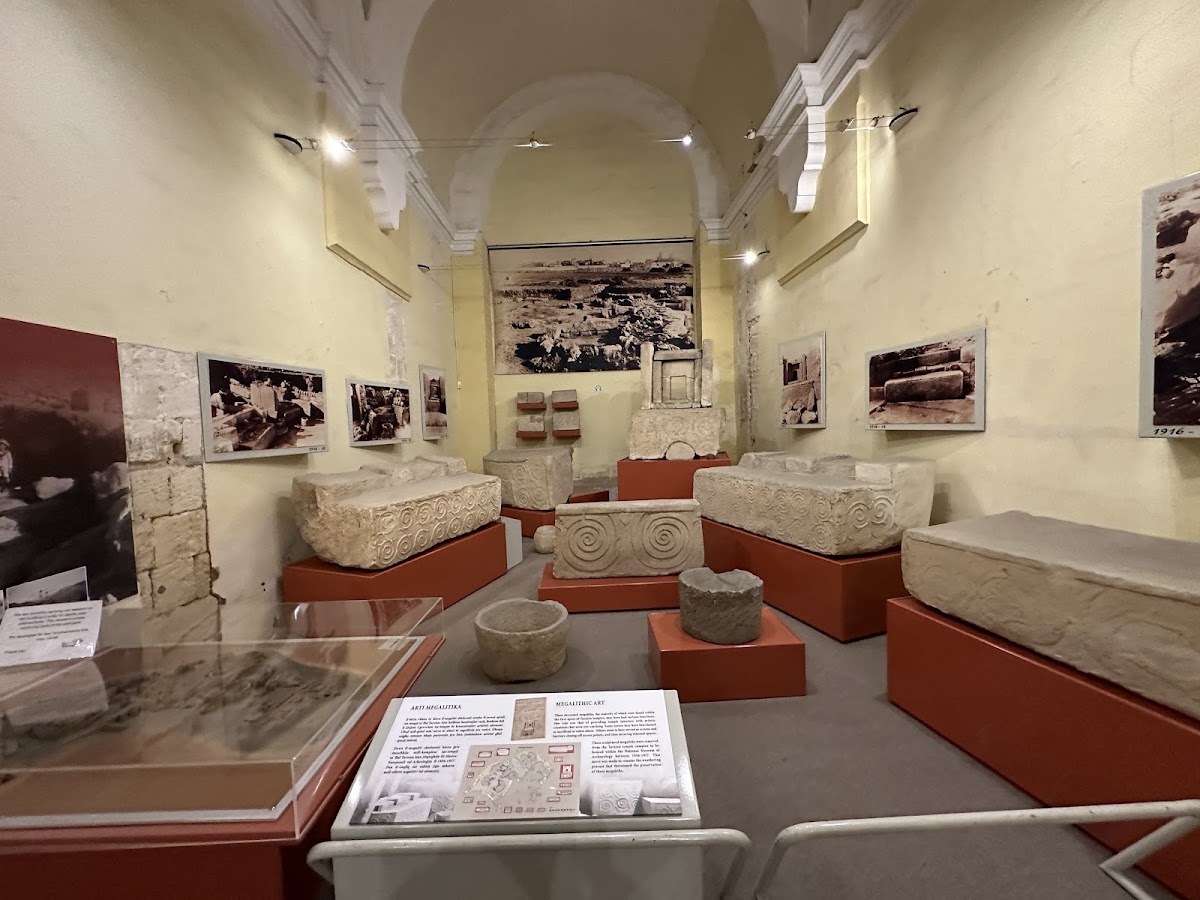
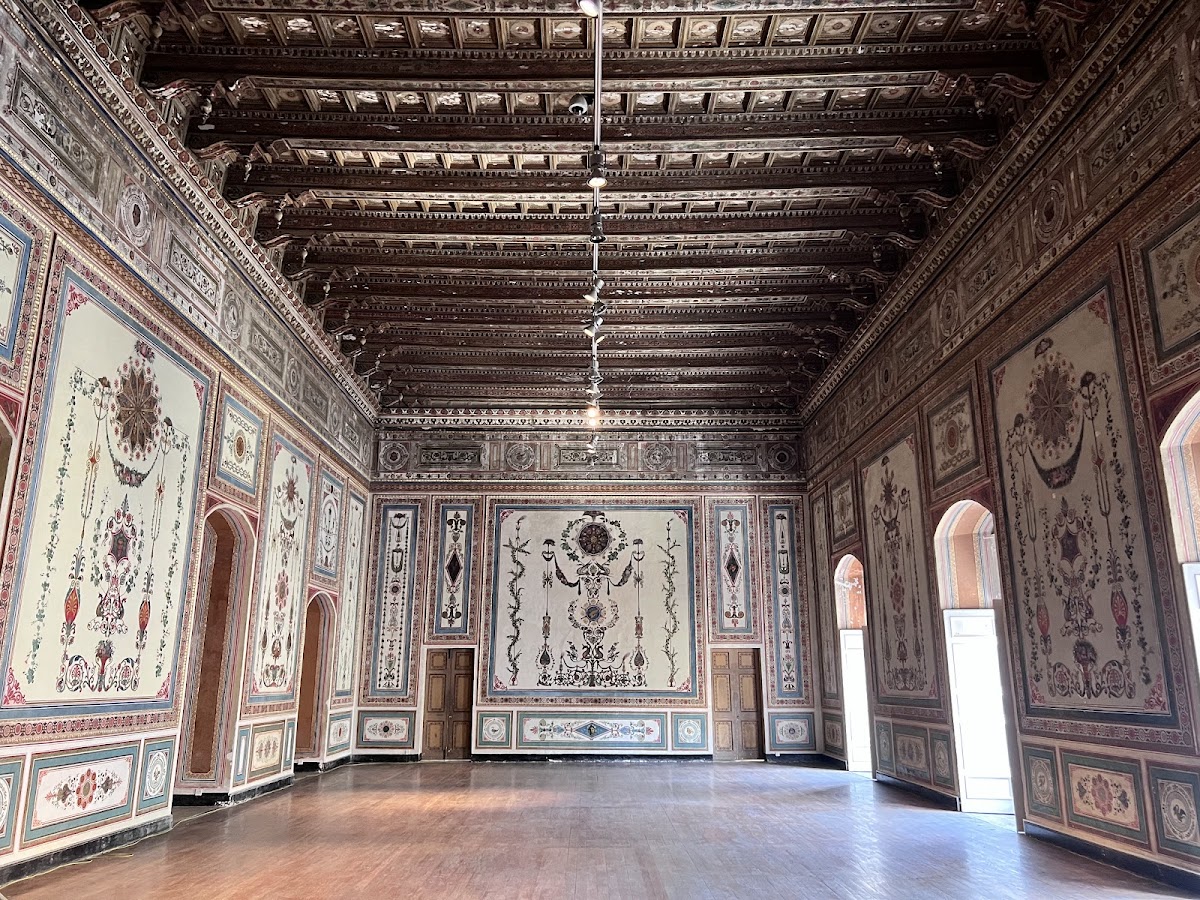
National Museum of Archaeology
Alberga artefactos prehistóricos excepcionales, incluida la famosa figurilla de la 'Dama Durmiente' del Hipogeo de Hal Saflieni.
Contexto esencial antes de visitar los templos megalíticos de Malta.
Más museums en Valletta
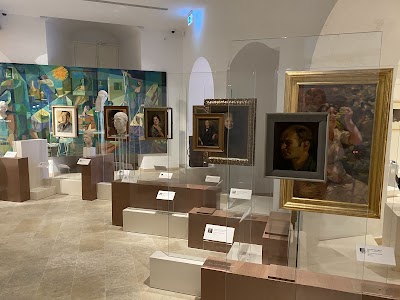
MUŻA
El Museo Nacional de Arte Comunitario, alojado en la histórica Auberge d'Italie, cuenta con una colección que abarca desde el Renacimiento hasta la era moderna.
Consejo: Calcula 2 horas. Alojado en un edificio de cero emisiones.
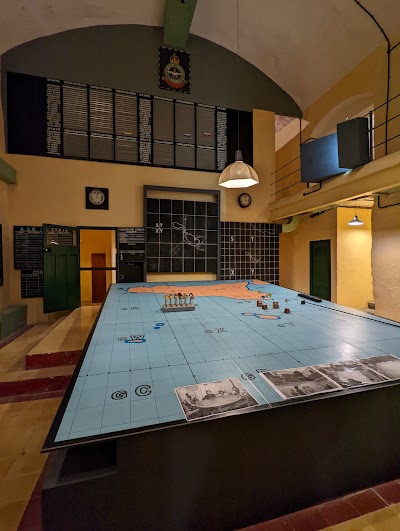
Lascaris War Rooms
Un complejo subterráneo de túneles y cámaras que sirvió como cuartel general secreto de los Aliados durante la Segunda Guerra Mundial.
Consejo: Se recomiendan mucho las visitas guiadas para entender las salas de cartografía.
Dónde está
Reseñas
The museum is housed in a lovely 16th century building, with an impressive grand salon currently under restoration, in the heart of old Valletta. The displays are low tech information boards and cabinets but nevertheless you will leave with a good sense of the earlier civilisations of Malta. It includes an update on the latest undersea archaeological discoveries and oddly, an extensive coin collection. At €3.50 for over 60s it is well worth a visit.
This was a fantastic museum - every gallery was well laid out, detailed and interesting. I still can't believe how cheap it is to see these magnificent ancient wonders (€5 each)!!!! I am visiting Malta with prehistory as my main motive, so this place was a must on my first day. I look forward to taking the knowledge I learnt with me when I visit the temples for real! Brilliant!
This was a lovely little museum cost €5 per adult so €10 for two of us. Was very impressed with this museum, normally not my cup of tea as always find museums like this boring but this one.... Wow. Amazing displays of different eras, different styles of archeology. You go round the museum at your own pace, didn't feel like you had to be rushed to look at the items but that might be because it was myself and husbandgoing in a group maybe different story.
I visited the National Museum of Archaeology in Valletta when both Cippi of Malta were on display together, which made the experience especially memorable. It was a rare chance to see the pair reunited in Malta, since now only one remains here and the other is in Paris. Knowing that made the visit feel even more significant. What stood out most to me was the inscription on the pillars. The text is written in Phoenician and Greek, and that bilingual wording is what makes the Cippi so important historically. It helped scholars compare the two languages and better understand Phoenician writing. For Malta, these artefacts are not just old stones — they are a powerful reminder of the island’s ancient connections, its religious history, and its place in the wider Mediterranean world. The display was easy to follow and gave enough context to appreciate why the Cippi matter so much. They may look simple at first glance, but once you understand the story behind them, they become fascinating. As a visitor, I found it to be one of the most interesting parts of the museum, and I would highly recommend it to anyone interested in archaeology, ancient languages, or Maltese heritage.
Las reseñas son de Google. Ver la ficha en Google Maps.