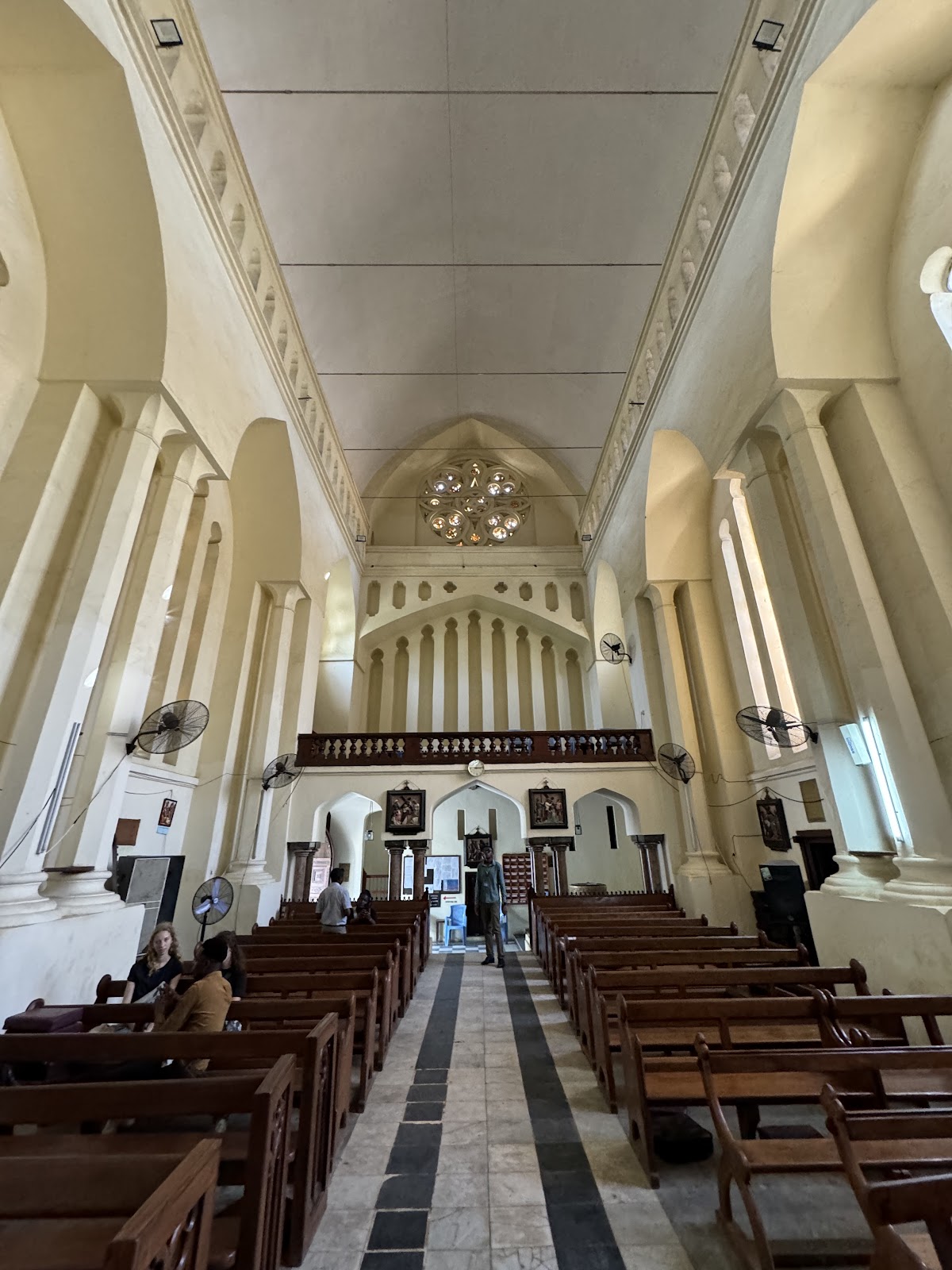
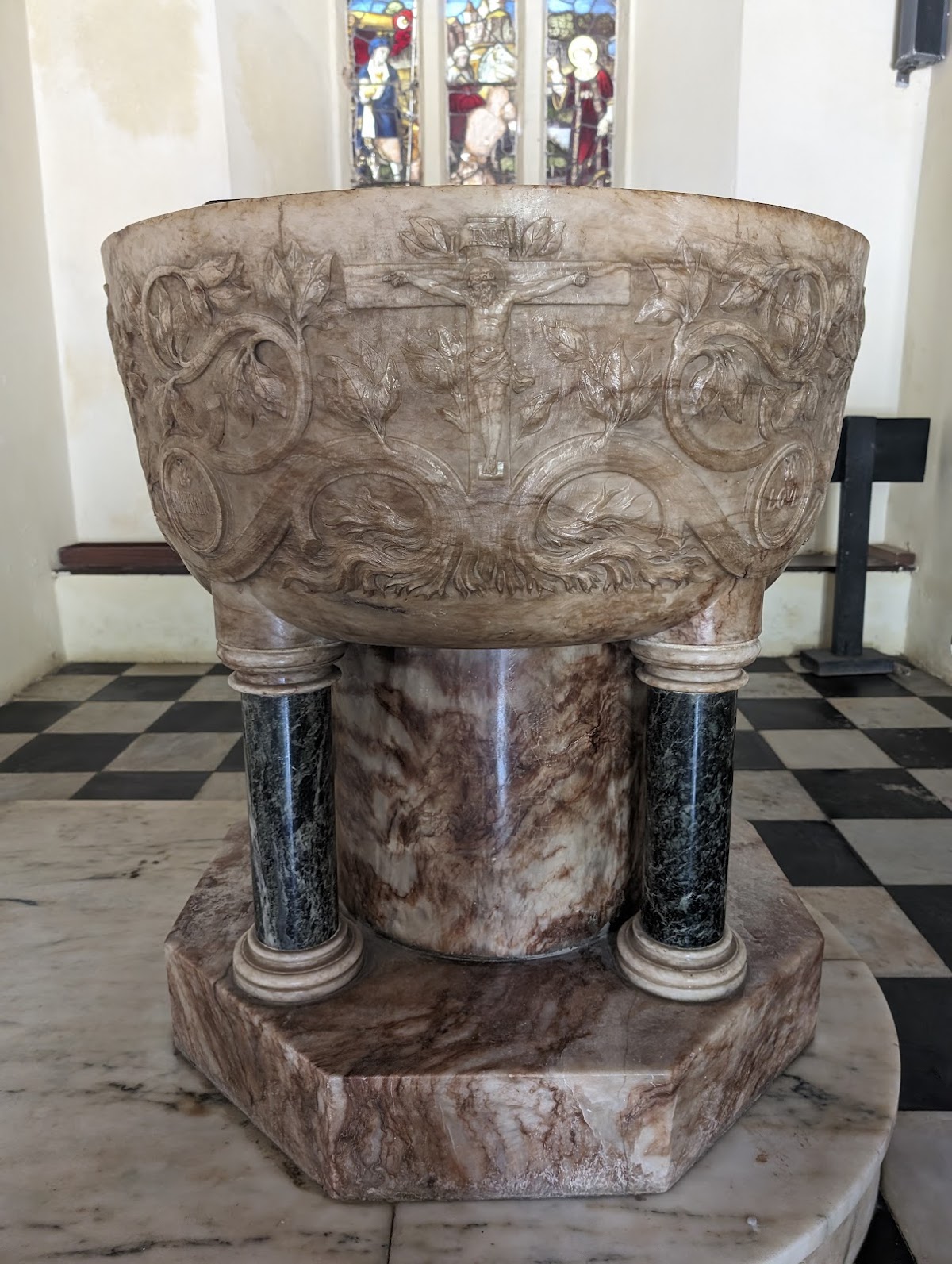
Anglican Cathedral and Former Slave Market
Construida directamente sobre el sitio del último mercado de esclavos abierto permanente del mundo, con un monumento conmovedor y celdas históricas.
€ (incluye un recorrido guiado). Emocionalmente intenso; permite 1.5 horas.
Más en Stone Town
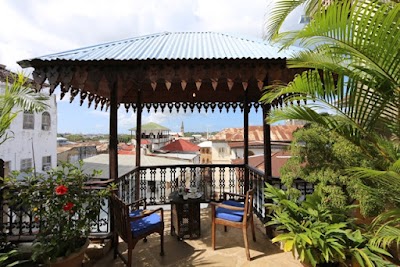
Emerson Spice Tea House
Una experiencia gastronómica en azotea que ofrece un menú de degustación de marisco seleccionado con vistas panorámicas del horizonte de Stone Town al atardecer.
Qué pedir: Menú de degustación de marisco de cinco platos con especias locales
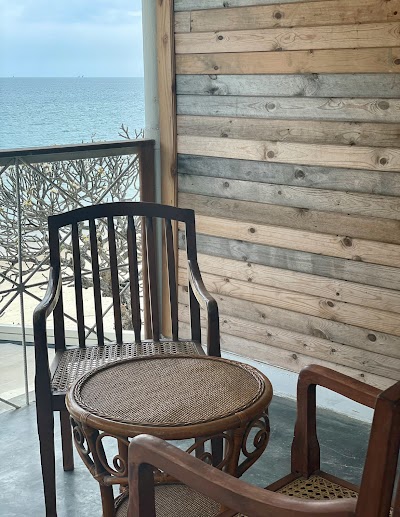
Archipelago Waterfront
Ofrece carnes a la parrilla fiables y bien condimentadas con unas vistas privilegiadas del puerto y del tráfico vespertino de dhows.
Qué pedir: Brochetas de ternera marinadas en jengibre y especias swahili
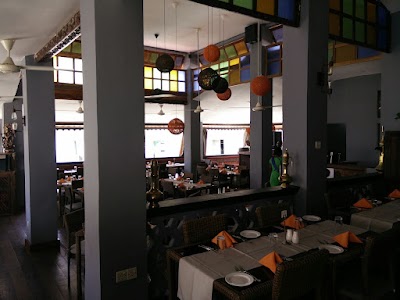
The Silk Route
Un restaurante indio que ofrece excepcionales carnes tandoori cocinadas en un horno tradicional de barro, con vistas al océano.
Qué pedir: Pollo tandoori y kebabs de cordero seekh
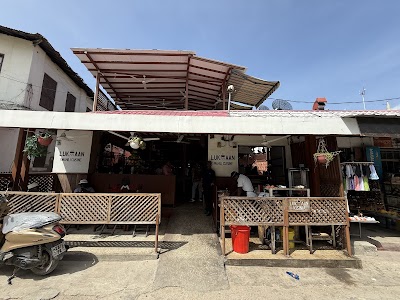
Lukmaan Restaurant
Un legendario comedor local donde señalas lo que quieres de un enorme bufé de auténticos platos swahili.
Qué pedir: Curry de pulpo (mchuzi wa pweza) con arroz con coco
Dónde está
Reseñas
Our visit to Slave Market was one of the most powerful and emotionally heavy experiences of our trip. This is not just a place you visit — it’s a place that makes you pause, reflect, and truly understand a difficult part of history. Walking through the site, especially the underground chambers where enslaved people were once held, gives you a stark sense of the extreme conditions they endured. The spaces are small, dark, and suffocating even today — it’s hard to imagine how many people were confined there under such inhumane circumstances. It’s an experience that stays with you long after you leave. The memorials and exhibits around the site help provide context and tell the stories of those who suffered here. The displays are informative and thoughtfully put together, helping visitors understand the scale and impact of the slave trade in this region. The area also includes the Anglican Cathedral, which stands as a symbol of hope and transformation, built on the very grounds of the former market. The contrast between the painful history and the present-day setting is quite striking. We would definitely recommend taking a guide here, as it helps you better understand the historical significance and the stories behind what you’re seeing. It adds depth and meaning to the visit. Overall, the Slave Market is not an easy place to visit, but it is an important one. It offers a sobering reminder of the past and leaves you with a deeper appreciation of history and humanity.
Great place to go to understand the history of Zanzibar (the slavery and ivory trade, the church and influences on the culture). You are given a verified private tour guide once you pay the entrance fee and the guide gives you lots of info and you are free to ask questions. The guides are also available to hire for a walking tour of Stone Town if there are other sites you want to see.
My visit to the Old Slave Market/Anglican Cathedral in Zanzibar, Tanzania, was a sobering and thought-provoking experience. The site was formerly a slave market, where thousands of enslaved Africans were bought and sold during the 19th century. The history of the site is presented in a clear and informative way, with displays and exhibits that detail the brutal reality of the slave trade. The guided tour was insightful and provided a greater understanding of the horrific conditions that the enslaved people were subjected to. The Anglican Cathedral, which now stands on the site of the former slave market, is a beautiful and striking building that provides a fitting tribute to the victims of the slave trade. The architecture is impressive, with high ceilings, stained glass windows, and intricate details. Overall, my visit to the Old Slave Market/Anglican Cathedral was a powerful and moving experience that left a lasting impression. It is a reminder of the inhumanity and cruelty of the slave trade and serves as a call to action to continue to work towards a more just and equitable society. I highly recommend a visit to this historic site for anyone looking to gain a deeper understanding of the history of Zanzibar and the impact of the slave trade.
Sad tribute to a practice that should never have been. This museum curates the old slave trade practices, with pictures and tales from survivors . The Anglican Christmas Church Cathedral pays homage to the missionaries who helped abolish slave trade. The underground dungeons where slaves were packed like sardines saddened my heart. I admire and show much respect to those who survived to tell their stories . The exhibition was very informative although most of the relics have since been lost and built over. Historic and should not be missed . Donations help and using one of the guide tours helps contribute to the economy
Las reseñas son de Google. Ver la ficha en Google Maps.