
Zhao Meilin
Reading Beijing's living history
Ha base a Beijing, China.
Beijing culture writer on Forbidden City throne halls, 798 galleries and the courtyard stages where Peking opera still runs.
Ultimi articoli
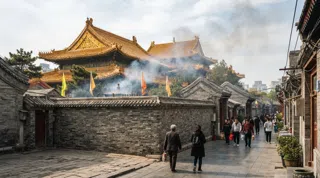
Yonghegong & Wudaoying, Beijing: incense, coffee and a lived-in hutong
A north-east Beijing corner where a great Tibetan monastery, a Confucian academy and a quietly stylish hutong street still share the same daily rhythm.
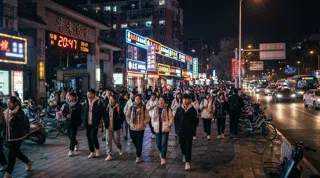
Wudaokou, Beijing: the student quarter that eats, studies and stays up late
Between Tsinghua and Peking University, Wudaokou is Beijing at its most practical and most alive: a noisy, international district of cheap grills, 24-hour cafes, student bars and campus days out.
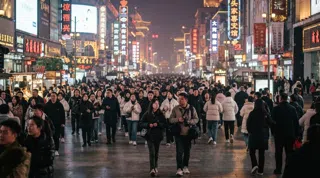
Wangfujing, Beijing: the city’s most practical first base
A walkable, bright central district where Beijing’s imperial core, major museums, heritage restaurants and full-price malls sit within a few blocks.
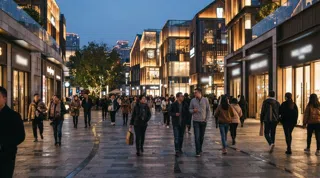
Sanlitun, Beijing: rooftops, duck and the city after dark
Beijing’s most cosmopolitan square kilometre is all glass courtyards, late-night rooftops and embassy-zone polish — a district that lives for shopping, drinking and staying out late.
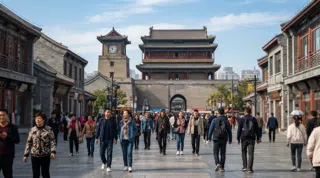
Qianmen & Dashilar, Beijing: where old commercial China still haggles, steams and sells
A walk through Beijing’s merchant quarter, from Qianmen’s polished front window to Dashilar’s time-honored counters, duck houses and renovated hutong lanes.
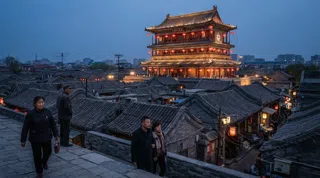
Gulou & Beiluoguxiang, Beijing: Drum Towers, Courtyards and Late-Night Beer
Old Beijing still sets the hour here, but the lanes off Gulou East Street now run on coffee, craft beer and small-room music.
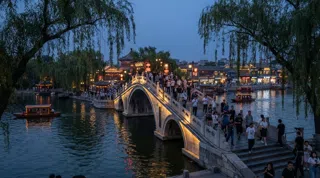
Guanyuan & Xicheng Lakes, Beijing: Water, Willows and Old Beijing
A slow, watery corner of Xicheng where canal history, halal roast meats, hutong lanes and lakeside bars still share the same shoreline.
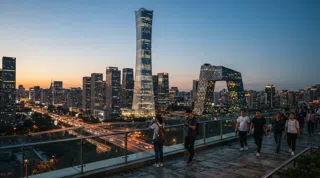
Chaoyang CBD, Beijing: glass towers, sky bars and the city’s sharpest modern address
Beijing’s most corporate district is also its most vertical: come for the skyline, the subway hub and the serious dining, stay for the view from above.
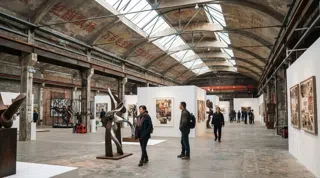
798 Art District, Beijing: Factory Bones, Gallery Light
Beijing’s best-known art district is still a working industrial shell at heart — a place where Bauhaus sheds, Mao-era slogans and serious contemporary galleries share the same weathered rooflines.
Ogni articolo è firmato e datato, e segue i nostri standard editoriali.