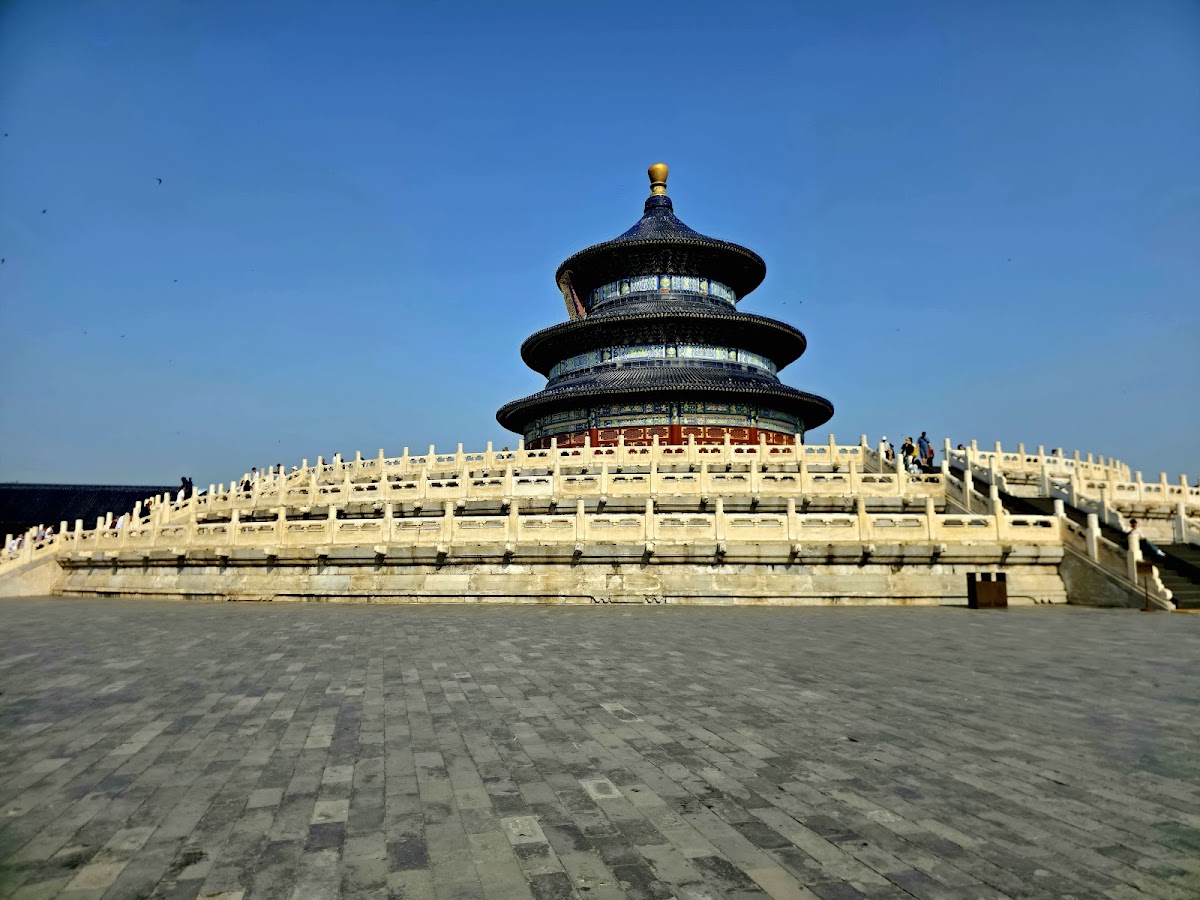
Temple of Heaven
Un capolavoro dell'architettura lignea della dinastia Ming dove gli imperatori eseguivano solenni rituali per garantire buoni raccolti.
Visitalo la mattina presto per vedere centinaia di pensionati locali praticare tai chi, calligrafia e danza tradizionale nel parco circostante.
Altro a Dongcheng
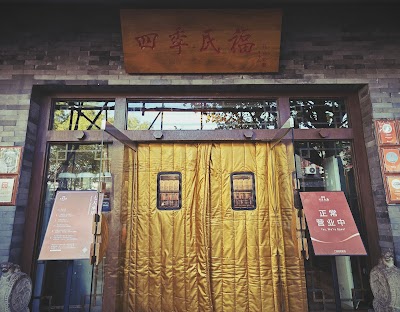
Siji Minfu (四季民福)
Costantemente lodato per servire l'anatra laccata più equilibrata della città, con pelle eccezionalmente croccante e carne tenera senza eccesso di grasso.
Cosa ordinare: Anatra laccata alla pechinese tradizionale servita con sottili crêpes e salsa di fagioli dolci.
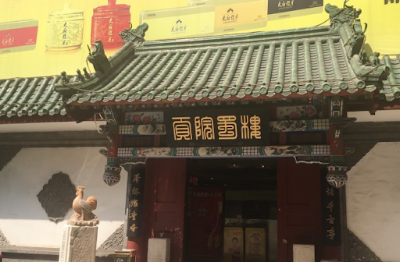
Chuan Ban (川办餐厅)
Ospitato all'interno dell'ufficio ufficiale del governo provinciale del Sichuan, questo locale leggendario serve piatti sichuanesi autentici e infuocati, senza compromessi.
Cosa ordinare: Pollo all'acqua in salsa chili e Mapo Tofu.
The Georg
Combina il design e le tecniche culinarie scandinave minimalist con un ambiente storico con tetto in vetro su un tranquillo canale. (Nota: è un hotel/ristorante, non un design store, ma ho mantenuto la descrizione)
Cosa ordinare: Menu di degustazione stagionale a più portate con pesce stagionato e brodi artigianali.
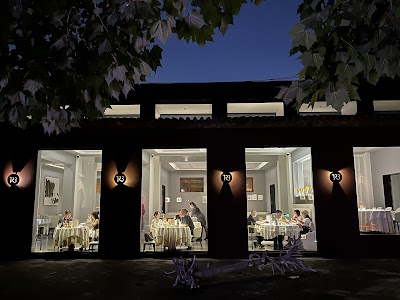
TRB Hutong (Temple Restaurant Beijing)
Offre un' impeccabile cucina europea contemporanea in un complesso di templi buddisti tibetani splendidamente ristrutturato di 350 anni fa.
Cosa ordinare: Manzo australiano Wagyu arrostito lentamente con tartufi di stagione.
Dove si trova
Recensioni
Visited Temple of Heaven during my solo trip to Beijing and it was definitely worth visiting. The park is huge, peaceful, and beautifully maintained. Loved seeing locals exercising, dancing, and playing music around the area — it gave a very authentic local vibe. The architecture of the temples is stunning, especially the Hall of Prayer for Good Harvests. A great place to walk around, take photos, and experience a different side of Beijing beyond the busy city attractions. Highly recommend visiting in the morning for the best atmosphere.
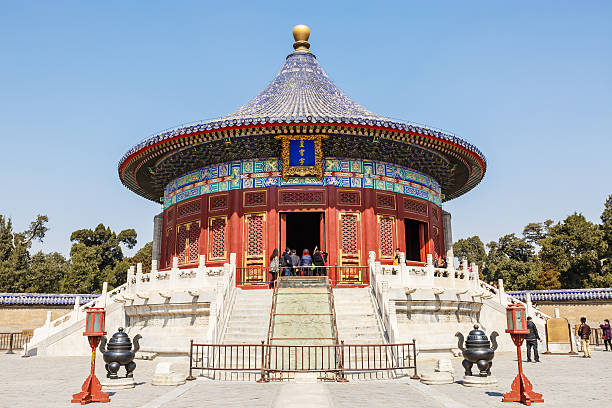
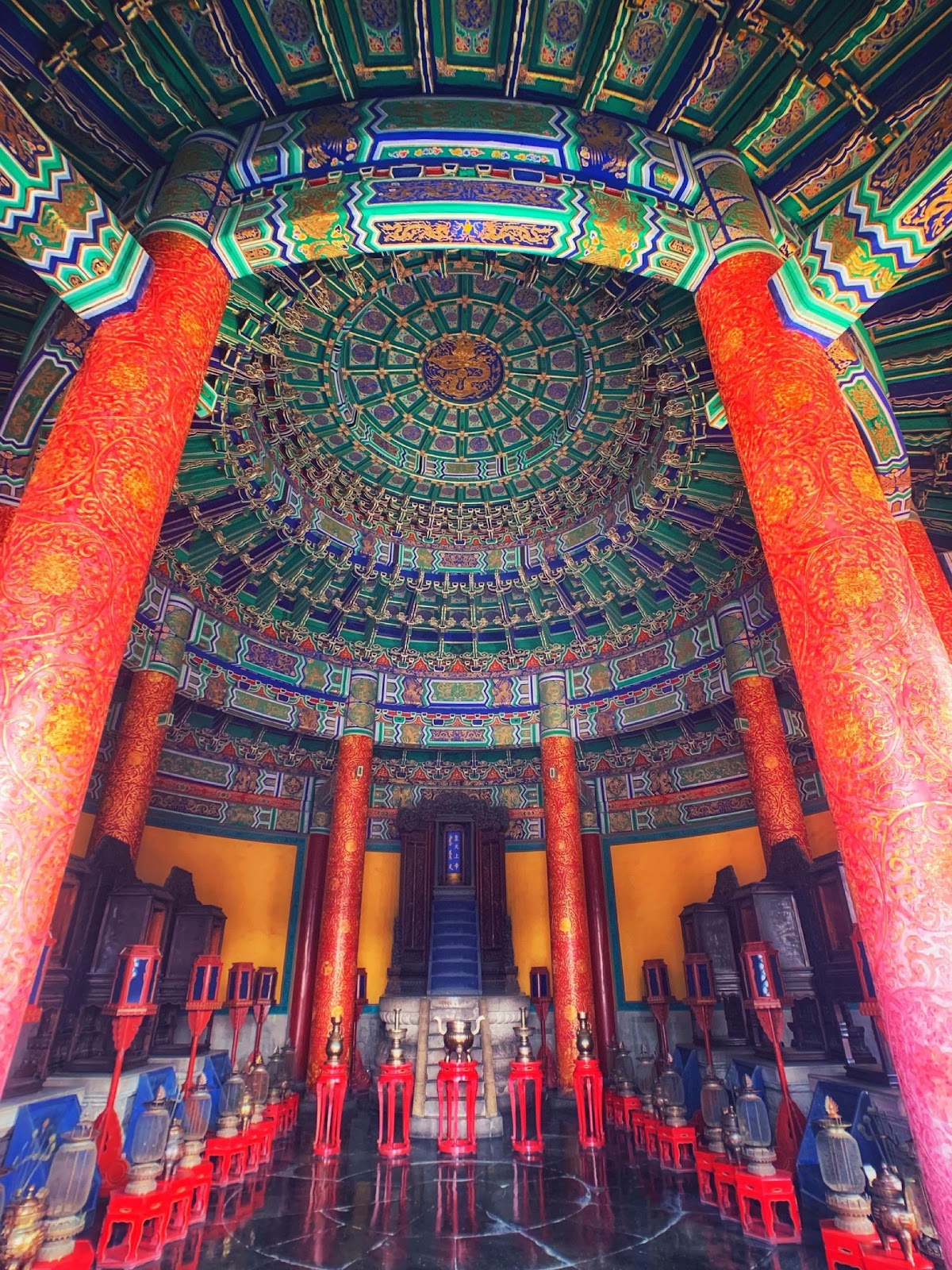
The Temple of Heaven () is a magnificent UNESCO World Heritage Site located in the southeastern part of central Beijing, China. This sprawling 270-hectare complex is the world's largest surviving imperial sacrificial altar. For nearly 500 years, emperors of the Ming and Qing dynasties visited this sacred ground to perform elaborate rituals and pray for abundant harvests. The entire complex is a masterpiece of landscape design and architectural engineering . The northern half of the inner temple park is semicircular (representing the roundness of Heaven), while the southern half is rectangular (representing the squareness of Earth).The Main Hall: The iconic Hall of Prayer for Good Harvests is a towering, triple-roofed circular wooden structure built entirely without a single nail. Its blue roof tiles explicitly mirror the color of the sky. Numerical Patterns: The interior features 28 massive pillars. The four central pillars represent the seasons, 12 inner pillars represent the months, and 12 outer pillars represent the traditional Chinese hours. Key Attractions within the ComplexHall of Prayer for Good Harvests: The central landmark where the spring ceremonies took place. Imperial Vault of Heaven: A smaller circular building that housed the ceremonial tablets of the gods. It is surrounded by the famous Echo Wall, where a whisper can travel clearly from one end to the other. Circular Mound Altar: An open-air, triple-tiered white marble platform where the emperor communicated directly with heaven during the winter solstice. Standing on the central "Heart Stone" amplifies the echo of your own voice. Danbi Bridge :A raised, 360-meter-long stone path connecting the main structures, traditionally believed to be the highway to heaven.
One of the most beautiful temples I’ve seen in Beijing. The structure and the colors are amazing. Note: even though the park is open till late, the Temple itself closes the doors at 6 pm. after which you cannot see the beautiful interior.
Temple of Heaven hosts several temples within a complex, however the main one in the middle is the most beautiful and important one. It dates back to 1420 built by Ming emperors and later used by Qing dynasty as well. Temple of Heaven counts as a religious complex where emperors of both dynasties prayed to Heaven for a prosperous year and rich harvest. Centrally positioned temple catches your eye with its three roofed royal blue tiles with golden details. Apart from it worth visiting are Echo wall and Danbi bridge, as well the pavilion where sacrifice animals where kept. Count on around 1-2 hours for entire visit
Le recensioni sono di Google. Vedi la scheda su Google Maps.