Una guida scritta da locali — dove dormire, cosa mangiare e cosa non perdere.
Ospiti e camere
La guida di Lanzarote
Una lettura da insider su Lanzarote
Puerto del Carmen, Costa Teguise and Playa Blanca do the business of package tourism properly: strips of restaurants
Lanzarote looks the way it does because the island nearly became a different place, and one man talked the authorities out of it. Six years of continuous eruption in the 1730s buried villages under lava and left behind the black fields that still cover a third of the island; four decades later, the painter and architect César Manrique came home from New York and persuaded the island's council to ban high-rises, roadside billboards and anything taller than four floors. The result is a resort island that mostly doesn't look like one, white Canarian villages giving way to bare volcanic rock rather than hotel towers.
What that leaves is an island split cleanly between its coast and its interior. Puerto del Carmen, Costa Teguise and Playa Blanca do the business of package tourism properly: strips of restaurants, dive shops and nightlife built for a week away. Inland, Teguise, Haría and the farming valleys around them run on a slower, older rhythm of Sunday markets, goat stew and vineyards grown in hand-dug pits of black ash, because that is what keeps moisture in the ground here.
Lanzarote rewards whoever hires a car and actually crosses that line. The volcanic landscape at Timanfaya, the lava-tube concert hall at Jameos del Agua and the cliffs at Mirador del Río aren't detours from a beach holiday. They're the actual reason to come.
Dove dormi modella il viaggio. Ecco l'orientamento onesto, zona per zona.
AI-generated image (OpenAI gpt-image-2)
Arrecife
For Suits travellers who want a working Spanish town with cheap tapas bars and a short run to the airport, not a beach on the doorstep; the nearest decent sand is a bus ride to Puerto del Carmen or Playa Honda.
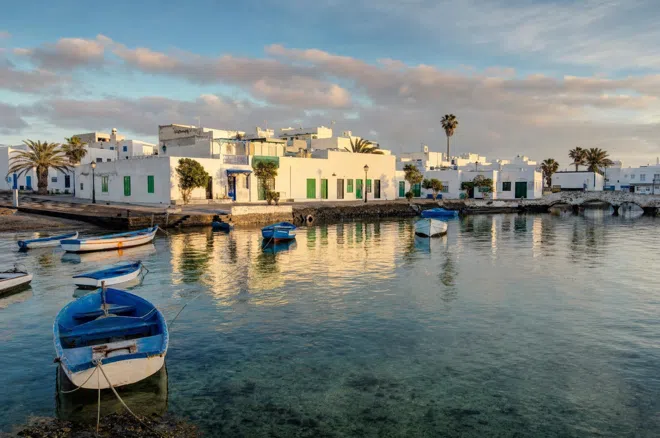
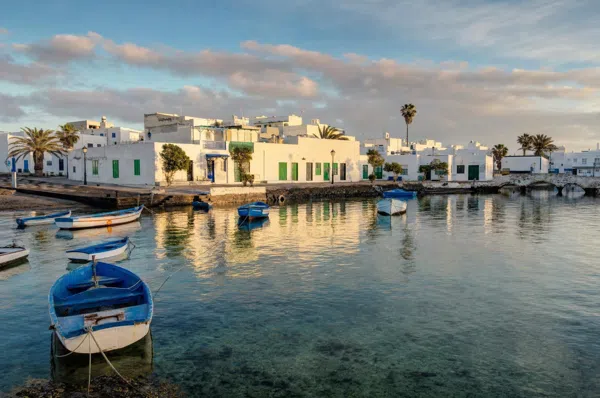
The only part of Lanzarote that functions as a real town rather than a resort: roundabouts, pharmacies, a fish market, office workers on their lunch break. The seafront lagoon of Charco de San Ginés, lined with whitewashed fishermen's cottages, is where the capital turns genuinely pretty once the working day ends.
Dove dormireA handful of modest city-centre hotels and apartments near the lagoon; nothing resort-grade, but useful if you land late or want the port close by.
Charco de San Ginés lagoon
Castillo de San José (MIAC)
Castillo de San Gabriel
Saturday craft market on the lagoon promenade
AI-generated image (OpenAI gpt-image-2)
Puerto del Carmen
For Suits a lively first or second visit with decent beaches and the widest choice of restaurants and nightlife on the island; skip it if you want quiet, since the strip doesn't properly wind down until the small hours.
The island's biggest resort strip, built along a single coastal road running past Playa Grande and Playa Chica for several kilometres. By day it's sun loungers and dive boats; after dark Avenida de las Playas turns into bars, karaoke and clubs stacked three deep, loudest around the Varadero end.
Dove dormireApartment complexes and mid-range hotels line the strip itself; the old fishing quarter near Playa Chica is calmer and still within walking distance of everything.
Playa Grande and Playa Chica beaches
Avenida de las Playas nightlife strip
Playa Chica reef diving
AI-generated image (OpenAI gpt-image-2)
Costa Teguise
For Suits families and watersports visitors who want beaches and manageable nightlife without the sprawl of the south; not the place to go looking for atmosphere or local culture.
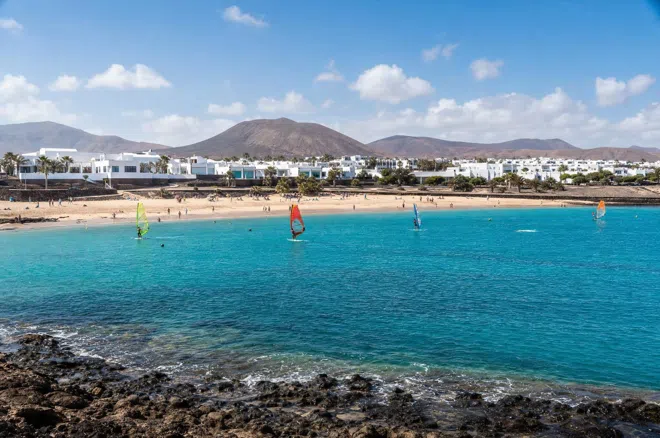
A planned resort from the 1970s and 80s, laid out with wide avenues and a marina rather than an organic town centre. It's calmer than Puerto del Carmen and leans toward families, windsurfers and returning package-holiday regulars who already know which bar they're heading back to.
Dove dormireAll-inclusive resort hotels dominate; self-catering apartments near Playa de las Cucharas suit anyone who wants to cook and windsurf rather than be entertained.
Playa de las Cucharas windsurfing
Pueblo Marinero evening market
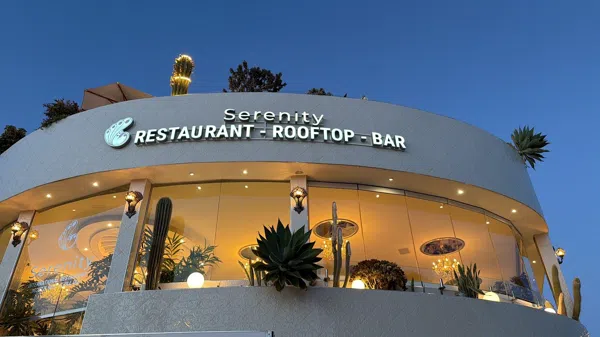
The Costa Teguise fine-dining scene around SeBE
AI-generated image (OpenAI gpt-image-2)
Playa Blanca
For Suits families after calm water and polish, and anyone using the ferry to Fuerteventura; it's a drive from the north of the island, so budget for car hire or taxis if you want to see more than the resort.
The newest of the big resorts, built along the island's southern tip facing Fuerteventura across the strait. Development here is tighter and tidier than Puerto del Carmen, with a proper marina, a ferry terminal and a run of upmarket hotels rather than package-tour tower blocks.
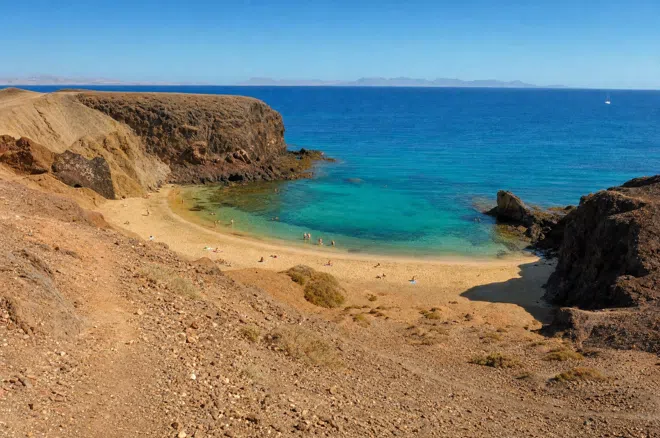
Dove dormireFive-star beachfront resorts cluster near Playa Dorada and Playa Flamingo; boutique villa complexes sit quieter at the edges of town.
Playa Dorada and Playa Flamingo beaches
Marina Rubicón
Ferry terminal for Fuerteventura
Museo Atlántico underwater museum offshore
AI-generated image (OpenAI gpt-image-2)
Teguise
For Suits anyone who wants to sleep somewhere with real history and drive out to the coast for the day; not for travellers who want a beach outside the front door, since the sea is a drive away.
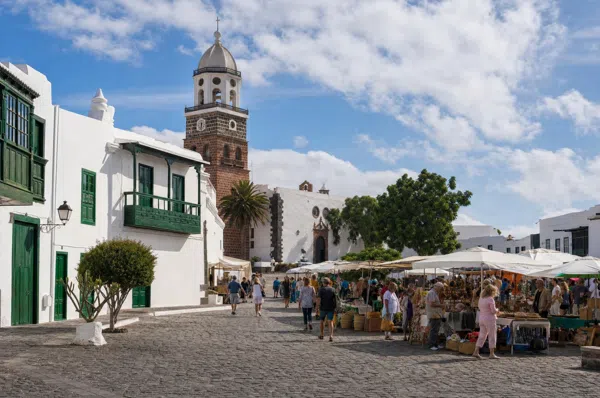
The former capital, inland and untouched by resort building: cobbled streets, a historic church and merchant houses with carved wooden balconies. Quiet all week, then overrun every Sunday morning when hundreds of market stalls fill the entire old town.
Dove dormireA small number of restored townhouses and guesthouses inside the old town; otherwise self-catering in the surrounding farmland.
Sunday market through the old town
Convento Santo Domingo art gallery
Castillo de Santa Bárbara above the town
AI-generated image (OpenAI gpt-image-2)
Haría
For Suits travellers basing themselves inland to explore the north's cliffs and lava tubes, and anyone who wants mornings without tour buses; it's a 20-30 minute drive from any beach.
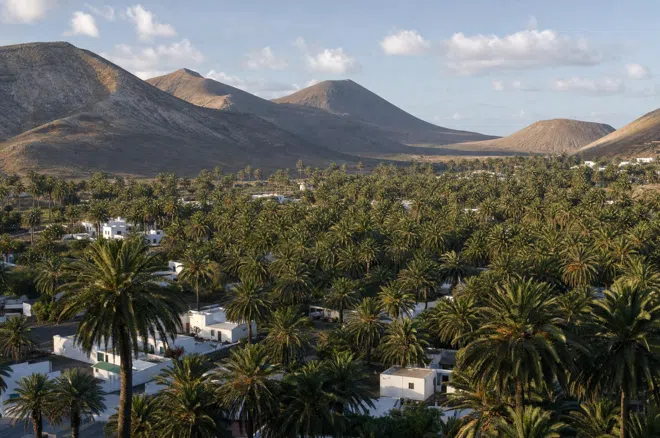
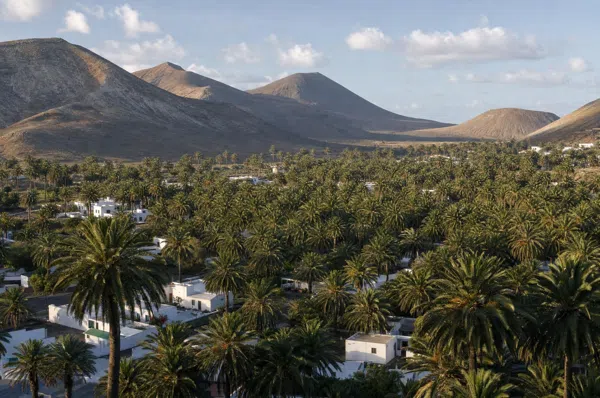
A palm-filled valley town in the island's volcanic north, still working farmland between the houses. César Manrique chose to live out his life here rather than in any resort, and the pace he found is still the point: shuttered midday quiet, a Saturday market, mountains on every side.
Dove dormireRural hotels and restored farmhouses in and around the valley; book ahead outside peak season, since rooms are few.
César Manrique's home and foundation
Mirador del Río clifftop viewpoint nearby
Saturday farmers' market
AI-generated image (OpenAI gpt-image-2)
Caleta de Famara
For Suits surfers and anyone who wants a genuinely unpolished base; swimming here is for strong swimmers only in places, since the Atlantic swell is real, not resort-pool calm.
A low-rise fishing village facing a three-kilometre beach and the sheer Famara cliffs, and the centre of Lanzarote's surf culture. No high-rises and no strip of bars, just surf schools, a handful of tapas places and sand blowing across the streets.
Dove dormireSurf hostels and small guesthouses in the village itself; no big hotels, which is exactly the point.
Famara beach and surf breaks
Risco de Famara cliffs
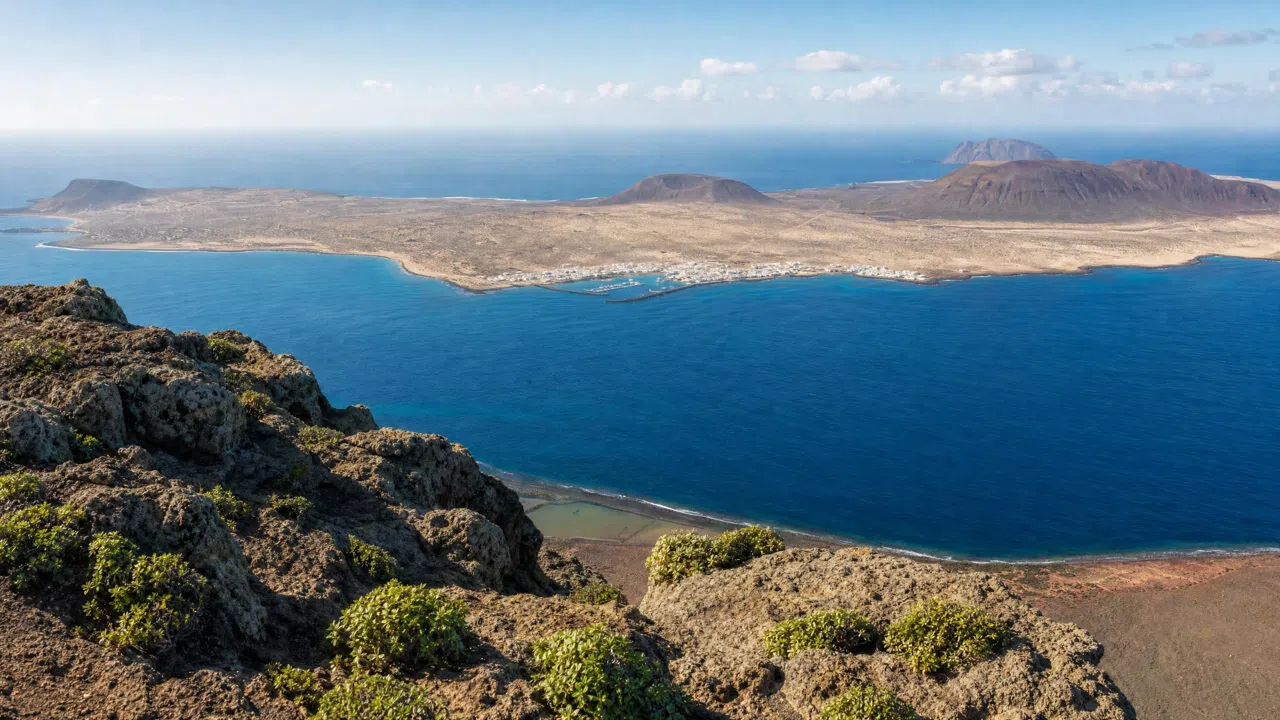
La Graciosa visible offshore
Mangiare & bere
Dove mangiare a Lanzarote
Tavoli veri, per categoria - dal pesce e grigliate ai classici low cost per cui i locali fanno la fila.
Fine dining
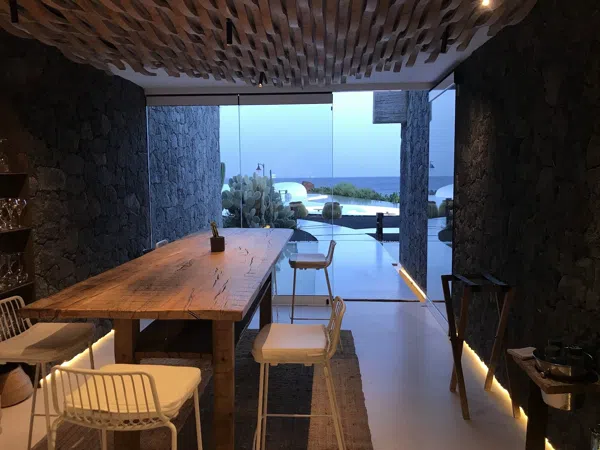
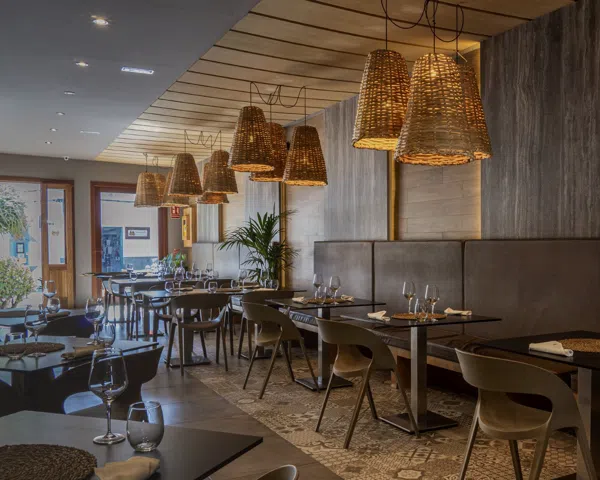
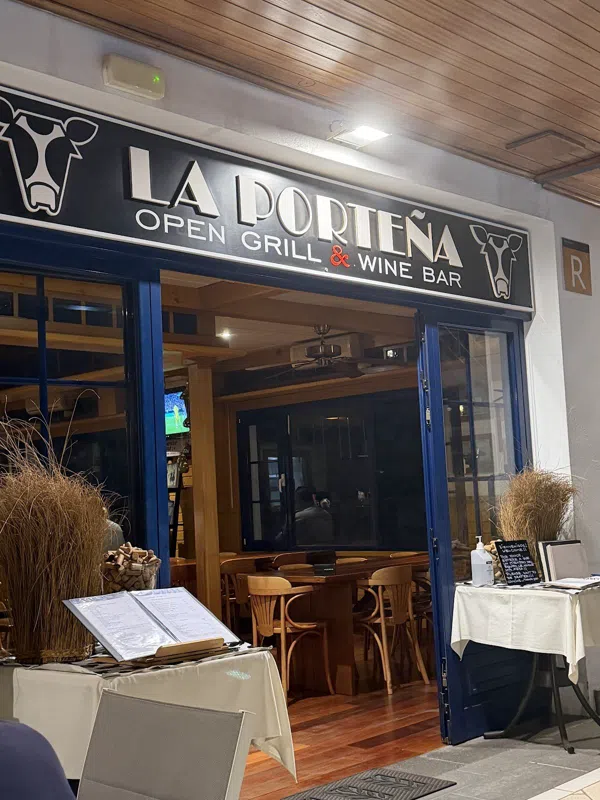
Lanzarote's fine-dining scene is young but serious: one Michelin star landed in 2025, and five more kitchens made the 2026 guide's recommended list. Nearly all of them build a tasting menu around what the island actually grows and catches, rather than imported flourishes.
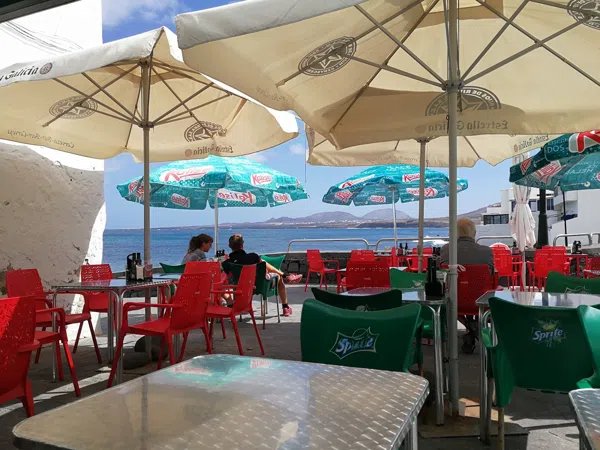
The best fish on the island rarely comes with a view, just a boat tied up outside. El Golfo and Arrieta are the two harbour villages locals actually drive across the island for.
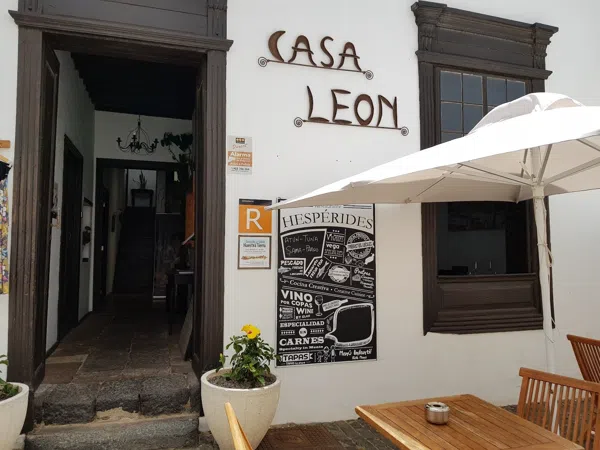
Inland Lanzarote runs on asadores: simple grill houses well off the coast roads, charcoal-fired, meat-focused and full of locals rather than day-trippers.
Menu del día lunches and market-stall food keep daily costs well under what the resort menus suggest, especially once you're away from the beachfront strips.
Dove va la notte - club, cocktail sui tetti e locali con la migliore musica dal vivo.
Nightclubs
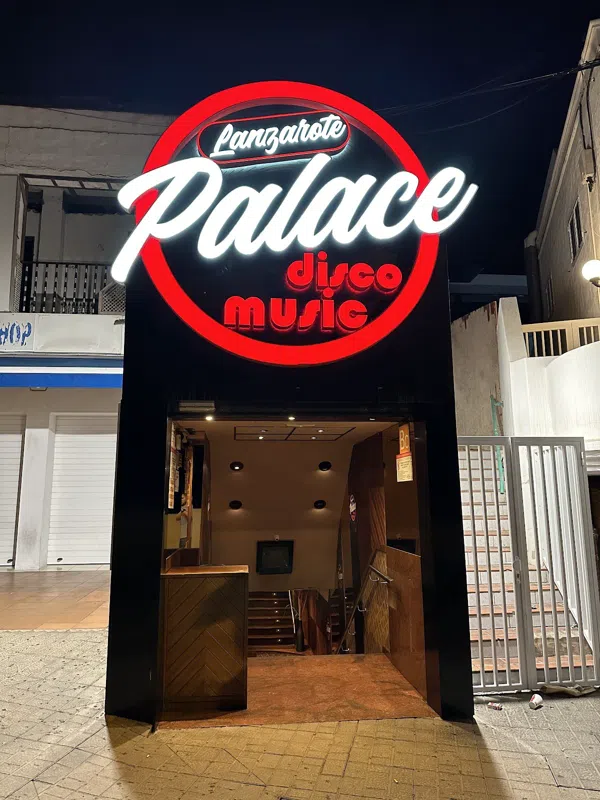
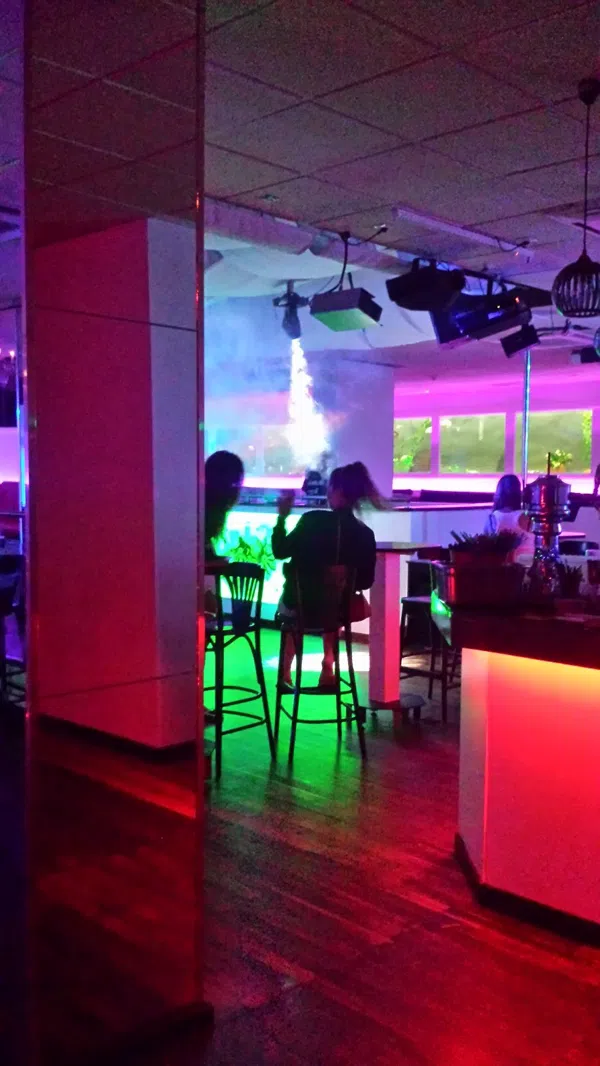
Clubbing on Lanzarote means Puerto del Carmen, and specifically the Varadero end of Avenida de las Playas, where the bars thin out and the dance floors start.
Musei, monumenti e gallerie che meritano di strutturare una giornata intorno.
Museums
Lanzarote's museums are mostly César Manrique's doing: a disused fort, a farmers' monument and a stretch of sea turned into galleries, rather than conventional collections.
Teguise and Haría carry what little independent gallery scene the island has, mostly inside restored historic buildings rather than purpose-built spaces.
The island's largest crater, a white-rimmed ring over a kilometre across, reached by a trail through a sea of black lava with Timanfaya in full view from the top.
Learn to surf at Famara beach
Caleta de Famarahalf day
Three kilometres of beach break backed by the Famara cliffs, with gentler sections for beginners and a reef break twenty minutes away for anyone who already knows what they're doing.
Snorkel or dive Museo Atlántico
Playa Blancahalf day
The only way to see Jason deCaires Taylor's underwater sculpture park, 12-14 metres down off Playa Blanca, is through a licensed dive centre.
Catamaran to Papagayo's beaches
Playa Blancahalf day
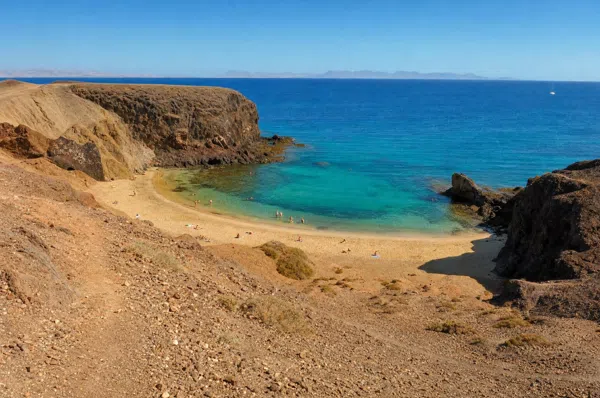
A sail down the island's southern coves, usually with time to swim and snorkel at beaches that are otherwise only reachable by a rough track.
Dive Playa Chica's reef
Puerto del Carmenhalf day
A sheltered shore dive right off a town beach, with octopus, seahorses and the Harbour Wrecks a short swim from the sand.
Taste Malvasía wine in La Geria
La Geriahalf day
Vines grown in hand-dug pits in black volcanic ash, a centuries-old technique unique to this landscape, tasted at bodegas built right into the wine-growing valley.
Fuori città
Gite di un giorno
La Graciosa
A car-free island of sand streets and a single small settlement, reachable for a half-day walk or beach visit before the last ferry back.
Come arrivareferry from Órzola, about 25 minutes each way, several sailings daily
Fuerteventura
A different island entirely across the strait, with longer, emptier beaches than Lanzarote's southern resorts.
Come arrivareferry from Playa Blanca to Corralejo, about 35 minutes, several sailings daily
The volcano and wine loop
Timanfaya's bus tour, the La Geria vineyards and the coastal landmarks of Los Hervideros and Salinas de Janubio all sit within an hour's drive of each other in the island's south-west.
Come arrivareself-drive or an organised coach tour, a full day by hire car from any coastal base
Prenota in anticipo
Cose da fare a Lanzarote
Tour, biglietti ed esperienze tra i più apprezzati - prenota in pochi secondi, salta la fila.
Questi sono link di affiliazione. Potremmo guadagnare una commissione quando prenoti — senza costi aggiuntivi per te. I tour sono venduti e gestiti dal nostro partner, che è il commerciante di riferimento.
Quanto costa
Budget
Lanzarote runs cheaper than it looks once you're off the resort strip: a hire car, a menu del día lunch and an evening in a local asador bring daily costs down fast. The beachfront hotels and their in-house restaurants are where the money actually goes.
Stile di viaggio
Per day
Backpacker
€50-80
Mid-range
€130-200
Luxury
€300-500
Periodo
Quando visitare
Lanzarote holds a narrow temperature band all year, which is exactly why it draws a winter-sun crowd as much as a summer one. The real variables here are wind, crowding and price, not whether it will be warm enough to swim.
WinterMild rather than cold, typically 18-21°C by day. This is peak winter-sun season for visitors escaping colder climates, so the main resorts stay busy and book up well ahead.
SpringWarm, sunny and markedly quieter than summer, with the sea still cool from winter. April and May are widely reckoned the best value-for-weather months on the island.
SummerThe hottest and busiest stretch, with August at full capacity island-wide and inland highs pushing into the low 30s. Book well ahead and expect the resort strips at their loudest.
AutumnThe sea is at its warmest in September, crowds thin steadily through October, and the trade winds that define the island's climate are at their most reliable for surfers and windsurfers.
Lanzarote Airport (ACE) sits a few kilometres south of Arrecife. A taxi to Arrecife takes about 10-15 minutes, to Puerto del Carmen around 15-20, and to Playa Blanca or Costa Teguise 25-35 minutes. Intercity buses run from outside arrivals to the main resorts roughly from 7am to 11pm, and car hire desks sit in the arrivals hall for anyone picking up straight away.
Trasporti pubblici
Intercity's bus network covers Arrecife, Puerto del Carmen, Costa Teguise, Playa Blanca and the inland towns, but services thin out fast once you're off the main coastal routes and stop running by late evening. Fares are paid to the driver or by contactless card; there's no metro or tram, this is the whole network.
Pass & biglietti
There's no island-wide travel pass worth buying for a short stay. Single fares are cheap enough that a rechargeable bus card only pays off if you're staying weeks and relying on buses alone, which most visitors don't.
On foot
Arrecife's old town around Charco de San Ginés and Puerto del Carmen's beachfront strip are both genuinely walkable. Costa Teguise and Playa Blanca are walkable within their own resort zones but spread out between them. Everywhere else, including Teguise, Haría and the volcanic landmarks, needs a car or an organised tour; there's no practical way to string the island's highlights together on foot or by bus.
1
A hire car opens up the whole island; without one you're limited to whichever resort strip you're staying on plus organised coach tours.
2
Roads are good but exposed and windy on the north coast and over the central ridge; take mountain roads like the one into Haría steadily.
3
Taxis are metered and reliable but not cheap for cross-island trips; agree or check the fare for longer runs before you get in.
4
Roundabouts dominate junctions island-wide and driving is on the right; give way to traffic already on the roundabout.
Viaggia intelligente
Sicurezza e galateo
Lanzarote has low rates of violent crime, and the main risks are practical: rental car break-ins if bags are left visible, villa and apartment break-ins if doors are left unlocked, and strong currents on open Atlantic beaches like Famara that are nothing like the calm resort pools further south. Clipboard-carrying donation scammers work crowded spots like Teguise market; refuse firmly and walk on. The sun is more intense than it feels given the Atlantic breeze, so cover up and hydrate even on overcast days.
Galateo locale
Lunch runs 1-3pm and dinner from 8pm; turning up for dinner at 6pm will mostly find empty restaurants.
A greeting of buenos días or buenas tardes before ordering is expected, even in a quick bar.
Tipping isn't obligatory; rounding up or leaving 5-10% in a sit-down restaurant is normal, not required.
Small inland villages close up at lunchtime and on Sundays outside Teguise's market; don't plan a meal there without checking first.
Dal punto di vista locale
Consigli pratici
1
Book a hire car before you land rather than at the airport desk; prices climb fast once you're standing at the counter.
2
Fuel stations thin out once you're inland and in the north; fill up before a day exploring Haría or Timanfaya.
3
Book Kamezí, Casa Rafa and other named-chef or harbour restaurants a few days ahead; the good tables go fast, especially at weekends.
4
Carry some cash for village bars and market stalls; not every inland spot takes cards.
5
Pack a light jacket even in summer; the trade wind that keeps the island mild also makes evenings cooler than the daytime temperature suggests, especially on the north coast.
6
If you're swimming at Famara or anywhere on the north coast, check for lifeguard flags; the Atlantic swell there is nothing like the sheltered resort beaches in the south.
7
Sundays mean Teguise market and little else inland; plan an inland lunch for a different day of the week.
Prenota diretto
Prenota un hotel a Lanzarote
Caricamento disponibilità e prezzi in tempo reale…
Good to know
Lanzarote FAQs
Do I need a hire car on Lanzarote?
For anything beyond your resort, yes. Buses connect the main towns but run infrequently to the interior, and most of the island's best landmarks, villages and beaches sit well off the bus routes.
Which resort should I base myself in?
Puerto del Carmen for the widest choice of restaurants and nightlife, Costa Teguise for a calmer family base with watersports, Playa Blanca for polish and the Fuerteventura ferry, and inland Teguise or Haría if you'd rather sleep somewhere with history than a beach outside the door.
Is Lanzarote good for families?
Yes; Costa Teguise and Playa Blanca both have calm beaches, shallow pools and resort infrastructure built around children, and Timanfaya and the lava tubes work well for older kids too.
Can I see La Graciosa in a day?
Yes, the ferry from Órzola takes about 25 minutes and most people do it as a day trip, since accommodation on the island is scarce and books up fast.
Is Lanzarote expensive?
Not especially once you're off the resort strip; hotel restaurants and five-star stays push the average up, but a menu del día lunch, local asadores and hire-car travel keep daily spend well below what those resort prices suggest.
When should I avoid visiting?
August is the hottest and busiest month island-wide; aim for May, June, September or October instead for quieter beaches and lower prices without losing warm weather.
Do I need to book Timanfaya in advance?
In peak season yes, since the guided bus route through the national park is the only way in and coach groups fill it fast; outside July and August you can often turn up and get a slot the same day.