Colossi of Memnon
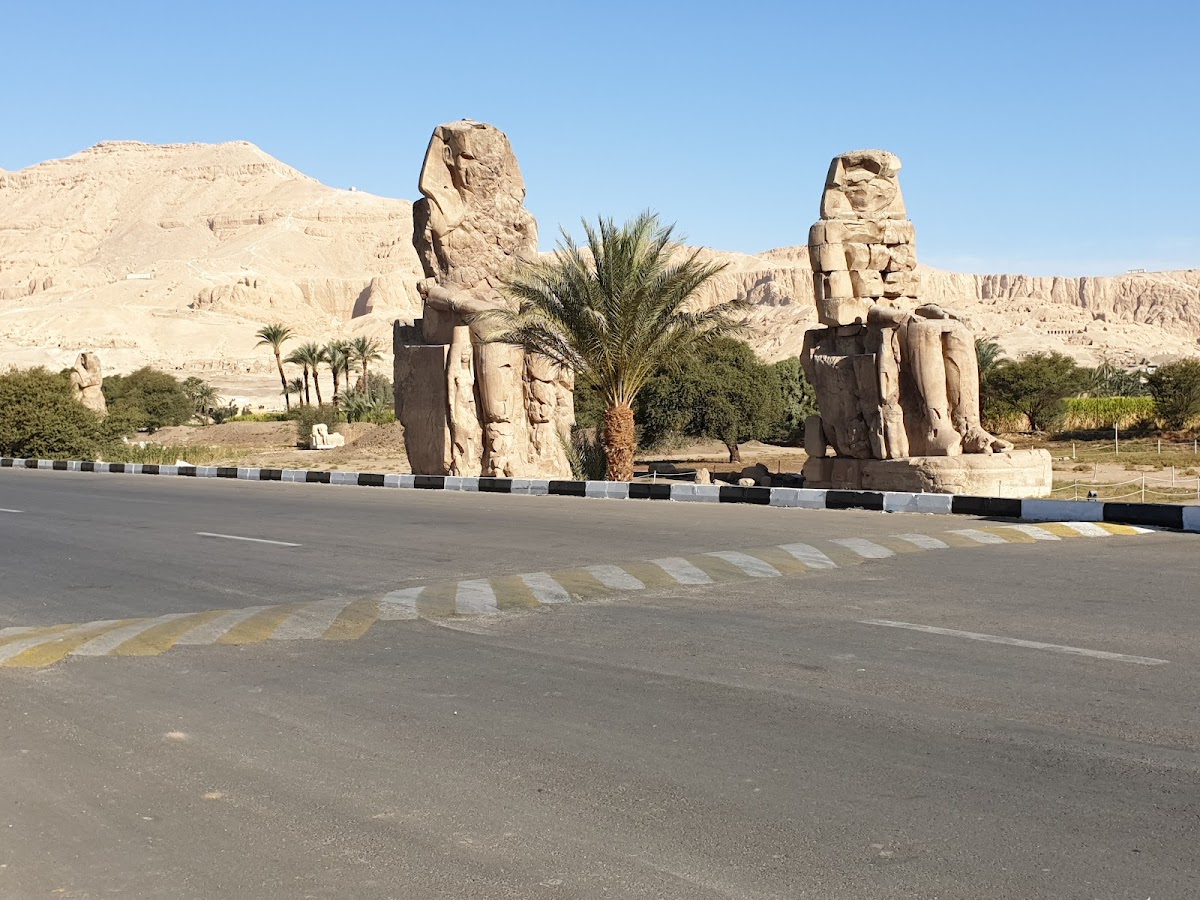
Due enormi statue in pietra del faraone Amenhotep III che si ergono nei campi agricoli della riva occidentale da oltre 3.400 anni.
Ingresso gratuito. Una sosta rapida e piacevole lungo la strada verso le tombe.
Altro a Riva occidentale - Gurna
Carter's House
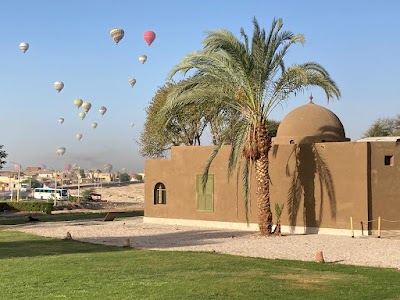
La residenza a cupola in mattoni di fango dove Howard Carter visse durante la ricerca della tomba di Tutankhamon, conservata con i mobili originali, gli attrezzi e la camera oscura fotografica.
Consiglio: Situata vicino all'ingresso della Valle dei Re. Una tappa tranquilla e suggestiva.
Valley of the Kings
Luogo di sepoltura dei faraoni del Nuovo Regno, dove profonde tombe scavate nella roccia custodiscono rilievi dipinti originali di straordinaria vivacità.
Consiglio: Il biglietto standard include l'accesso a tre tombe. Le tombe di Tutankhamon, Seti I e Ramses VI richiedono biglietti aggiuntivi.
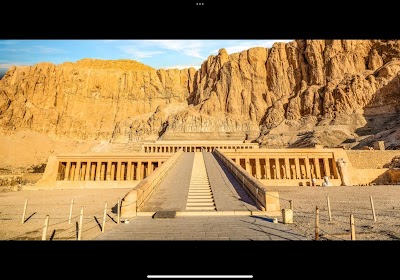
Temple of Hatshepsut
Uno spettacolare tempio a tre terrazze costruito direttamente nelle alte pareti di calcare di Deir el-Bahari.
Consiglio: Molto esposto al sole; porta con te acqua e cappello.
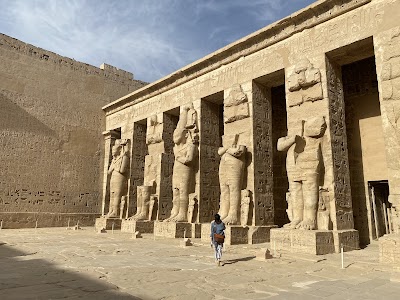
Medinet Habu
Il tempio funerario di Ramses III, celebre per i rilievi parietali eccezionalmente profondi e per il soffitto dipinto, straordinariamente conservato.
Consiglio: Molto meno affollato di Karnak o Hatshepsut, offre un'esperienza decisamente più serena.
Dove si trova
Recensioni
One of the most striking places on the Western Bank of River Nile in Luxor in Upper Egypt is the ‘Colossi of Memnon.’ My partner and I visited it on December 20, 2025 (Saturday) while on our way from the ‘Mortuary Temple of Hatshepsut’ to the ‘Karnak Temple Complex.’ We got down from our vehicle and admired the twin statues of Pharaoh Amenhotep III. Although the ‘Mortuary Temple of Amenhotep III,’ which once used to be the largest temple in Luxor, is no longe existent, these statues tell the tale of a time long forgotten, and deeply buried in both history and folklore!
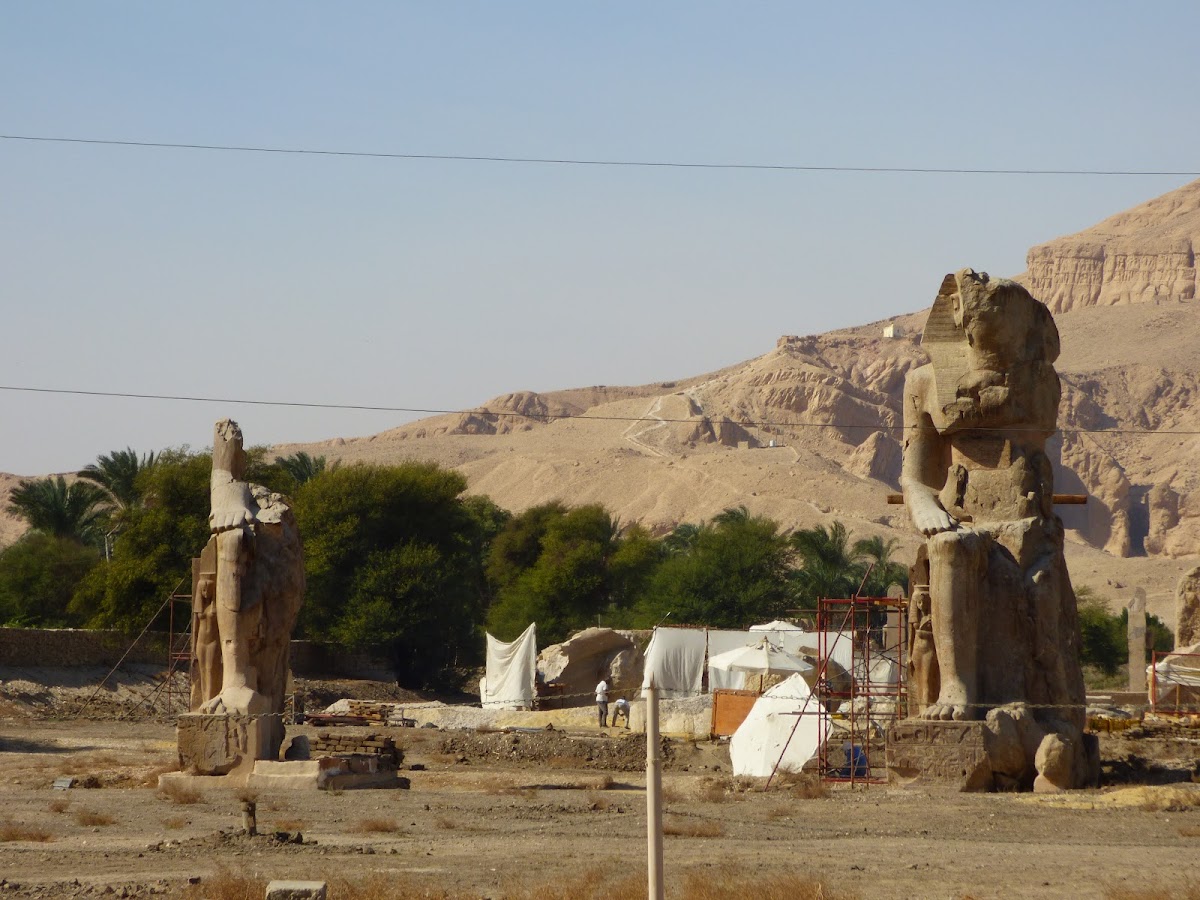
Quick stop on the way to the hotel air balloon rides. There was a bathroom across the road which was decent. Nice to see a statue in its original location with no tourist stuff around. Its also free to see. There's also an excavation currently going on behind the statues so that was cool to see in person.
The Colossi of Memnon are two monumental statues that stand as silent guardians on the west bank of the Nile near Luxor. Carved from quartzite sandstone around 1350 BCE, these statues originally flanked the entrance to the mortuary temple of Amenhotep III, one of Egypt’s most powerful pharaohs of the 18th Dynasty. Each statue rises about 18 meters (60 feet) high, depicting the seated king with his hands resting on his knees. These statues are in their original location and is free to visit. Currently there are some excavation nearby the statues.
The Colossi of Memnon stand in silent majesty, two ancient guardians watching over the desert for more than three thousand years.
Le recensioni sono di Google. Vedi la scheda su Google Maps.