One carved column holds the cantilevered concrete canopy over the courtyard of the Museo Nacional de Antropología (Bosque de Chapultepec), and water sheets off its rim into the pool below. Twenty-three halls wrap that patio on two floors. The museum opens Tuesday to Sunday, 09:00 to 18:00, and closes Mondays.
What you walk through
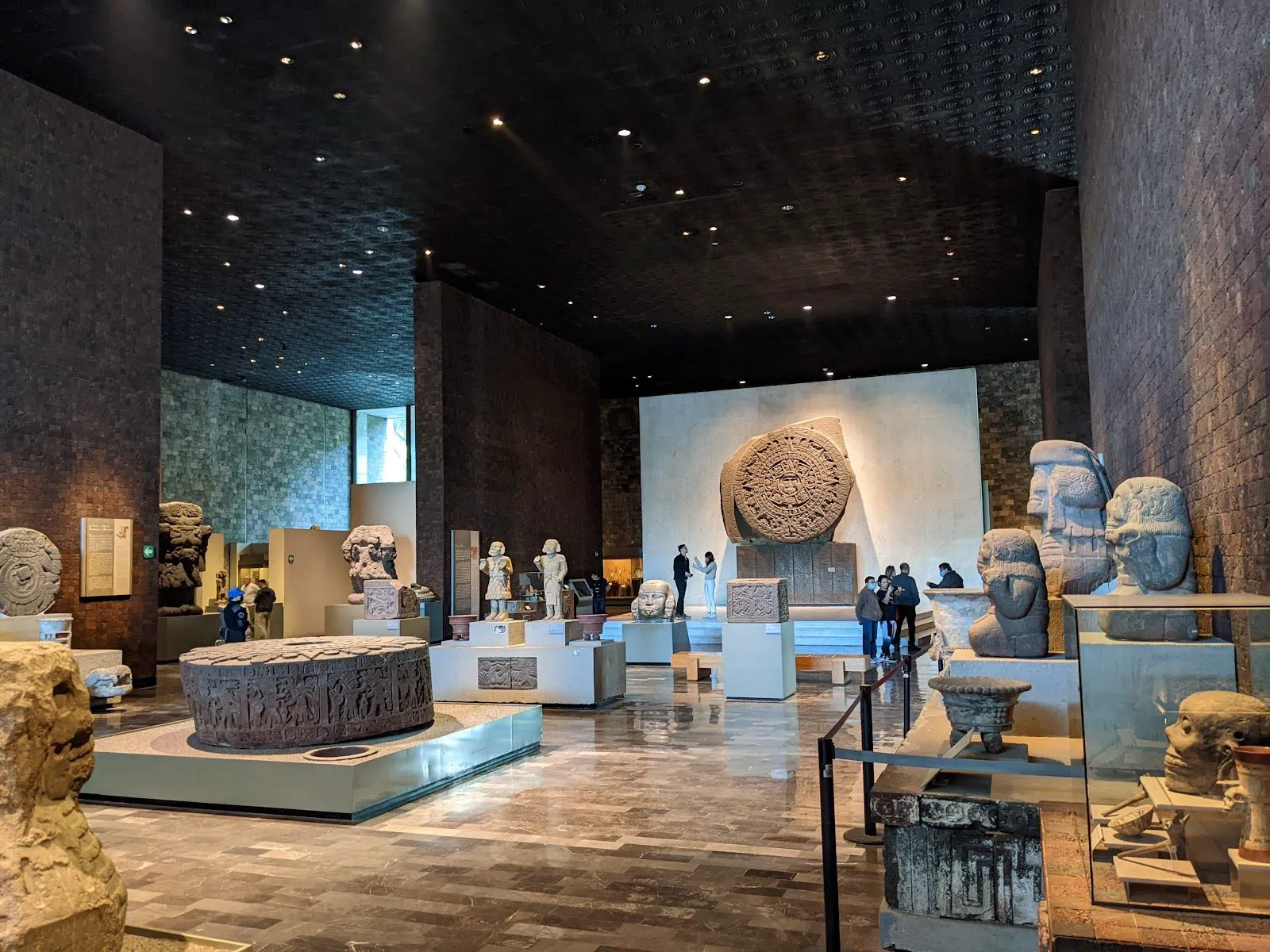
The halls are glass-walled on the courtyard side, so the canopy and the falling water stay in view as you move between them. Archaeology fills the ground floor. In the Mexica hall the carved basalt Sun Stone stands in the open, and the Teotihuacán and Maya rooms sit on the same circuit around the patio.
The ethnographic collections are upstairs, on a floor that reopened fully in 2025. Work on services, waterproofing and marble runs through 2025 and 2026, and none of it has closed a hall.
Twenty-three halls are more than one visit holds, so most people pick a line through them. A guided route covering Teotihuacán, Mexica and Maya takes two to three hours and fits inside a single morning.
Tickets, bags and cameras
Admission is $210 general and $105 for Mexicans and residents. Under-13s, INAPAM holders, students and teachers with ID enter free. Filming needs a video-camera permit at $63.
The cloakroom is free and open 09:00 to 17:00. Anything bigger than a small bag goes in there before you start.
INAH-authorised guides work the lobby, and you can hire one on arrival. Booking a guided visit in advance settles which halls you see before you reach the door.
Best time to go in October 2026
Guided visits run six days a week, Tuesday to Sunday. The current season runs from 4 October 2026 to 30 September 2027, so an October visit sits at the front of it.
A Monday takes out the whole walk. The first section of Bosque de Chapultepec (Puerta de los Leones and Niños Héroes gates) is free and closes on Mondays like the museums it contains, and its gates are open 05:00 to 17:00 Tuesday to Sunday.
Come for the 09:00 opening and start on the ground floor. The guided route then leaves the afternoon for the hill above the park.
The castle and the Caracol on the hill
Museo Nacional de Historia · Castillo de Chapultepec (Chapultepec hill) is the usual pairing with Anthropology on a half-day walking route. The ramp up from the Niños Héroes side is the only walking access, and at 2,240 m it costs more breath than it looks. Groups bunch at the single ticket booth at opening, so climb after the museum rather than before it.
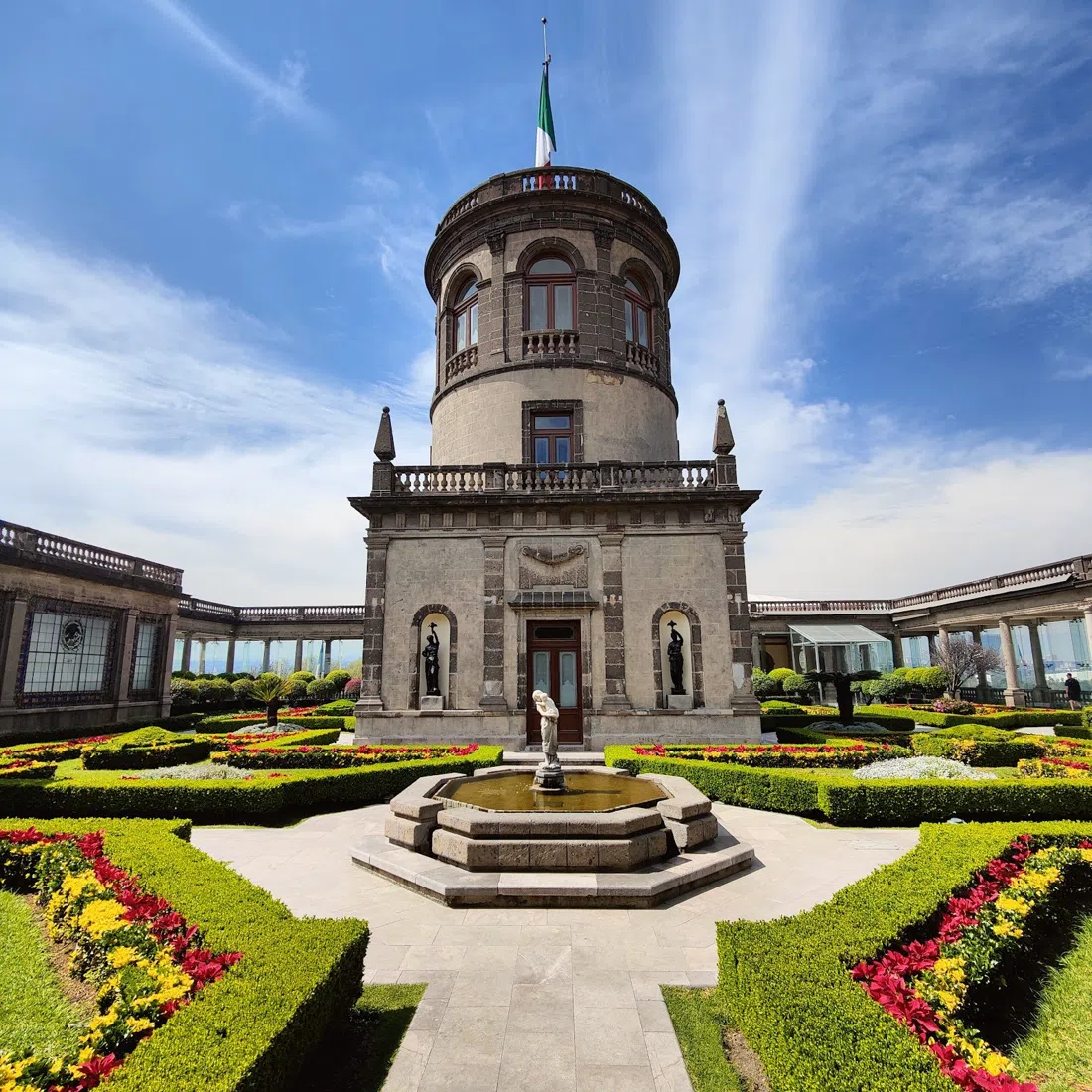
Inside are a stained-glass loggia, Maximilian and Carlota's panelled apartments and a roof garden of clipped hedges. The terrace looks straight down the length of Paseo de la Reforma, the best free-standing city view in Chapultepec. Entry is $210 general and $105 for Mexicans and residents, free for under-13s, over-60s, students and teachers, Tuesday to Sunday 09:00 to 17:00.
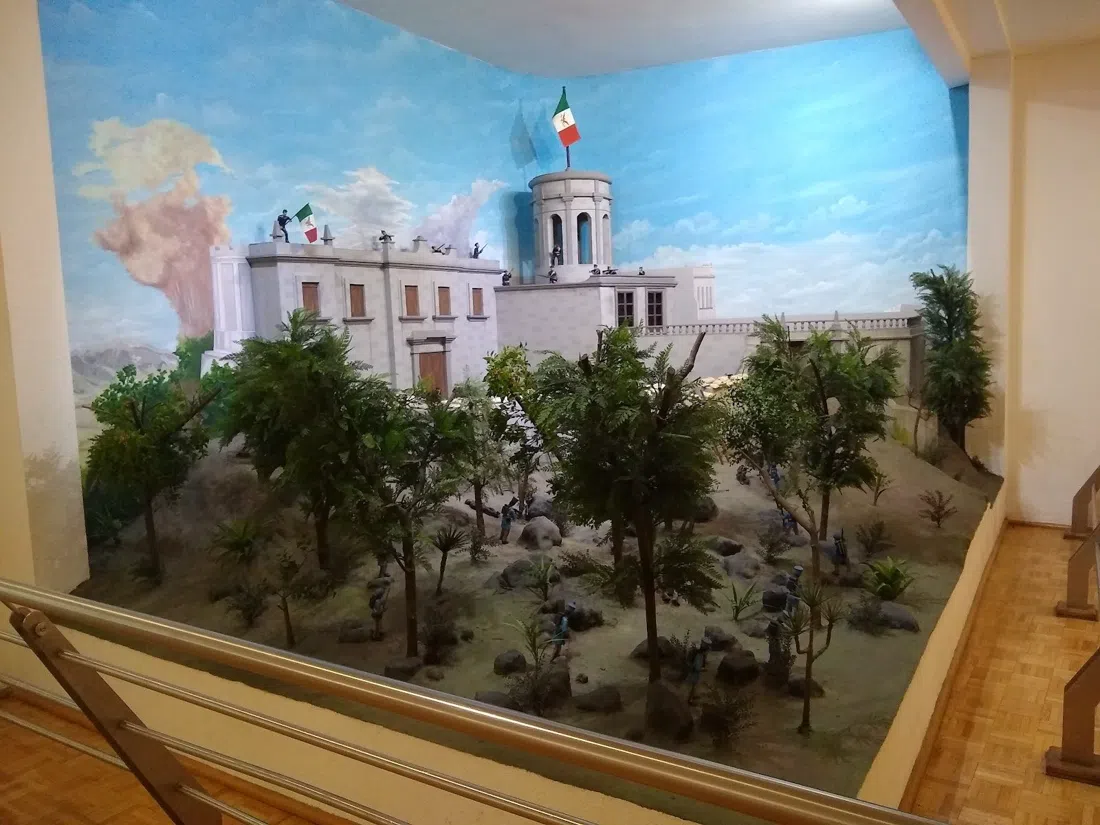
Galería de Historia · Museo del Caracol (castle ramp) sits on the same climb, a white spiral shell of a building you walk down rather than up. A continuous descending ramp passes lit dioramas of independence and revolution and ends in a round hall with the 1857 Constitution under glass. The ramp is narrow and one-way, and large parties are split at the entrance. Entry is $80, free for under-13s, over-60s, students and teachers, Tuesday to Sunday 09:00 to 16:15, and it is almost always empty. If you want Mexican history in order first, come here before the big museum.
Tamayo and modern art across Reforma
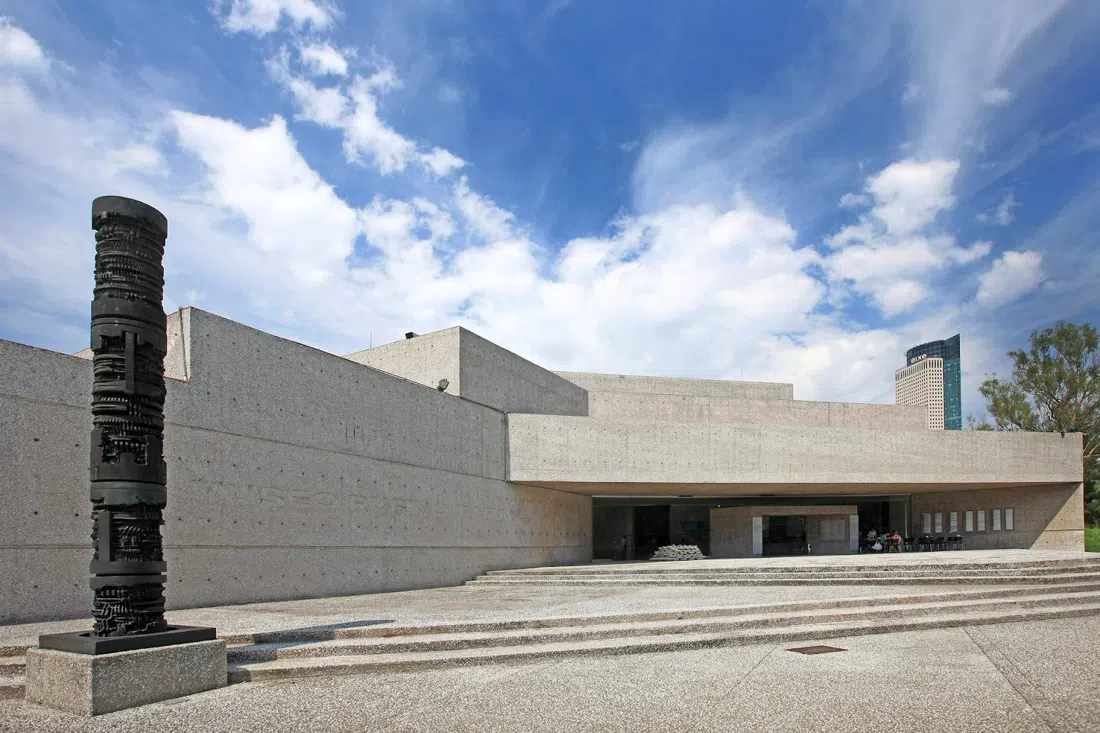
Museo Tamayo Arte Contemporáneo (Paseo de la Reforma) is five minutes on foot across Reforma from Anthropology, a low angular concrete-and-glass building half-buried in the woods. Stepped terraces lead into skylit white galleries hung with Rufino Tamayo's own collection of modern work. Entry is $95, free on Sundays and for students, teachers, INAPAM holders and under-13s, Tuesday to Sunday 10:00 to 18:00. Guided visits go through the education department, and the cloakroom costs nothing. If the line at the main museum is long, come here instead.
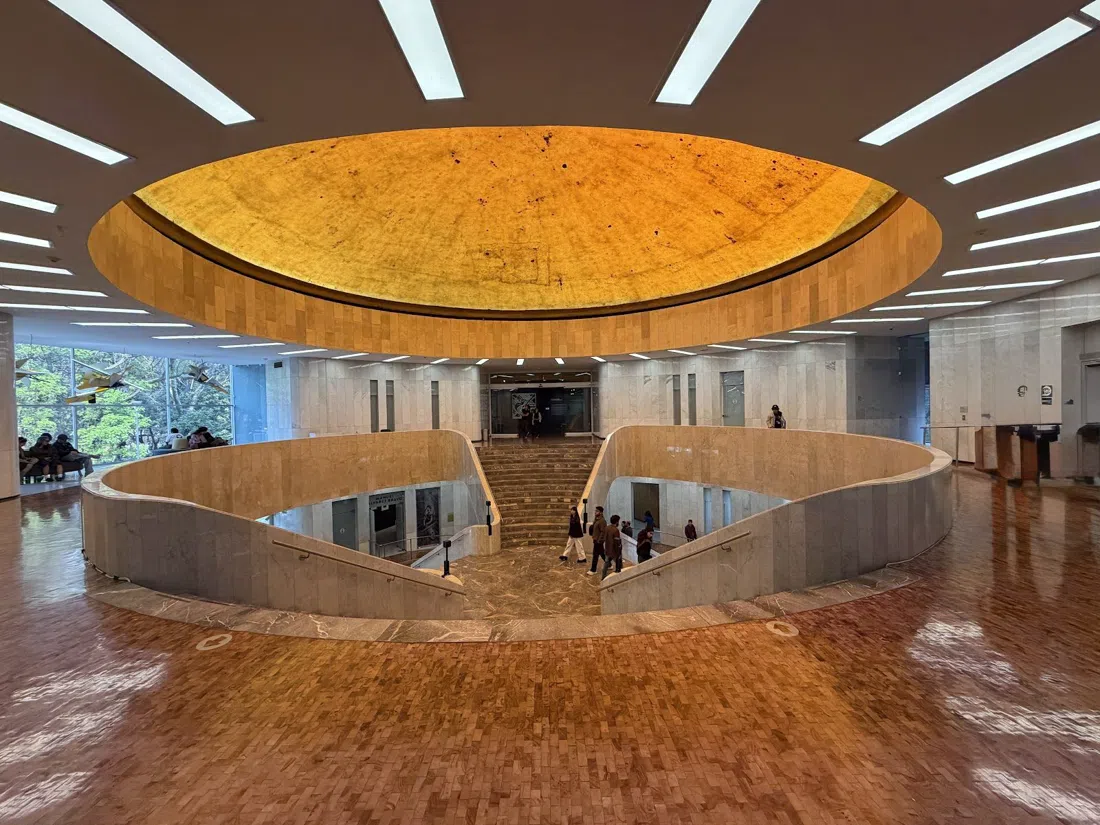
Museo de Arte Moderno (Paseo de la Reforma) is two minutes from the Anthropology forecourt, a circular glass-and-steel drum standing in a sculpture garden. The ramped rotunda climbs under a domed ceiling past Siqueiros canvases and Frida Kahlo's 'Las dos Fridas' on curved white walls. Most of Mexico's twentieth-century painting is here. Entry is $95, free on Sundays and for students, teachers, INAPAM holders and people with disabilities, Tuesday to Sunday 10:15 to 17:30. Guided visits are arranged in advance, and the sculpture garden absorbs a large party better than the rotunda does.
Free ground inside Chapultepec
Ahuehuete cypresses and eucalyptus shade wide paved calzadas through the park, rowing boats cross the Lago Menor, and food and balloon carts gather at the Puerta de los Leones. The castle shows above the tree line from most of it.
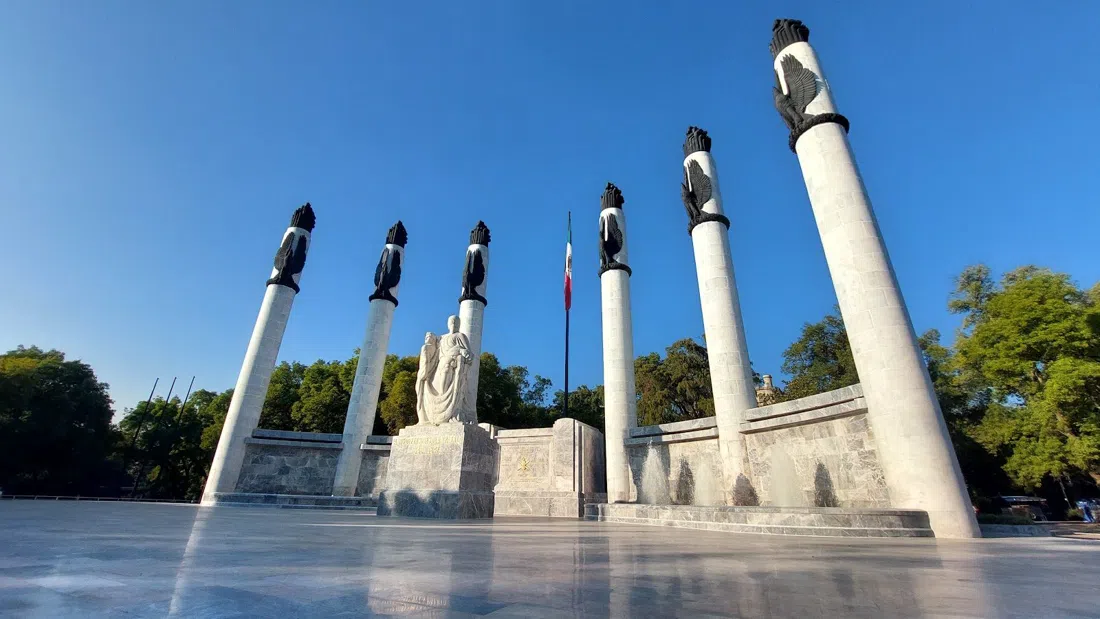
Monumento a los Niños Héroes (Altar a la Patria) (Chapultepec Metro entrance) is the open ground where almost every Chapultepec walking tour assembles. Six tall Carrara marble columns stand in a semicircle, each topped with an eagle, with a bronze figure of the fatherland at the centre and the castle hill rising behind. The 1847 story the monument tells explains the building above it.
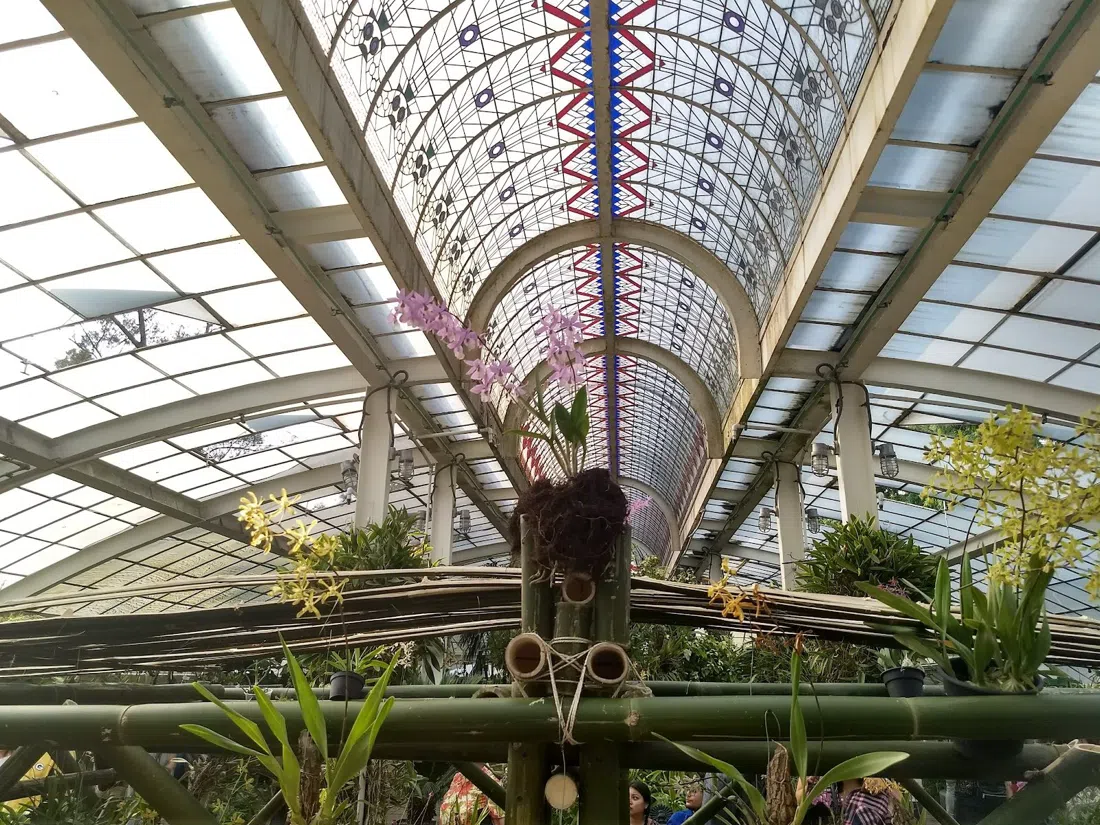
Jardín Botánico de Chapultepec (behind the Casa del Lago) is 5.3 hectares of walled garden holding more than 300 plant varieties, among them an orchid house and a wild dahlia collection. A long pergola walk runs past Mexican cacti and agaves. Entry is free, Tuesday to Sunday 09:00 to 18:00, and the glasshouses take visitors single-file. It is the quietest stop within 10 minutes of the museum.
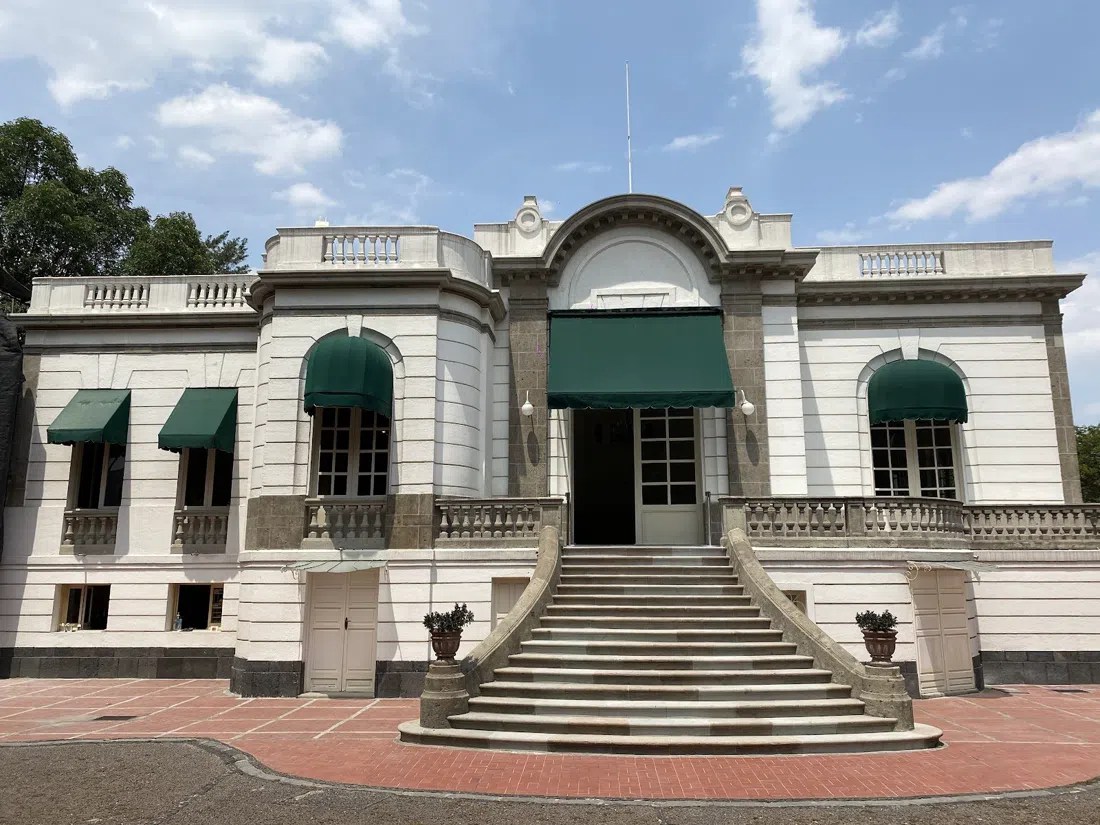
Casa del Lago UNAM (Lago Menor) is a porticoed early-1900s villa with a columned terrace over the water, UNAM's free arts house. The exhibition rooms inside cost nothing, and yoga and dance run in the open air on the lawn. It opens Wednesday to Sunday, 11:00 to 18:00, and the workshops need sign-up. The audience is mostly local.
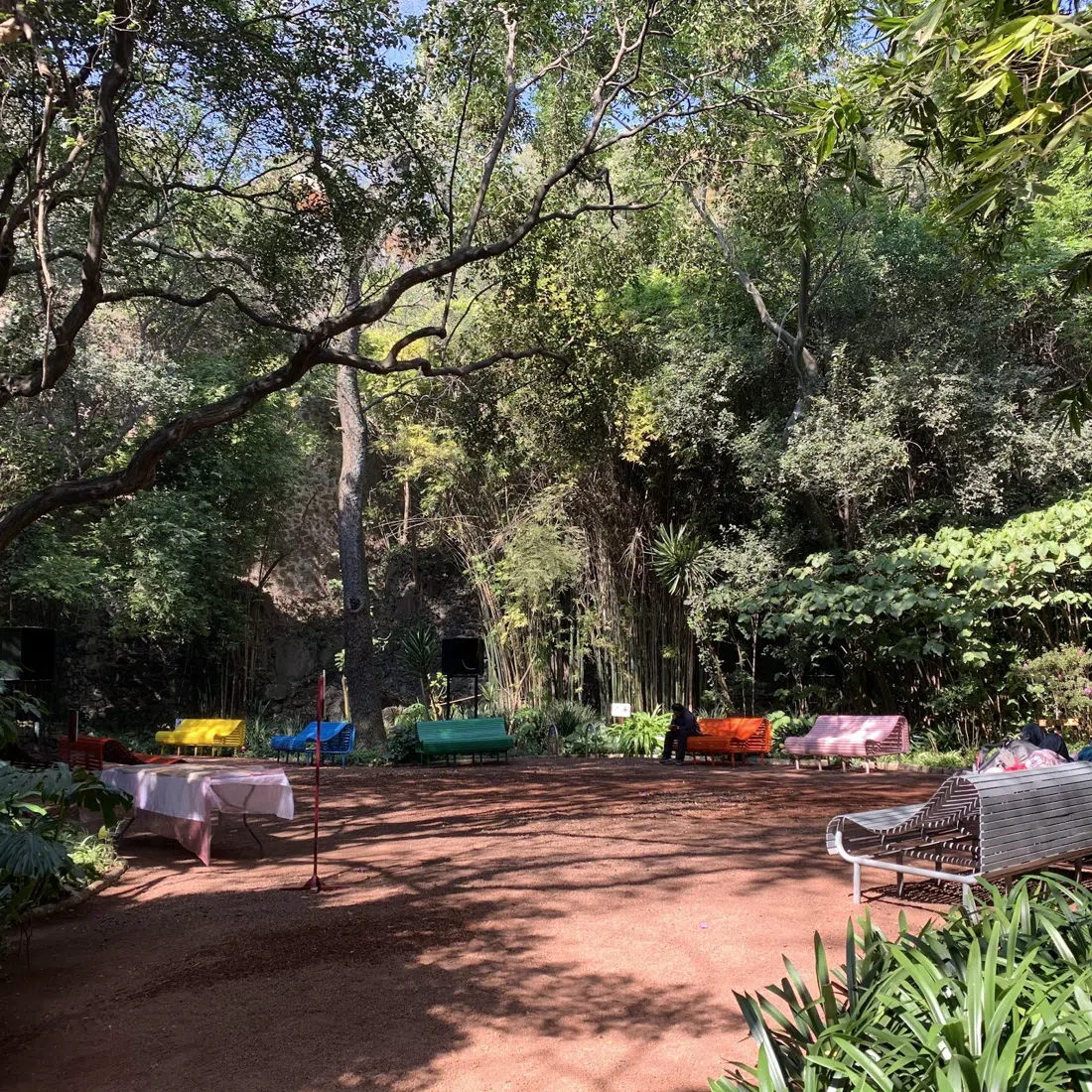
Audiorama de Chapultepec (below the Tribuna Monumental) is a rock-walled hollow of deckchairs and benches among the trees, five minutes from the castle ramp, with speakers hidden in the stone and people reading while music plays. Silence is the rule here, and it holds. The genre changes daily, jazz on Fridays and classical on Sundays. Free, Tuesday to Sunday 09:00 to 16:00.
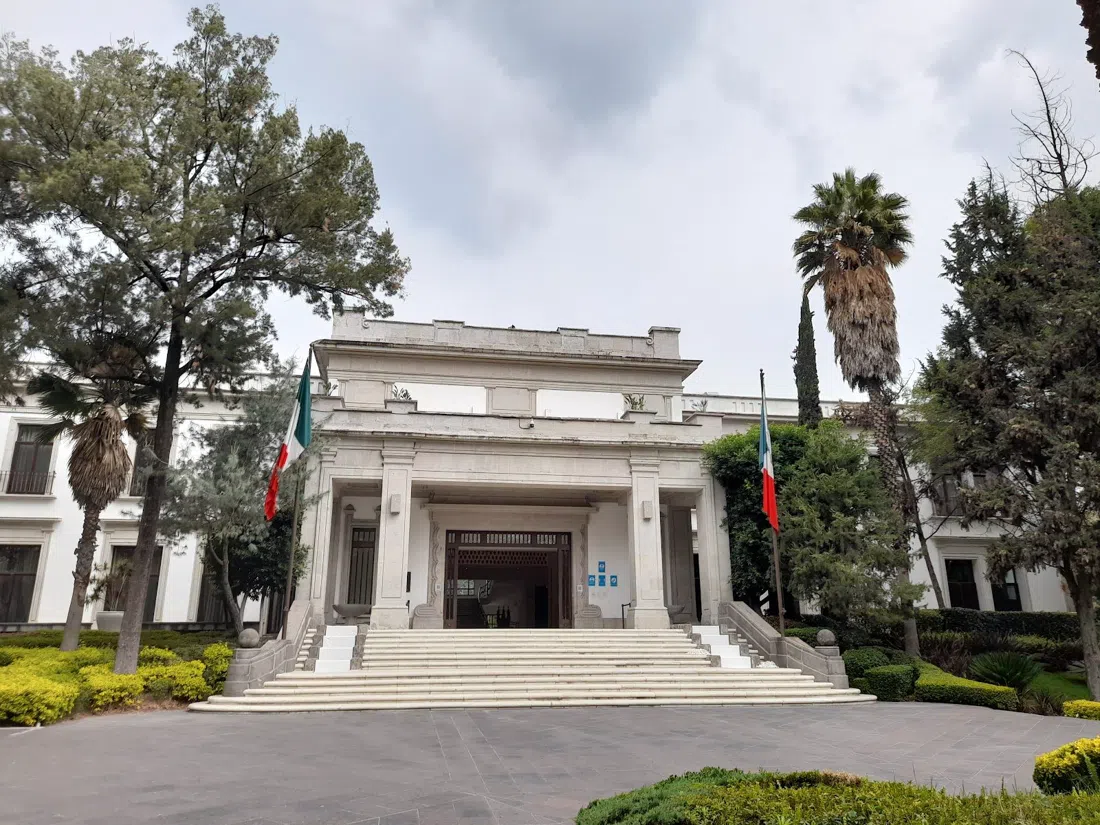
Complejo Cultural Los Pinos (Gate 1 at Parque Lira or Gate 3 in Bosque de Chapultepec) was Mexico's presidential home until 2018 and is now free to walk through, official guided tours included. Casa Miguel Alemán's mid-century presidential rooms are open, long lawns and jacarandas run behind them, and the garden path ends at the old helipad and Lázaro Cárdenas' modest original house. It opens Tuesday to Sunday, 11:00 to 18:00, and dogs are allowed in the gardens.
Eating around the museum
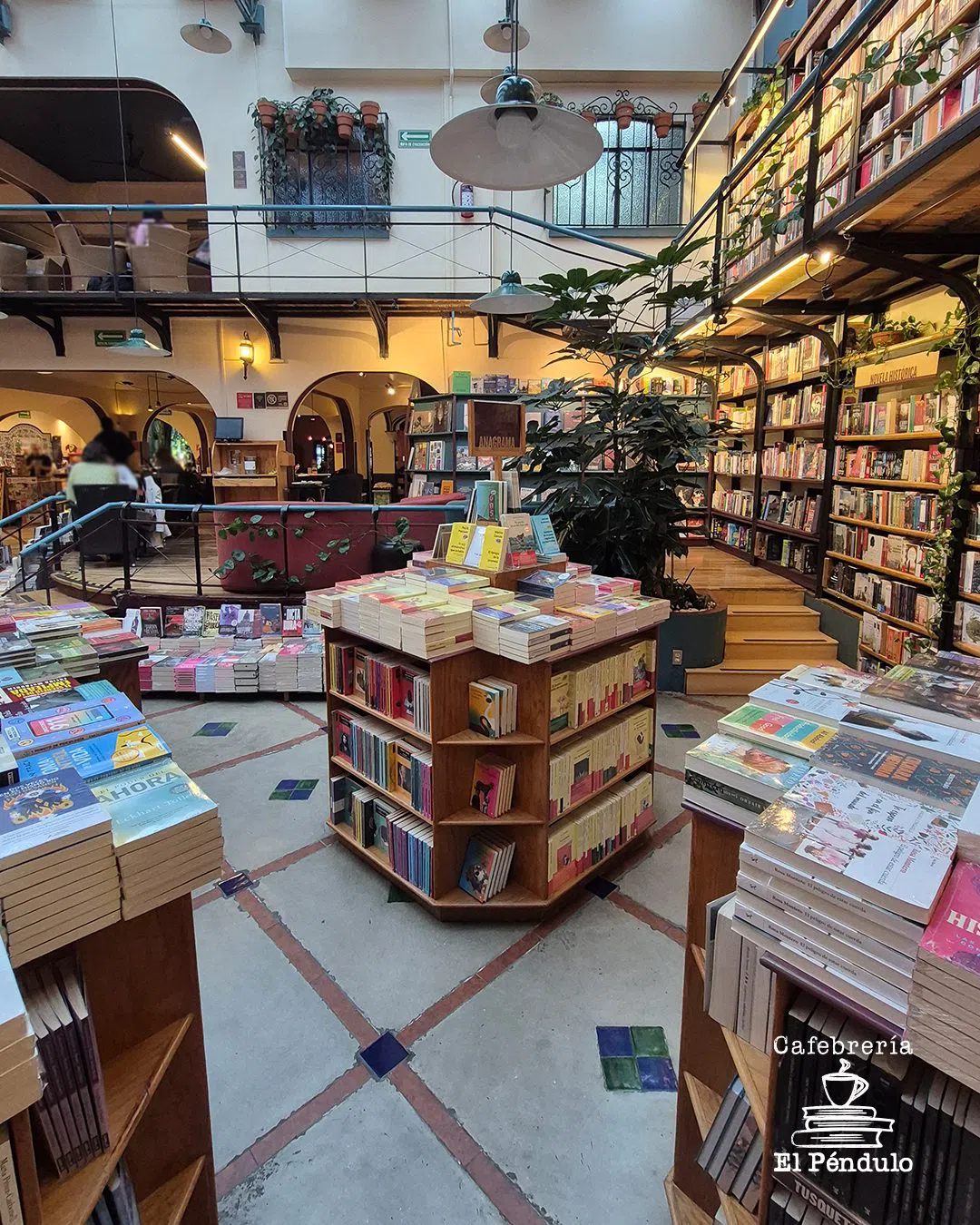
Cafebrería El Péndulo Polanco (corner of Alejandro Dumas and Emilio Castelar) is a double-height bookshop with plants spilling off the mezzanine railings, ladders set against full-wall shelves and marble café tables among the stacks. It is 10 minutes' walk north of the museum and opens at 08:00 Monday to Saturday, 09:00 on Sunday, closing at 23:00 and 22:00. Coffee and a plate run $120 to $300, and you can walk in.
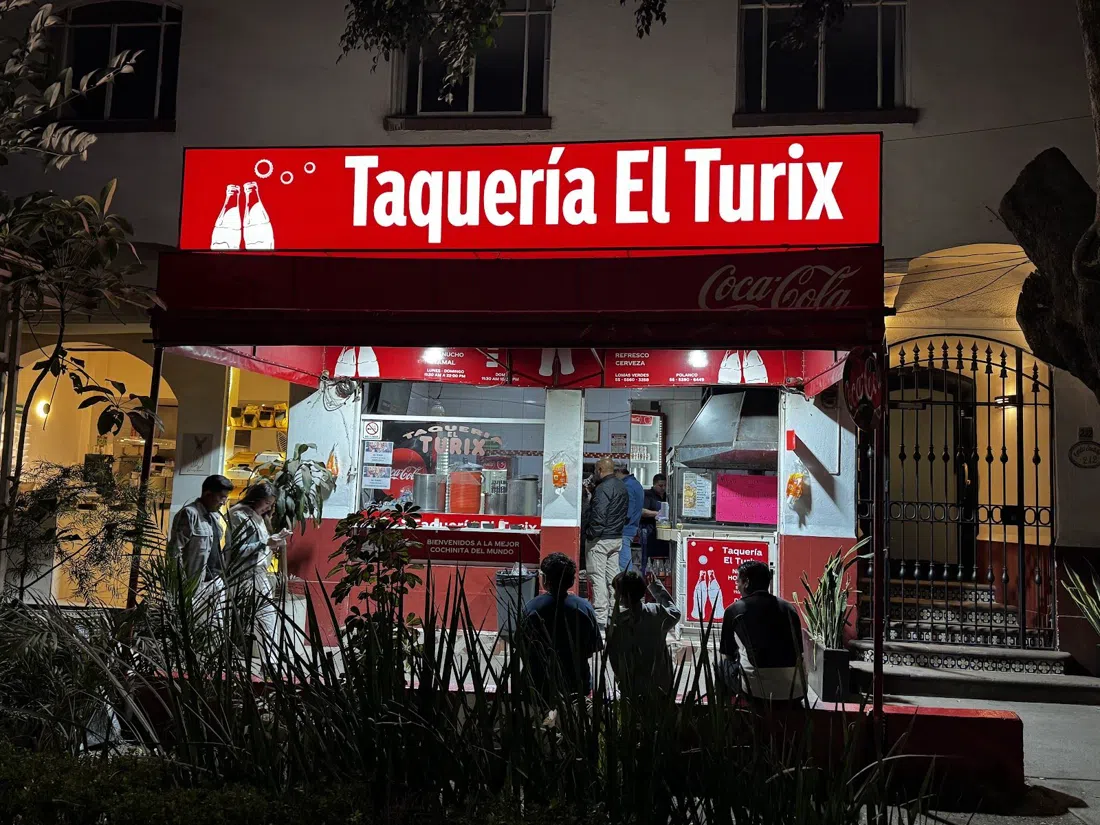
El Turix (Emilio Castelar) does one dish, cochinita pibil, from a tiny bare-tiled counter: a steel tray of orange achiote-stained pork, stacked tortillas and a tub of pink pickled onions. Tacos are $30. It is standing room only on the pavement, there are no reservations, and a tour group cannot be fed here. It shuts the moment the cochinita runs out, so go at the start of lunch.
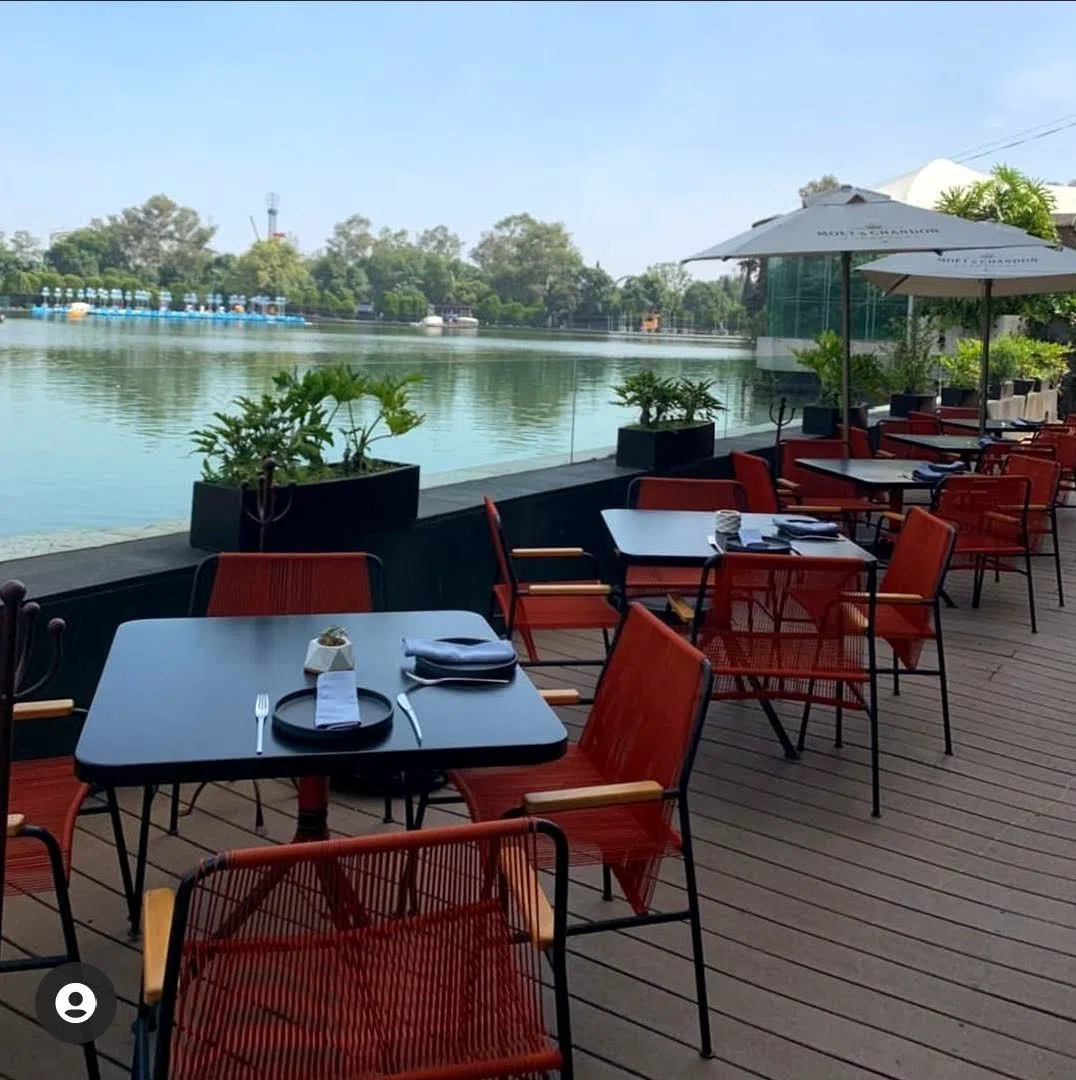
LagoAlgo (Lago Mayor, second section) is the one proper sit-down lunch inside the park, a 1960s modernist glass pavilion on stilts over the water with full-height windows and a lake-level terrace. A raw concrete gallery hall next door hangs contemporary shows and costs nothing to enter. The restaurant runs daily 08:30 to 19:00 and the gallery Wednesday to Sunday 10:00 to 18:00; mains are $300 to $600 ($$$). Reserve by website or phone, because weekend walk-ins rarely get a lake table.
Two more museums north of the park
Sala de Arte Público Siqueiros (Polanco) stands a few hundred metres from the museum's Gandhi-side exit, the muralist's own house-studio with mural panels on the façade. Small white rooms hold political murals, and a research archive keeps his working sketches. Entry is $35, free on Sundays and for under-12s, students, teachers and INAPAM holders, Tuesday to Sunday 11:00 to 17:00, with free guided tours Friday to Sunday at 13:00.
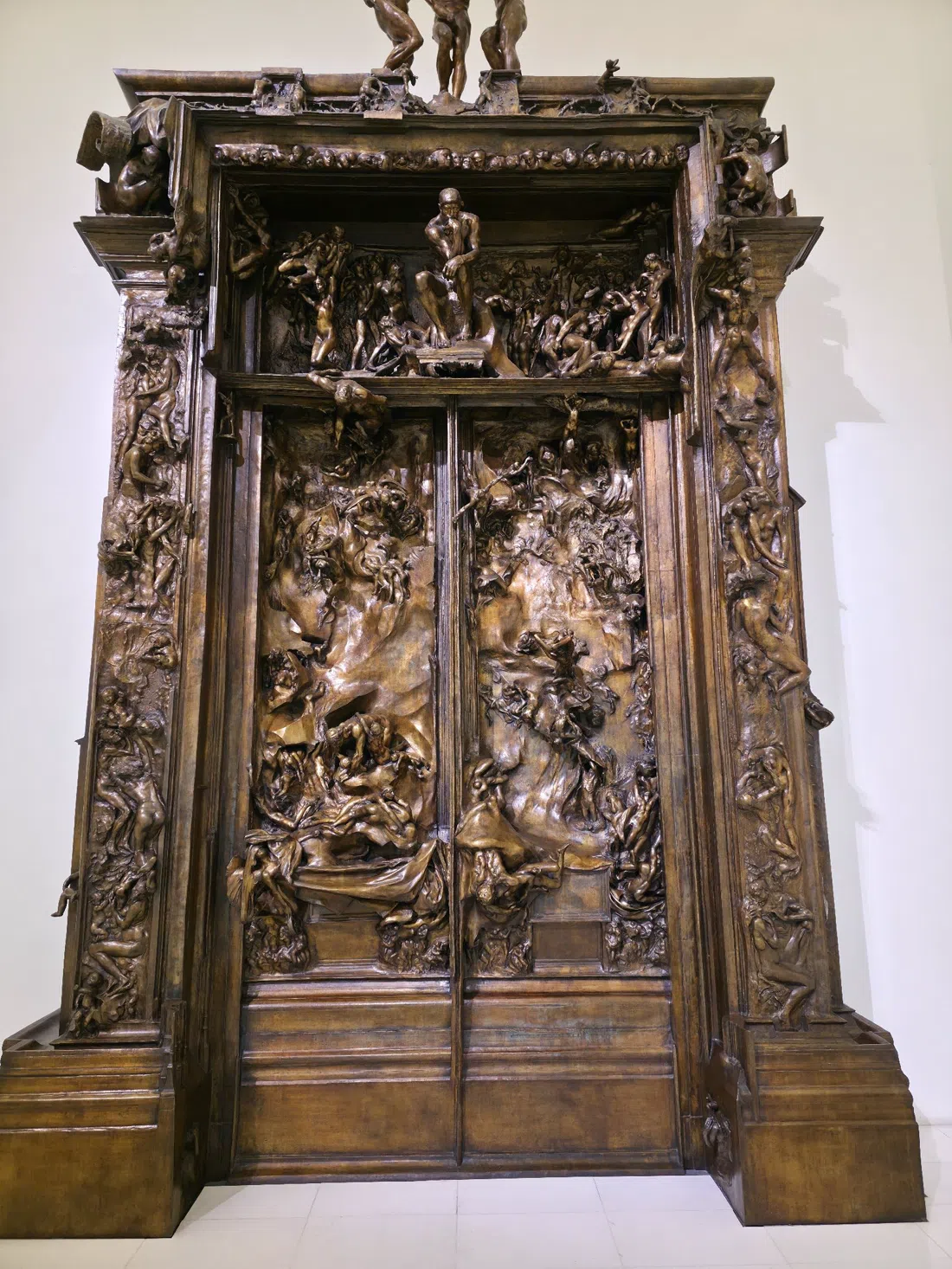
Museo Soumaya · Plaza Carso (Plaza Carso) is 25 minutes' walk north through Polanco, a windowless silver tower shaped like an anvil and clad in 16,000 hexagonal aluminium tiles. An internal ramp spirals up to a white top-floor hall of Rodin bronzes under a glass roof. Entry is free every open day with no ticket queue, Tuesday to Sunday 10:30 to 18:30.
Is the museum worth a morning
하루 오전 시간이 있고 테오티우아칸, 메시카, 마야 문명을 제대로 둘러보고 싶은 방문객에게 잘 맞아요. 산책에는 2~3시간 동안 걸어야 하며, 그 뒤에는 성으로 이어지는 경사로를 오르는 일정이 더해져요.
계획 참고 사항
월요일에는 박물관, 차풀테펙 성, Caracol, 레포르마의 미술관들, Los Pinos, 공원의 첫 번째 구역이 모두 문을 닫아요. Casa del Lago는 수요일부터 일요일까지만 문을 열어요. 가이드 박물관 투어와 LagoAlgo 식당은 미리 예약해 두세요. 그 밖의 곳은 모두 예약 없이 방문할 수 있어요. 자세한 내용은 멕시코 시티 가이드와 멕시코 시티 호텔 검색을 참고하세요.
Mexico City의 호텔

자주 묻는 질문
국립 인류학 박물관은 얼마나 시간을 잡아야 하나요?
전시실이 스물세 개나 되니 한 번의 관람으로는 다 보기 어려워요. 테오티우아칸, 메시카, 마야 전시실을 도는 가이드 코스는 2~3시간이 걸리며, 오전 한나절에 소장품의 핵심을 둘러볼 수 있어요.
입장료는 얼마이고, 누가 무료로 입장할 수 있나요?
입장료는 일반 $210, 멕시코인 및 거주자는 $105예요. 13세 미만 어린이, INAPAM 카드 소지자, 신분증을 지참한 학생과 교사는 무료로 입장해요. 비디오카메라 촬영 허가증은 $63예요.
박물관은 월요일에도 문을 여나요?
아니요. 화요일부터 일요일까지 09:00~18:00에 문을 열고, 월요일에는 닫아요. 박물관을 둘러싼 Bosque de Chapultepec의 첫 번째 구역도 월요일에는 문을 닫으니, 다른 요일로 산책 일정을 잡아 주세요.
가이드 투어는 미리 예약하는 게 좋을까요, 아니면 현장에서 가이드를 구하는 게 좋을까요?
INAH 공인 가이드가 로비에서 일하고 있어서 도착한 뒤에 바로 고용할 수 있어요. 미리 예약하면 입장 전에 관람 코스가 확정돼요. 가이드 투어는 화요일부터 일요일까지 주 6일 운영되며, 시즌은 2026년 10월 4일부터 2027년 9월 30일까지예요.
같은 날 박물관과 함께 들르기 좋은 곳은 어디인가요?
반나절 도보 코스에서는 차풀테펙 성이 가장 무난한 짝이에요. 같은 경사로에 자리한 Museo del Caracol의 입장료는 $80이에요. 본관 줄이 길다면 레포르마 대로 건너편 5분 거리의 Museo Tamayo나, 정문 앞에서 2분 거리의 Museo de Arte Moderno를 찾아가 보세요.
작성자
Inês Carvalho
The colonias the guidebooks skip
Inês moved from Lisbon to Mexico City eight years ago and spends her weekends among the canals of Xochimilco and the volcanic gardens of the Pedregal. She writes about overlooked neighbourhoods like Santa María la Ribera, home to its restored Moorish kiosk.