Cenobio de Valerón
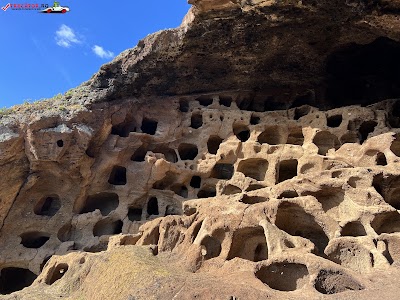
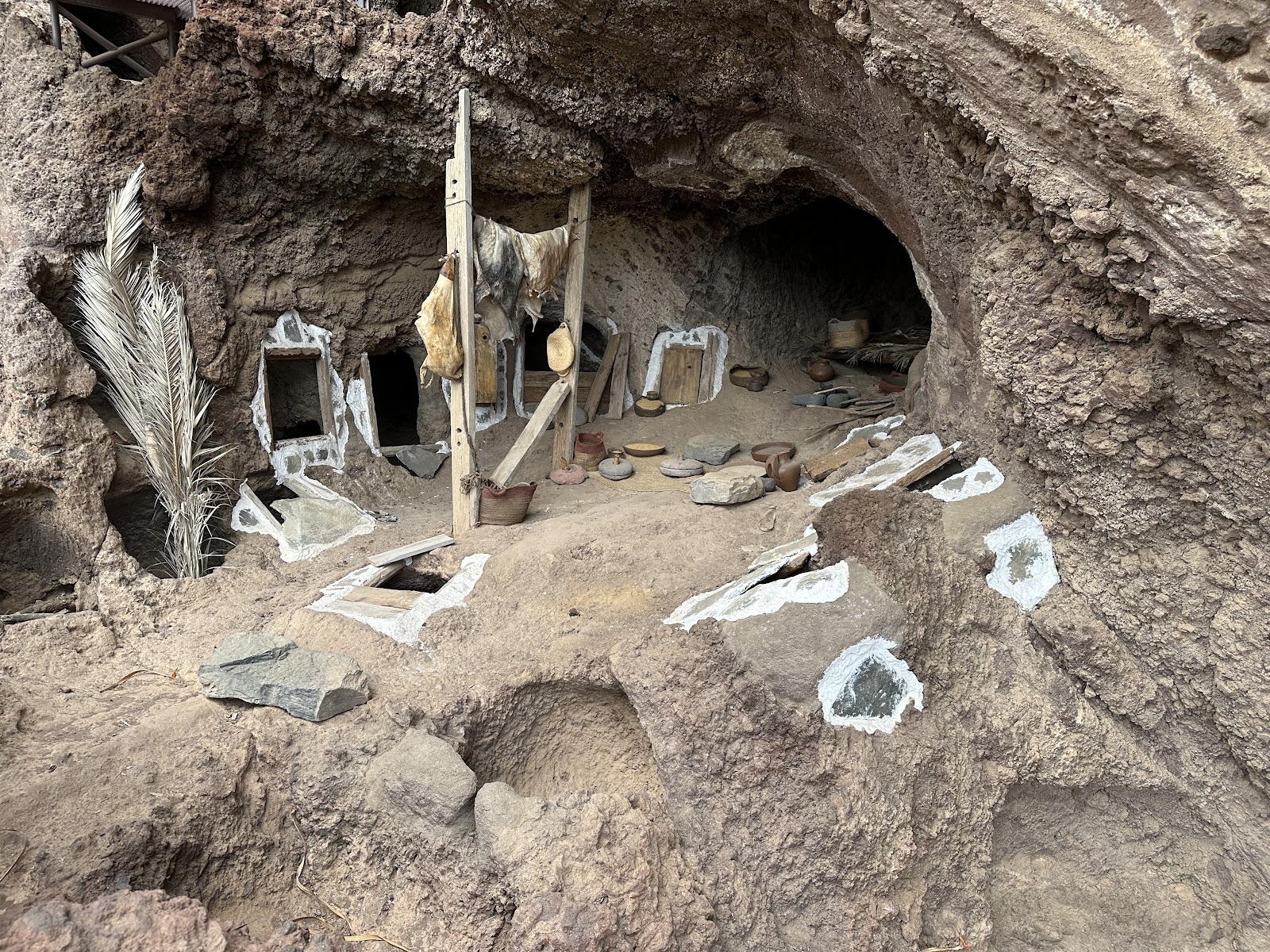
Een pre-Spaanse collectieve graanschuur, uitgehouwen in een rotswand, met bijna 300 afzonderlijke opslagruimtes, eeuwenlang door de Guanches gebruikt voor graanopslag vóór de verovering.
bescheiden entreeprijs; reken op 45 minuten tot een uur; soms beperkte toegang, check vooraf
Meer landmarks & architecture in Gran Canaria
Roque Nublo
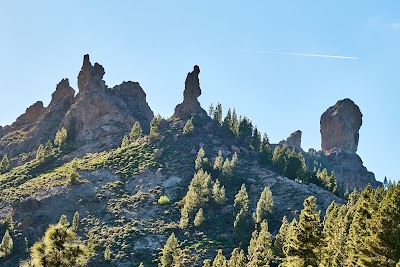
Een 80 meter hoge basaltmonoliet vlak bij het hoogste punt van het eiland, genoemd naar de wolken die de top vaak omhullen en zichtbaar vanaf een groot deel van de zuidelijke helft van het eiland.
Tip: het best bereikbaar via de startplaats La Goleta; een korte, gematigde wandeling naar het uitzichtpunt aan de voet; ga vroeg om zowel hitte als bewolking voor te zijn
Dunas de Maspalomas
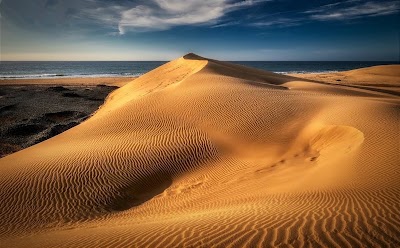
Een beschermd natuurreservaat met levende zandduinen, een palmenbos en een zoutwaterlagune, direct achter de resortstrook maar onder volledige milieubescherming.
Tip: vrij toegankelijk om te wandelen; blijf op de aangegeven paden, want buiten de paden lopen beschadigt het duinecosysteem en dat wordt ontmoedigd
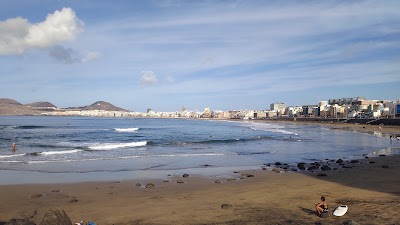
Playa de Las Canteras
Een stadsstrand van drie kilometer, over het grootste deel van de lengte beschermd door La Barra, een kalkstenen rif van meer dan 100.000 jaar oud dat het water rustig houdt, zodat je het hele jaar kunt zwemmen.
Tip: gratis en toegankelijk; het rifdeel is beter om te zwemmen, het noordelijke deel beter om te surfen
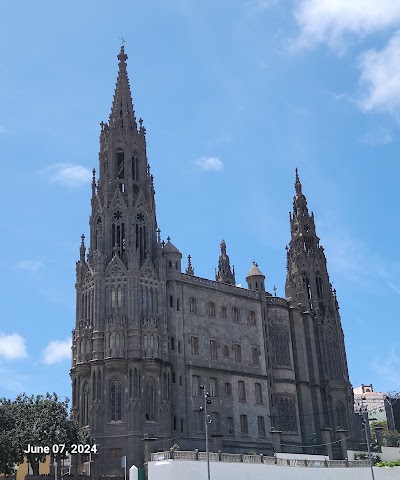
Church of San Juan Bautista (Arucas Cathedral)
Een neogotische basiliek van lokale vulkanische steen, in bijna zeven decennia gebouwd, het architectonische hoogtepunt van het rumproducerende noorden van het eiland.
Tip: gratis toegang; reken op 30 minuten; combineer het met een bezoek aan de nabijgelegen rumdistilleerderij Arehucas
Waar het is
Beoordelingen
Good morning! I highly recommend this place — it was an amazing experience with truly breathtaking views. The museum is very well designed, with the opportunity to see the life of the indigenous people of the island (although the exhibits cannot be touched). We would also like to thank the administrator, Andrey. He was very friendly, welcoming, and shared many valuable tips and interesting facts. It was also a very pleasant and unexpected surprise to learn that he is originally from Belarus, just like us. He is a true professional who inspires you to visit the museum again and continue learning about the history of the Canary Islands.
If you are interested in human history and how things begun in Gran Canaria, then you will enjoy this place located in the north of Gran Canaria. If you don't have a car, then with the bus and a 40min walk its also possible. The mountains and gorges all around are fantastic
Nice place to visit. You buy the tickets at the entrance and there is free parking. The entry fee is €3, or €2 if you are a student like me 😉. At the ticket office there is a very friendly guy who speaks loads of languages, even Polish.Long history here, but I won’t go into too much detail. This place is very old and important. It was used by the ancient people of Gran Canaria as a grain storage around 800 years ago. The caves were carved by hand into volcanic rock and there are more than 300 small chambers inside where they kept food safe. The car park is quite small, so depending on the time and the day, it can be hard to find a space. The visit itself takes about 30 minutes if you read all the information boards. I think it’s worth a stop if you are nearby.
The caves can be reached via an adventurous mountain road - as basicly all the places in Gran Canaria :). Parking is free, and tickets can be purchased at the entrance. It was very interesting to see this place and learn about its history, and how people used to live here in the past. It’s not a long visit (we spent about an hour here), but it’s definitely worth seeing.
Beoordelingen komen van Google. Bekijk de vermelding op Google Maps.