Kyoto International Manga Museum
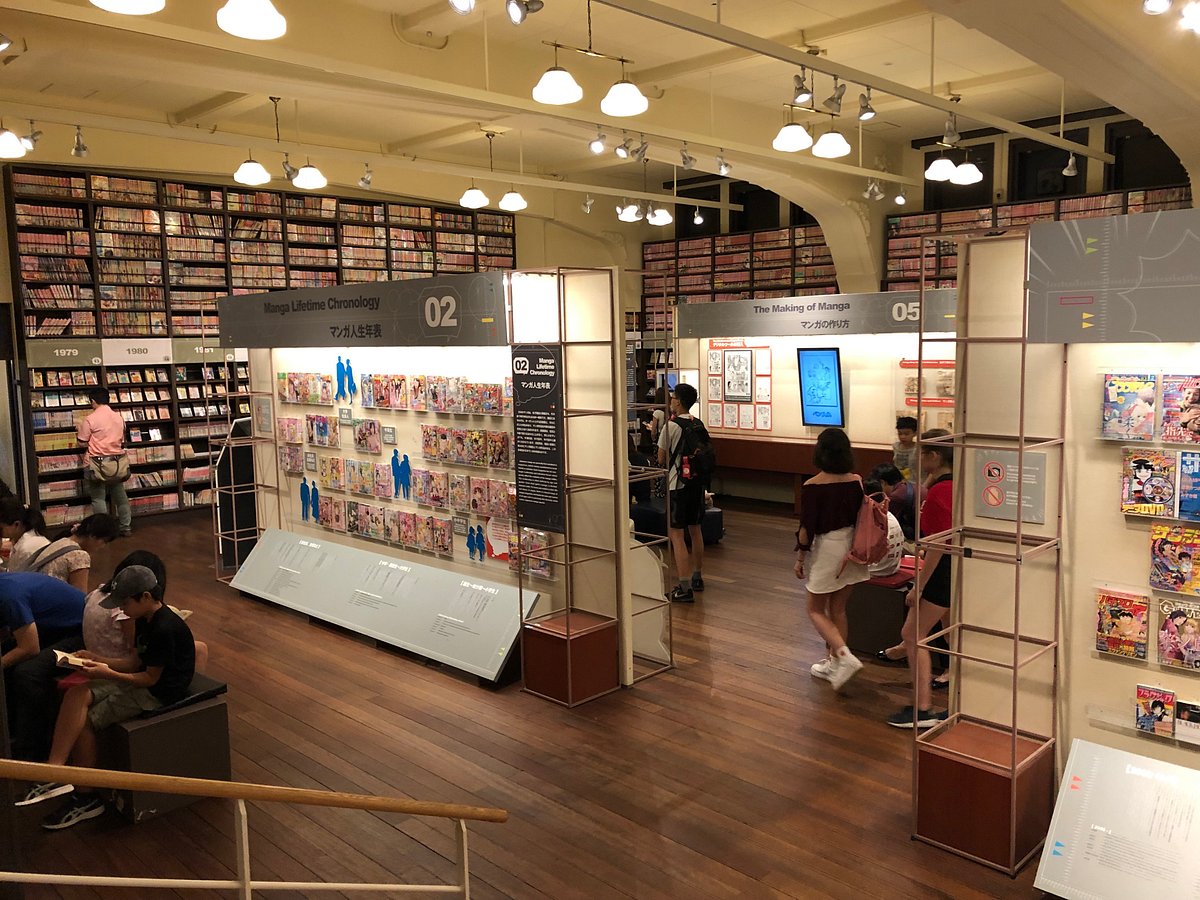
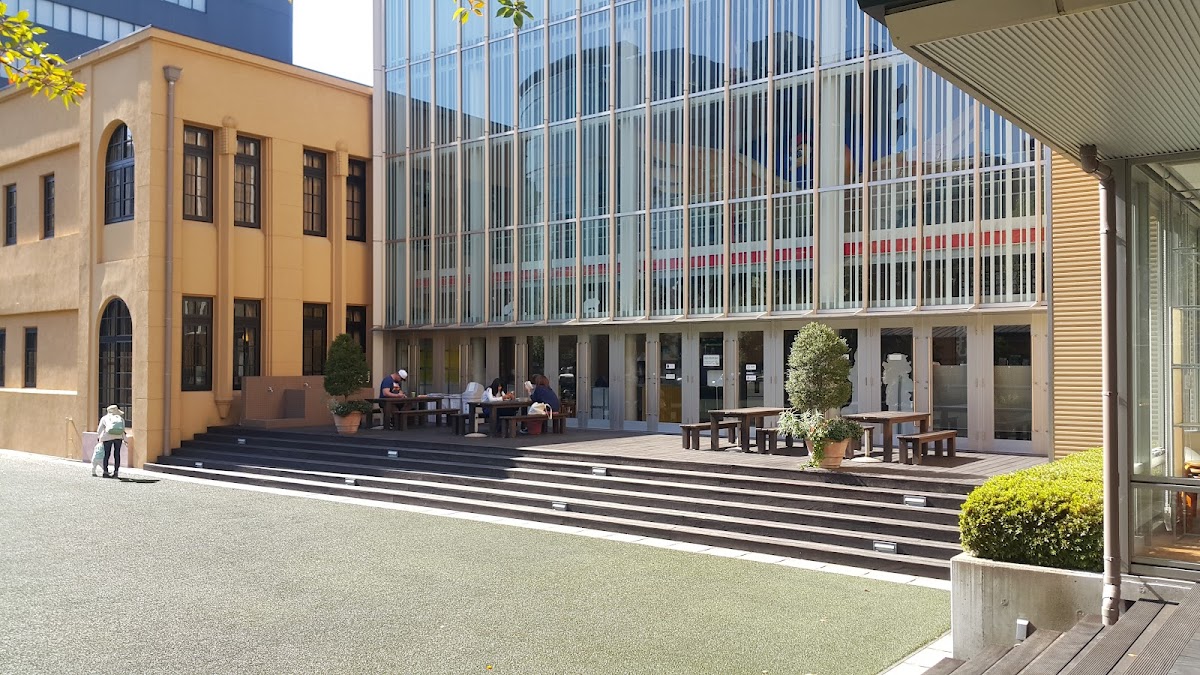
Dette museet ligger i en tidligere barneskole og har en enorm mangavegg som besøkende kan lese på de gresskledde plenene.
€; svært interaktivt; flott for en regnfull ettermiddag.
Mer i Karasuma
Yakiniku Hiro
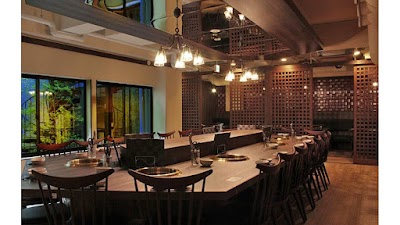
En svært pålitelig lokal kjede som tilbyr toppkutt av storfekjøtt for grilling over trekull ved bordet til rimelige priser.
Hva du bør bestille: Chateaubriand og assorterte wagyu-tallerkener
Honke Owariya
Denne tidligere konditoributikken har vært i drift siden 1465 og er Kyotos eldste restaurant, som serverer enestående bokhvete-soba-nudler.
Hva du bør bestille: Hourai Soba (Femdelt soba med assortert topping)
The Pocket Hotel Kyoto Shijo Karasuma
Tilbyr små, private kabinomliggende rom med høyteknologisk sikkerhet, og gir privatlivet til et hotell til en vandrerhjemspris.
Hvor det ligger
Omtaler
The Mog Champ sends his regards. It's a fun museum for manga lovers and lots of tourists definitely visit for their portraits done by artists here, unfortunately they fill out reservations very quickly as most people line up early for this. Assuming you'd have to line up at least an hour early for this. The rest of the museum was pretty good too, it's nice knowing the history of manga and all the things that you don't get to hear about online. They have a big selection of manga here for anyone to read as well. Thanks for the experience, team! Mogliest Regards, Your Mog Champ
I visited the Kyoto International Manga Museum with high expectations, but I left feeling that it was not quite what I imagined. If you are visiting Japan as a tourist and expecting a traditional museum experience with extensive exhibits, history, and interactive displays, you may find this place somewhat underwhelming. In my opinion, this is less of a museum and more of a large manga library. The collection is impressive, with thousands of manga available to browse and read. There are even some older and harder-to-find titles that you likely would not see at major bookstores in the United States, such as Barnes & Noble. For manga fans who simply want a quiet place to explore and read, it can be an enjoyable experience. However, the historical and educational content is fairly limited. There are a few exhibits about the history and development of manga, but not enough to make it feel like a true museum. I was expecting a deeper look into manga’s cultural impact and evolution in Japan. For comparison, I visited a planetarium near the aquarium in Okinawa, and although it is a completely different type of attraction, I found it larger, more engaging, and less expensive. That experience left a stronger impression on me. To be clear, I would not say this is a bad place. It is perfectly fine if your goal is to relax and read manga. But if you are a tourist visiting Japan and hoping for a “wow” experience or a must-see cultural attraction, I would lower your expectations. Personally, I do not feel that skipping this museum would cause you to miss a significant part of Japan’s history or culture.
This place is for people who want to understand the context of manga culture in japan. You learn about the history and evolution of manga and the culture developed around it. The socio-economic picture that brought manga to the forefront. There's a room which curated all the mangas from , I think, 1912 to 2004 or 05 chronologically and let's you read them (them angas are only in japanese here). They are placed in shelfs that are from floor to ceiling according to the year of first published. The collection is insane. Also showcases the evolution of Kyoto's Manga Museum archives.
Not really a Manga fan, but this place impressed me a lot. It's an old primarily school building and has some pretty interesting exposition on the history of the place itself. It greatly adds to the experience when you let it sink in and imagine the kids running in these halls not so long ago. There is also a quite interesting English exposition on the history of manga and the process of making it. Most of the library (nearly all but the entrance room) is in japanese, but it still fun to wander through the shelves, look at the pictures, compare the styles and how they evolved over time.
Omtalene er fra Google. Se oppføringen på Google Maps.