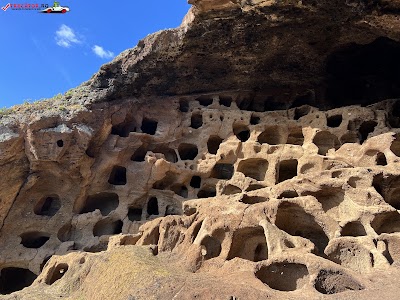
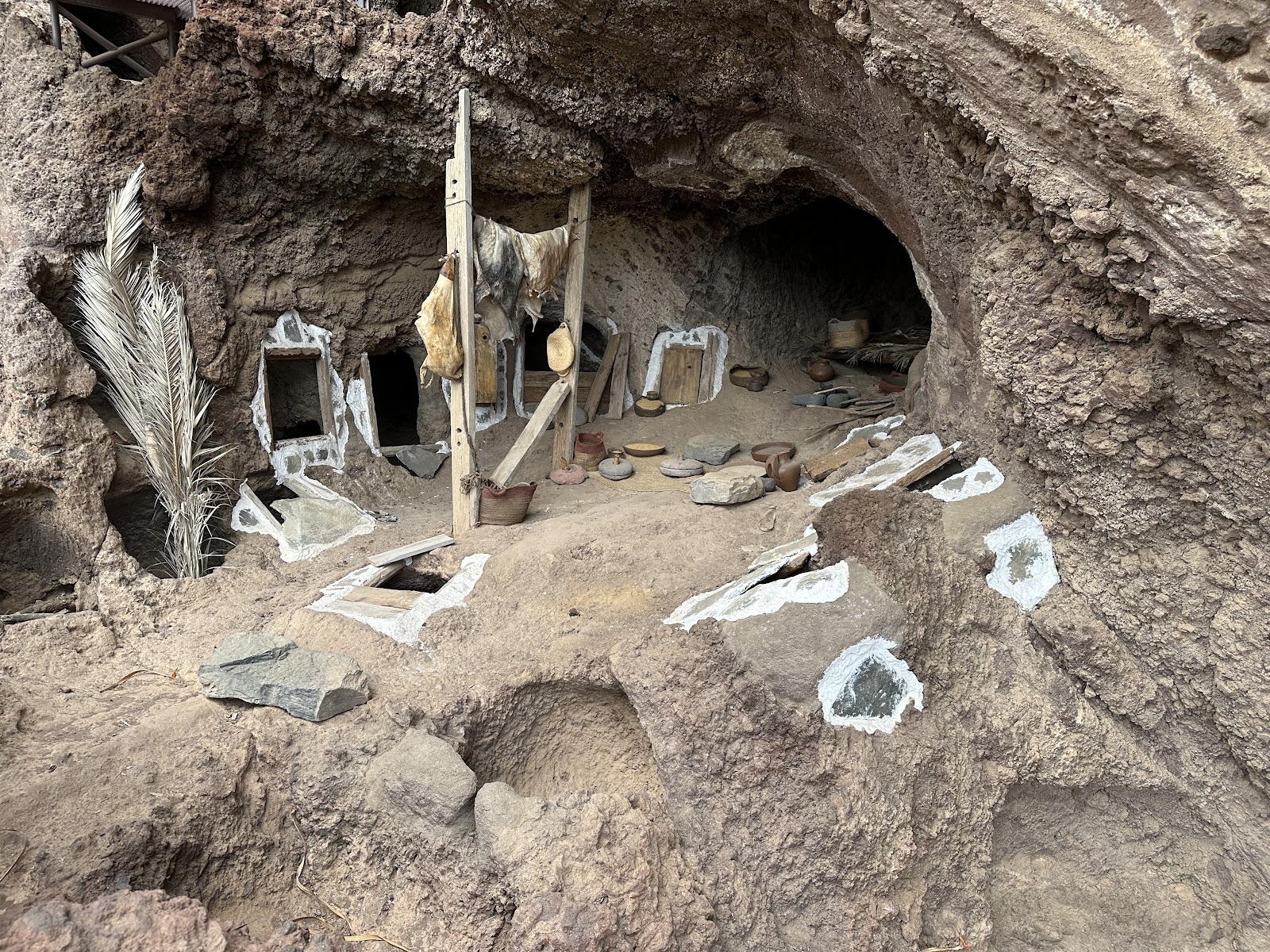
Cenobio de Valerón
Um celeiro coletivo pré-hispânico escavado em uma face de penhasco, com quase 300 câmaras individuais de armazenamento, construído e usado pelos guanches para guardar grãos durante séculos antes da conquista.
entrada com taxa modesta; reserve de 45 minutos a 1 hora; acesso limitado em alguns dias, consulte antes
Mais landmarks & architecture em Gran Canaria
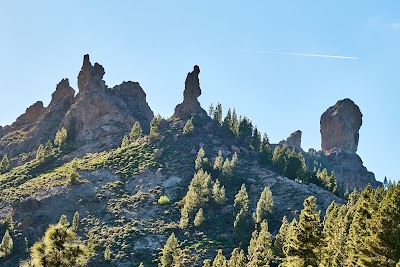
Roque Nublo
Um monólito de basalto de 80 metros perto do ponto mais alto da ilha, batizado em homenagem às nuvens que frequentemente envolvem seu cume e visível de grande parte da metade sul da ilha.
Dica: melhor acesso pela trilha de La Goleta; uma caminhada curta e moderada até o mirante da base; vá cedo para evitar o calor e a cobertura de nuvens
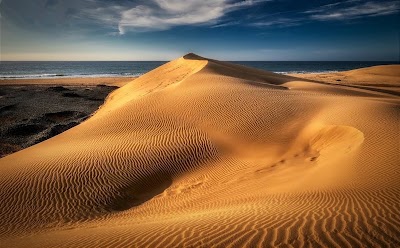
Dunas de Maspalomas
Uma reserva natural protegida que combina dunas de areia vivas, um palmeiral e uma lagoa de água salgada, logo atrás da faixa de resorts, mas sob total proteção ambiental.
Dica: caminhada livre; respeite as trilhas marcadas, pois sair do caminho danifica o ecossistema das dunas e é desencorajado
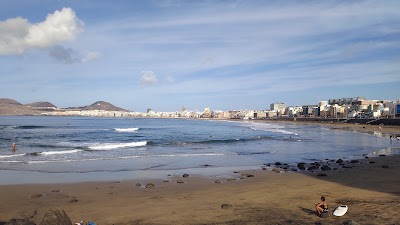
Playa de Las Canteras
Uma praia urbana de três quilômetros, protegida em quase toda a extensão por La Barra, um recife de calcário com mais de 100.000 anos que mantém a água calma o suficiente para nadar o ano todo.
Dica: gratuita e aberta; a extremidade do recife é melhor para nadar, a extremidade norte é melhor para surfe
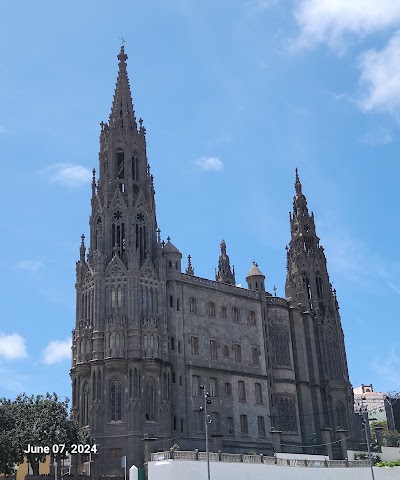
Church of San Juan Bautista (Arucas Cathedral)
Uma basílica neogótica construída com pedra vulcânica local ao longo de quase sete décadas, o centro arquitetônico do norte da ilha, onde se produz rum.
Dica: entrada gratuita; reserve 30 minutos; combine com uma visita à destilaria Arehucas, nas proximidades
Onde fica
Avaliações
Good morning! I highly recommend this place — it was an amazing experience with truly breathtaking views. The museum is very well designed, with the opportunity to see the life of the indigenous people of the island (although the exhibits cannot be touched). We would also like to thank the administrator, Andrey. He was very friendly, welcoming, and shared many valuable tips and interesting facts. It was also a very pleasant and unexpected surprise to learn that he is originally from Belarus, just like us. He is a true professional who inspires you to visit the museum again and continue learning about the history of the Canary Islands.
If you are interested in human history and how things begun in Gran Canaria, then you will enjoy this place located in the north of Gran Canaria. If you don't have a car, then with the bus and a 40min walk its also possible. The mountains and gorges all around are fantastic
Nice place to visit. You buy the tickets at the entrance and there is free parking. The entry fee is €3, or €2 if you are a student like me 😉. At the ticket office there is a very friendly guy who speaks loads of languages, even Polish.Long history here, but I won’t go into too much detail. This place is very old and important. It was used by the ancient people of Gran Canaria as a grain storage around 800 years ago. The caves were carved by hand into volcanic rock and there are more than 300 small chambers inside where they kept food safe. The car park is quite small, so depending on the time and the day, it can be hard to find a space. The visit itself takes about 30 minutes if you read all the information boards. I think it’s worth a stop if you are nearby.
The caves can be reached via an adventurous mountain road - as basicly all the places in Gran Canaria :). Parking is free, and tickets can be purchased at the entrance. It was very interesting to see this place and learn about its history, and how people used to live here in the past. It’s not a long visit (we spent about an hour here), but it’s definitely worth seeing.
As avaliações são do Google. Ver a ficha no Google Maps.