Beaty Biodiversity Museum
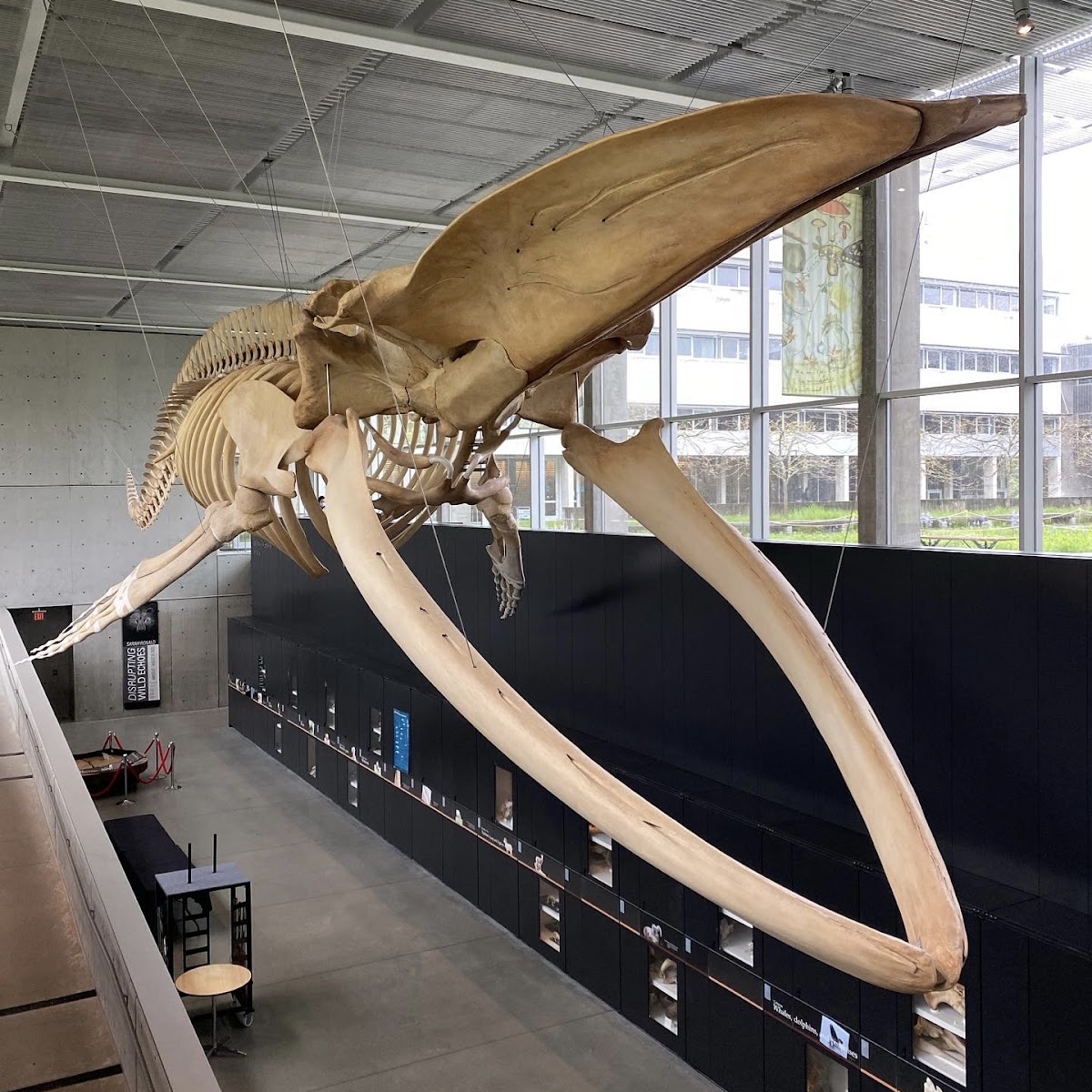
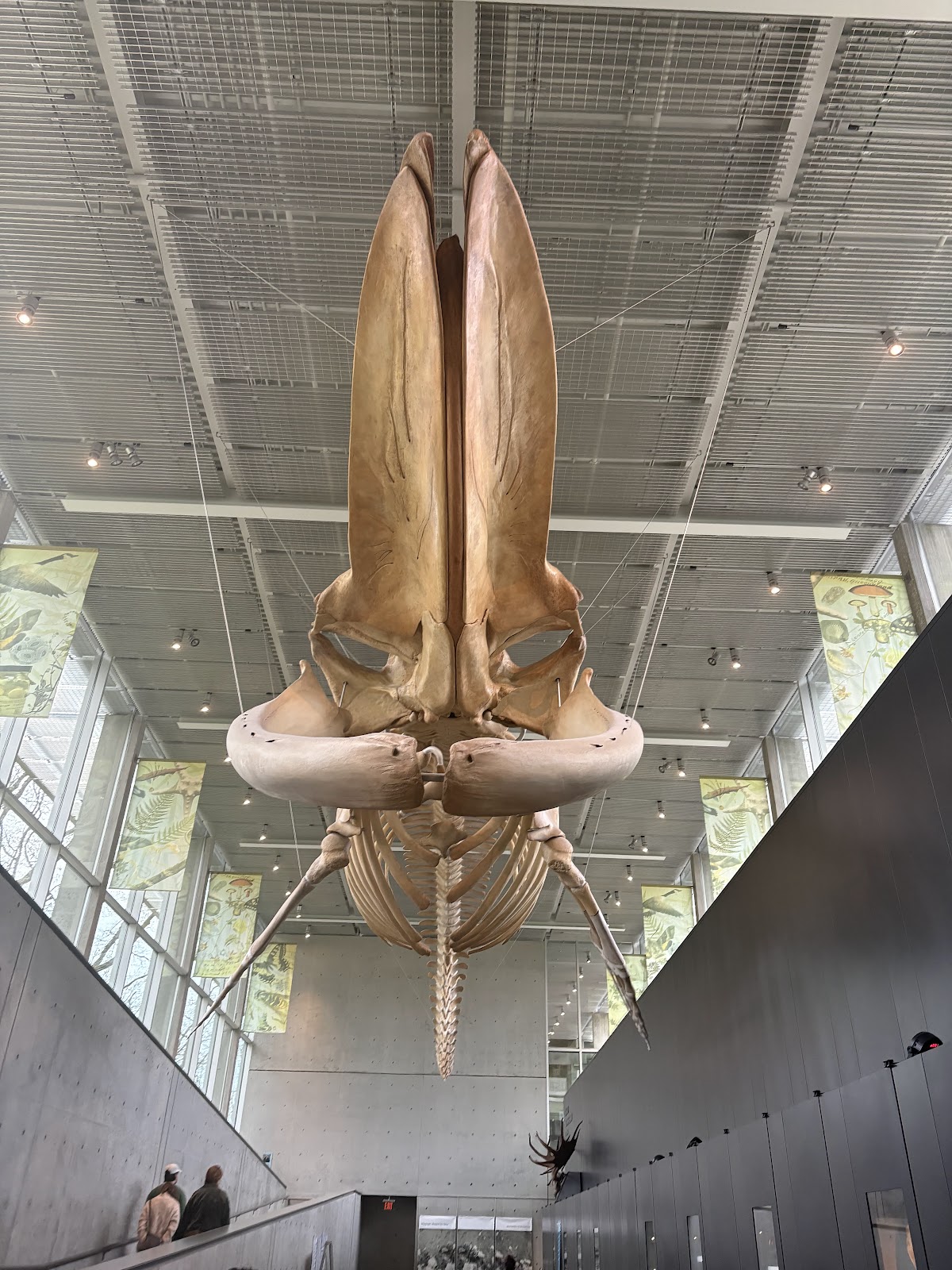
Apresenta mais de dois milhões de espécimes de história natural, dominados por um enorme esqueleto de baleia azul suspenso do teto.
Localizado no campus universitário; tranquilo e altamente educativo.
Mais museums em Vancouver
Museum of Anthropology (MOA)
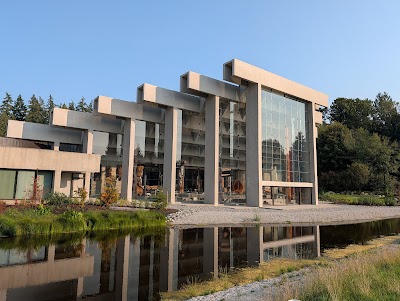
Abriga uma coleção mundialmente famosa de esculturas, totens e arte contemporânea das Primeiras Nações da Costa Noroeste, em um edifício espetacular projetado por Arthur Erickson.
Dica: Localizado no campus da UBC; reserve pelo menos meio dia, incluindo o tempo de deslocamento do centro.
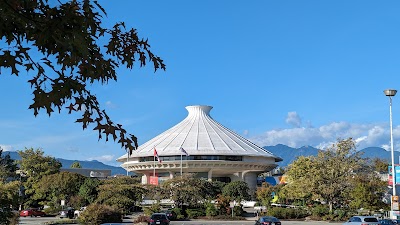
Museum of Vancouver
Explora a história social da cidade, do início dos anos 1900 até os dias atuais, por meio de exposições criativas e com foco retrô.
Dica: Localizado no Vanier Park, pode ser combinado facilmente com o Museu Marítimo.
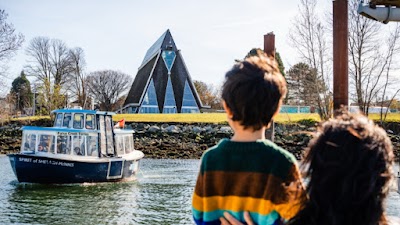
Vancouver Maritime Museum
Apresenta o histórico St. Roch, o primeiro navio a atravessar a Passagem do Noroeste de oeste para leste.
Dica: Ótimo para famílias e entusiastas de história marítima; leva cerca de duas horas.
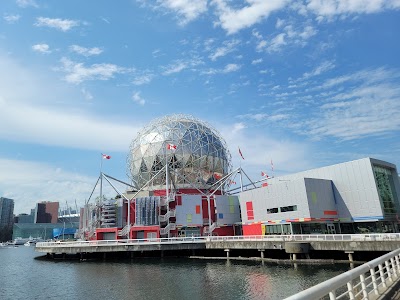
Science World
Instalado no icônico domo geodésico construído para a Expo 86, com galerias de ciência interativas e um teatro OMNIMAX.
Dica: Muito adequado para famílias; melhor visitar nas tardes de dias úteis para evitar grupos escolares.
Onde fica
Avaliações
I recently visited the Beaty Biodiversity Museum and really enjoyed the experience. The museum is unique, fascinating, and full of interesting information. There was so much to look at, read, and explore, which made the visit both fun and educational for adults and kids alike. My favorite part was the entrance with the incredible whale skeleton, it was absolutely amazing how big and real it is. The only downside was the experience at the ticket desk. The staff member we spoke with came across as rude and a bit condescending when we were asking questions, which wasn’t the best start to the visit. Thankfully, the museum itself more than made up for it. Overall, I would still highly recommend visiting if you enjoy nature, science, and learning something new.
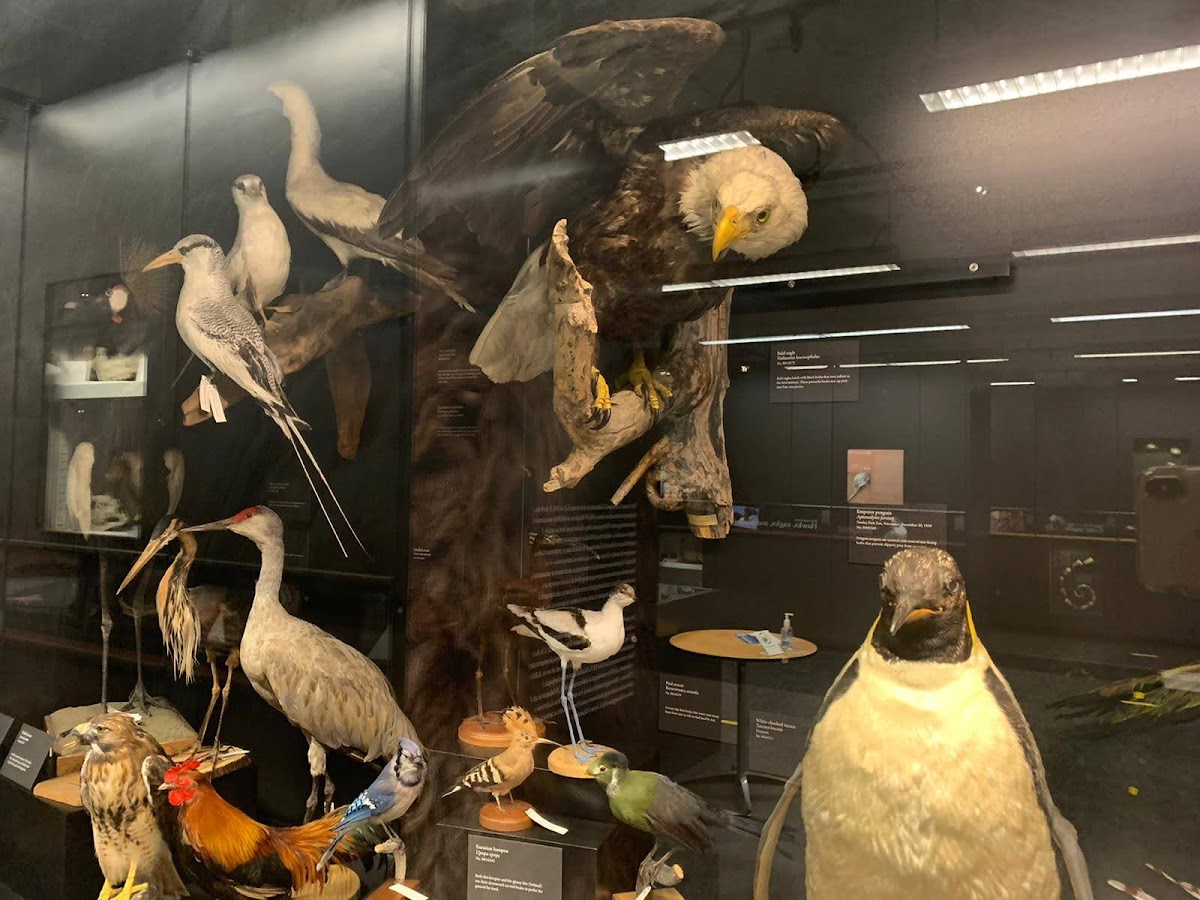
An amazing experience! Although it was mostly rows of specemin cabinets, there were plenty of glass cabinets to look into, and lots of larger specimens on display. The drawers in the open areas can be opened, with lots of cool animal facts and preservation procedures. Most of my photos are from the mammal area, but there's entire sections on plants, coral, and invertebrates as well. Most of the skeletons were in the entrance area. My only wish is for a seated area for life drawing but that's a really niche request.
Went with a friend to do the Tourism Challenge. Never been before, saw and learned so much here. Shoutout to Astrid, Charlie and Karl for making our experience memorable!
It’s a fascinating and unique place. Some people joke that it feels like a giant cemetery - a bit dark, but not entirely wrong. Many of the animal and plant specimens have been here for decades. Each specimen feels like a teacher, quietly sharing the story of nature. They’re not just displays; they form the foundation for research and inspire both children and adults to appreciate biology. What I especially value is how the museum explains the process of collecting, cataloguing, and preserving specimens, while also serving as the actual storage site. I hope visitors leave with a deeper respect for nature.
As avaliações são do Google. Ver a ficha no Google Maps.