One Pillar Pagoda
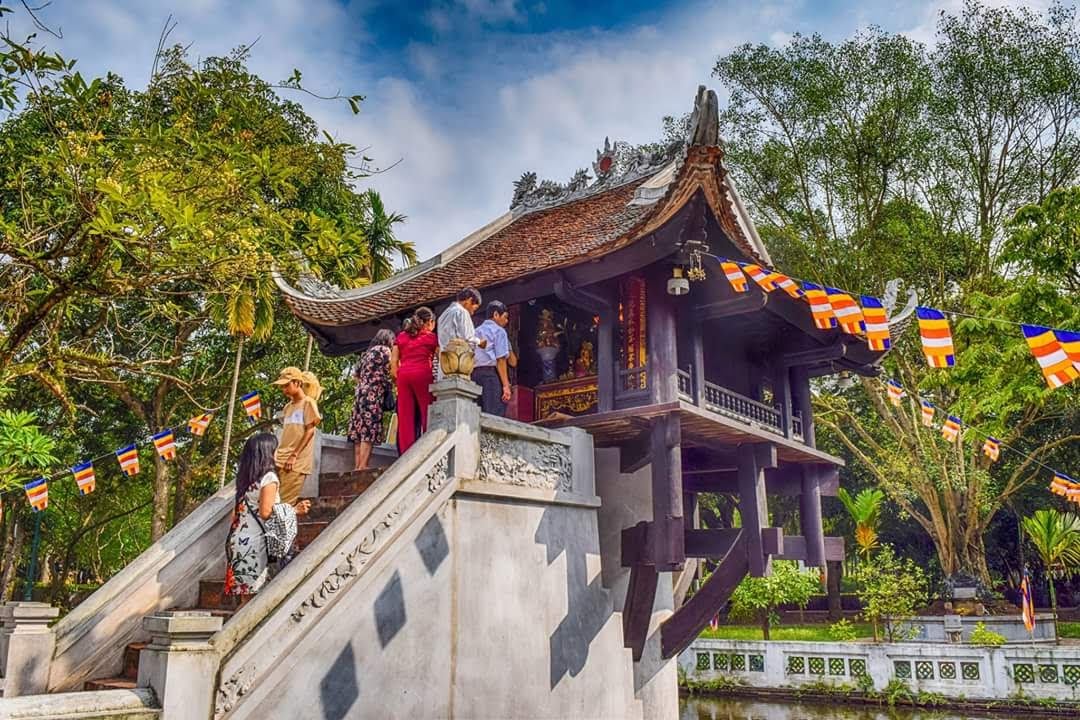
一座标志性的 11 世纪佛教寺庙,建在单根石柱上,设计成莲花从水中绽放的样子。
免费;位于胡志明陵墓建筑群内。
巴亭郡的更多地点
Ho Chi Minh Mausoleum
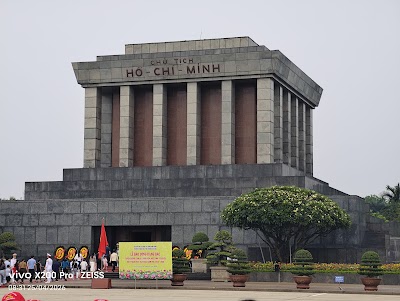
一座宏伟的粗野主义花岗岩建筑,安放着国家开国领袖的遗体。
提示: 免费入场;需遵守严格着装要求(禁止短裤或露肩)和绝对安静。
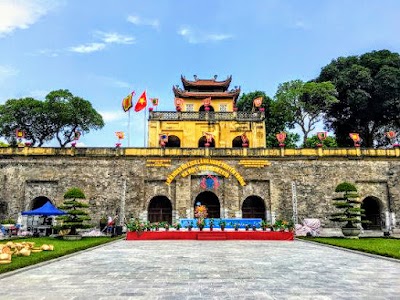
Imperial Citadel of Thang Long
联合国教科文组织世界遗产,曾连续十三个世纪作为地区政治中心。
提示: €;不要错过战时使用的地下军事掩体。
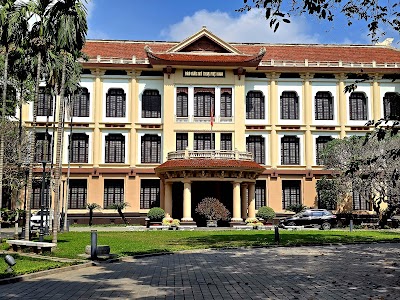
Vietnam National Museum of Fine Arts
收藏全国首屈一指的古代佛教雕塑、革命宣传艺术和惊艳的现代漆画。
提示: €;坐落于宏伟的法式殖民建筑内。
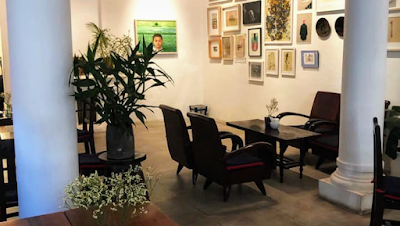
Manzi Art Space
一个安静、独立的艺术空间和咖啡馆,设在一座翻新的法式别墅中,展示城市最有前途的当代艺术家作品。
提示: 免费入场;提供优质咖啡和出售原创版画的小店。
位置
点评
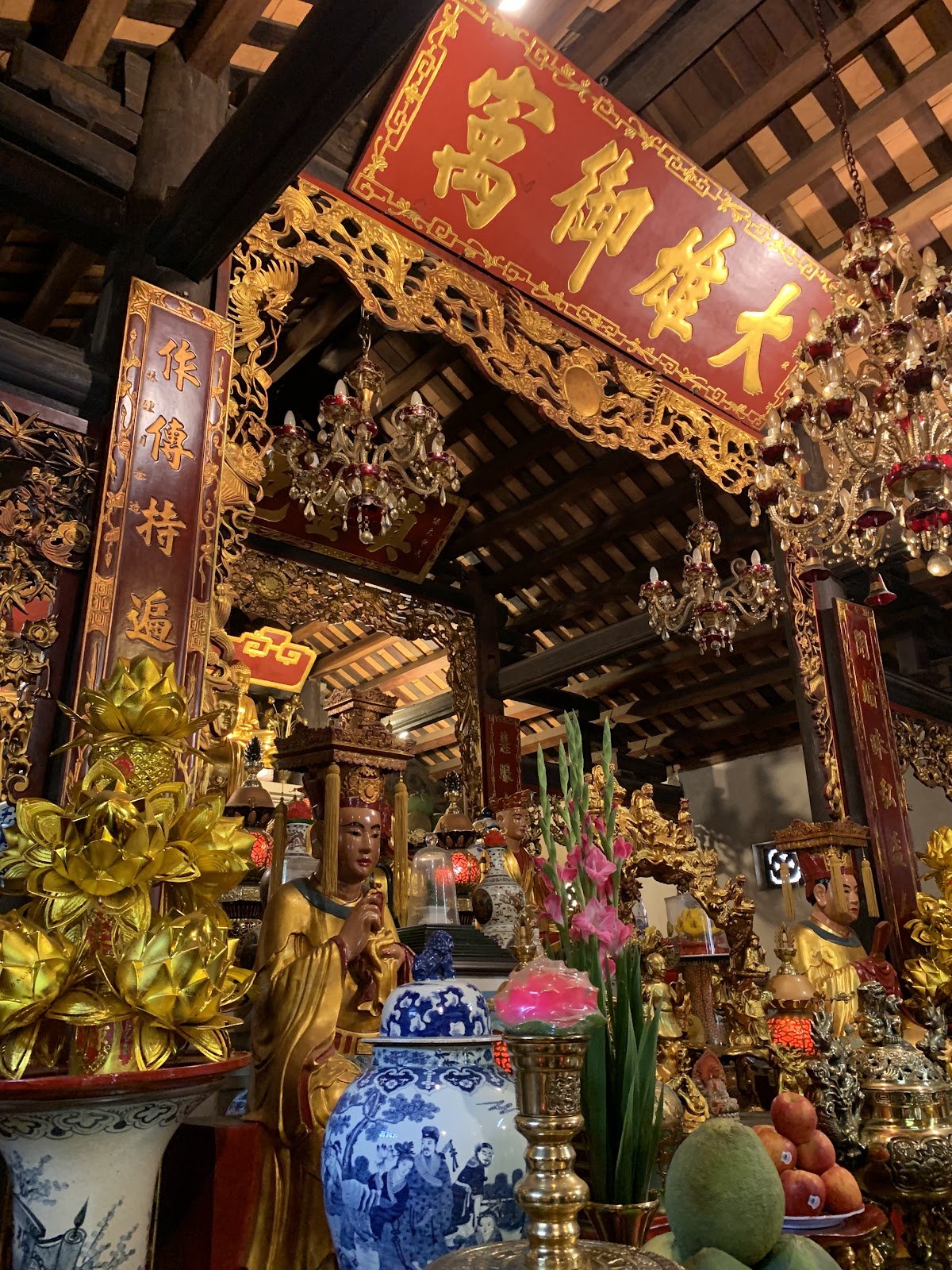
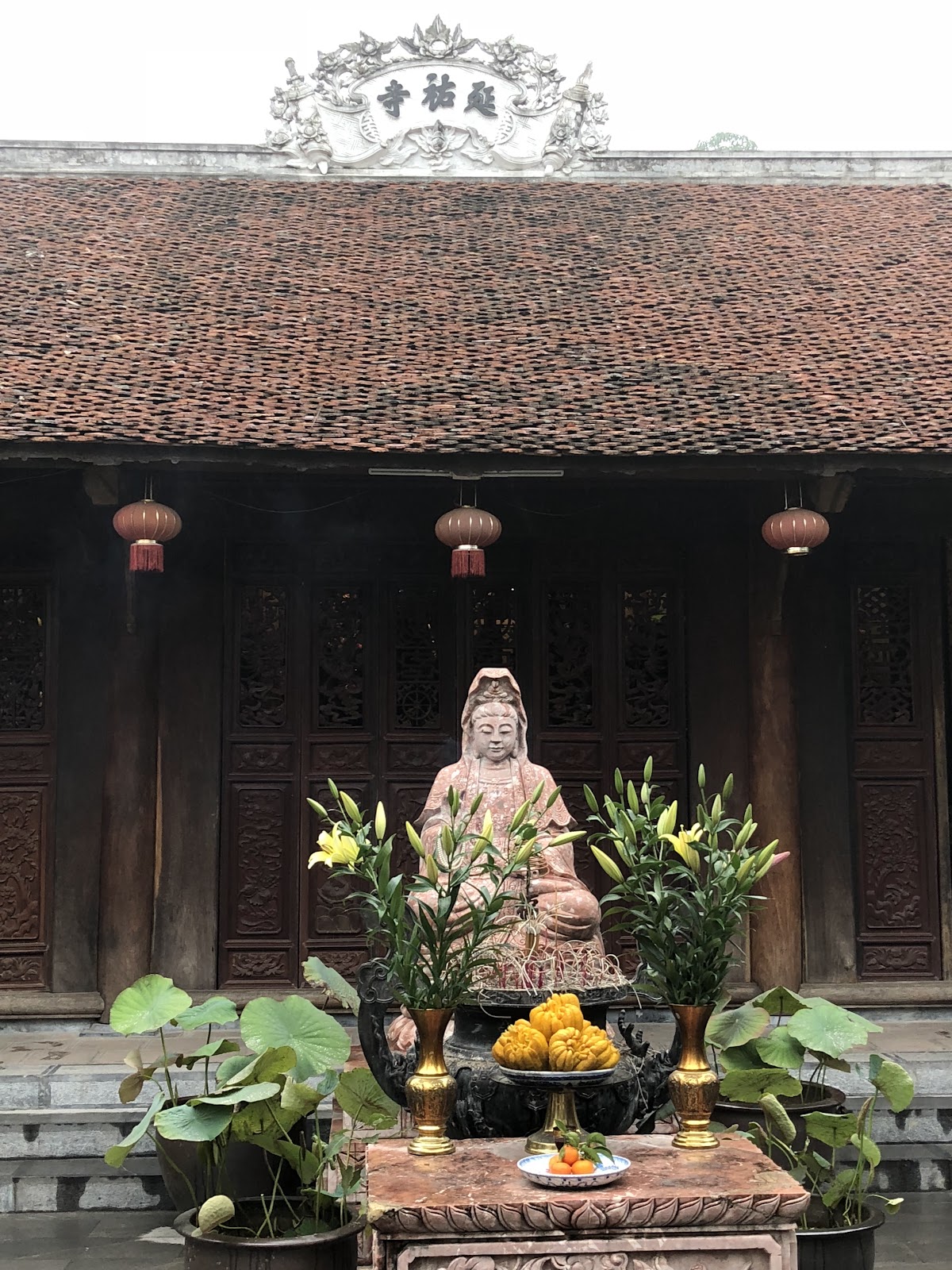
Located just a few steps from the Ho Chi Minh Mausoleum and the Ho Chi Minh Museum, One Pillar Pagoda (Chua Mot Cot) is a small structure with an enormous soul. Despite its modest size, the pagoda carries nearly a thousand years of history and remains one of the most recognizable symbols of Hanoi. Standing before it, I felt how deeply Vietnamese culture blends spirituality, architecture, and everyday life. Built in the 11th century during the Ly Dynasty, the pagoda was designed to resemble a lotus rising from the water—an image of purity and compassion in Buddhism. The single stone pillar supporting the wooden sanctuary looks delicate yet strong, much like the spirit of the nation itself. Reading the story of King Ly Thai Tong, who ordered the construction after dreaming of the Goddess of Mercy, helped me understand why this place has been cherished for generations. What touched me most was the peaceful atmosphere. Although surrounded by busy streets and important national monuments, the pagoda keeps its quiet rhythm. Elderly locals came to pray, young visitors carefully lit incense, and tourists whispered as if afraid to disturb the sacred space. The scent of flowers and the gentle sound of bells created a moment of calm in the heart of the capital. Its location makes the experience even more meaningful. After visiting the Mausoleum and the Ho Chi Minh Museum, coming to One Pillar Pagoda feels like returning to the spiritual roots that shaped Vietnamese identity long before modern history. The contrast between the grand political sites and this humble Buddhist temple shows how tradition and national pride coexist side by side. For anyone exploring Hanoi, this is not just a photo stop but a lesson in cultural continuity. One Pillar Pagoda reminds us that Vietnam’s strength comes from both historical resilience and deep respect for faith and heritage. A brief visit here leaves a lasting impression of serenity, gratitude, and connection to the past.
Visited the One Pillar Pagoda and it’s definitely a must-visit place if you want to truly experience and understand the cultural and historical essence of the spot. The entire area is surrounded by lush greenery, making it very peaceful and refreshing—check out the photos I’ve posted, they capture the vibe really well. As expected, the architecture is absolutely stunning. Simple yet meaningful, and you can feel the history behind it. What stood out the most during my visit was the way people were praying. It was so calm, graceful, and deeply spiritual—it honestly felt beautiful to just stand there and observe. The surroundings are also quite convenient, with plenty of good food and drink options nearby, so you can relax and spend some quality time after exploring. Overall, a serene and culturally rich place—highly recommended for anyone visiting. Definitely worth your time!