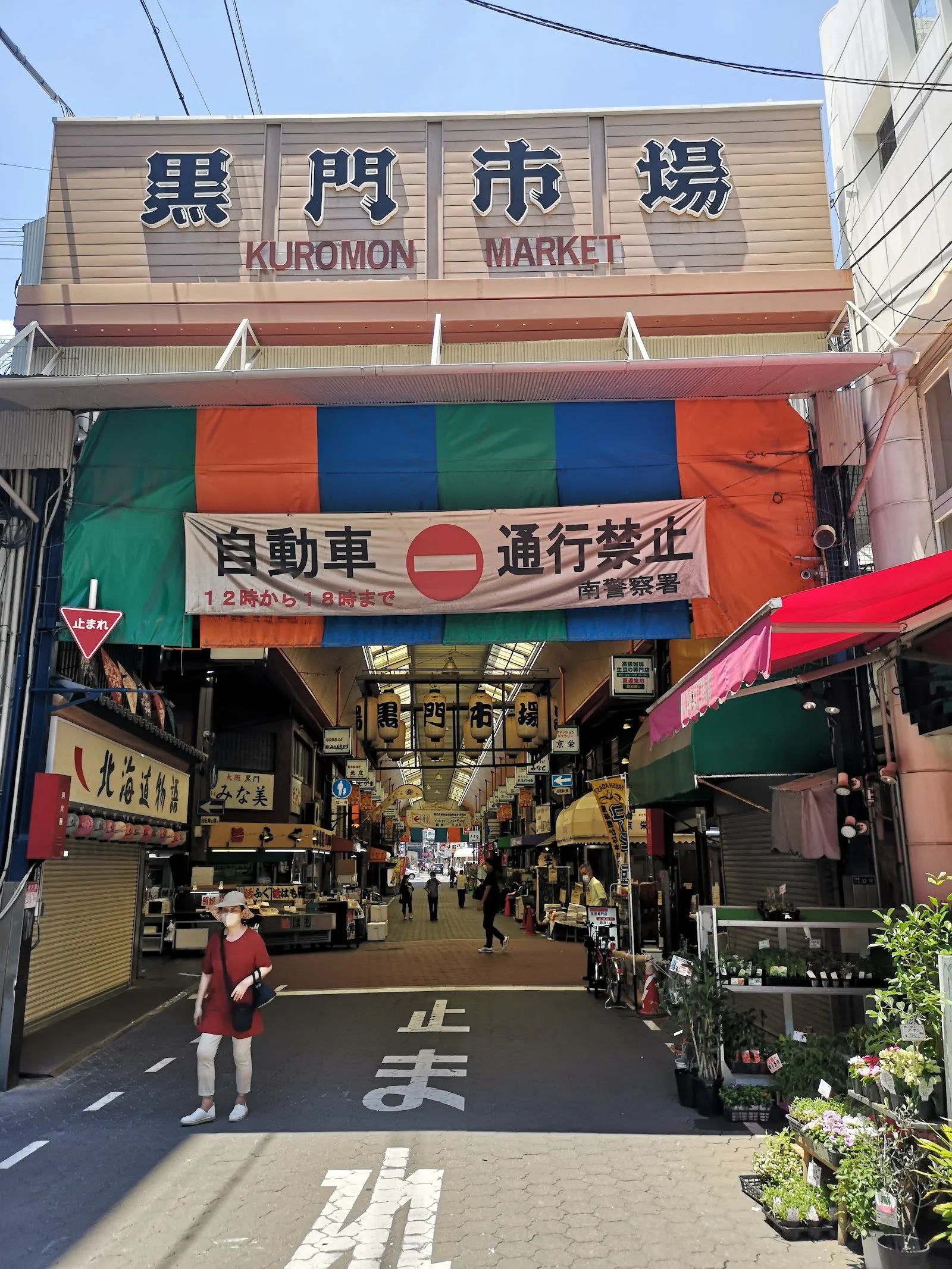
Kuromon Ichiba Market trades 150 stalls along 580m of covered arcade in Nipponbashi, and its seafood is freshest between 09:00 and 11:00. Many stalls pack up between 15:00 and 16:00, and five minutes' walk south the shops of Den-Den Town do not open until 11:00.
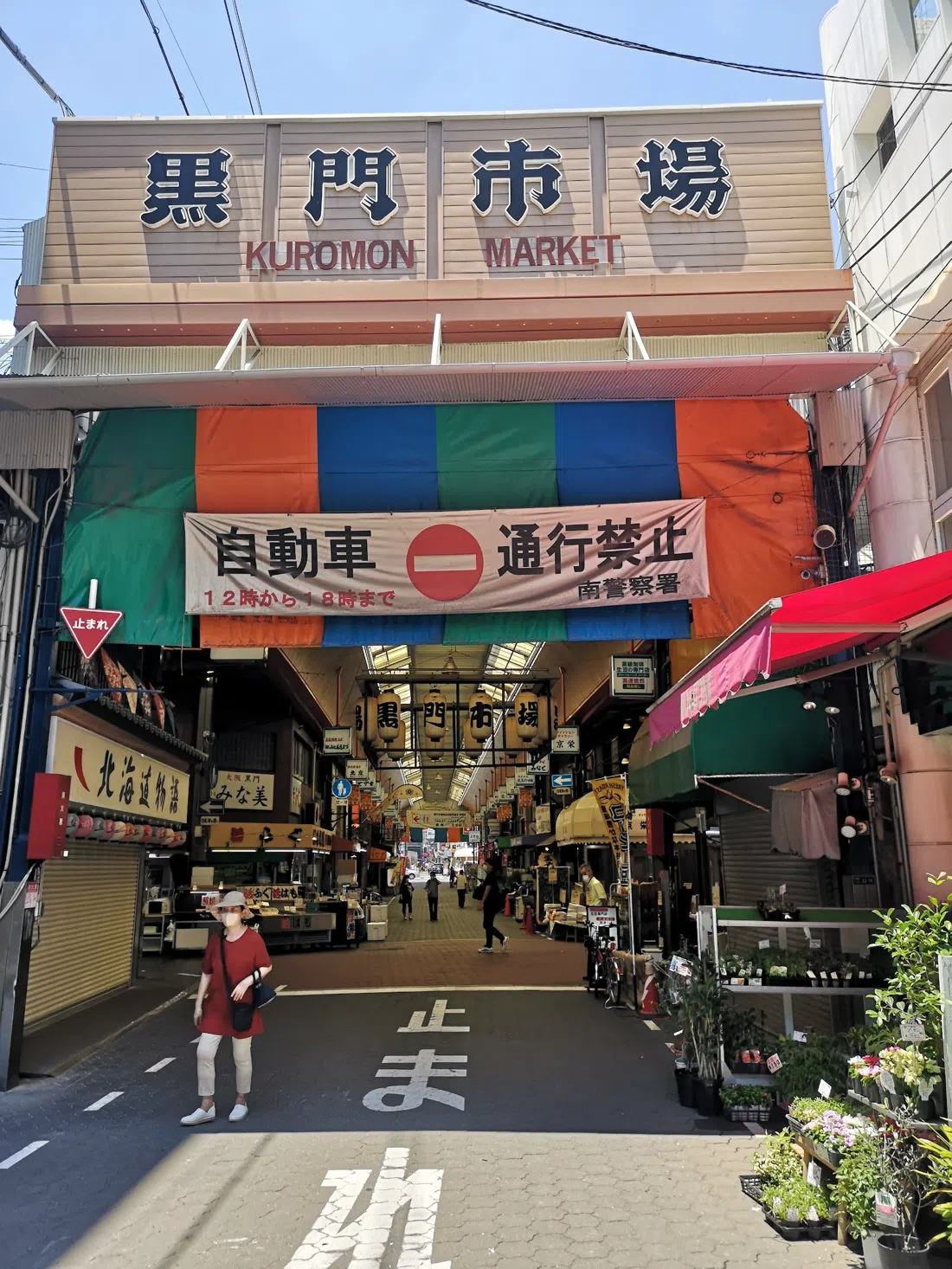
Kuromon Ichiba Market at opening
The canopy over the market is ribbed in yellow and black, with red-and-white shop banners hanging the length of it. Whole tuna, scallops and crab legs lie on trays of ice, crab going onto counter griddles as you pass, and most people eat standing at the stall ledges. Osaka calls this its kitchen, and the market trades 09:00 to 18:00 daily. Walking in costs nothing, and most snacks run ¥300 to ¥1,500 a plate.
Come in the morning, and split a group into pairs, because the aisles are tight. Guided market food tours run daily with small groups.
Maguroya Kurogin Kuromon Main Shop, in the market, cuts bluefin loins down behind a glass case, deep red akami beside pale marbled otoro. Order the three-colour bowl and compare the cuts across one plate. Bowls and sushi sets are ¥1,200 to ¥3,500, handed over a wooden counter with a few stools jammed against the aisle. The shop keeps 09:00 to 21:00, closes when it sells out and takes irregular rest days. Go early, because the good cuts go before mid-afternoon.
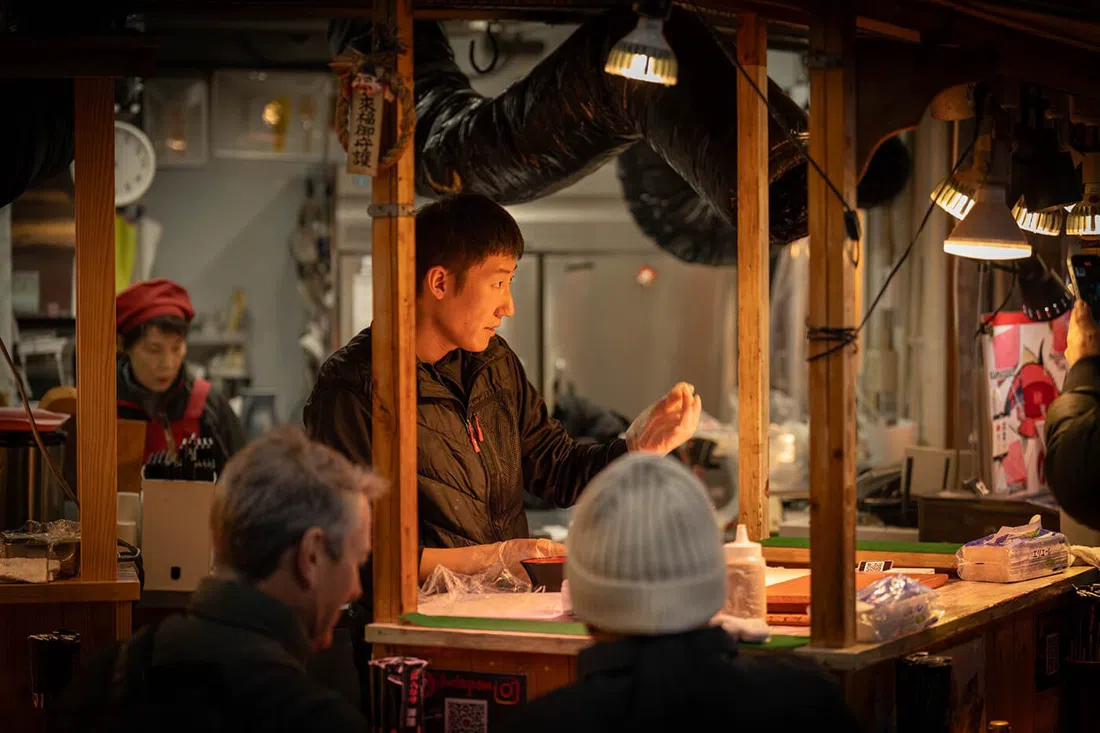
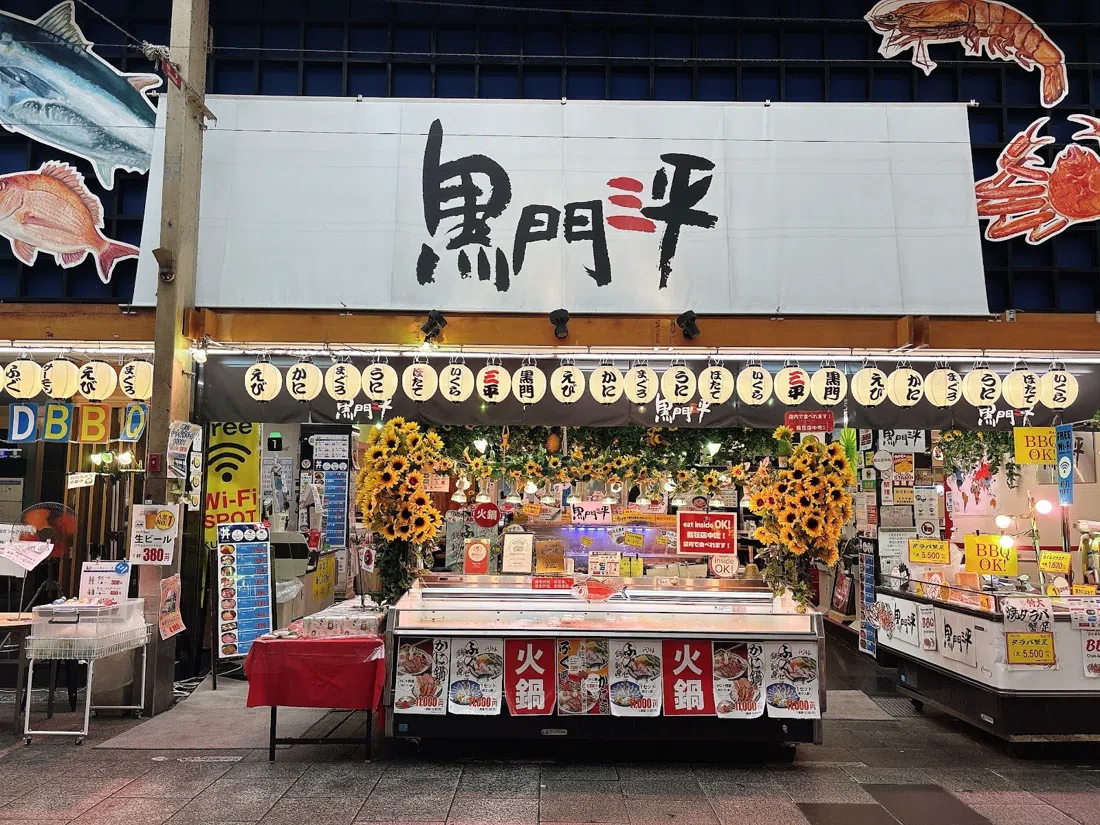
Kuromon Sanpei, a few doors into the same arcade, opens from 08:00 and sets out ice beds of sea urchin, scallops and live crab at the front. Pick your crab, prawn or shellfish, watch it go onto the charcoal grill that throws smoke into the arcade, then carry it through to a plain back room of wooden tables, where the same fish also arrives as a seafood rice bowl. Skewers and grills start at ¥500 and bowls are ¥1,500 to ¥3,000. The dine-in area takes no reservations and fills at lunch, so arrive before the peak.
Doguyasuji and the takoyaki corner
A short walk west of Kuromon towards Namba, Sennichimae Doguyasuji Shopping Street runs 150m under cover, its entrance marked by a giant takoyaki-griddle sign. Shops stand stacked floor to ceiling with carbon-steel knives, bamboo steamers, cast-iron pots and glossy plastic food models. This is where the city's chefs buy their gear, and it is the best souvenir shopping in the area. Knives start at ¥3,000 and the street itself is free to walk.
在市场里,哪里可以坐下来吃饭,而不必站着?
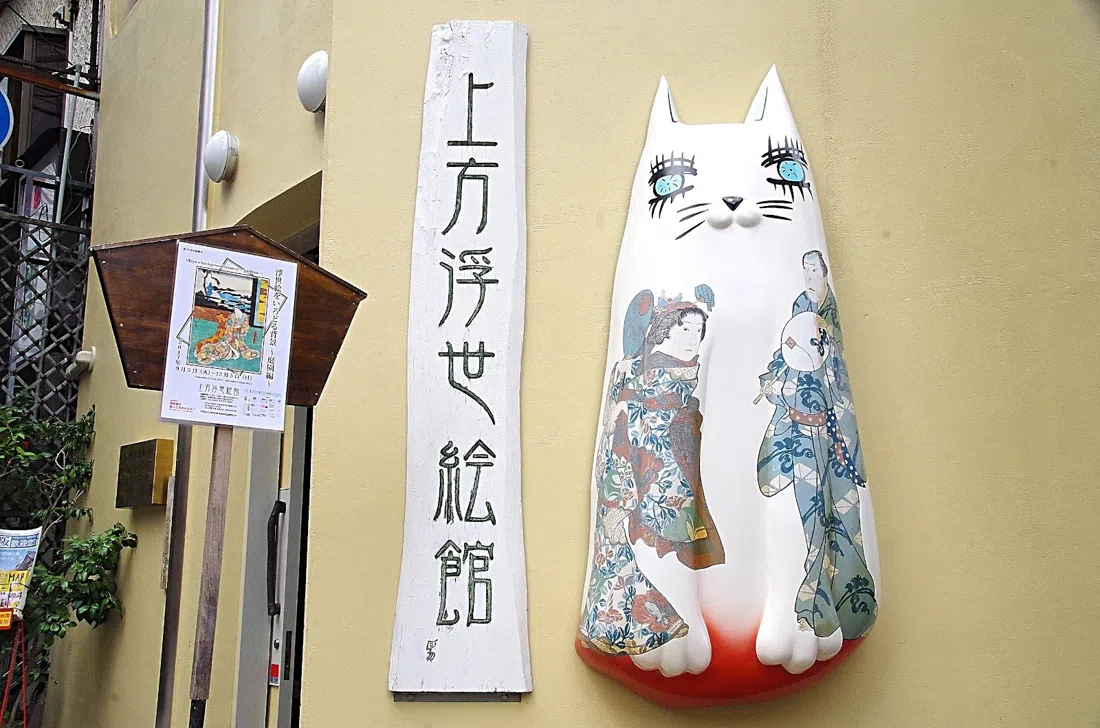
Kamigata Ukiyoe Museum, beside Hozenji, is a narrow four-storey townhouse and the only museum in the world devoted to Kamigata ukiyo-e, the woodblock prints made in Edo-period Osaka itself and mostly showing local kabuki actors. Small lit wall cases hold the prints in rich reds and blacks, actors caught in exaggerated poses, and a steep internal staircase links the floors. It opens 11:00 to 18:00 Tuesday to Sunday, closed Mondays, with last entry at 17:30. Entry is ¥500 for adults and ¥300 at school age, and it is free with the Osaka e-Pass.
The Bunraku theatre and Kōzu-gū Shrine
Two minutes from the market's east side, on the Nipponbashi crossing, the National Bunraku Theatre is a severe modern public building of concrete and glass with tall vertical performance banners outside. Inside, on a wide stage, three black-hooded puppeteers work a single waist-high puppet beside a shamisen player. Bunraku puppetry was born in Osaka and is UNESCO-listed, and this is its home theatre, the most serious cultural landmark in the quarter.
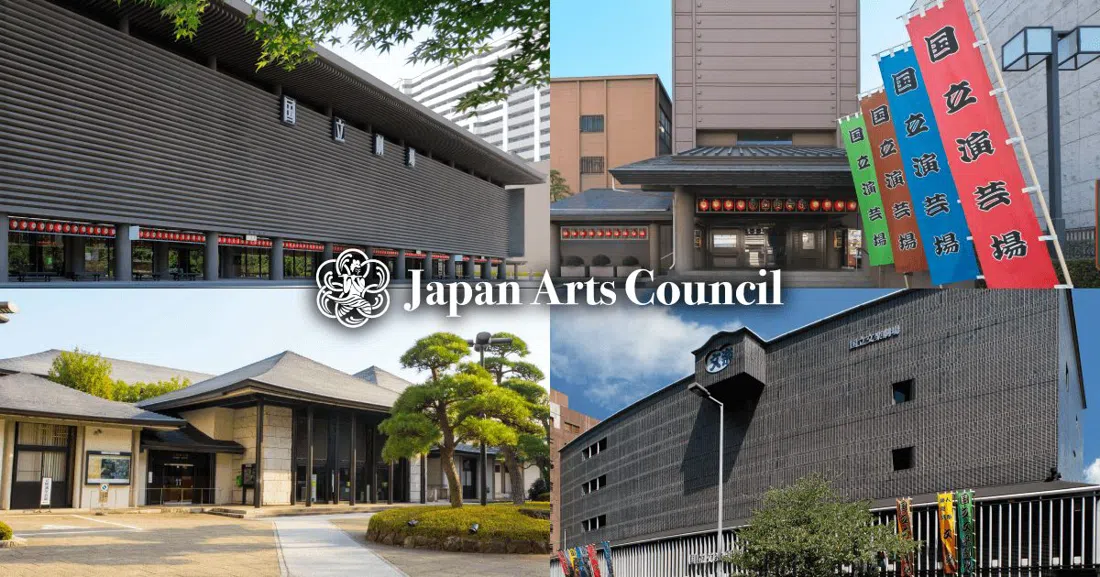
The hall seats 753. Tickets run ¥1,000 to ¥6,000 depending on seat and programme, and English audio guides and programmes are available. Single-act tickets suit a short attention span. The theatre runs in performance blocks, not continuously, so check the schedule before you build a day around it.
A nine-minute walk east of Nipponbashi, Kōzu-gū Shrine stands on a wooded rise above the city, reached by a steep flight of stone steps up to a stone torii. Founded in 866 and dedicated to Emperor Nintoku, it is a historic home of rakugo storytelling. Cherry trees overhang the approach to the vermilion-trimmed wooden hall, and Osaka rooftops show through the trees. The shrine holds a well-known cherry festival in early April. This is the quietest place in the quarter.
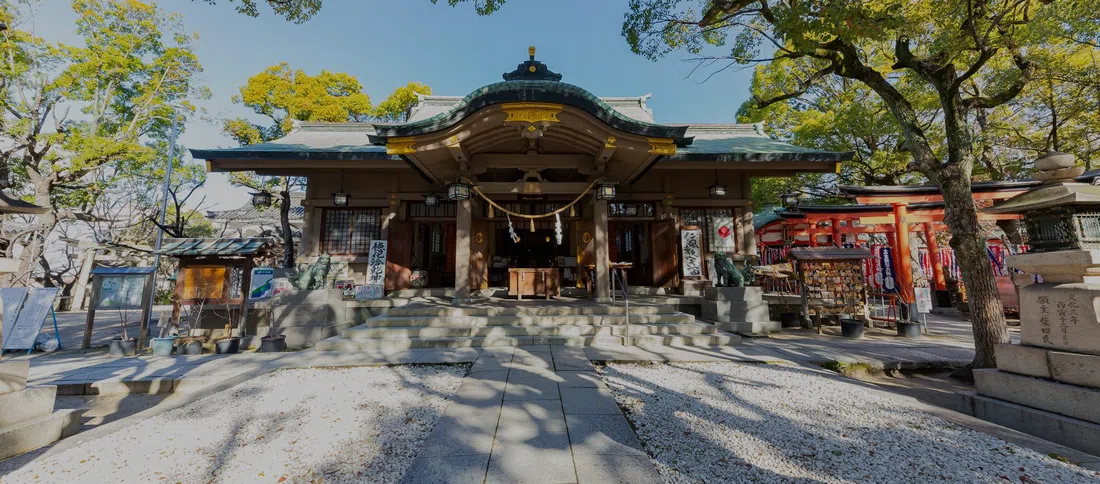
The grounds are free. The gate is open 06:00 to 18:00 and the sanctuary closes at 17:00, with the shrine office open 09:00 to 17:00 for charms and prayers.
Den-Den Town from 11:00
Nipponbashi Den-Den Town (Sakaisuji and Ota Road) is the main electronics and anime district of western Japan, five minutes' walk south of the market. A kilometre of narrow street carries vertical neon and character signage, gachapon machines spill onto the pavement, and glass vitrines stand full of figures. Go down Sakaisuji for electronics and back up Ota Road for anime, doujinshi, retro games and the cosplay shopfronts. Shops open at 11:00 and run to 20:00, which makes this the natural evening half of a Kuromon day. Walking it is free, and most larger stores handle tax-free for tourists.

On the main drag, Joshin Super Kids Land Main Store fills five floors with Gundam kit boxes shelved wall to ceiling, a running model-railway display layout and cabinets of painted figures under bright strip lighting. It is one of Japan's largest hobby stores. Entry is free and Gunpla kits start at ¥700. It opens 10:00 to 20:00 daily, and it has lifts, a tax-free counter and multilingual staff. If you are travelling with children, make this the one stop you plan.

Mandarake Grandchaos, a short way along the same streets, holds the deepest second-hand pop-culture stock in western Japan over six narrow floors, each one a different dense colour: used manga spines, vintage Showa-era toys in sealed boxes, idol photo-cards in binders and cosplay racks. Prices start at ¥100 for used manga and reach five figures for collector pieces. It opens 12:00 to 20:00 every day of the year. Allow an hour you had not budgeted.
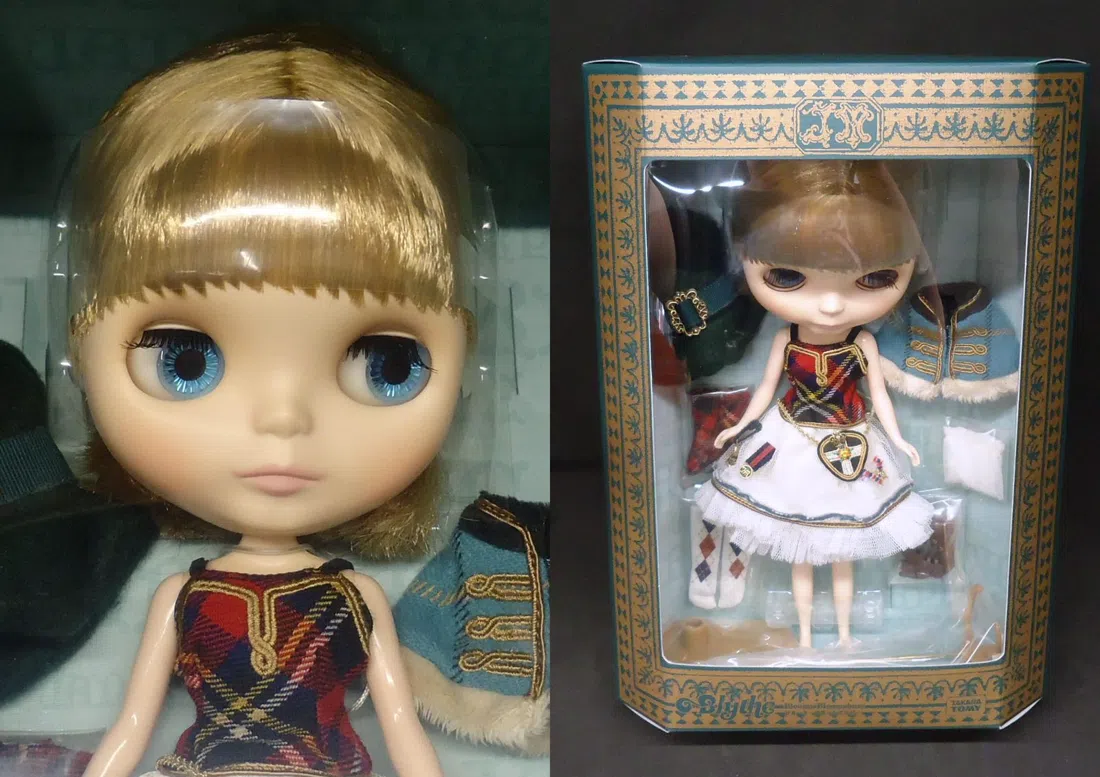
Super Potato Retro-kan Ota Road tiles its walls with boxed Famicom and Super Famicom cartridges, keeps loose carts in plastic bins, and runs 8-bit demos on CRT monitors under pixel-art signage. Japan's best-known retro-game chain pulls in a good share of everyone who comes to Nipponbashi, and the shop is a single small floor, so browse in twos or threes. It opens 11:00 to 20:00 on weekdays and from 10:00 at weekends and holidays, daily. Bring cash, and check region compatibility before you buy hardware.

Maidreamin Osaka Nipponbashi Ota Road is the tourist-fluent way to try Japan's maid-café format, a big, slick chain branch on the anime lane. The room is pastel pink and white, staff wear frilled aprons, heart-shaped omurice is drawn in ketchup at your table, and LED wands come out for the routines on a tiny stage strung with fairy lights. Staff run those routines in English. Expect ¥1,500 to ¥3,000 a head, and the seating charge is per person and sits on top of the food. Photographs of staff are not allowed unless you pay for one. It opens 11:30 to 23:00 on weekdays and from 10:30 at weekends. Book ahead at weekends.

Staying beside the market
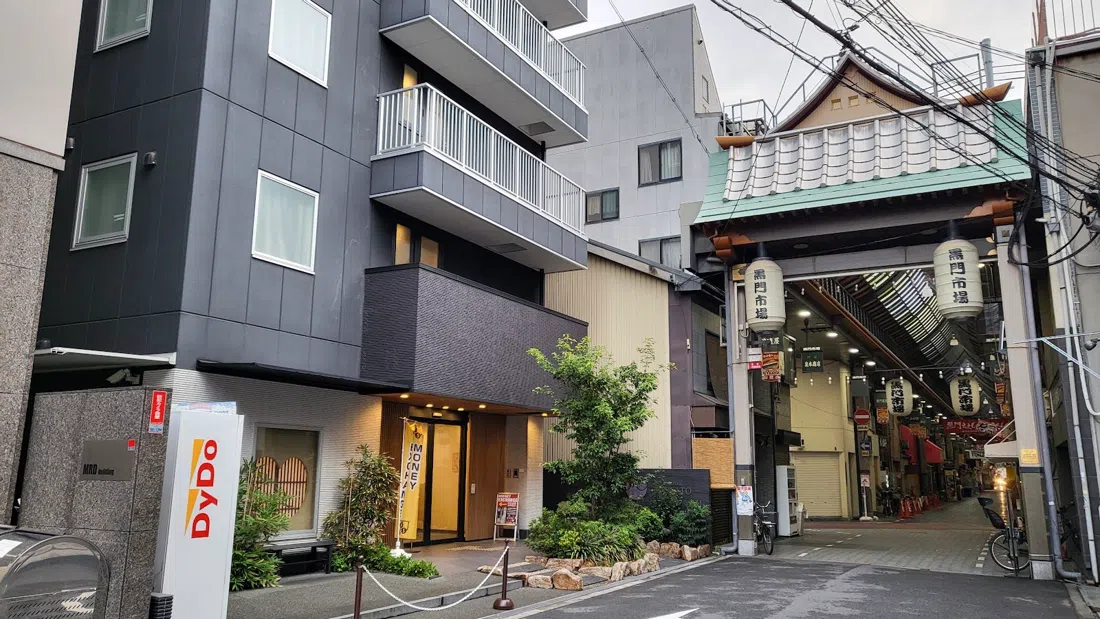
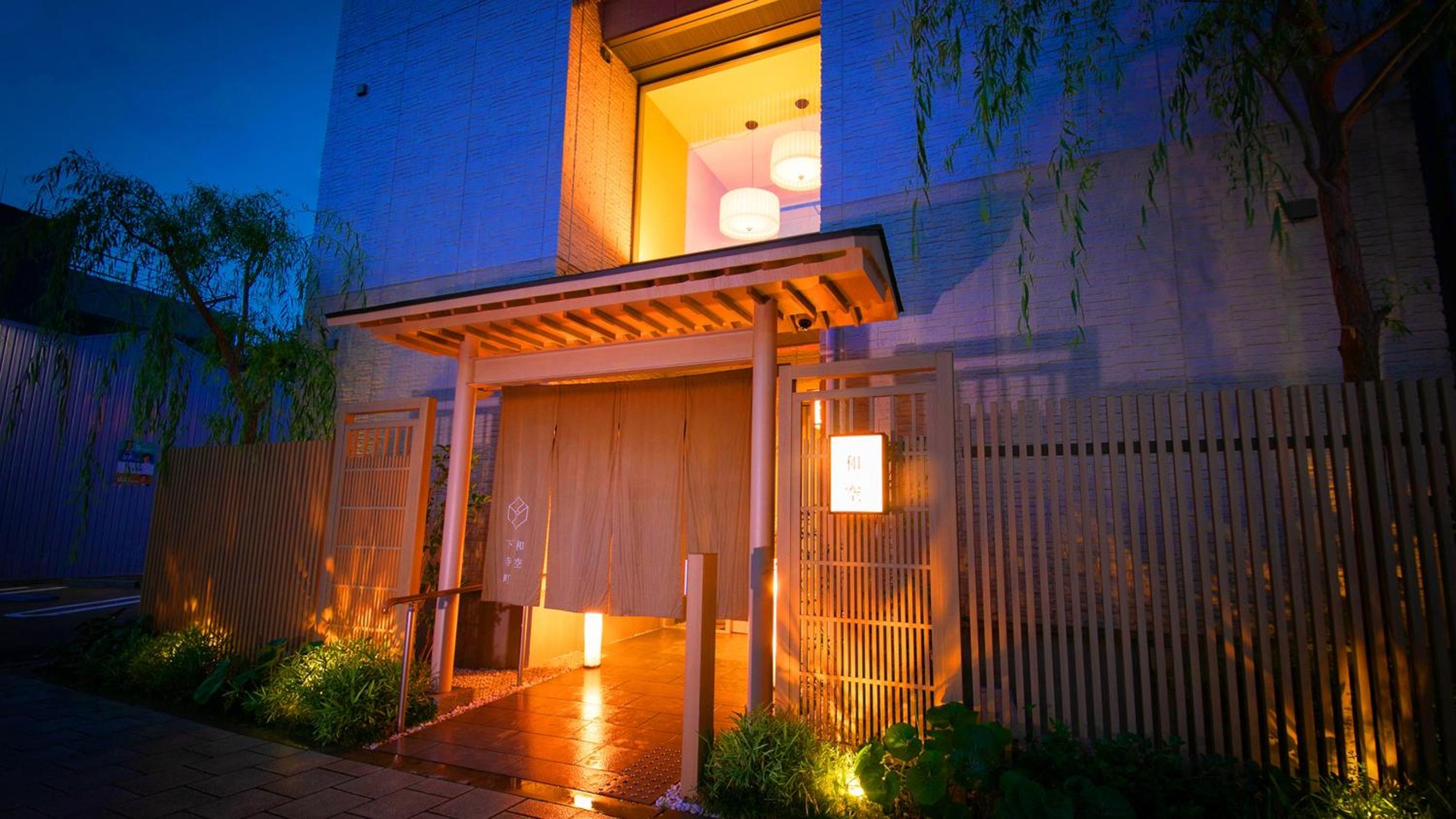
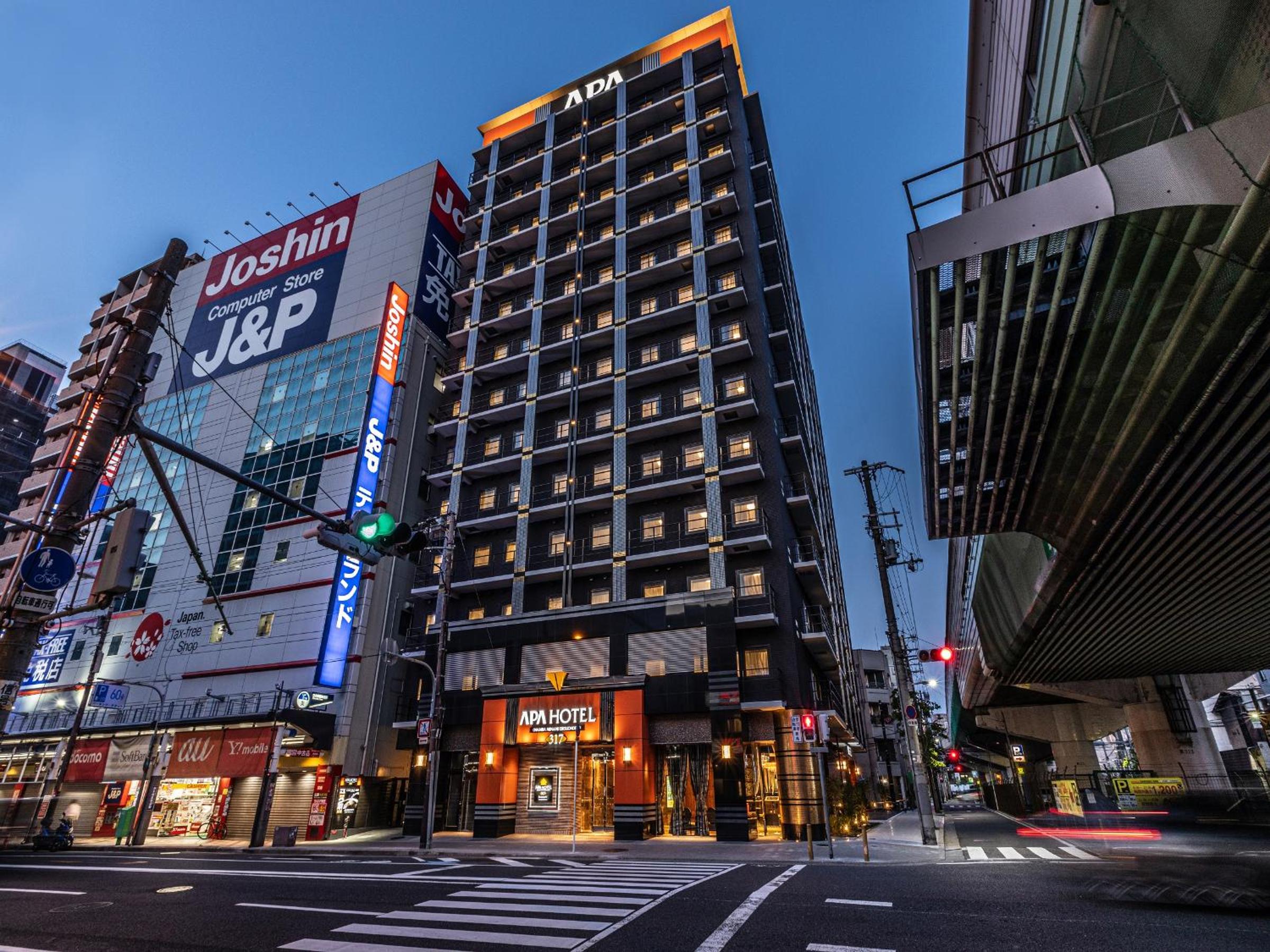
Hotel ASIATO Namba 几乎与黑门市场相连,步行五分钟即可到达日本桥车站,因此开市时就能抵达海鲜摊位。客房是紧凑的现代日式商务酒店风格,浅色木质与白色搭配,配有遮光卷帘。小巧明亮的大堂提供免费咖啡,并设有自助洗衣房。从酒店入口处即可望见市场的顶棚。两人入住每晚需 ¥8,000 至 ¥15,000,酒店提供双床房和小型家庭房、免费行李寄存,并有能说英语的工作人员。住客也提到客房偏小、空调有噪音,因此建议携带耳塞。
实用信息
上方浮世绘馆周一闭馆,Maguroya Kurogin 休息日不固定,文乐剧场仅在演出时段开放。六人及以上请在 Daruma 预订座位,周末去 Maidreamin 也需提前预订,在 Ota Road 的店铺请准备现金。详见大阪指南和大阪酒店搜索。
Osaka的酒店

常见问题
前往黑门市场的最佳时间是什么时候?
市场每天 09:00 至 18:00 营业,不过海鲜最新鲜的时段是 09:00 至 11:00,许多摊位在 15:00 至 16:00 之间收摊,因此上午是最合适的时段。在 Maguroya Kurogin,优质的金枪鱼切片通常在午后前就会售罄。
电器街距离黑门市场有多远?
步行向南五分钟即可到达,两个区域可以安排在同一天游览:市场 09:00 开始营业,电器街的店铺 11:00 开门,营业至 20:00。
在市场里,哪里可以坐下来吃饭,而不必站着?
Kuromon Sanpei 设有正式的堂食区,是一间朴素的木桌后厅。你在前面挑选的鱼可以烤好端上来,或做成鱼肉盖饭。不接受预订,因此请在午餐高峰前到达。
前往法善寺横丁吃串炸,需要预订吗?
Ganso Kushikatsu Daruma Hozenji 店面小,以吧台座位为主,六人或以上请提前预订,也可以选择更大的难波分店。这条小巷里的其他餐厅都是小型吧台店,午餐从 11:30 开始营业,通常在 22:00 至 23:00 之间打烊。
该区域是否有某些日子关闭的店铺?
上方浮世绘馆 11:00 至 18:00 开放,周二至周日营业,最后入场时间为 17:30。Maguroya Kurogin 的休息日不固定,国立文乐剧场按演出场次开放,因此请先查看剧场的日程。
作者
Inês Carvalho
Osaka one neighbourhood at a time
Inês moved from Porto to Osaka to research post-war Kansai architecture and now writes walking routes through Nakazakicho's back lanes and the retro alleys of Shinsekai. She builds itineraries around neighbourhood rhythms, day trips to Nara and Kobe, and the quieter corners tourists skip.