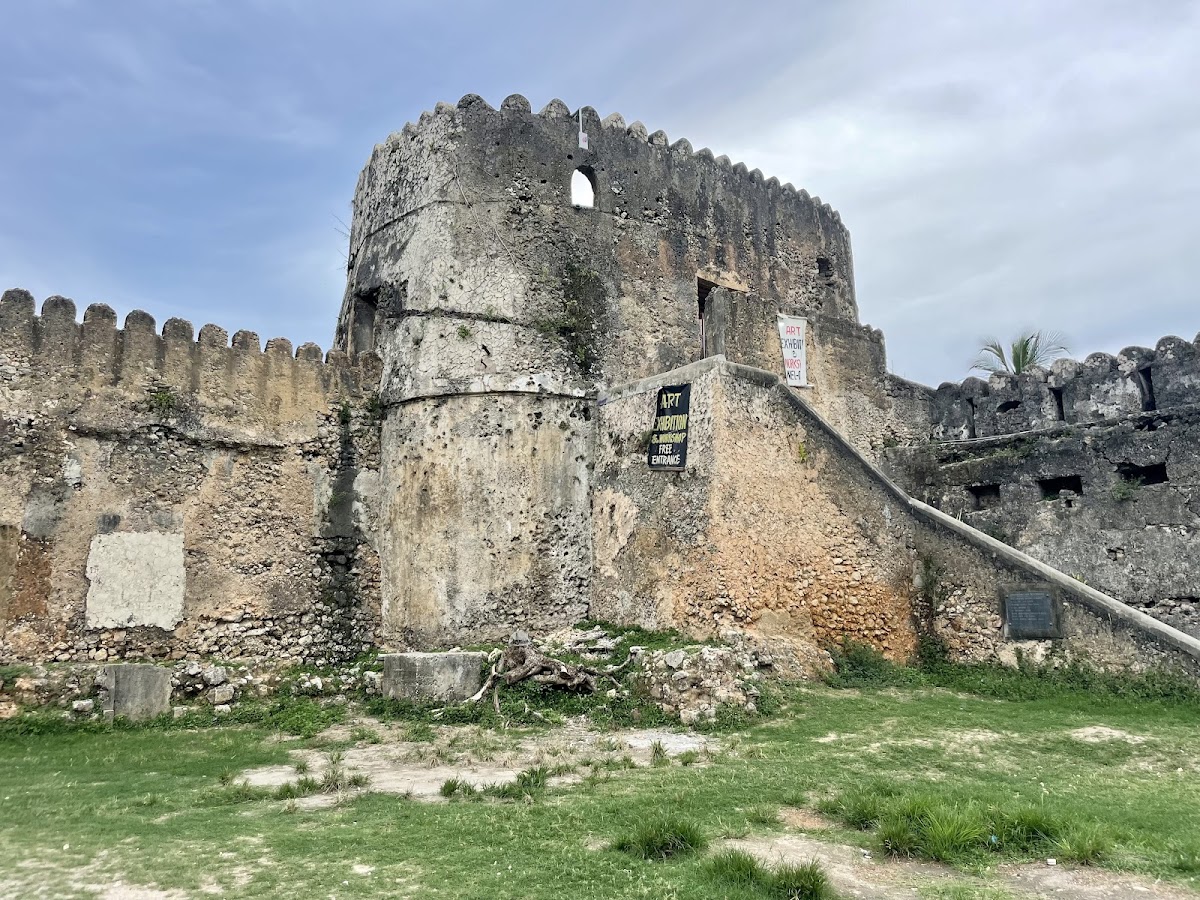
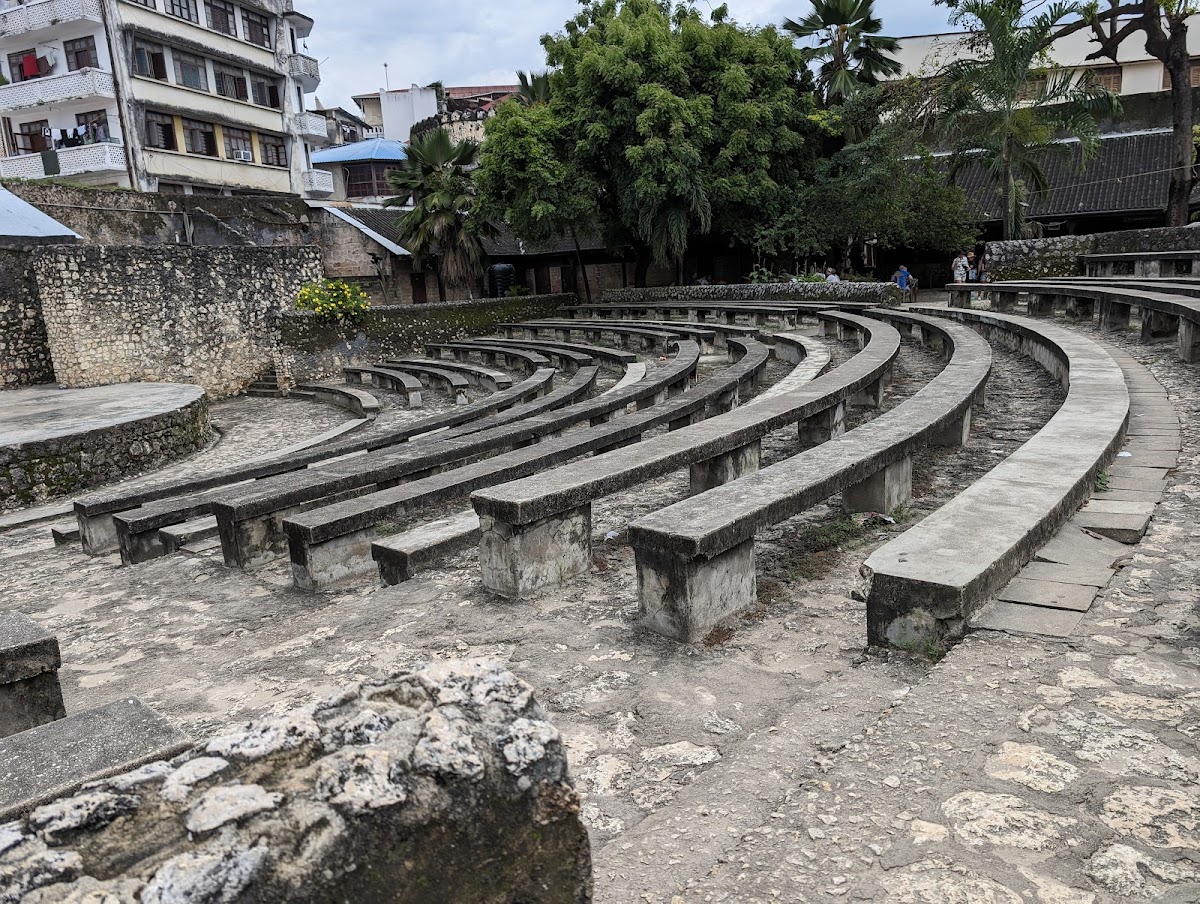
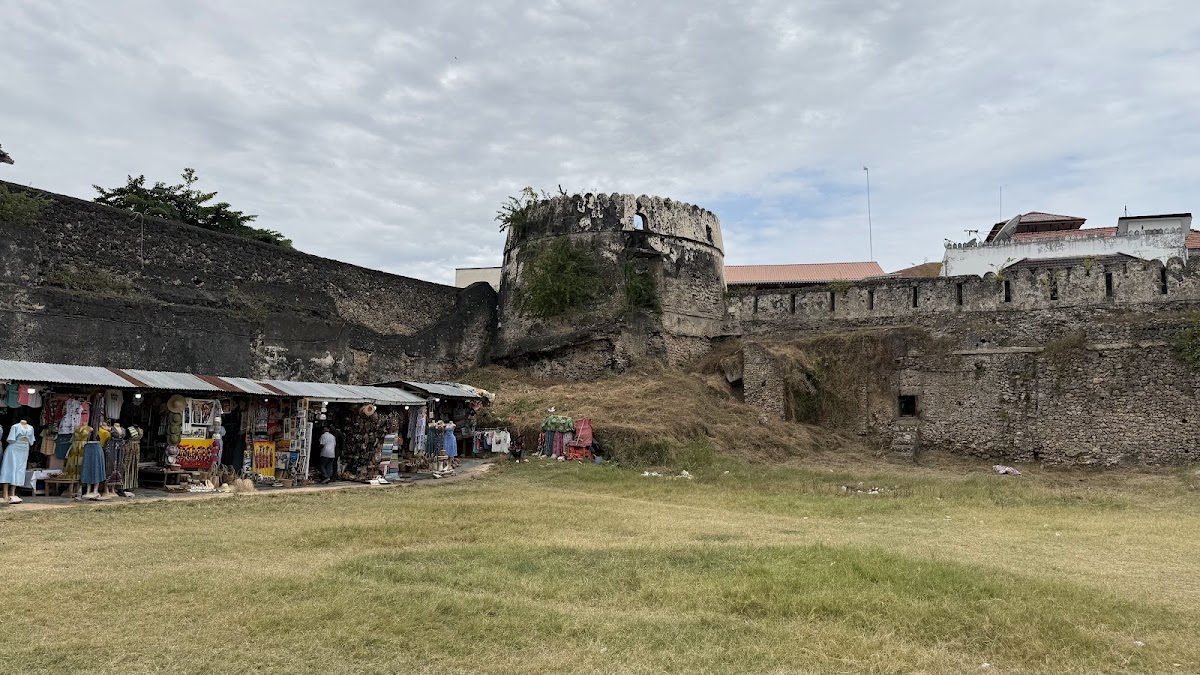
Old Fort (Ngome Kongwe)
石头城最古老的建筑,由阿曼阿拉伯人在17世纪末为抵御葡萄牙人而建。
免费入场。设有露天圆形剧场,至今仍举办文化活动。
Stone Town的更多地点
Sultan's Palace (People's Palace Museum)
一座俯瞰港口的 19 世纪末宫殿,可一窥阿曼王室日常生活。
提示: €(小额门票),需 1 小时。展品历史性强但简单。
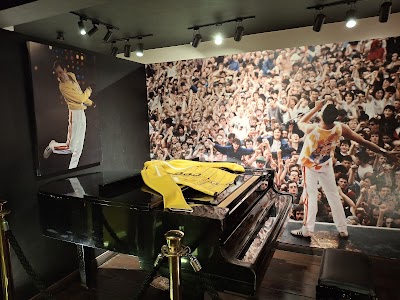
Freddie Mercury Museum
这座小型博物馆位于皇后乐队主唱的出生地,展示了他在桑给巴尔的早年童年。
提示: €€,需 30 分钟。最适合乐队的忠实粉丝。
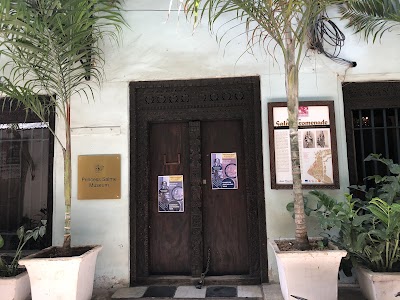
Princess Salme Museum
一座小巧迷人的博物馆,纪念 19 世纪从桑给巴尔逃往欧洲的阿曼公主。
提示: €(通常包含在徒步游中),45分钟。极具教育意义。
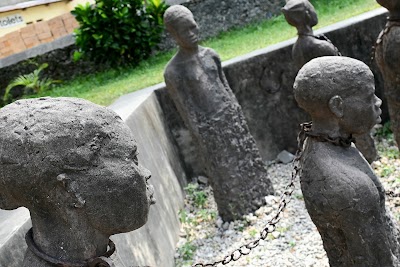
Anglican Cathedral and Former Slave Market
建在世界最后一个永久性开放奴隶市场的原址上,设有感人的纪念碑和历史性牢房。
提示: €(含导览)。情感冲击强烈;建议预留1.5小时。
位置
点评
The venue for Sauti za Busara. Let's just say, the acoustics were amazing! The space just feels so warm and in with the vibe of the festival and its people. The ampitheatre, corner shops and main stage, where there were living quarters of the Portuguese and Omani Arabs hundreds of years ago, all meld so well. It's not towering and imposing, and because of the sea front reclamation feels less of a precipice kind of fort, more of part of the fabric of Zanzibar. The washrooms and restaurant need a bit of love with their design though, and after the festival it did feel a bit neglected and in need of love.
Having visited Zanzibar and lived there, I hadn’t taken the time to explore Ngome Kongwe—until now. Stepping inside this iconic Old Fort was like stepping back in time. The beauty of the place is undeniable, from the ancient walls to the vibrant energy that still pulses through its courtyards. Though I missed the festivities like Sauti za Busara, I was captivated by the serene atmosphere that allowed me to take in the fort’s historic presence. The shops lining the interior are thoughtfully arranged, each offering a unique glimpse into local artistry and craftsmanship. The blend of culture and history here is nothing short of immaculate. I lingered in one of the shops, enjoying not just the items on display but the warmth and hospitality of the people. There’s something special about the way they welcome you—gently, with a quiet pride in their craft. It’s more than a place to visit; it’s a space to connect, reflect, and appreciate the rich cultural heritage of Zanzibar.
Ngome Kongwe, also known as the Arab Fort and by other names, is a fortification located in Stone Town, the capital of Zanzibar. It is the oldest building and a major visitor attraction of Stone Town. It is located on the main seafront, adjacent to another landmark building of the city, the House of Wonders (former palace of the Sultan of Zanzibar), and facing the Forodhani Gardens. It was built by Omani Arabs after expelling the Portuguese in 1699. It was used as a garrison and prison in the 19th century, and as a terminal of the Zanzibar railways 1905-28. A new guardhouse was built in 1947 and used as the ladies' club, and an amphitheatre was added in the 1990s. It is now the headquarters of the Zanzibar international film festival." It was later used as a prison and as barracks. In early 20th century it was also used as a depot during the construction of the railway that connected Stone Town to the village of Bububu. The fort is essentially a square of high, brown walls with merlons, protecting an inner courtyard. In the courtyard there are some remnants of earlier buildings, including those of a Portuguese church and another Omani fortification.