Berlin stories
39 stories from berlincitybreak.com, newest first.
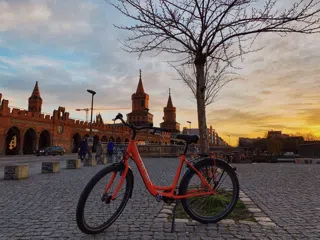
Riding Berlin's Highlights by Bike in December
In winter Berlin's guided highlights ride leaves once, in the morning, so the whole day takes its shape from that. Plan the warm stops around it and leave out what you do not need.
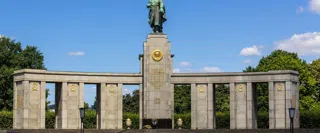
Standing under Berlin's Soviet war memorial in Tiergarten
Roughly 2,000 Red Army dead are buried on Straße des 17. Juni, in an unfenced war cemetery a few hundred metres from the crowds at the Brandenburg Gate.
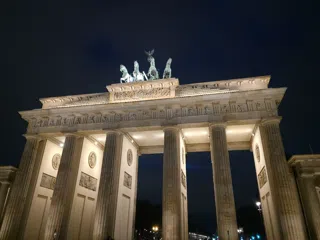
What to see at Berlin's Brandenburg Gate and when to go
The gate is free and never shuts. How much of it you see depends on the rooms around Pariser Platz.
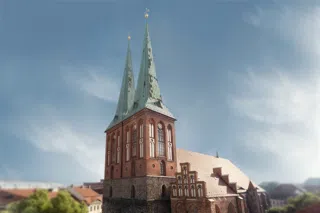
Berlin's Nikolaiviertel on Foot, Church to Beer Hall
Berlin's oldest street plan was rebuilt from rubble in the 1980s, and once you know which houses are real the ten-minute walk becomes a half-day.

Sharp Tongues on Berlin's Small Cabaret Stages
Twelve working Berlin stages: two Cold War satire ensembles, two mirror tents, a six-row burlesque room and a cellar circus that opened this September, with the prices, door rules and language realities that decide which one suits your night.
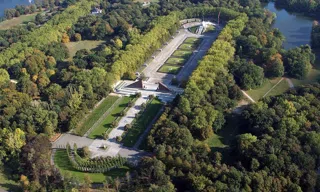
November Mornings at Berlin's Treptower Park Memorial
The Soviet memorial, the Spree promenade and the woods behind them are at their best in flat November light. This is the route, what is open and what the restoration has fenced off.

Riding Berlin's Mauerweg in a Single Long Day
The 160-kilometre trail around the old death strip, arc by arc: where the border still stands, which doors are shut on Mondays, and how to plan a day that ends well.
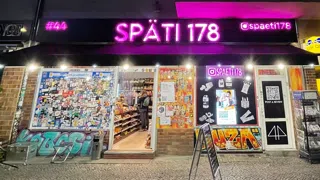
Following a Berlin Beer Bottle From Späti to Airport Bin
Eight cents on a bottle built Berlin a second economy that runs on the same pavements as the first, and here is where to watch it, drink in it and take part.
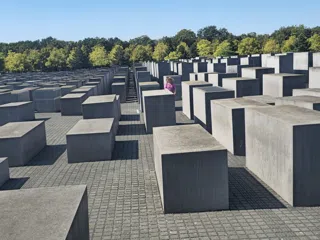
Walking Into the Stones at Berlin's Holocaust Memorial
How long Berlin's Field of Stelae really takes, what the information centre underneath it adds, and the three memorials five minutes away that most visitors walk straight past.
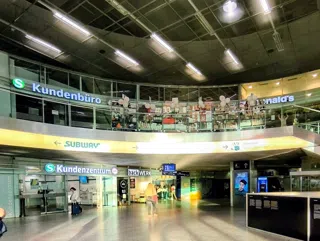
Getting Across Berlin Without Losing Half Your Day
Fares, the Ringbahn trick, the €6 taxi rule and the bike lanes that actually connect: how to cross Berlin in 2026 without losing an afternoon on a platform.
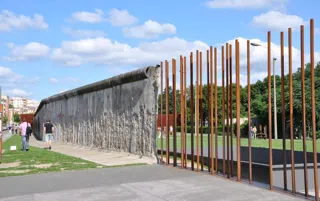
Berlin for First-Timers Who Don't Drink
Five days of parks, ruins, tea rooms and flea markets, and one sound stage with no bar, priced and timed so you never have to stand at a club door.
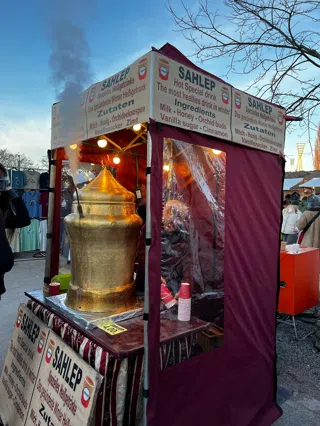
Sunday Digging in Berlin's Flea Markets and Vintage Shops
The Berlin market circuit: where to go, what it costs and what time to arrive, plus the vintage shops that cover the six days a week the markets are shut.
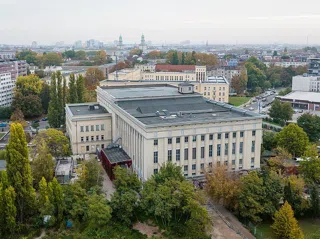
Fifteen Doors on the Berlin Techno Pilgrimage
Where Berlin techno started, which doors actually let you in, and how to plan a weekend that does not end in a queue anecdote.
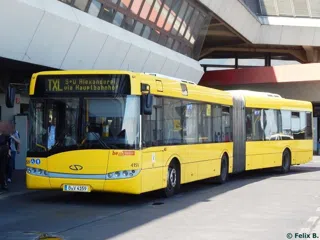
What Four Days in Berlin Really Costs in 2026
Four days of transport, currywurst, museums, beer gardens and one very uncertain club door, priced line by line in 2026 euros.
Eating Berlin Without a Single Currywurst
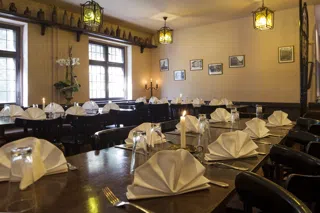
Sixteen Berlin kitchens, counters and market stalls worth your appetite: Swabian Maultaschen, milk-fed chicken, charcoal Adana kebap, Baumkuchen from 1852, plus prices, door realities and how far ahead to book.
Walking Berlin at Night Through the Festival of Lights
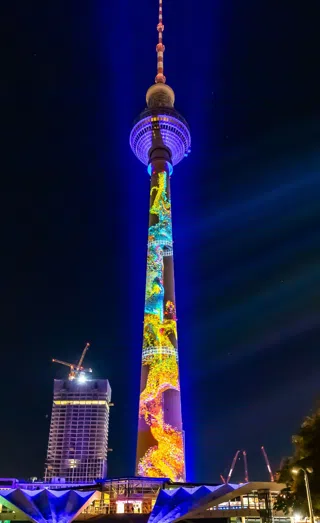
Ten nights, 33 lit buildings and a four-hour window each evening: how to plan the projections, the dinner before them and the club after.
A Rainy Weekend in Berlin, Planned Room by Room
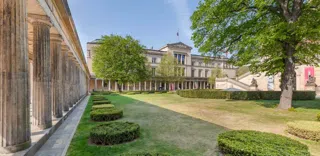
Berlin's grey weekends go to the people who plan doors rather than distances. Here is the indoor route, with prices, closing days and the bookings you have to make before you arrive.
Rent a Bike in Berlin and Ride the Havel to Potsdam
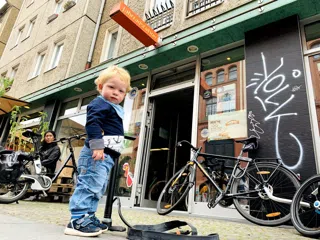
A flat 35 to 40 km day out of Mitte along the lakes, with which bike to hire, where to stop for lunch and two honest ways to cut it short.
Berlin Marathon Weekend for Everyone Who Isn't Running
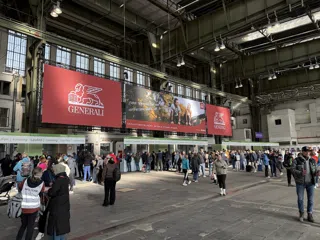
The centre of Berlin closes to cars on 27 September 2026, and the people without a bib get the best of it. This is how to plan the three days around someone else's race.

Coffee, Markets and Day Trips for a Berlin October
Where the espresso is worth crossing town for, which market opens on which day, and the regional trains still running before the season shuts down.
Twenty Years on the List for a Berlin Garden Plot
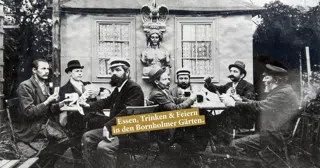
Berlin has 71,000 allotments, a queue measured in decades and a handful of colony pubs that will still serve a stranger lunch. Here is how to see the whole system from the outside.

What Berlin Did With the Bunkers It Couldn't Demolish
Flak towers, shelters and a buried command post: which of Berlin's concrete war structures you can actually walk into in 2026, and what each one demands at the door.
Where to Find Oktoberfest in Berlin in 2026
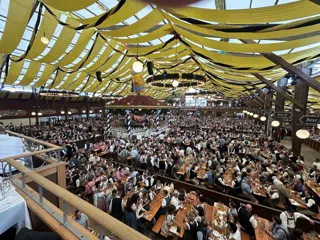
A practical, honest map of Berlin's Oktoberfest season, from the full Bavarian import near Alexanderplatz to the city's own low-key beer gardens, with 2026 dates, prices, and who each one actually suits.

The Cold War playground: tracing the spies' Berlin
Berlin's Cold War is not sealed behind museum glass — it's a walkable network of real border halls, listening stations and interrogation cells you can still enter, in 2026, in the order the spies themselves used them.
The Cold War Espionage Trail: From Stasi Headquarters to Listening Stations
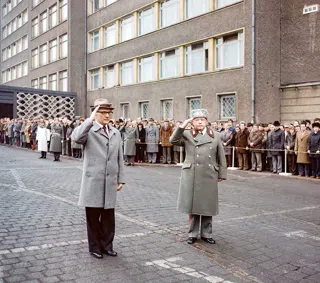
A street-level route through Berlin's surviving spy infrastructure — Stasi headquarters, a real interrogation prison, an NSA hilltop and the bridge where the Cold War actually traded its prisoners.
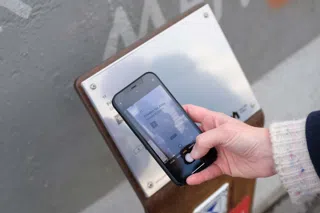
Berlin's Other Wall: The City's Street Art Is a Living Museum
Berlin didn't decide to become the world's largest open-air canvas — it stopped trying to stop it, and the result is a city that keeps painting over its own history.
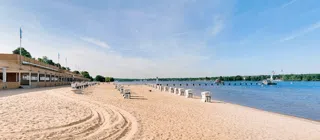
The Berliner's Other Summer: Lakes, Forests, and Where the City Goes to Cool Down
A route-by-route guide to swimming your way out of a Berlin heatwave — from free forest lakes on a transit ticket to day trips worth the regional train.
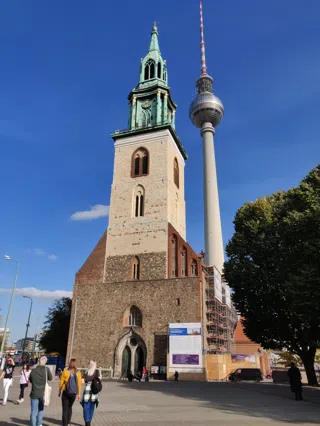
After Midnight at the Späti: Berlin's Last Classless Room
A calm, route-by-route guide to Berlin's late-night kiosks — where a €1 beer buys you a seat in the one room the city never learned to sort by income.

The best rooftop bars in Berlin for 2026
From bohemian car park gardens to Michelin-starred sky lounges, here is your definitive, queue-tested guide to drinking above the Berlin skyline.

The best stag do spots in Berlin
Axes and boats by day, steins by four, a rooftop at sunset and a club that will actually let ten of you in — the honest, no-BS guide to a Berlin stag that works.
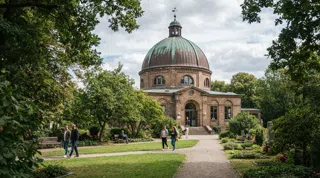
Wedding, Berlin: the north Berlin Kiez that still feels lived-in
A scruffy, multicultural district of cheap beer, serious kitchens and low-key culture, Wedding is Berlin at street level — unpolished, good-value and quietly compelling.
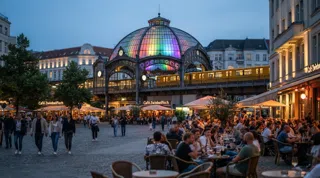
Schöneberg, Berlin: Bowie plaques, queer bars and market mornings
A slow, lived-in corner of Berlin where Bowie, Cabaret and a Saturday market still share the same streets as neighbours carrying cheese home in paper bags.
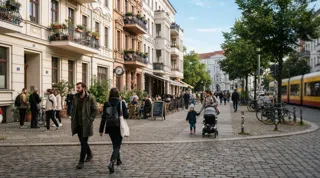
Prenzlauer Berg, Berlin: Altbau Calm, Sunday Noise and the City’s Softest Edge
From Mauerpark’s Sunday karaoke to Kollwitzplatz’s market stalls, Prenzlauer Berg is Berlin at its most polished, lived-in and quietly local.
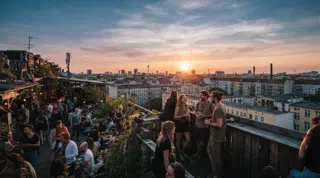
Neukölln, Berlin: the district that never learned to whisper
From Sonnenallee’s Syrian bakeries to Weserstraße’s candlelit bars and the runway emptiness of Tempelhofer Feld, Neukölln is Berlin at full volume, all night and all appetite.
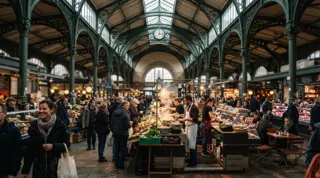
Moabit, Berlin: the island district that still feels lived-in
A calm, central Berlin neighbourhood ringed by water, anchored by a grand 1891 market hall, and best explored on foot between canals, courtyards and low-key bars.
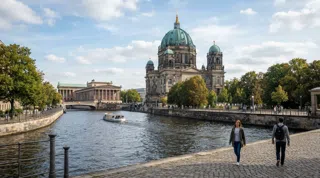
Mitte, Berlin: the city’s centre of gravity
From Museum Island to Auguststraße, Mitte is Berlin at its most monumental, walkable and layered — a district where the grand sights sit one courtyard, one bar or one S-Bahn stop away from the life happening behind them.
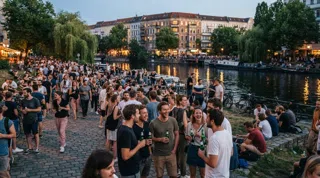
Kreuzberg, Berlin: where the city still runs on friction
From Mustafa’s queues to canal-side beers and queer nights that start after the U-Bahn stops, Kreuzberg is Berlin at its loudest, hungriest and most stubbornly itself.
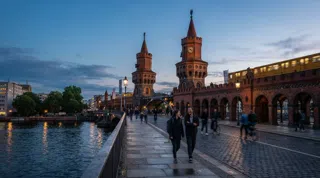
Friedrichshain, Berlin: the district that never got tidied up
From the Wall to the queues outside Berghain, Friedrichshain is Berlin at its most unvarnished: loud, walkable, cheap on the plate, and alive until the first tram home.

Charlottenburg, Berlin: West Berlin Polish, Kantstraße Heat and the Ku’damm Glow
From palace gardens and war-scarred memorials to Kantstraße’s East Asian food run and Savignyplatz jazz bars, Charlottenburg is Berlin at its most polished and quietly compelling.